
Why the Dr Infrared Heater DR-238 Warms Breezy Patios

Most people assume electric outdoor heaters lose all their heat the moment a cool breeze kicks up. That is true for blowers that push warm air, but carbon radiant elements warm people and surfaces directly. The warmth acts like sunshine on a crisp afternoon. Because the heat beams straight into your body, clothing, and patio furniture, passing winds cannot simply blow it away.
Real comfort still depends on how you set things up. The distance between the overhead mount and your chairs matters, along with how open your porch is to the elements. Running on high also requires a regular outdoor wall outlet on its own circuit so the power draw does not trip your breaker. Here is how direct radiant heat performs outside, what setup it requires, and how to get the right coverage for your seating zone.
How Carbon Infrared Cuts Through Outdoor Breezes
Warming an outdoor patio poses a real challenge because moving air refuses to stay put. Standard space heaters push warm air out into a room using an electric fan. When you place that kind of heater out on an open deck, the slightest evening breeze immediately sweeps the hot air away into the yard. You end up sitting in the cold while your electric meter spins, because moving air cannot hold heat when wind blows across your patio.
Direct infrared heat solves this problem by warming people instead of the air. It works on the exact same principle as natural sunshine. When you step outside on a brisk autumn morning, the air might feel chilly against your cheeks, but direct sunlight immediately warms your skin and clothes. The heat arrives as silent, invisible light waves that travel smoothly through moving air without being blown off course.
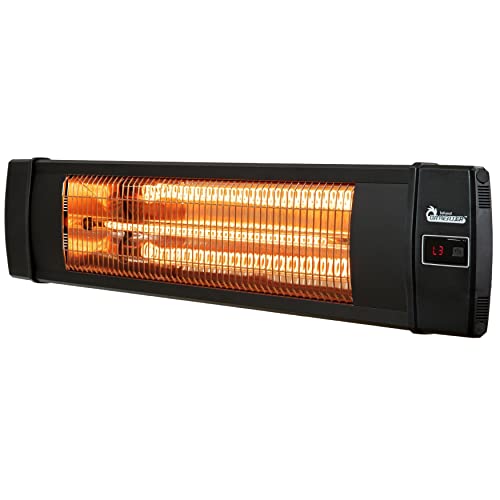
The Dr Infrared Heater DR-238 creates this sun-like warmth using a carbon infrared lamp, which is a glowing tube that warms your skin directly like sunshine. Unlike old metal wire coils that take minutes to warm up and lose energy to drafts, this carbon element produces clean, odorless warmth the moment you turn it on. The energy passes straight through open air and absorbs directly into your body, patio furniture, and deck flooring.
Tucked directly behind that carbon element is an aluminum reflector, which is a shiny curved metal plate that bounces heat forward. The DR-238 uses a 90 percent reflective mirror aluminum reflector that gathers stray rays and directs them in a focused beam toward your seating area. When an autumn gust sweeps across your patio, the radiant heat striking your skin remains constant. If you also spend cool evenings in semi-sheltered spaces, knowing how to warm drafty spaces on an enclosed porch uses this exact same radiant principle to beat stubborn drafts.
Weather Resistance and Rain Protection
Leaving an electrical appliance outdoors naturally causes worry about water damage and rust. Damp morning fog, splashing rainstorms, and backyard dust quickly ruin poorly sealed equipment. If water penetrates the casing of an electric heater, it can easily short out the wiring, damage the heating element, or create a serious shock hazard.
The DR-238 handles these outdoor conditions with an IP55 rating, which is certified protection against rain spray and dust. The first digit shows that blowing garden dust and grit cannot enter the internal housing in amounts that disrupt operation. The second digit confirms that water sprayed from any direction, such as a steady downpour or a lawn sprinkler, will not reach the live electrical components inside.
The exterior housing is built from durable black aluminum. Aluminum naturally resists rust and corrosion, even when exposed to damp evening mist or freezing winter dampness. Unlike steel frames that rust and stain deck boards after one wet season, this aluminum body stays intact and clean year after year.
Sensible safety precautions still apply during wet weather. The heater body repels rain spray, but your electrical connection must stay completely dry. Keep the plug connected to a covered outdoor wall box, never leave cords resting in standing puddles, and never spray high-pressure hose nozzles directly into the front heating grille.
Power Needs and Circuit Safety
Many commercial-style patio warmers require specialized 240-volt wiring installed by an electrician, or they rely on heavy 20-pound propane tanks that freeze up or run empty unexpectedly. The DR-238 runs on regular 120-volt household electricity at 60 Hz. This means you can plug it straight into an ordinary outdoor wall outlet without needing expensive electrical panel upgrades.
The unit features three distinct heat settings: 900 watts, 1200 watts, and 1500 watts. Running the heater on its 1500-watt high setting pulls about 12.5 amps of electrical current. Most residential outdoor circuits are powered by a 15-amp or 20-amp circuit breaker, meaning this heater consumes the vast majority of a 15-amp circuit's total capacity.
To run the heater safely without interruptions, plug it directly into a dedicated outdoor wall outlet. If another heavy power user, such as an electric smoker, power tool, or blender, shares the exact same circuit line, the breaker will likely trip. Always plug into an outdoor GFCI outlet, which is a safety receptacle that automatically cuts power if water causes an electrical fault.
Avoid using extension cords, thin power strips, or household surge protectors. Standard extension cords cannot handle a steady 12.5-amp electrical load for hours without overheating, which can melt plug ends and create a fire hazard. If you are also setting up heat in an attached workspace, understanding the circuit requirements of an electric heater for a garage follows these same dedicated outlet rules to protect your home wiring.
Steps to Mount and Aim the Heater for Maximum Warmth
Where and how you position your patio heater determines how much comfort you actually feel. Because infrared energy behaves like a beam of light, aiming the reflector correctly focuses all the warmth right where your family sits. Follow these steps to secure and position the unit properly.
- Fasten the bracket into a solid structural stud or support beam. Anchoring the 8-pound, 35-inch heater directly into solid wood or brick prevents the unit from wobbling or tearing loose during heavy windstorms.
- Hang the heater at an elevation between 6 and 8 feet above the patio floor. Mounting the unit at this height keeps the hot metal housing safely out of reach of children and pets while allowing the radiant warmth to cast a wide, even pool over seated guests.
- Keep a clear 3-foot safety buffer away from any flammable materials. Ensuring at least 36 inches of empty space around the heater protects outdoor curtains, canvas awnings, patio umbrellas, and hanging plants from overheating.
- Angle the aluminum reflector bracket downward toward your chairs. Tilting the front face toward your seating zone bounces direct infrared rays onto your chest and lap rather than wasting energy heating the patio roof or empty space above your heads.
- Plug the power cord straight into a dedicated, weatherproof outdoor outlet. Plugging directly into an outlet covered by an in-use protective bubble hood keeps moisture away from electrical prongs and prevents breaker overloads.
Coverage Limits: What One Unit Can and Cannot Warm
Infrared heat radiates forward in an expanding cone, much like the light beam from an outdoor floodlight. It does not warm the surrounding air or circulate through an entire backyard. Understanding this directional spread helps you arrange your patio seating for the best possible warmth.
When mounted between 6 and 8 feet high, a single 1500-watt DR-238 comfortably covers a zone measuring roughly 6 to 9 feet across. This footprint is ideal for a four-person patio dining table, a pair of deep lounge chairs, or a cozy outdoor loveseat. Within that direct beam, seated guests feel a steady, gentle warmth that offsets chilly evening temperatures down into the 50°F range.
Keep in mind that one unit cannot warm an entire open deck or a sprawling patio. Anyone seated 10 or 12 feet away from the unit will barely notice the warmth. When outdoor temperatures plunge into the low 40s or below, the air will still feel sharp against exposed skin unless you sit directly inside the center of the radiant cone.
For larger outdoor setups, such as an eight-person dining table or separate cooking and seating areas, plan on using multiple heaters. Positioning two units so their radiant beams slightly overlap blankets the entire seating area in balanced heat without leaving anyone shivering at the edge of the table.
Choosing the Right Setup for Your Patio
Selecting the best heater setup for an outdoor patio comes down to matching your layout with the right radiant technology. Look for models featuring carbon infrared elements rather than traditional blower fans or exposed wire coils. Carbon elements provide instant, focused warmth that cuts directly through chilly outdoor drafts without wasting energy on moving air.
Always check the moisture rating and building materials before making a purchase. Any heater used outdoors needs certified water and dust resistance so passing rainstorms do not damage the electronics. Heavy-duty aluminum housing is also essential because it resists rust and holds up against years of damp evening air.
Check your outdoor power supply and physical mounting surfaces before bringing a heater home. Confirm that you have a dedicated 120-volt outdoor GFCI outlet nearby that does not share heavy electrical loads with other appliances. Finally, inspect your patio posts, overhead beams, or exterior walls to ensure you have a sturdy, load-bearing surface where you can safely secure the mounting hardware at the proper height and angle.

- BWP Score8.8
BWP Score is a ranking system developed by Bestwinterproducts.com. BWP score has no relationship or impact from any manufacturers or sales agent websites. Learn more
- BrandDR. INFRARED HEATER
- BWP Score8.0
BWP Score is a ranking system developed by Bestwinterproducts.com. BWP score has no relationship or impact from any manufacturers or sales agent websites. Learn more
- BrandDR. INFRARED HEATER
Last update on 2026-10-08 / Affiliate links / Images, Product Titles, and Product Highlights from Amazon Product Advertising API
FAQs
Does outdoor wind blow away the heat from a carbon infrared heater?
Wind does not blow away carbon infrared heat. Because this heater emits radiant light waves, the warmth travels straight through moving air and absorbs directly into your skin and clothes. Even during breezy conditions that would strip warm air away from a fan heater, direct radiant warmth keeps you comfortable.
Can this electric patio heater safely stay outside in the rain?
The heater can safely remain outside in rainy weather thanks to its certified IP55 weather protection rating and rust-resistant aluminum body. Rain spray, fog, and splashing water will not penetrate the internal components. You only need to ensure the electrical plug stays inserted inside a covered, weatherproof outdoor outlet box.
Will running a 1500-watt patio heater trip my circuit breaker?
A 1500-watt heater will not trip your breaker if it is plugged into a dedicated 15-amp or 20-amp circuit. At full power, it draws approximately 12.5 amps of electricity. If you run other power-hungry outdoor items like electric grills or power tools on the same electrical line, the circuit will overload and trip the breaker.
How far away should the heater be from outdoor patio seating?
The sweet spot for mounting this heater is between 6 and 8 feet away from where people sit. Positioning it closer than 5 feet can create uncomfortable, intense heat on your head and shoulders. Mounting it further than 9 or 10 feet away allows the radiant beam to scatter, making the warmth feel too faint on cold evenings.


Best Warm Winter Scarves 2026 For Cozy Comfort

Best Green Ski Goggles 2026 For Clear Vision On Slopes

12 Best Corner Electric Fireplace 2026: My Ultimate Guide To Pick One

Best Battery Powered Snow Blower 2026 For Effortless Snow Clearing

Best Ski Goggles Under 30 Inches For Crisp Vision And Comfort

Best Cooling Scarf 2026 For Instant Relief And Comfort

Fake Snow for Grass: Create a Realistic Winter Lawn Display

Dimplex Prism Wall Mount Fireplace: Sleek Heat With Modern Flame Style





