
Why the Dreo Oil Radiator Works So Well in Large Rooms

A cold breeze creeps across the living room floor while a noisy ceramic fan rattles on the end table, warming only a small patch of air before shutting off. This style of radiator works differently by retaining heat inside specialized fluid, letting warm air rise and spread gently across large rooms without loud fan noise or harsh temperature drops. The wide metal fins keep radiating continuous warmth even after the electrical element cycles down.
How well that heat spreads depends on a few practical details in the room. High ceilings, unsealed window frames, and poor insulation make any heater work harder. The sealed fluid also takes fifteen to twenty minutes to warm up before filling the space, and the unit needs a dedicated wall outlet that can safely handle the full electrical load. Here is how that gentle airflow actually warms a large space and how to set it up safely.
How Specialized Fins Circulate Warmth Across Large Rooms
Heating an expansive living room or an open master bedroom presents a physical hurdle that small portable heaters struggle to overcome. In open spaces, cold air naturally pools near the floor, while heated air rises rapidly toward the ceiling. Fan heaters try to solve this by forcing air through a small heating grid at high speed. That creates a narrow jet of intense heat that quickly dissipates, leaving corners and distant seating areas freezing cold. An oil-filled radiator takes a different route by relying on natural convection, which is simply warm air rising to move heat across the room in a continuous, rolling loop.
The core of this heating action lies in the specialized shape of the metal fins. Rather than using narrow, flat panels that only warm the air directly touching their flat sides, modern Dreo units use wide, M-shaped fins. This corrugated geometry significantly expands the metal surface area exposed to the surrounding room. The folds act like miniature thermal chimneys. Cool floor-level air is drawn upward through the gaps at the base of the unit, heats up rapidly as it glides along the deep folds of the metal, and rises outward from the top. As that warm air rises and spreads across the ceiling, it pushes existing room air outward toward the walls, where it cools, sinks back to the floor, and travels back toward the radiator to repeat the cycle.
Because there is no motorized fan to blow air mechanically, this circulation happens in complete silence. Air moves gently and continuously, sweeping warmth into drafty corners without stirring up dust or allergen particles. The trade-off is time. An oil-filled radiator does not produce an instant blast of hot air when you press the power switch. The internal electric element needs about 15 to 20 minutes to heat the heat-retaining fluid sealed inside the fins. Once that fluid reaches its target temperature, the radiator establishes a stable, room-wide convection current that fills large areas far more evenly than a direct fan blower.
Heat Retention Versus Fan Blowers: Why Radiator Warmth Stays Steady
The biggest frustration with basic portable space heaters is the sharp cycle of boiling heat followed by immediate drafts. A ceramic heating element that warms up in seconds cools down just as quickly the moment its sensor shuts the power off. In a spacious room, that causes dramatic temperature swings. You feel a blast of intense, parched heat for five minutes, followed by sudden chills as drafts reclaim the living space. Fan units also dry out indoor air rapidly, which often leads to dry sinuses, scratchy throats, and irritated eyes during long winter evenings.
Oil radiators eliminate those abrupt temperature swings through thermal storage. The heat-retaining fluid sealed inside the fins holds thermal energy like a dense sponge. When the heater draws power, it warms the sealed fluid, which then saturates the heavy steel exterior. When your room hits your chosen temperature and the digital temperature dial that clicks on and off to hold your set warmth disengages the heating element, the unit does not suddenly go cold. The thick metal and internal fluid continue radiating steady, comforting heat into the living space for 30 to 45 minutes without pulling a single watt from the wall outlet.
This steady release produces two distinct forms of comfort at the same time. While natural convection steadily circulates air through the room, the exposed steel exterior produces radiant heat, which is gentle heat that warms people and furniture directly like sunlight. That radiant energy warms your couch, rug, and coffee table, turning nearby surfaces into secondary heat sources that resist cold floor drafts. If you are comparing supplemental heating options for difficult layouts or want to find an effective heater to warm drafty spaces, thermal retention is the decisive difference between a room that feels constantly drafty and one that maintains a cozy, uniform baseline.
Managing Power Draw and Daily Electric Costs
A common concern with heating a large living area is the impact on your monthly electric bill. In the United States, standard portable electric space heaters draw up to 1,500 watts on their highest setting. That equals roughly 12.5 amps of continuous current on a standard 120-volt household circuit. Because many residential rooms share a 15-amp branch circuit across multiple outlets, running a 1,500-watt appliance at maximum power all day can easily overload the circuit breaker if someone plugs in a vacuum cleaner or turns on a television entertainment system on the same line.
You can heat large spaces efficiently by changing how you manage power levels. When you first turn the heater on in a cold room, set it to its maximum 1,500-watt power level to bring the sealed fluid and surrounding air up to temperature quickly. Once the room reaches a comfortable baseline, lower the unit to an intermediate heat setting, or activate the automatic power-saving setting (ECO mode). The unit monitors the surrounding air and automatically adjusts its wattage, shifting between higher and lower settings to maintain the target temperature without burning unnecessary power.
To keep your expectations realistic, apply the standard heating guideline of roughly 10 watts per square foot of living space. A 1,500-watt heater is sized to fully warm a closed 150-square-foot room from freezing conditions, or provide steady supplemental warmth across a 300 to 400-square-foot open living room where the central furnace needs extra support. When you pair steady thermal retention with an accurate thermostat, the radiator runs intermittently rather than drawing maximum power non-stop. For spaces like home workshops or bonus rooms where maintaining reliable comfort without constant manual adjustment matters, pairing an electric heater with a digital thermostat helps maintain comfort while keeping utility usage predictable.
Where to Place the Heater and Essential Overnight Safety Checks
Placing an oil radiator in the right spot makes a massive difference in how evenly warmth spreads across an expansive room. Placing the heater in an isolated interior corner traps warm air against walls where you cannot feel it. Instead, position the unit along the natural path of cold air infiltration. Placing the heater near drafty windows, patio sliders, or cold exterior walls allows the rising convection current to intercept sinking cold air, warming it before it sweeps across your floor.
Because these heaters are often left running for hours in living areas or overnight in master bedrooms, electrical safety and physical clearance must come first. The heavy steel construction keeps the unit stable, but the outer casing becomes hot to the touch during operation. Keep a clear perimeter around the unit to let air flow freely and prevent accidental contact with flammable fabrics.
Follow this checklist whenever setting up your radiator for long runtimes or overnight use:
- Plug straight into the wall: Connect the 3-prong plug directly into a dedicated 120-volt wall outlet. Never plug an electric space heater into an extension cord, power strip, or surge protector, as these secondary cords can overheat, melt, and trigger electrical fires.
- Keep a 3-foot safety buffer: Maintain at least 3 feet (36 inches) of open clearance on all sides between the radiator fins and combustible materials, including drapes, bedding, throw blankets, upholstered sofas, and paper.
- Set on a firm, flat floor: Place the caster wheels on a hard, level floor surface. Avoid resting the unit on thick, high-pile shag rugs that can restrict airflow beneath the bottom air intake vents or tilt the unit.
- Check the outlet temperature: After the unit has run for roughly 30 minutes on its high 1,500-watt setting, gently touch the plastic faceplate of the wall outlet. If the wall plate or power cord feels hot to the touch, turn the heater off, unplug it immediately, and have a licensed electrician inspect the wall receptacle.
- Confirm built-in safety switches: Ensure the unit sits fully upright so the tip-over safety switch that cuts power instantly if the unit is knocked over or tilted remains engaged. Verify that nothing blocks the top vents so the automatic overheat sensor that shuts the unit off if internal parts get dangerously hot can function properly.
What to Look for in a Large-Room Oil Radiator
When selecting an oil-filled radiator to balance the temperature in a large room, the overall design and surface area matter far more than the raw wattage number. Because almost all consumer electric radiators are capped at a standard 1,500-watt draw due to household electrical limits, heating performance comes down to how efficiently the unit transfers that heat into your living space. Pay close attention to the width, depth, and number of fins built into the frame.
Units with more fins and deeper M-shaped contours provide significantly more physical contact with circulating air. A broader fin configuration creates a wider thermal footprint, spreading warmth more effectively across wider square footage without needing more electricity. If your room is especially drafty or features ceilings higher than eight feet, choosing a model with wider fin dissipation area will help establish a stable convection cycle faster.
Look for digital controls that allow you to set specific temperature targets in degrees Fahrenheit rather than relying on vague low, medium, and high dials. A precise digital control system prevents the heater from overshooting your comfort zone and wasting energy. Practical convenience features also make daily use easier, including an easy-to-read display, a remote control for adjustments across the room, smooth-rolling caster wheels that make moving the heavy steel body simple, and an ETL or UL safety mark listed on the manufacturer label.
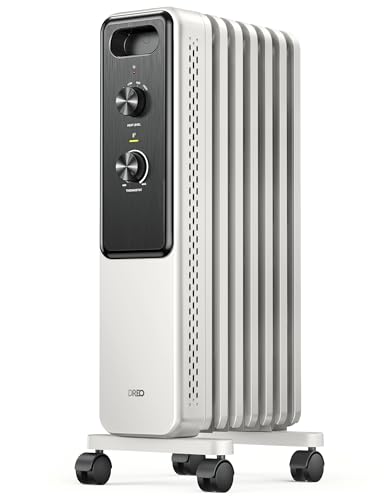
- BWP Score9.5
BWP Score is a ranking system developed by Bestwinterproducts.com. BWP score has no relationship or impact from any manufacturers or sales agent websites. Learn more
- BrandDREO

- BWP Score9.4
BWP Score is a ranking system developed by Bestwinterproducts.com. BWP score has no relationship or impact from any manufacturers or sales agent websites. Learn more
- BrandDREO

- BWP Score9.4
BWP Score is a ranking system developed by Bestwinterproducts.com. BWP score has no relationship or impact from any manufacturers or sales agent websites. Learn more
- BrandDREO

- BWP Score8.3
BWP Score is a ranking system developed by Bestwinterproducts.com. BWP score has no relationship or impact from any manufacturers or sales agent websites. Learn more
- BrandDREO

- BWP Score8.0
BWP Score is a ranking system developed by Bestwinterproducts.com. BWP score has no relationship or impact from any manufacturers or sales agent websites. Learn more
- BrandDREO

- BWP Score7.7
BWP Score is a ranking system developed by Bestwinterproducts.com. BWP score has no relationship or impact from any manufacturers or sales agent websites. Learn more
- BrandDREO
Last update on 2026-10-07 / Affiliate links / Images, Product Titles, and Product Highlights from Amazon Product Advertising API
FAQs
Why does an oil-filled radiator take longer to warm up than a ceramic fan heater?
An oil-filled radiator relies on an internal electric element to heat sealed fluid inside steel fins before transferring warmth into the room. This process takes 15 to 20 minutes to reach peak surface temperatures. Ceramic heaters warm up in seconds because they blow air directly across a glowing ceramic grid, but they lose all their heat the moment the power cuts off, whereas oil radiators continue radiating warmth long after shutoff.
Is it safe to leave an oil radiator running overnight in a bedroom?
Yes, provided you plug the unit directly into a dedicated wall outlet and keep at least 3 feet of clear space away from bedding and curtains. Radiators are among the safest space heaters for overnight use because they operate silently without glowing heating elements and contain no exposed coils. Built-in tip-over switches and automatic overheat sensors provide dependable protection while you sleep.
Can an oil radiator effectively heat a large room with high ceilings?
An oil radiator works well as a supplemental heat source in rooms with high ceilings, but it requires patience during the initial warm-up period. Because warm air rises, natural convection will gradually fill the upper volume of the room before creating a comfortable warm zone at sitting level. Placing the unit near where you sit allows you to enjoy direct radiant warmth while the rising air current steadily tempers the rest of the space.
.jpg)

Best Warm Winter Scarves 2026 For Cozy Comfort

Best Green Ski Goggles 2026 For Clear Vision On Slopes

12 Best Corner Electric Fireplace 2026: My Ultimate Guide To Pick One

Best Battery Powered Snow Blower 2026 For Effortless Snow Clearing

Best Ski Goggles Under 30 Inches For Crisp Vision And Comfort

Best Cooling Scarf 2026 For Instant Relief And Comfort

Fake Snow for Grass: Create a Realistic Winter Lawn Display

Dimplex Prism Wall Mount Fireplace: Sleek Heat With Modern Flame Style





