
Why Does the Dreo Oil Radiator Stand Out This Winter?

Touch the chilly baseboards in your bedroom to see if cold air is pooling along the floor. Modern oil radiators stand out because they use curved metal heat panels to spread warmth much faster without a dry, noisy fan. Instead of baking the air and spiking electric bills, they quietly cycle down their power to hold a steady room temperature all night long.
That performance still depends on a few specific room conditions. Sealed bedrooms and quiet offices trap this gentle heat best, whereas drafty, open living rooms let the warmth escape. A radiator also warms a whole room gradually over twenty minutes rather than blasting immediate heat straight at cold feet, and it needs breathing room on a shared electrical circuit. Taking a closer look at how these redesigned units move heat will help decide if one fits your winter routine.
Faster Heat Without Blowers: How Modern Fin Shapes Move Warmth
Traditional oil-filled radiators have a reputation for being slow. In older models, flat metal columns held warm oil, and you had to wait nearly an hour before the surrounding air began to feel comfortable. That delay frustrated anyone walking into an icy bedroom after work. Dreo changed that experience by rethinking the outer shape of the heating fins.
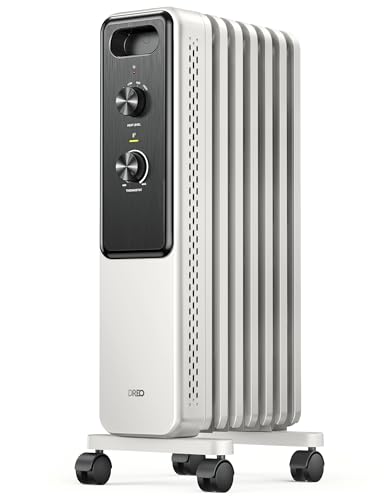
Instead of flat metal slabs, these units use curved metal heat panels that expose more surface to room air, known as M-shaped fins. By shaping the metal into these deep ridges, the heater increases the contact area between the hot metal and your room air. Dreo models feature either seven or eight of these specialized fins, expanding the surface area by 39.49 percent up to 59.5 percent compared to older flat-panel designs. More surface contact means cold air warms up much faster as it passes across the metal.
This design creates a natural chimney effect without relying on an electric fan. Cool air sits near the floor, enters the lower channels between the warm fins, heats up rapidly, and rises toward the ceiling. As warm air rises, it pulls more cold air off the floor behind it. This continuous natural cycle spreads heat across an entire room without needing a noisy mechanical blower.
Running at a full 1500 watts, this thermal structure delivers a 92.3 percent heating boost compared to basic oil radiators. You get the quick response people usually expect from a fan heater, but you keep the steady, lingering heat that only sealed oil can deliver. If you are trying to warm a closed 150-square-foot bedroom or living area, the warmth builds steadily within minutes instead of hours. However, in an uninsulated room with continuous cold drafts, air escapes before natural convection can build up. In those situations, you might need a specialized heater to warm drafty spaces rather than relying solely on gentle convection.
Comfort Differences: Silent Radiant Warmth Versus Harsh Forced-Air Fans
Most portable space heaters rely on an internal fan pushing air over glowing electric coils. While fan heaters blow hot air instantly onto your feet, they come with noticeable drawbacks that become miserable after a few hours. Forced-air heaters constantly stir up dust, pet dander, and allergens from rugs. They also dry out the moisture in the room, leaving you with dry eyes, a parched throat, and irritated sinuses by morning.
Dreo oil radiators solve this comfort problem by delivering radiant heat, which is steady warmth that warms objects directly without blowing air. The internal heating element warms reservoir oil sealed inside the steel casing, and that heat radiates outward into the room like sunlight warming a brick wall. Your furniture, floors, and bedding gently absorb and hold this heat. Because no fan is pushing dry air across your face, the room retains its natural humidity levels throughout the day and night.
Noise is another major difference. Electric blowers rattle, hum, and cycle on and off with loud whirring noises that disrupt light sleepers, babies in nurseries, and quiet work calls. A radiant oil heater has no moving parts. Once the heating element turns on, it operates in complete silence. You will only hear a faint, soft click from the internal switch when the unit adjusts its power level.
Thermal inertia makes this comfort last. When a ceramic fan heater turns off, the room immediately feels chilly because the hot air quickly disperses. With an oil-filled radiator, the specialized oil stays hot for a long time after the electric power shuts down. The metal fins continue releasing gentle, soothing warmth into your room, smoothing out the sharp temperature swings that make other electric heaters feel so inconsistent.
Smart Energy Control: Using Digital Thermostats and Exact Power Steps
Older space heaters waste substantial amounts of electricity because their controls are crude. Most older units use an analog dial with basic markings from one to ten, or simple low, medium, and high switches. You turn the dial, guess where the comfort level is, and end up either sweating because the heater will not shut off or shivering when it lets the room drop too cold.
Modern Dreo radiators eliminate that guesswork by combining a digital thermostat with four distinct operating modes. You set an exact target temperature on the digital display, and the internal sensors monitor the surrounding air continuously. This digital temperature dial clicks on and off to hold your set warmth within a tight band, preventing the room from overheating and saving energy that would otherwise be wasted.
The standout feature for managing electric bills is ECO mode, which is an automatic setting that lowers power once your target temperature is reached. Instead of running at the maximum 1500 watts all day, the heater calculates the difference between your target temperature and the current room air. As the room warms up, the heater drops down to lower wattage stages. It draws only enough electrical current to replace the heat leaving through walls and windows.
In standard American homes, standard household wall circuits operate at 120 volts and are rated for 15 amps. Running any 1500-watt heater draws roughly 12.5 amps at full blast, leaving very little room for lamps, computers, or television sets on the same circuit breaker. By stepping down to lower wattage levels during maintenance heating, the unit lowers your power draw, reduces electric bills, and decreases the chance of an unexpected breaker trip. While large, freezing work areas often demand a heavy-duty electric heater for steady warmth, a digital oil radiator provides the precise control needed for everyday indoor living spaces.
Overnight Bedroom Safety: What Protects Your Home While You Sleep
Leaving any heating appliance running while you sleep can cause anxiety, especially in bedrooms near curtains, bedding, or pets. Space heaters remain one of the most common causes of home heating fires when used carelessly. Dreo addresses these concerns by building multiple overlapping hardware safeguards into the chassis rather than relying on software alone.
Every model carries an ETL listing mark, confirming that the appliance meets strict North American electrical safety standards. Inside the base sits a tip-over safety switch that cuts power instantly if the unit is knocked over or tilted. If a child bumps the radiator or a large dog brushes against it during the night, the internal switch detects the change in angle and cuts electricity immediately before hot fins can contact carpet or blankets.
The heater also incorporates triple overheat protection, using an automatic overheat sensor that shuts the unit off if internal parts get dangerously hot. If someone accidentally drapes a piece of clothing over the top fins, the internal temperature sensor cuts power to prevent fire hazards. The exterior housing uses fire-resistant materials, and the power cord is equipped with a burn-proof plug engineered to withstand sustained high-current draw without melting or degrading.
To safely run your radiator overnight, follow this quick bedroom safety routine every time you set up the heater:
- Plug directly into a wall outlet: Never connect the heater to an extension cord, power strip, or surge protector, as these accessories can overheat and create fire hazards.
- Maintain the 3-foot safety buffer: Keep all sides of the radiator at least 36 inches away from blankets, drapes, wooden furniture, laundry piles, and pet beds.
- Place on a flat, solid floor: Set the caster wheels on bare floor or very low-pile carpet so the unit stays completely upright and the tilt switch remains balanced.
- Inspect the power plug: Make sure the plug fits firmly into your wall receptacle without feeling loose, and touch the wall plate occasionally to ensure it does not feel hot.
- Turn on the child lock: Lock the digital control panel before going to bed so accidental bumps from children or pets cannot change your chosen temperature settings.
If you ever notice the electrical cord feeling hot to the touch, or if your bedroom circuit breaker trips repeatedly, turn the heater off and unplug it immediately. Have a licensed electrician inspect your wall outlet and circuit wiring before running any high-wattage appliance again.
Choosing the Right Radiator Setup for Your Space
Before bringing an oil-filled radiator into your home, you need to verify that this style of heating matches your floor plan and your daily heating habits. These silent heaters shine brightest in enclosed rooms like primary bedrooms, nurseries, home offices, and living rooms where doors can remain closed to trap the rising warm air. Standard sizing follows the general guideline of roughly 10 watts of heating power per square foot of living space, meaning a 1500-watt model comfortably heats an enclosed room up to 150 square feet as a primary heat source, or supplies targeted comfort in larger open spaces.
When selecting a unit, check the fin configuration and control style carefully. Choosing a model with expanded M-shaped fins gives you faster warmup times without needing a fan, while eight-fin models provide the highest heat distribution area for slightly larger bedrooms. If you want exact control over your utility costs, pick a version with digital thermostat displays, multiple power stages, and an ECO mode rather than a simple high-low toggle switch.
Portability and daily convenience also matter. Most oil radiators weigh between 17 and 21 pounds because of the dense steel panels and sealed thermal oil inside. Look for sturdy caster wheels that roll smoothly over rugs and integrated carry handles that let you guide the unit safely when it cools down. A remote control and a 24-hour programmable timer will make daily operation effortless, allowing you to warm your bedroom before bedtime without leaving the heater running during empty afternoon hours.
- BWP Score9.5
BWP Score is a ranking system developed by Bestwinterproducts.com. BWP score has no relationship or impact from any manufacturers or sales agent websites. Learn more
- BrandDREO

- BWP Score9.4
BWP Score is a ranking system developed by Bestwinterproducts.com. BWP score has no relationship or impact from any manufacturers or sales agent websites. Learn more
- BrandDreo

- BWP Score9.4
BWP Score is a ranking system developed by Bestwinterproducts.com. BWP score has no relationship or impact from any manufacturers or sales agent websites. Learn more
- BrandDREO

- BWP Score9.3
BWP Score is a ranking system developed by Bestwinterproducts.com. BWP score has no relationship or impact from any manufacturers or sales agent websites. Learn more
- BrandDreo

- BWP Score9.4
BWP Score is a ranking system developed by Bestwinterproducts.com. BWP score has no relationship or impact from any manufacturers or sales agent websites. Learn more
- BrandDREO

- BWP Score8.3
BWP Score is a ranking system developed by Bestwinterproducts.com. BWP score has no relationship or impact from any manufacturers or sales agent websites. Learn more
- BrandDREO

- BWP Score8.0
BWP Score is a ranking system developed by Bestwinterproducts.com. BWP score has no relationship or impact from any manufacturers or sales agent websites. Learn more
- BrandDREO

- BWP Score7.7
BWP Score is a ranking system developed by Bestwinterproducts.com. BWP score has no relationship or impact from any manufacturers or sales agent websites. Learn more
- BrandDREO
Last update on 2026-10-07 / Affiliate links / Images, Product Titles, and Product Highlights from Amazon Product Advertising API
FAQs
How long does an oil radiator take to warm a cold bedroom?
A modern radiator with shaped fins usually begins radiating noticeable heat within 10 to 15 minutes of turning it on. For an enclosed bedroom around 150 square feet, expect the entire room to reach a comfortable, even warmth in about 30 to 45 minutes. Closing bedroom doors and windows helps the natural convection cycle warm the space much faster.
Can you leave an oil filled radiator running all night?
Yes, an oil radiator is one of the safest space heaters to leave running overnight when used properly. It has no exposed glowing wires, operates silently without drying out your sinuses, and features automatic shut-off switches for tipping and overheating. Just keep it plugged directly into a wall outlet and maintain a clear three-foot perimeter around the unit.
Does an oil filled radiator ever need to be refilled?
No, you never need to refill, bleed, or change the oil in an electric radiator. The specialized heating oil is permanently sealed inside the steel casing during manufacturing and does not burn off as fuel. It acts solely as a heat reservoir to hold warmth, so opening or tampering with the reservoir is unsafe and strictly unnecessary.


Best Warm Winter Scarves 2026 For Cozy Comfort

Best Green Ski Goggles 2026 For Clear Vision On Slopes

12 Best Corner Electric Fireplace 2026: My Ultimate Guide To Pick One

Best Battery Powered Snow Blower 2026 For Effortless Snow Clearing

Best Ski Goggles Under 30 Inches For Crisp Vision And Comfort

Best Cooling Scarf 2026 For Instant Relief And Comfort

Fake Snow for Grass: Create a Realistic Winter Lawn Display

Dimplex Prism Wall Mount Fireplace: Sleek Heat With Modern Flame Style





