
Why Is the Dreo Smart Wall Heater Better for Comfort?

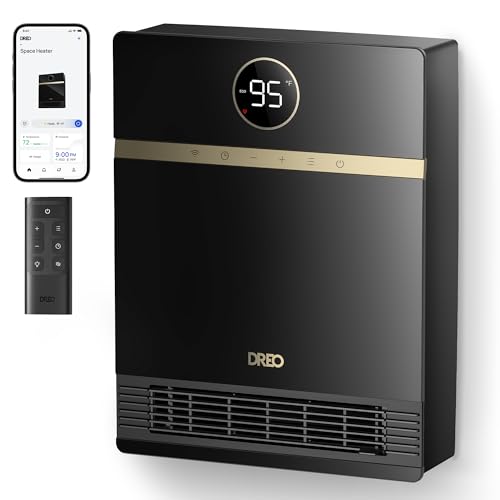
Check the coldest corner of the room to see why portable heaters struggle. Most small floor units overheat one spot while icy air continues to drift across your socks, whereas a wall-mounted unit blows warm air downward to sweep heat across the entire floor. Pairing that steady downward airflow with an accurate digital thermostat stops sudden hot-and-cold swings, keeping the whole space quietly warm without cluttering walking paths.
Getting that level of comfort still depends on a few practical room details. The space must match standard plug-in heating power, making it best for drafty bedrooms, bathrooms, or home offices. Mounting height also matters, since the heater needs open wall space below to push airflow toward the ground without blocking dressers or desks. A wall outlet must also sit within reach of the power cord. Here is how this wall design solves common heating headaches.
How Does Downward Airflow Eliminate Cold Floor Drafts?
A regular floor space heater usually sits on the carpet and blows heat straight ahead. Because hot air naturally rises, that warmth floats immediately up to the ceiling. Your upper body stays warm, but your feet and ankles remain trapped in cold drafts moving across the floorboards. This creates an uneven, stuffy feeling that makes drafty rooms uncomfortable.
Wall-mounted units solve this problem by changing where and how air moves. Mounted several feet off the ground, the unit uses a horizontal impeller fan to drive heated air downward at speeds reaching 11.5 feet per second. This downward angle forces the warm air stream directly toward the floor surface, where it mixes with incoming cool air and disrupts chilly floor drafts before the air can rise.
Wide moving louvers distribute that warmth across the entire space. Louver designs with a 30-degree oscillation sweep air across focused zones like a desk or reading chair. Broader 120-degree vertical oscillation models sweep air continuously from top to bottom, warming the entire height of the living space. Inside the housing, a fast-heating ceramic stone element warms up in seconds. Rather than waiting for a metal coil or radiator to slowly build warmth, the ceramic stone and high-speed fan combination immediately sends steady warmth across the floor. If you deal with drafty floorboards or chilly corners, pairing directed airflow with a reliable heater to warm drafty spaces balances room temperatures much faster than a standard floor box.
Why Do Digital Thermostats Prevent Uncomfortable Temperature Swings?
Basic space heaters use mechanical dials that turn on and off based on the temperature inside the heater case rather than the air in your room. This setup creates annoying hot and cold cycles. You wake up sweating under your duvet, kick off your blankets, and then wake up shivering twenty minutes later because the heater took too long to click back on.
Smart wall heaters fix this issue with an adjustable digital thermostat that tracks room temperature changes. You choose your exact target temperature on the display or through your phone. The internal sensor monitors the surrounding air and adjusts heat output as the room approaches your selected warmth level.
Instead of abrupt shutoffs that let drafts creep back across the room, the heater dials back its power draw to sustain even warmth. When the room drops slightly, the unit ramps back up smoothly without blasting harsh, dry heat. This continuous balancing act keeps your bedroom or office at a steady, comfortable temperature all day and night. For chilly workspaces or workshops that require consistent warmth, choosing an electric heater with a thermostat removes the chore of constantly getting up to adjust dials.
Can Smart App Scheduling Warm Rooms Before You Wake?
Stepping out of a warm bed onto an icy floor is one of the most miserable parts of cold weather. Portable heaters leave you with two bad choices: leave the heater running on high all night long and waste electricity, or dash across a freezing room to push a cold power button.
Smart app controls and automated schedules give you hands-free warmth right when your routine requires it. Using a smartphone app over your home Wi-Fi network, you can establish custom 24-hour schedules for every day of the week. For example, you can set the heater to turn on automatically at 6:30 AM at 70 degrees Fahrenheit, warming the room thirty minutes before your alarm rings.
You can also control settings using voice commands through an Alexa smart speaker without crawling out of your blankets. If you are returning home late from work, you can open your phone app from miles away and start warming your bedroom or living space before you step through the front door. This gives you exact comfort when you want it, while keeping energy use low when rooms sit empty.
Is the Fan Quiet Enough for Peaceful Bedroom Sleep?
A loud heating fan can ruin a good night of sleep by buzzing, rattling, or clicking loudly every time the heating cycle turns on. Creating a restful sleeping space requires steady, whisper-quiet operation and minimal light disruption. Check these key features when evaluating sleep comfort:
- Whisper-quiet sound levels: Look for fan operation rated at 28 decibels (a fan noise loudness measurement equivalent to a soft whisper or light rustling leaves). At this volume, the horizontal fan provides a faint, soothing hum that masks outside street noise rather than waking you up.
- Automatic display dimming: Bright digital numbers can light up an entire bedroom at night. Units with automatic screen dimming or shutoff buttons keep the room completely dark while holding your target temperature.
- Silent ceramic heating stones: Fast-heating ceramic elements expand and contract without the metallic pops, pings, or groans common to metal fin baseboards and oil-filled radiators.
- Programmable 24-hour timer: You can program the unit to shut off automatically after three or four hours, ensuring the heater turns off once your blankets have you comfortably settled for the night.
How Does Wall Mounting Protect Children, Pets, and Space?
Floor space is limited in small bedrooms, home offices, and bathrooms. A typical portable floor heater claims several square feet of valuable floor area, creates an unsightly mess of tangled power cords, and acts as a constant tripping hazard.
Mounting your heater on the wall clears your floor space completely. By hanging securely on standard wall surfaces, the heater keeps rugs, walking paths, and doorways clear. This is especially helpful in tight home offices or nurseries where desk chairs and toys already crowd the floor.
Safety around children and household pets improves immediately. Portable space heaters placed on rugs can be knocked over by energetic dogs, or touched by curious toddlers reaching for glowing grilles. While modern floor units include tip-over switches, an overheated plastic case sitting on a carpet remains a hazard.
Wall-mounted heaters sit well above the reach of crawling toddlers and wagging tails. Their durable outer shells are constructed from 5 VA flame-retardant materials that resist high heat without melting or catching fire. Also, specialized safety plugs like the FortPlug design incorporate internal heat sensors that automatically cut off power if the wall outlet or plug terminals experience excessive heat buildup.
What Should You Check Before Choosing a Wall Heater?
Choosing the right wall-mounted heater comes down to matching your room size, wall construction, and electrical setup to your specific comfort needs. Before hanging a heater in your living space, check these critical details:
- Wall support and mounting location: Confirm that your chosen wall area has sturdy wood wall studs or heavy-duty drywall anchors capable of holding the heater securely. Mount the unit high enough to allow the downward fan to blow warm air freely, without tall dressers, headboards, or bookshelves blocking the airflow louvers.
- Dedicated electrical outlets: Electric wall heaters draw substantial electrical current on high heat settings. Make sure you have a standard wall outlet nearby so the manufacturer power cord reaches without straining. Never plug an electric space heater into an extension cord, power strip, or surge protector, as these accessories can overheat and create severe fire hazards.
- Water protection for bathrooms: If you plan to install a heater in a bathroom or laundry area, confirm the unit carries an IP24 water-splash protection rating (a rating confirming the unit resists water splashes from any direction). The power cord must also feature a built-in ALCI safety plug (a safety plug that cuts power immediately around water) to guard against electrical shocks.
- Heating capacity for your room size: Use the standard guideline of 10 watts of heating power per square foot of living space. A standard 1500W electric heater warms a closed 150-square-foot room comfortably, or supplies focused supplemental warmth across a targeted zone in a larger living area.

- BWP Score9.6
BWP Score is a ranking system developed by Bestwinterproducts.com. BWP score has no relationship or impact from any manufacturers or sales agent websites. Learn more
- BrandDREO

- BWP Score9.6
BWP Score is a ranking system developed by Bestwinterproducts.com. BWP score has no relationship or impact from any manufacturers or sales agent websites. Learn more
- BrandDREO

- BWP Score9.4
BWP Score is a ranking system developed by Bestwinterproducts.com. BWP score has no relationship or impact from any manufacturers or sales agent websites. Learn more
- BrandDREO
- BWP Score9.1
BWP Score is a ranking system developed by Bestwinterproducts.com. BWP score has no relationship or impact from any manufacturers or sales agent websites. Learn more
- BrandDREO

- BWP Score8.5
BWP Score is a ranking system developed by Bestwinterproducts.com. BWP score has no relationship or impact from any manufacturers or sales agent websites. Learn more
- BrandDREO

- BWP Score7.3
BWP Score is a ranking system developed by Bestwinterproducts.com. BWP score has no relationship or impact from any manufacturers or sales agent websites. Learn more
- BrandDREO
Last update on 2026-10-07 / Affiliate links / Images, Product Titles, and Product Highlights from Amazon Product Advertising API
FAQs
Can you safely install a wall heater inside a bathroom?
You can install a wall heater in a bathroom only if the model carries an official water-splash protection rating (such as an IP24 rating) and includes an ALCI safety plug. The ALCI plug cuts power instantly if moisture interferes with the electrical current. Always mount the unit at least three feet away from bathtubs, showers, and sinks to keep direct water sprays away from the heater housing.
Can you plug a wall heater into an extension cord?
No, you must always plug an electric wall heater directly into a dedicated wall outlet. Standard electric space heaters draw up to 1,500 watts, which pulls around 12.5 amps on a standard 120-volt household circuit. Extension cords and power strips are rarely rated to handle continuous high-draw electrical loads, causing them to melt, short out, or start an electrical fire.
How far should furniture sit from a wall heater?
Maintain a clear buffer of at least 3 feet (36 inches) around the front, sides, and bottom of the heater. Keep bedding, curtains, upholstered chairs, throw blankets, and stacks of paper well outside this 3-foot safety perimeter. Blocking the airflow louvers traps heat inside the unit, triggering the automatic overheat sensor and preventing warm air from circulating across the room.
What should you do if your wall outlet feels hot?
Turn the heater off immediately, unplug the power cord carefully, and leave the unit disconnected. A hot wall outlet, discolored wall plate, or buzzing sound indicates loose internal wiring or an overloaded circuit. Stop using that electrical receptacle immediately and contact a licensed electrician to inspect and replace the wall outlet before plugging the heater back in.


Best Warm Winter Scarves 2026 For Cozy Comfort

Best Green Ski Goggles 2026 For Clear Vision On Slopes

12 Best Corner Electric Fireplace 2026: My Ultimate Guide To Pick One

Best Battery Powered Snow Blower 2026 For Effortless Snow Clearing

Best Ski Goggles Under 30 Inches For Crisp Vision And Comfort

Best Cooling Scarf 2026 For Instant Relief And Comfort

Fake Snow for Grass: Create a Realistic Winter Lawn Display

Dimplex Prism Wall Mount Fireplace: Sleek Heat With Modern Flame Style





