
Why the Dreo DR-HSH002 Space Heater Fixes Cold Rooms

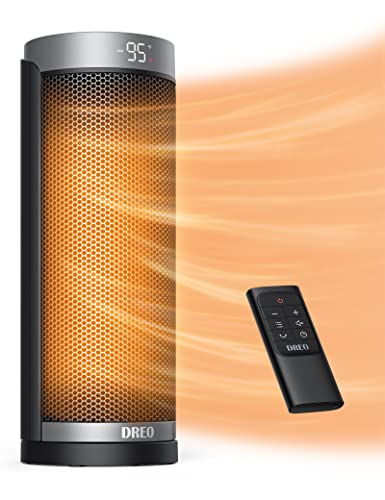
Cold floorboards and drafty corners often leave someone shivering under a blanket even with the central heat running. This tower design breaks that chill by pairing fast ceramic warmth with a steady side-to-side sweep, spreading gentle heat across the floor instead of scorching one tiny spot. The fan stays quiet, so warm air moves through the room without disturbing sleep or phone calls.
How quickly the room warms up still depends on a few specific conditions. It performs best in enclosed spaces up to 270 square feet, as thin window glass or open doorways can let the cozy air escape. It also requires a direct connection to a standard wall outlet rather than a shared extension cord to draw power safely. Understanding how this airflow pattern works helps you decide if it will truly solve your cold room troubles.
Fast Heat Delivery: How Ceramic Elements Warm Freezing Air in Seconds
Traditional space heaters often leave you shivering while you wait for them to warm up. Wire-coil heaters rely on thin metal filaments that glow bright orange, smelling like scorched dust while slowly radiating heat into a narrow zone. Oil-filled radiators provide steady, pleasant warmth, but their dense metal fins can take thirty to forty-five minutes before you notice any real difference in the room. When you step into a freezing bedroom or a drafty home office on a cold morning, waiting that long is frustrating.
The Dreo DR-HSH002 approaches heating differently by using fast-heating ceramic stone elements powered by 1500 watts. These specialized ceramic blocks have low electrical resistance when cool, which allows an immediate rush of electrical current to generate intense heat right away. As the ceramic material warms, its internal resistance naturally rises, stabilizing the temperature and preventing the element from burning out or wasting excess energy.
Heat generation is only half the battle; getting that heat into the room is what makes the real difference. This heater pairs its ceramic blocks with an angled fan system that pulls cooler air from behind the unit and drives it straight across the heated ceramic fins. Instead of letting warm air lazily rise toward the ceiling through natural convection, the internal blower propels a steady, concentrated wave of warm air forward into your living space within two seconds of pressing the power button.
Drawing 1500 watts on high heat uses roughly 12.5 amps on a standard 120-volt household circuit. In American homes, that is the maximum continuous electrical load permitted on a standard 15-amp residential circuit. By converting that full electrical capacity into instant thermal energy and pushing it forcefully into the room, the heater eliminates the long warm-up delays common with older designs. You can sit down at your desk and feel soothing warmth on your hands and feet before you even finish booting up your computer.
Room Coverage: Why 70-Degree Oscillation Eliminates Cold Spots
A common problem with budget space heaters is the hot-spot effect. You place the unit a few feet away, and your knees feel uncomfortably hot while your back stays chilly and the far corners of the bedroom remain freezing. If you move slightly out of the direct line of sight, the warmth disappears. That happens because stationary box heaters push air in one narrow direction, creating a concentrated pocket of heat while ignoring the rest of the room.
The Dreo DR-HSH002 fixes this uneven warmth by incorporating 70-degree side-to-side turning. As the tall tower rotates smoothly from side to side, it spreads a broad blanket of warm air across the entire width of your living area. Instead of baking one stationary spot on the carpet, the moving airflow continuously mixes the air in the room, creating an even temperature balance from wall to wall.
Understanding how cold air moves explains why this broad sweep is so effective. Chilly air is heavy and dense, so drafts naturally sink toward the floor and pool along baseboards, around exterior walls, and beneath window sills. Warm air is lighter, meaning it naturally floats straight toward the ceiling. A stationary heater simply sends a column of hot air upward, leaving your feet on a freezing floor while wasted heat sits near the ceiling. The 70-degree sweeping motion sweeps along the floor line, cutting directly through the pooling cold air and circulating warm air into every corner.
Strategic placement helps maximize this sweeping airflow. Position the tower along an interior wall and angle the oscillation toward your coldest exterior wall or drafty window. This setup allows the warm breeze to meet the incoming cold air head-on, neutralizing drafts before they spread across your living space. Always keep interior doors closed to stop warm air from escaping into unheated hallways. While heating an uninsulated, breezy space like an enclosed porch might call for an effective heater for an enclosed porch with higher air volume, standard bedrooms and offices respond quickly to this balanced side-to-side circulation.
Nighttime Comfort and Essential Safety Systems for Bedrooms
Running a space heater while you sleep often raises two concerns: disruptive noise that interrupts your rest, and fire safety in an unattended room. Many portable heaters produce an irritating, metallic rattle or a loud fan hum that wakes light sleepers whenever the heating elements kick on. The DR-HSH002 uses an aerodynamic fan wheel and smooth interior air channels to minimize air turbulence, producing a steady, whisper-quiet hum. This gentle background sound acts like mild white noise, keeping your bedroom warm without disturbing your sleep.
The built-in digital temperature sensor shutoff also prevents your bedroom from turning into an uncomfortably dry sauna. When you set your target temperature on the digital display, the heater monitors the ambient air drawn into the rear intake. Once the room reaches that exact temperature, the unit cuts power to the heating elements. When the room temperature dips a degree or two, it smoothly switches back on. This automatic cycling holds your set warmth steady all night long while keeping electric bills in check.
Because bedroom heating involves blankets, curtains, and sleeping occupants, reliable physical safeguards are critical. The heater holds an ETL electrical safety listing and uses a fire-resistant casing made from V-0 flame-retardant materials. If a curious pet or an accidental bump knocks the tower over, an internal tip-over safety switch cuts power instantly. Also, an automatic overheat sensor continuously monitors internal temperatures, shutting the heating elements down immediately if dust or clothing blocks the airflow grilles.
Follow this simple safety checklist to ensure trouble-free operation every night:
- Keep a 3-foot safety buffer: Maintain at least 36 inches of clear space between the heater and any combustible item, including bedding, drapes, rugs, and furniture.
- Set the unit on a flat, solid floor: Place the base firmly on level hardwood, tile, or firm carpet so the tip-over sensor stays level and stable.
- Plug directly into a dedicated wall outlet: Never plug a 1500-watt heater into an extension cord, power strip, or surge protector, which can overheat and melt.
- Keep the air grilles clean: Check the rear intake periodically and wipe away pet hair or dust that could restrict airflow.
- Feel the outlet faceplate: If the wall plug or wall plate feels uncomfortably hot to the touch after running, shut the unit off immediately, unplug it, and call a licensed electrician.
What to Look for in a Space Heater for Cold Rooms
Choosing the right space heater for a freezing room comes down to how well the unit distributes heat, not just its maximum wattage rating. Because standard household electrical circuits cap portable electric heaters at 1,500 watts, the difference between a weak heater and one that actually warms a cold room lies in the heating element design and the fan system.
For chilly bedrooms and drafty home offices, compact ceramic tower heaters provide the best combination of speed and coverage. Fast-heating ceramic elements deliver instant warmth, while a tall oscillating design sweeps heated air across the entire floor plan rather than trapping it near the ceiling. Look for models equipped with a digital thermostat so you can select an exact temperature instead of wrestling with a vague dial that keeps the room either boiling hot or freezing cold.
Before choosing a heater, consider your room dimensions and insulation levels:
- Sizing guidelines: Plan for roughly 10 watts of heating power per square foot of living area in a standard closed room. A 1,500-watt ceramic heater works best as a primary heat source for spaces up to 150 square feet, or as supplemental warmth in rooms up to 270 square feet.
- Ceiling height: Standard eight-foot ceilings hold warmth effectively, whereas rooms with two-story or cathedral ceilings require extra time for warm air to circulate down to seating level.
- Circuit capacity: Always verify that you have an open 120-volt wall outlet on a circuit that does not share heavy electrical loads with other heating appliances.
- Safety marks: Check the product label for recognized North American certifications like ETL or UL to confirm the unit meets strict electrical and fire safety standards.
If you are trying to heat a detached workshop or an uninsulated outbuilding where freezing concrete floors demand heavy-duty heating equipment, you might explore a steady electric heater for a garage with a thermostat. For indoor living spaces where quiet operation, even circulation, and dependable safety shutoffs matter most, an oscillating ceramic tower remains the most effective solution for stubborn cold rooms.

- BWP Score9.2
BWP Score is a ranking system developed by Bestwinterproducts.com. BWP score has no relationship or impact from any manufacturers or sales agent websites. Learn more
- BrandDREO
- BWP Score8.5
BWP Score is a ranking system developed by Bestwinterproducts.com. BWP score has no relationship or impact from any manufacturers or sales agent websites. Learn more
- BrandDREO

- BWP Score8.2
BWP Score is a ranking system developed by Bestwinterproducts.com. BWP score has no relationship or impact from any manufacturers or sales agent websites. Learn more
- BrandDREO
Last update on 2026-10-07 / Affiliate links / Images, Product Titles, and Product Highlights from Amazon Product Advertising API
FAQs
Can I safely leave a ceramic space heater running overnight while sleeping?
You can run a ceramic space heater overnight if it has built-in safety shutoffs and you place it properly. Maintain a clear 3-foot buffer around all sides, set the unit on a flat, level floor, and plug it directly into a standard wall outlet. Built-in tip-over switches and automatic overheat sensors ensure the heater cuts power immediately if it falls over or internal temperatures rise too high.
Why shouldn't I plug a 1500-watt space heater into an extension cord?
A 1500-watt heater draws roughly 12.5 amps of continuous electrical current, which pushes typical household extension cords and power strips past their safe limits. Undersized cords can quickly overheat, melting their plastic insulation and creating a severe electrical fire hazard. Always plug high-draw space heaters directly into a dedicated 120-volt wall receptacle.
How many square feet can a 1500-watt ceramic tower heater heat effectively?
In a standard home with eight-foot ceilings, a 1500-watt ceramic tower heater can heat a closed room up to 150 square feet as its primary heat source. It also provides reliable supplemental warmth in drafty rooms up to 270 square feet if interior doors remain closed. In larger open living areas, warm air disperses too quickly for a single portable heater to maintain a steady temperature.


Best Warm Winter Scarves 2026 For Cozy Comfort

Best Green Ski Goggles 2026 For Clear Vision On Slopes

12 Best Corner Electric Fireplace 2026: My Ultimate Guide To Pick One

Best Battery Powered Snow Blower 2026 For Effortless Snow Clearing

Best Ski Goggles Under 30 Inches For Crisp Vision And Comfort

Best Cooling Scarf 2026 For Instant Relief And Comfort

Fake Snow for Grass: Create a Realistic Winter Lawn Display

Dimplex Prism Wall Mount Fireplace: Sleek Heat With Modern Flame Style





