
Why SereneLife Infrared Patio Heaters Stand Out for Comfort?

A chilly evening on the back porch often turns sour the moment a noisy heater clicks on, smelling of gas and baking faces while feet stay cold. An electric infrared heater feels completely different because it warms bodies and clothing directly like soft sunshine instead of pushing hot air into the yard. There are no whirring fans, no unpleasant odors, and no harsh hot spots to dodge while talking over dinner.
How cozy it feels still depends on where it stands and how cool the night gets. Radiant warmth travels in a straight line, so sitting within its direct comfort zone keeps everyone warm even when a light breeze kicks up. Choosing between a mild setting and full power also helps balance the evening chill. Here is how that gentle heat works and how to set it up for a truly relaxing space.
How Sun-Like Radiant Rays Create Natural Warmth
Traditional outdoor heaters try to warm the air around you, which rarely works on a chilly evening. Hot air naturally expands and rises, so on an open deck or patio, that heated air floats upward before it ever reaches your legs or hands. You end up with a glowing metal reflector high above your head that bakes your scalp while your feet and knees stay freezing cold.
Infrared heaters work through radiant heat (gentle heat that warms people and furniture directly like sunlight). Instead of trying to warm millions of cubic feet of cold outdoor air, the heater sends out invisible energy waves. These waves travel through the air without losing thermal energy along the way. When they strike your body, your jacket, or the cushions of your patio chair, they turn directly into cozy warmth.
The feeling is like stepping from cold shade into bright afternoon sunshine. Even if the evening air is in the low fifties, your skin instantly feels warm and relaxed. SereneLife units use a carbon fiber heating element (a quick-heating glowing tube) that starts casting soothing warmth within seconds of pressing the power button. The tube emits a soft, warm amber glow that adds cozy ambiance to your deck without casting a harsh, blinding glare into your eyes.
This direct heat feels balanced and comfortable across your entire body. Because the radiant rays penetrate your clothes naturally, you never experience that scorching sensation common with open gas flames. It does not dry out your skin, irritate your eyes, or leave your throat feeling scratchy, giving you gentle warmth that lets you linger outside for hours.
Why Outdoor Breezes Cannot Blow Away Radiant Comfort
Wind is the single biggest problem with traditional outdoor heating. Gas patio heaters and electric fan heaters push out pockets of warm air, but a single evening breeze sweeps that warmth right off your deck. One minute you feel warm, and the next you are shivering as cold air rushes in to take its place.
Radiant heat solves this frustrating issue because it does not depend on warm air to keep you comfortable. Sunlight travels through the freezing vacuum of space to warm the earth without heating empty space, and infrared patio heaters work on that exact same principle. Their radiant waves travel directly through moving air currents without getting pushed around or diluted by drafts.
When a cold breeze sweeps across your patio, the radiant rays keep warming your clothing, skin, and chair continuously. The wind passes straight through the warmth zone, but your body stays comfortable because the heater keeps replenishing your warmth faster than the breeze can strip it away.
This steady heat makes a huge difference on exposed decks, open backyards, and breezy balconies. In semi-sheltered spaces like an enclosed porch, radiant warmth eliminates cold pockets completely. If you are heating partially open rooms, pairing radiant heat with a dedicated heater for enclosed porch spaces keeps drafty areas cozy all evening. You never have to huddle right against the heater or shift your chair whenever the wind changes direction.
Silent, Odorless Operation for Peaceful Outdoor Gatherings
Comfort is about more than just temperature; it is also about creating a quiet, relaxing environment. Propane heaters make a steady hissing sound as gas leaves the valve, which forces people to speak louder around a patio table. Fan heaters are even noisier, creating an annoying mechanical hum that ruins quiet evenings under the stars. SereneLife infrared heaters operate in complete silence. They have no fans, blowers, or moving motors inside. The glowing carbon fiber tube provides warmth without making a sound, leaving you to enjoy the night air, rustling leaves, and quiet conversations.
Gas heaters also create exhaust fumes, unburned fuel smells, and fine soot. Sitting downwind of a propane burner exposes you to fumes that can cause headaches, eye burn, and an unpleasant odor during dinner. In covered patios or under gazebos, those gas odors linger and feel stuffy. Soot can also settle onto patio furniture, leaving dark smudges on light-colored seat cushions over time.
Because electric infrared heaters run entirely on clean power, they are completely odorless. There are no heavy propane tanks to haul to the gas station, no combustion fumes, and no soot coating your furniture. You can sit close to the heater while dining or reading without breathing in chemical fumes.
Dialing In Your Comfort Zone: Placement and Safety Checks
To get the best comfort from an infrared heater, you need to set it up where its radiant rays reach you properly. Infrared heat does not fill an entire yard like a furnace. Instead, it creates a focused warmth zone covering roughly 15 to 25 square feet directly in front of the element.
Sitting 3 to 6 feet away from the unit gives you the most comfortable warmth. At this distance, the radiant beam spreads across your lap, chest, and feet without feeling too hot on bare skin. If you sit further away, the warmth thins out, while sitting closer than 3 feet can feel overly intense during extended dinners.
Built-in safety features also protect your peace of mind, especially when children or pets share the outdoor space. Freestanding models feature a 360-degree tip-over safety switch (an automatic safety shut-off if knocked over or tilted). If an energetic dog bumps the base or strong wind tilts the tower, power cuts out instantly. Weather resistance matters just as much outdoors. An IP65 rating means the aluminum alloy housing resists heavy rain and dust, while an IP24 rating protects against light water splashes on covered porches. Sturdy aluminum frames and stainless steel base covers prevent rust from forming after damp nights.
For electrical safety, standard electric patio heaters draw up to 1,500 watts (about 12.5 amps on a standard 120-volt household circuit). Always plug the heater directly into an outdoor GFCI wall outlet on a dedicated circuit. Avoid using extension cords, power strips, or surge protectors, which can overheat and create fire hazards under continuous heavy electrical draw. If you need steady warmth in a workshop or outbuilding rather than an open deck, choosing an electric heater for garage with thermostat controls provides a similar safe, reliable electrical setup.
Use this quick checklist to position your heater for maximum comfort and safety:
- Position for coverage: Keep the heater 3 to 6 feet from your chairs so the warmth zone covers you evenly.
- Maintain clearance: Keep blankets, pillows, and patio furniture at least 3 feet away from the heating grille.
- Check for level ground: Place standing heaters on flat deck boards or solid pavers to keep the tip-over switch steady.
- Plug in directly: Connect straight into a grounded outdoor wall outlet without using household extension cords.
- Adjust power settings: Use low power on mild evenings to save electricity, and switch to high power when temperatures drop.
Choosing the Right Patio Heater Setup for Your Space
Choosing the right patio heater style depends on your deck layout and how you like to spend time outdoors. Freestanding towers and wall-mounted panels both deliver radiant warmth, but they suit different outdoor spaces.
Freestanding tower heaters give you great flexibility for backyard living. They have sturdy weighted bases and can be moved wherever people sit, whether you are dining at a table, chatting around a fire pit, or relaxing on an outdoor sofa. When shopping for a standing model, look for corrosion-resistant aluminum or stainless steel frames that withstand outdoor dampness, along with a wide base that resists tipping in sudden breezes.
Wall-mounted or ceiling-mounted heaters work best for smaller decks, narrow balconies, or covered gazebos where floor space is tight. Mounting the unit overhead keeps walkways clear, avoids tripping hazards, and allows the warmth to spread down evenly like sunshine. It also keeps electrical cords neatly mounted out of reach of children and pets.
Before choosing a model, check its power settings and weather rating. Models offering multiple power levels, such as 900 watts for mild spring nights and 1500 watts for cold autumn evenings, let you dial in the right comfort without wasting electricity. A handheld remote control makes it easy to change heat levels without leaving your seat. Finally, verify the water protection rating on the product label so you know it can handle your local rain and weather conditions safely.
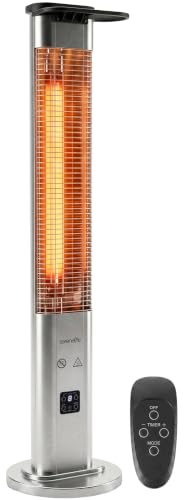
- BWP Score8.5
BWP Score is a ranking system developed by Bestwinterproducts.com. BWP score has no relationship or impact from any manufacturers or sales agent websites. Learn more
- BrandSereneLife

- BWP Score8.4
BWP Score is a ranking system developed by Bestwinterproducts.com. BWP score has no relationship or impact from any manufacturers or sales agent websites. Learn more
- BrandSereneLife
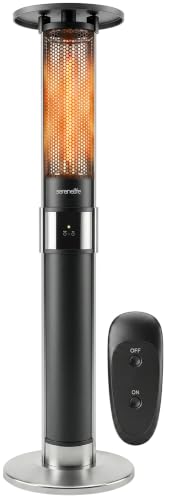
- BWP Score8.3
BWP Score is a ranking system developed by Bestwinterproducts.com. BWP score has no relationship or impact from any manufacturers or sales agent websites. Learn more
- BrandSereneLife
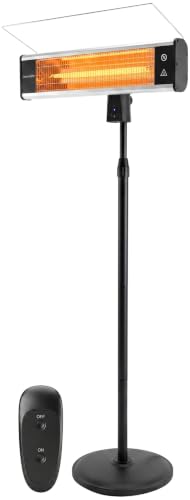
- BWP Score8.2
BWP Score is a ranking system developed by Bestwinterproducts.com. BWP score has no relationship or impact from any manufacturers or sales agent websites. Learn more
- BrandSereneLife

- BWP Score8.1
BWP Score is a ranking system developed by Bestwinterproducts.com. BWP score has no relationship or impact from any manufacturers or sales agent websites. Learn more
- BrandSereneLife

- BWP Score7.9
BWP Score is a ranking system developed by Bestwinterproducts.com. BWP score has no relationship or impact from any manufacturers or sales agent websites. Learn more
- BrandSereneLife

- BWP Score7.1
BWP Score is a ranking system developed by Bestwinterproducts.com. BWP score has no relationship or impact from any manufacturers or sales agent websites. Learn more
- BrandSereneLife
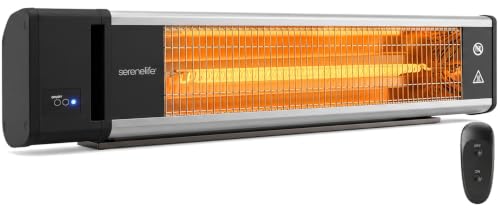
- BWP Score7.1
BWP Score is a ranking system developed by Bestwinterproducts.com. BWP score has no relationship or impact from any manufacturers or sales agent websites. Learn more
- BrandSereneLife
Last update on 2026-10-08 / Affiliate links / Images, Product Titles, and Product Highlights from Amazon Product Advertising API
FAQs
Will an infrared patio heater keep my whole patio warm?
No, an infrared heater does not warm the air across an entire patio. It creates a targeted warmth zone covering roughly 15 to 25 square feet directly in front of the heating element. People sitting inside this beam feel steady warmth on their clothes and skin, while empty spaces outside the zone stay at normal outdoor temperatures.
Can I leave an electric infrared heater outside in the rain?
Heaters with an IP65 rating can safely stay outdoors in rain because their housing protects internal parts from dust and water jets. Units with lower ratings, such as IP24, only resist light water splashes and belong under covered porches or awnings. Always check the weather rating on the product label and keep electrical plugs dry and covered.
Can I plug an outdoor electric heater into an extension cord?
Always plug your heater directly into a grounded outdoor wall outlet. Because 1,500-watt heaters draw around 12.5 amps, standard extension cords can easily overheat, melt, and start electrical fires. If you have any doubts about your outdoor outlets or need a new receptacle installed, ask a licensed electrician to inspect your setup.


Best Warm Winter Scarves 2026 For Cozy Comfort

Best Green Ski Goggles 2026 For Clear Vision On Slopes

12 Best Corner Electric Fireplace 2026: My Ultimate Guide To Pick One

Best Battery Powered Snow Blower 2026 For Effortless Snow Clearing

Best Ski Goggles Under 30 Inches For Crisp Vision And Comfort

Best Cooling Scarf 2026 For Instant Relief And Comfort

Fake Snow for Grass: Create a Realistic Winter Lawn Display

Dimplex Prism Wall Mount Fireplace: Sleek Heat With Modern Flame Style





