
Why Wood Pellet Patio Heaters Outshine Gas and Electric

Wood pellet patio heaters beat propane and electric models because they throw intense radiant warmth that cuts right through cold outdoor air without blowing away. That superior heat holds true as long as the unit is built for heavy heating rather than just displaying a decorative flame inside a glass tube. While standard propane units warm rising air that quickly drifts into the night, packed wood pellets burn hot to cast steady, sun-like warmth straight outward at sitting height.
Choosing one still comes down to your patio setup and your routine. Pellets require a dry storage spot to stay crisp, and starting the flame requires manual lighting rather than turning a gas knob. You also need to empty a small ash drawer after a long evening. Here is how these self-feeding pellet stoves work, why they burn clean without thick smoke, and whether the trade-off fits your outdoor space.
Why Pellet Chimneys Warm Better Than Propane Mushrooms
Standard gas patio heaters often leave you feeling frustrated on chilly evenings. Most backyard setups use tall propane heaters with a dome on top, commonly called mushroom heaters. Propane flames burn hot at the very top of the pole, where a thin metal saucer tries to bounce that warmth downward. Hot air naturally rises, so as soon as that heat leaves the reflector, the cold night air carries it straight up into the open sky. You end up with a hot head and frozen feet while shivering through dinner.
Wood pellet heaters solve this problem by changing where and how heat leaves the unit. These heaters burn dense, compressed wood pellets inside a narrow fire chamber at the base of a tall metal chimney or glass tube. As the fire burns, it heats the entire vertical column from top to bottom. Instead of blasting hot air into the clouds, the entire body radiates heat outward across your seating area.
This style of heating relies on radiant heat, which is direct warmth that travels in invisible waves to heat people and patio furniture directly, very much like stepping into natural sunlight on a crisp morning. It does not waste energy trying to warm the freezing air around you. Because the heating surface runs from waist height up past your shoulders, it covers your whole body while you sit around a patio table. Heavy-duty pellet models can produce up to 70,000 BTU (British Thermal Units, the standard measure of heat output), which delivers roughly double the usable radiant warmth of common backyard gas stands.
Head-to-Head: Wood Pellets Versus Propane and Electric Heaters
Choosing an outdoor heater usually comes down to three power sources: wood pellets, bottled propane, or plug-in electricity. Each option has a distinct way of dealing with outdoor cold, fuel costs, and patio drafts.
Propane heaters offer quick ignition with the turn of a dial, but they struggle in real-world weather. On breezy nights, even a gentle 10-mile-per-hour wind sweeps the warm convective air dome right out from under the reflector. Propane tanks also lose internal pressure when outdoor temperatures drop near freezing, which weakens the flame just when you need warmth the most. Beyond that, running a gas heater gets expensive. A standard 20-pound propane cylinder lasts roughly eight to ten hours on high, meaning regular trips to the gas station to swap costly tanks.
Electric patio heaters run cleanly and quietly, but outdoor spaces rarely provide the electrical power needed to fight off serious winter chills. Standard household outlets in the United States deliver 120 volts and limit portable appliances to 1,500 watts (about 12.5 amps) to prevent tripping circuit breakers. That 1,500-watt ceiling produces around 5,100 BTU of warmth. That level of output works well for a sheltered chair on a covered porch, but it quickly gets overwhelmed in an open yard. Thick extension cords snaking across a damp deck also create tripping hazards and moisture risks. If you want steady warmth inside a closed sunroom or screened deck, finding the best heater for an enclosed porch is a much safer route, since open-flame heaters belong strictly outdoors.
Wood pellet heaters outperform both alternatives when you need serious heating power in the open air. A 20-pound bag of hardwood pellets costs only a fraction of a propane tank refill and delivers hours of steady, high-output fire. Because the flame burns inside a sealed vertical combustion channel, passing breezes cannot blow it out or rob your patio of its heat blanket. A brisk breeze actually strengthens the upward chimney draft, keeping the radiant surface intensely hot.
The Smoke Question: Why Pellets Burn Cleaner Than Firewood
Many homeowners avoid wood-burning patio equipment because they dislike smoke stinging their eyes and clinging to their clothes. A traditional wood fire pit smokes heavily because cordwood logs contain moisture, sap, and bark. As a standard campfire burns, water trapped inside the wood boils off, lowering the firebox temperature and preventing complete combustion. That incomplete burn releases thick clouds of soot, creosote, and eye-watering smoke.
Wood pellets eliminate this issue through modern manufacturing. Pellets are made from dry, pure sawdust compressed under thousands of pounds of pressure. The natural lignins in the wood bind the tiny fibers into tight, uniform cylinders without artificial glues. Because pellets contain almost no moisture, they burn far hotter and more completely than regular split logs.
Quality pellet patio heaters also rely on secondary combustion, a clean-burn process where fresh air feeds back into the flame to burn off smoke particles before they exit the chimney. Cool air enters through bottom vents to feed the initial bed of coals. As the heat climbs, preheated air gets drawn into the upper portion of the fire chamber, igniting the unburned wood gases. You will notice a small stream of white smoke during the first five to ten minutes while the metal firebox warms up. Once the chimney reaches operating temperature, visible smoke disappears completely, leaving behind a clear heat shimmer and a gentle, woodsy scent.
Step-by-Step: How to Light and Run a Gravity-Fed Pellet Heater
Pellet patio heaters deliver continuous fire without using electrical cords, blowers, or motorized augers. They rely on an angled hopper (a pellet storage box) and a gravity-fed slide (a self-dropping fuel chute) to feed the fire on its own. Following these operating steps ensures a quick startup, clean combustion, and safe shutdown every time you gather outside.
- Check the burn pot and slide the ash drawer clear. Clearing out leftover gray ash from previous burns allows fresh combustion air to flow freely up through the bottom grate to feed the new fire.
- Inspect the fuel chute for any blockages or damp sawdust. Ensuring the metal drop channel is clean and dry prevents pellets from sticking or jamming before they reach the flames.
- Fill the storage hopper with clean, dry hardwood pellets. Loading dense pellets up to the hopper rim gives you hours of continuous burn time without needing to open the lid again mid-evening.
- Prime the bottom burn grate with a small handful of pellets. Placing a starter cup of pellets directly inside the combustion chamber creates an instant bed of fuel for the fire starter to catch.
- Apply fire starter gel or place a natural fire starter cube on the pellets. Using dedicated fire gel or wood-wax cubes provides steady initial heat without the harsh chemical odors or flare-up risks of lighter fluid.
- Light the fire starter with a long lighter and latch the firebox door securely. Sealing the heavy access door forces incoming air through the engineered draft vents, which pulls the flame upward and rapidly starts the secondary burn.
- Let the natural chimney draft draw fresh pellets down automatically. As bottom pellets burn down into fine ash and drop through the grate, gravity pulls fresh pellets down the angled chute to keep the flame steady without any manual poking.
- Shut down the heater by closing the hopper fuel shutoff gate. Sliding the metal cut-off plate shut stops new pellets from dropping, allowing the remaining handful in the burn pot to burn out safely within twenty to thirty minutes.
Upkeep, Ash Handling, and Safe Patio Clearances
While a pellet heater avoids the hassle of refilling propane cylinders or running electrical cords, it does require routine hands-on maintenance to run safely. Keeping up with a few basic chores protects your investment and keeps the flame burning bright.
- Empty the ash pan after every one or two gatherings: Compressed hardwood pellets leave behind very little waste, often just a cup of ash for an entire evening of heat. Slide the ash pan out once the heater is completely cold and dump the contents into a metal container with a tight lid. Never place warm ashes into plastic trash cans or paper bags.
- Wipe the viewing glass with a damp ash cloth: Over several burns, a fine film of carbon can settle against the inside of glass flame tubes or viewing windows. Once the glass cools completely, dip a damp paper towel into clean, fine wood ash from the burn pot and rub it across the glass. The mild grit cuts soot quickly without scratching, leaving the surface crystal clear.
- Store pellet bags in a dry, sealed plastic tote: Wood pellets behave like sponges when exposed to moisture. If high humidity or rain penetrates the bag, the pellets absorb the water, swell to three times their normal size, and crumble into soggy sawdust. Wet pellets will instantly jam a gravity hopper and choke out the fire. Keep bags off damp concrete floors and store them in an airtight plastic storage bin.
- Maintain a strict 3-foot safety buffer: Radiant pellet heaters produce intense heat along their sides and top. Keep all patio furniture, outdoor rugs, canvas chairs, and pets at least 3 feet (36 inches) away from the heater body. Never place a pellet heater under low eaves, canvas awnings, or patio umbrellas.
- Operate only in open-air spaces: Pellet heaters burn real solid fuel and exhaust carbon monoxide, which is a colorless, odorless gas. They belong strictly outdoors in well-ventilated backyards and open patios. Never use them inside enclosed garages, basements, or covered entryways. If you need steady warmth inside an outbuilding or workshop, install an electric heater for a garage with thermostat that is listed for indoor spaces.
Choosing the Right Pellet Heater for Your Outdoor Space
When selecting a pellet heater for your home, decide first whether your primary goal is broad warmth or decorative atmosphere. Different models focus on different patio needs, so checking the physical design before buying ensures the heater fits your routine.
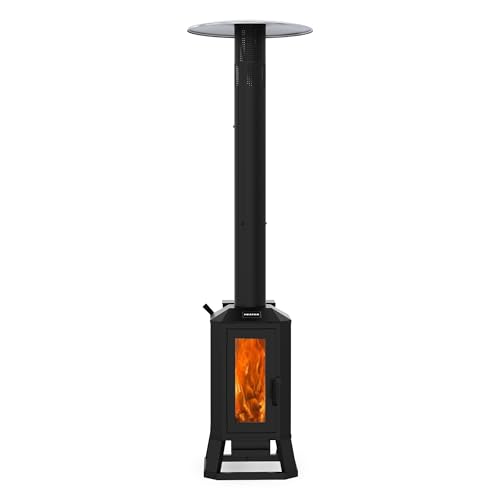
If you want to heat a broad seating area on cold fall or winter nights, look for a heavy-duty heating stove. These units feature large combustion chambers, heavy steel radiating bodies, and hoppers that hold 15 to 20 pounds of fuel. Their broad footprints and higher heat ratings push warm radiant waves across outdoor living spaces, keeping multiple guests warm even when temperatures drop sharply. Because these steel heaters can weigh 40 to 50 pounds, check for sturdy, lockable caster wheels and built-in carry handles so you can roll the unit into storage when not in use.
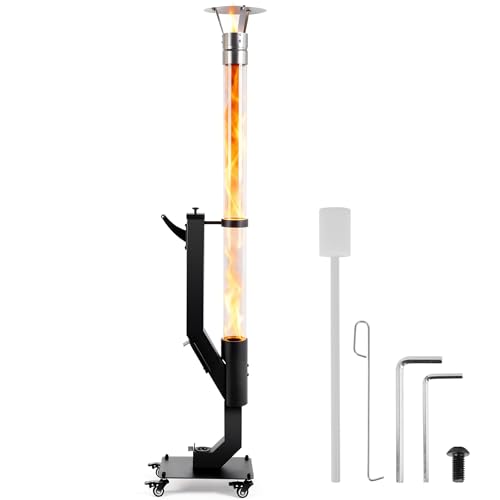
If your goal is visual ambiance on mild evenings, consider a slim flame torch. These models feature tall, heat-resistant glass tubes that display long spiral flames. They hold smaller fuel loads, often around 2 to 3 pounds of pellets, which burns for roughly an hour. While they provide comfortable personal warmth for people sitting nearby, their primary appeal is the dancing vertical fire. Look for models with solid, weighted bases to prevent tipping on uneven patio stones, along with stainless steel rain caps on top to prevent rust from outdoor moisture.

- BWP Score9.2
BWP Score is a ranking system developed by Bestwinterproducts.com. BWP score has no relationship or impact from any manufacturers or sales agent websites. Learn more
- BrandCOWVIE
- BWP Score7.9
BWP Score is a ranking system developed by Bestwinterproducts.com. BWP score has no relationship or impact from any manufacturers or sales agent websites. Learn more
- BrandHEATAK

- BWP Score7.8
BWP Score is a ranking system developed by Bestwinterproducts.com. BWP score has no relationship or impact from any manufacturers or sales agent websites. Learn more
- BrandYTGLEN
- BWP Score7.7
BWP Score is a ranking system developed by Bestwinterproducts.com. BWP score has no relationship or impact from any manufacturers or sales agent websites. Learn more
- BrandJIAYAN

- BWP Score7.5
BWP Score is a ranking system developed by Bestwinterproducts.com. BWP score has no relationship or impact from any manufacturers or sales agent websites. Learn more
- BrandNUUK

- BWP Score7.4
BWP Score is a ranking system developed by Bestwinterproducts.com. BWP score has no relationship or impact from any manufacturers or sales agent websites. Learn more
- BrandRayzi
Last update on 2026-10-08 / Affiliate links / Images, Product Titles, and Product Highlights from Amazon Product Advertising API
FAQs
How long does a full hopper of wood pellets burn in an outdoor heater?
Burn time depends on the size of the hopper and the air draft setting. Large heaters with a 20-pound hopper generally burn for three to five hours without needing a refill, which easily covers a standard evening gathering. Smaller decorative flame torches with compact fuel cups hold around two pounds of pellets and run for roughly 45 to 60 minutes before burning out.
Can you use barbecue cooking pellets in a patio heater?
Yes, standard food-grade barbecue pellets work fine in a patio heater, but they are unnecessary and expensive. Cooking pellets are made from specific flavor hardwoods like hickory or applewood, which cost considerably more per bag. Standard heating-grade hardwood pellets sold at hardware stores burn just as cleanly and produce the exact same high heat for a much lower price.
Can you use a wood pellet patio heater on a wooden deck?
Yes, you can operate a pellet patio heater on a wooden or composite deck, provided the heater features a solid, raised base and an enclosed ash collection pan. Most of the heat radiates outward and upward rather than downward toward the floor. To stay completely safe from stray embers when opening the firebox door, place a non-combustible grill mat or fire-resistant ember pad underneath the heater.
What should you do if the pellet slide jams during operation?
If fuel stops dropping into the firebox, slide the hopper shutoff gate closed immediately and open the access hatch to inspect the chute. Use a long, stiff metal rod to gently poke and loosen any caught pellets, keeping your face back from the opening. Pellets usually jam because moisture made them swell, so always empty any leftover fuel if the heater sits outside in damp weather for several days.


Best Warm Winter Scarves 2026 For Cozy Comfort

Best Green Ski Goggles 2026 For Clear Vision On Slopes

12 Best Corner Electric Fireplace 2026: My Ultimate Guide To Pick One

Best Battery Powered Snow Blower 2026 For Effortless Snow Clearing

Best Ski Goggles Under 30 Inches For Crisp Vision And Comfort

Best Cooling Scarf 2026 For Instant Relief And Comfort

Fake Snow for Grass: Create a Realistic Winter Lawn Display

Dimplex Prism Wall Mount Fireplace: Sleek Heat With Modern Flame Style





