
Why a 1500W Space Heater with Humidifier Stands Out

Waking up with a scratchy throat during cold weather is nothing to worry about, as electric heat naturally saps moisture from indoor air. A dual-action heater solves this nuisance because it can blend soothing mist into the warm airflow right at the source. Putting both jobs into a single unit stops dry winter air in its tracks without overloading your wall outlets with two separate appliances.
How well this setup works for your room depends on a few practical details. Water reservoir size decides whether the soothing vapor lasts all night or empties after dinner. Because built-in tanks are compact, these units also shine brightest in closed bedrooms and home offices rather than sprawling open spaces. Safe clearance and a dedicated wall outlet matter just as much. Here is how these combination heaters operate and how to tell if one fits your space.
Why does electric heat make your room feel so dry?
Electric space heaters do not actually remove water from your room, but they change how the air holds it. When cold winter air enters your home, it already carries very little water vapor. As a heater warms that air up, the air expands and can hold much more moisture than before. Because no extra water has been added, the relative humidity drops sharply. This leaves the room feeling like a desert within an hour of turning on the heat.
That sudden drop in humidity causes moisture to evaporate quickly from your body. You might notice your lips chapping, your throat feeling scratchy, and your eyes stinging after sitting near a running heater. Dry air also dries out the mucus membranes in your nose, which makes you more vulnerable to winter colds and frequent morning nosebleeds. When you sleep in a room with hot, dry air blowing across the bed, you often wake up thirsty and congested.
Standard space heaters speed up this problem because they blow concentrated, hot air directly across a small zone. A ceramic heating element that warms up in seconds pushes out steady warmth, but that warmth immediately drinks up moisture from your skin, your wood furniture, and even your house plants. Placing a simple bowl of water on the floor rarely evaporates fast enough to fix the issue. You end up stuck choosing between shivering in cold air or enduring irritated sinuses in a warm room.
How can one device safely heat and mist at once?
Putting water and 1500 watts of electrical power in the same plastic cabinet sounds like a recipe for disaster. Combo appliances stay safe by keeping the liquid reservoir completely isolated from the electrical components. The water sits in a separate, sealed tank that feeds into an ultrasonic atomizer. This small part uses ultrasonic mist, which is cool water vapor made by fast vibrations, rather than boiling the water with a heating element. Because the mist is cold when produced, the water tank never builds up steam pressure or leaks boiling water.
The unit blends the mist into the warm air just as it leaves the machine. Inside the tower, an internal fan pulls cool room air past the electrical parts and pushes it across the ceramic heat element. Right at the front grille, a dedicated mist channel releases the fine water vapor directly into the rushing warm airflow. The warm air quickly absorbs the tiny water droplets and carries them into the living space, spreading balanced warmth across the entire room instead of dumping damp mist onto your carpet.
Modern combo units also rely on built-in safety controls to protect your home. An automatic overheat sensor shuts the unit off if internal parts get dangerously hot, preventing the heating chamber from scorching the casing. At the bottom of the base, a tip-over safety switch cuts power instantly if the unit is knocked over or tilted by a running pet. If the water tank runs dry while the heat is running, the misting pump shuts off on its own so the motor does not burn out, while the heater continues running normally.
How often will you need to refill the water tank?
Built-in water reservoirs in combo heaters are designed to be compact, so they require more frequent refills than giant, standalone humidifiers. Most combo units hold between one and two pints of water to keep the footprint small and easy to carry. On continuous mist modes, a full tank typically lasts between 4 and 8 hours. If you run the mister on an intermittent interval setting, a single fill can stretch across an entire workday or a full night of sleep.
Managing the water tank takes only a few simple habits to keep your room comfortable without constant trips to the bathroom sink:
- Fill the tank right before bed: Top off the reservoir just before you turn out the lights so the mist does not run dry in the middle of the night.
- Keep a dedicated water pitcher nearby: Using a small pour pitcher allows you to refill the tank at your desk or bedside table without unplugging the heater or carrying a dripping container across the room.
- Use distilled or filtered water: Tap water contains minerals that create a fine white dust and build up crust inside the ultrasonic vibration plate. Distilled water keeps the mist clean and stops clogs.
- Rinse the reservoir once a week: Empty any leftover standing water, wipe the tank dry, and rinse the mist nozzle to prevent mold growth and musty winter odors.
Will running heat and mist trip your circuit breaker?
A 1500-watt electric heater draws about 12.5 amps of electricity when running on its highest setting on a standard 120-volt household circuit. Most residential bedrooms and home offices are wired with 15-amp circuit breakers. The ultrasonic mist generator and the small internal fan draw very little power, usually between 10 and 25 watts combined. That means turning on the humidifier function adds almost nothing to your electric load and will not trip the breaker on its own.
The real risk of an electrical overload, which happens when you draw more electric current than a wall circuit allows, comes from other devices sharing the same circuit. If your heater is drawing 12.5 amps and you turn on a vacuum cleaner, a laser printer, or a high-powered desktop computer on the same breaker line, the circuit will snap off. Running two separate appliances, such as a traditional 1500W space heater and a standalone warm-mist humidifier, on the same bedroom circuit almost always guarantees an overloaded breaker.
Follow these practical safety steps to run your combo unit without electrical headaches:
- Plug directly into the wall: Never plug a 1500W appliance into a power strip, extension cord, or surge protector. These accessory cords can overheat quickly, melt their plastic casing, and cause a serious fire hazard.
- Use a dedicated wall receptacle: Make sure the heater is the only major appliance running on that wall outlet. If the faceplate feels warm to the touch after 20 minutes of use, unplug the heater immediately and have an electrician inspect the wiring.
- Keep the 3-foot safety buffer: Position the unit at least 3 feet away from bedding, drapes, blankets, and stacks of paper so nothing blocks airflow or catches fire from the front grille.
- Switch to a lower heat setting if needed: If you must run other electronics in the same room, switch the heater down to a low or medium setting (often 750W to 1000W). Managing power draw carefully is just as vital here as it is when selecting an appliance to warm a mobile home, where electrical circuits must never be pushed past their limits.
Is a combo better than two separate appliances?
For small rooms, bedrooms, and home offices, a dual-action unit offers distinct advantages over cluttering your floor with two separate machines. Placing both a standalone heater and a separate humidifier in a small office leaves power cords running across walking paths. A combo unit cuts the equipment footprint in half and uses a single wall plug. It also solves the problem of cold mist settling onto the carpet. Standalone humidifiers often drop heavy moisture directly onto floorboards, whereas a combo unit uses its heated fan to float moisture across the entire living area.
However, combo units are not the right match for every space. If you need to manage humidity across a large living room, the small tank on a combo unit will run out of water far too fast. Large rooms require a dedicated multi-gallon humidifier that can run for 24 hours straight without attention. Similarly, if you are searching for powerful heating equipment to warm drafty spaces like sunrooms or three-season porches, a delicate mister will struggle against the constant cold air exchange. For uninsulated workshops and outbuildings, choosing an electric heater for a garage with a thermostat provides the rugged durability and high-volume heat you need without the maintenance of a water tank.
What should you look for before choosing one?
When selecting a dual-action heater for your personal space, focus on features that make daily operation clean, quiet, and safe. Look for a ceramic heating element that warms up rapidly and pairs with an internal fan that moves air smoothly without loud buzzing. An adjustable digital temperature dial that clicks on and off to hold your set warmth will keep the room comfortable while preventing the unit from running full-blast all day long.
Pay close attention to how the water tank detaches. You want a reservoir with a wide opening that is simple to carry to the sink and easy to wipe down with a cloth. Units featuring wide oscillation, typically around 70 degrees, do a far better job of spreading moisture and heat evenly than stationary boxes that blow hot air into a single corner. Finally, confirm that the unit displays a recognized US safety listing mark, such as UL or ETL, on its manufacturer label, ensuring the internal electrical parts and water systems meet strict fire and shock prevention standards.

- BWP Score9.6
BWP Score is a ranking system developed by Bestwinterproducts.com. BWP score has no relationship or impact from any manufacturers or sales agent websites. Learn more
- BrandStaholz
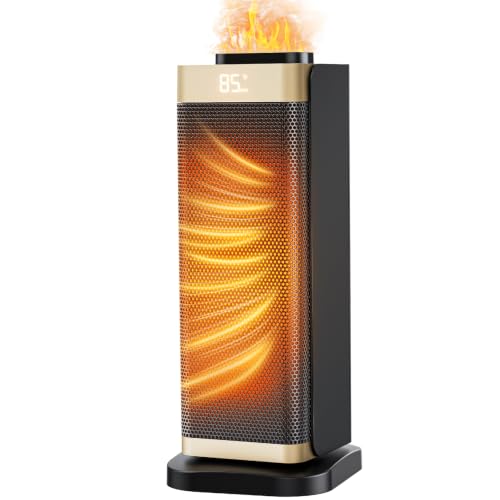
- BWP Score8.6
BWP Score is a ranking system developed by Bestwinterproducts.com. BWP score has no relationship or impact from any manufacturers or sales agent websites. Learn more
- BrandStaholz

- BWP Score9.0
BWP Score is a ranking system developed by Bestwinterproducts.com. BWP score has no relationship or impact from any manufacturers or sales agent websites. Learn more
- BrandDR. INFRARED HEATER

- BWP Score7.4
BWP Score is a ranking system developed by Bestwinterproducts.com. BWP score has no relationship or impact from any manufacturers or sales agent websites. Learn more
- Brandfamilyjoy
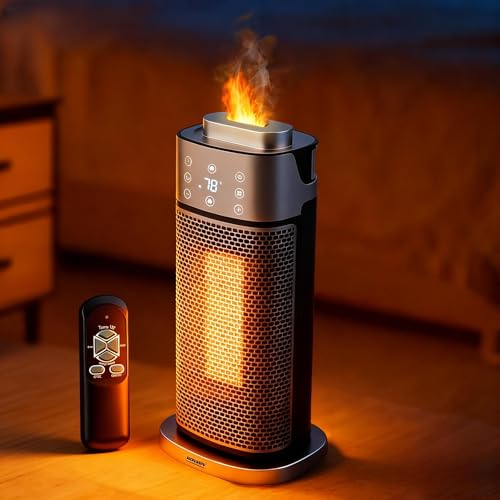
- BWP Score7.2
BWP Score is a ranking system developed by Bestwinterproducts.com. BWP score has no relationship or impact from any manufacturers or sales agent websites. Learn more
- BrandROVSUN
- BWP Score7.8
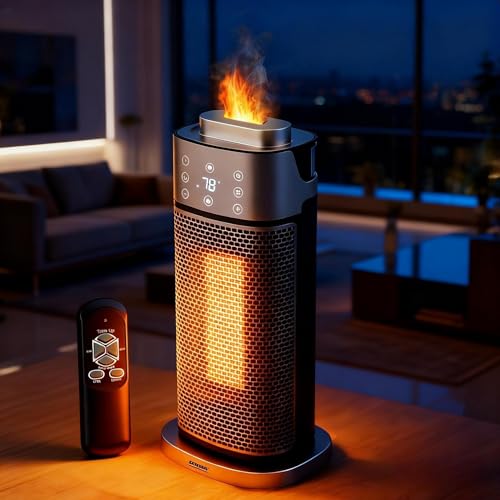
BWP Score is a ranking system developed by Bestwinterproducts.com. BWP score has no relationship or impact from any manufacturers or sales agent websites. Learn more
- BrandROVSUN
Last update on 2026-10-07 / Affiliate links / Images, Product Titles, and Product Highlights from Amazon Product Advertising API
FAQs
Can you run the heater without turning on the humidifier?
Yes, all quality combo heaters allow you to operate the heating elements and the misting function independently. You can run the heat alone on mild days when indoor moisture is normal, or run only the fan and humidifier during warmer months to add cool moisture to dry air. Independent buttons on the control panel let you choose your exact combination.
What kind of water should you put in the tank?
Distilled or demineralized water is the best choice for any heater with an ultrasonic mist maker. Tap water contains dissolved minerals like calcium and magnesium, which get blasted into the air as a fine white powder and crust over the internal vibration plate. If you must use tap water, empty and scrub the tank every few days to keep mineral scale from clogging the mist nozzle.
Can this combo heater warm an entire home?
No, a portable 1500-watt heater is designed strictly for supplemental single-room or personal zone heating. As a general rule in standard homes, you need roughly 10 watts of heating power per square foot of living space. A 1500W heater warms a closed bedroom or home office up to roughly 150 square feet, but it cannot replace a whole-house central heating system.
Where is the safest place to set the unit?
Place the heater on a flat, hard, and level floor surface away from heavy foot traffic. Never place the unit on thick carpet, soft rugs, beds, or furniture, as soft materials can block bottom intake vents and disable the tip-over switch. Always maintain at least 3 feet of open space around all sides of the heater, keeping it well clear of curtains, bedding, and walls.


Best Warm Winter Scarves 2026 For Cozy Comfort

Best Green Ski Goggles 2026 For Clear Vision On Slopes

12 Best Corner Electric Fireplace 2026: My Ultimate Guide To Pick One

Best Battery Powered Snow Blower 2026 For Effortless Snow Clearing

Best Ski Goggles Under 30 Inches For Crisp Vision And Comfort

Best Cooling Scarf 2026 For Instant Relief And Comfort

Fake Snow for Grass: Create a Realistic Winter Lawn Display

Dimplex Prism Wall Mount Fireplace: Sleek Heat With Modern Flame Style





