
Why a 42-Inch Electric Patio Heater Stands Out for Seating

A brisk evening breeze cuts across the patio, leaving someone shivering beneath a tall mushroom heater while their scalp bakes and their legs stay cold. A 42-inch electric tower solves this mismatch because its vertical heating tube aligns directly with seated body height, delivering steady heat from shins to chest. Instead of pumping hot air upward, it projects sun-like warmth that heats your body directly without blowing away in the wind.
Getting that cozy result depends on your patio setup. These towers work best placed three to six feet from your chairs, making them far better for quiet sitting areas than for crowded standing parties. They also require a standard outdoor outlet on an electrical circuit that can handle the steady draw without tripping a breaker. Here is a closer look at why this lower profile works so well and what to check before setting one up.
The Seated Height Advantage: Warming Head to Toe
Most backyard heaters stand seven or eight feet tall. Those tall umbrella units look impressive on a restaurant patio, but they create a frustrating problem in a regular backyard seating area. When you sit down in a deep patio chair or outdoor couch, your body rests between two and four feet off the deck floor. A tall mushroom heater keeps its heat source high in the air. Because hot air rises, almost all that warmth drifts up into the night sky, leaving your head warm while your knees, shins, and feet stay cold.
A 42-inch electric tower changes the geometry of your patio setup. At roughly three and a half feet tall, the heater stands at the exact level of a seated person. The heating element (the glowing internal tube that creates heat) extends down through the middle of the frame, covering most of the vertical body of the tower. That means the warmth releases directly parallel to your legs, lap, and chest rather than showering down from above your head.
This vertical alignment warms you evenly from head to toe. When you sit three to five feet away, the radiant beam covers your entire body. You do not have to hunch forward over a low fire pit or lean back to catch a fading wave of heat from an overhead reflector. It turns a standard outdoor conversation set or dining table into a pocket of steady warmth where your lower body stays just as comfortable as your shoulders.
The compact vertical footprint also fits tight spaces where a giant dome heater cannot go. Tall propane heaters require high overhead clearance to prevent scorching ceilings, patio umbrellas, or pergola beams. A 42-inch electric unit sits neatly beside a loveseat, tucks into a corner by a privacy screen, or rests between two lounge chairs without crowding your space or threatening low-hanging eaves.
Carbon Infrared Heat: Warming People Instead of the Breeze
Outdoor heating fails most often because of moving air. Standard outdoor fan heaters work by warming the air itself and pushing it across the patio. The moment an autumn breeze kicks up, all that warmed air blows straight into your yard, leaving you shivering. Burning open flames can also flicker and blow around in the wind, losing their effective heat zone with every gust.
A 42-inch electric tower avoids this problem by using carbon infrared (sun-like warmth that heats objects directly without warming the air). When you step into the sun on a brisk spring morning, your skin and clothes feel instantly warm even if the air thermometer reads low. Carbon infrared works the exact same way. The carbon heating element produces invisible waves of energy that travel straight through the chilly outdoor air until they strike your clothes, skin, chair cushions, and tabletop.
Because the rays warm you directly, a passing draft does not strip your heat away. The air temperature on your patio might stay cool, but your body stays comfortable because your clothing and skin absorb the radiant energy continuously. This makes electric infrared the most efficient heating style for open patios, open decks, and breezy balconies. You can find similar radiant benefits when choosing a heater for an enclosed porch where drafts easily leak through screens and loose frames.
Carbon infrared tubes also warm up immediately. Traditional gas burners require several minutes to warm their metal reflector shields before you feel any real heat. An electric carbon tube produces full radiant heat within seconds of pressing the power button. There is no waiting for the unit to build up steam, so you get fast comfort the moment you sit down outside.
Outdoor Safety and Weather Protection
Any appliance used outdoors must handle damp weather, active pets, and shifting patio furniture. A 42-inch electric tower stands out because its low height gives it natural physical stability. A tall, seven-foot heater acts like a sail in heavy wind, making it prone to tipping over unless you weigh the base down with heavy sand or water. A 42-inch tower carries its weight much closer to the ground, so typical backyard gusts will not knock it off balance.
Built-in electronic safeguards provide a second layer of defense. A modern tower includes a tip-over safety switch that cuts power instantly if the unit is knocked over or tilted. If a running dog bumps the tower or a sudden storm gust knocks it onto the deck boards, the internal switch breaks the circuit and turns the heating element off before the hot grille can scorch your deck. The unit also includes an automatic overheat sensor that shuts the unit off if internal parts get dangerously hot, protecting the wiring if a fallen cushion or blanket blocks the airflow.
Weather resistance is another major factor. Look for a unit labeled with an IPX5 rating (weather-resistant against rain and splashes). Outdoor heaters with this rating can stay out on your deck through passing rain showers or mist without moisture entering the electrical housing and causing a short circuit. But safe operation still requires sensible placement and basic deck checks before you turn the heat on.
- Place the heater base completely flat on solid, level deck boards, concrete, or stone pavers to prevent wobbling.
- Maintain a 3-foot safety buffer between the front heating grille and any patio cushions, fabric throws, or deck rails.
- Inspect the front metal grille to ensure dry autumn leaves, cobwebs, or pet hair have not gathered inside the frame.
- Position the power cord along the edge of your seating area so guests will not trip over it in the dark.
- Cover the unit or roll it under a covered porch roof during severe winter ice storms or prolonged heavy downpours.
Electrical Setup: Running 1500 Watts Without Tripping Breakers
Most 42-inch electric patio heaters run on 1500 watts of power. In standard American homes, 1500 watts on a normal 120-volt household circuit draws about 12.5 amps of continuous electrical current. That is a heavy draw. Most outdoor patio circuits run on a 15-amp or 20-amp circuit breaker. Under standard electrical safety guidelines, a breaker should only carry 80 percent of its total rating for continuous heating loads. On a 15-amp circuit, that continuous limit is 12 amps, meaning a 1500-watt heater running on high pushes that circuit right to its safe edge.
If you have outdoor string lights, an electric smoker, or an indoor television sharing the same circuit line, plugging in a 1500-watt heater can trip the breaker in your main electrical panel. To avoid tripping your breaker or creating fire hazards with overheated wires, follow these straightforward electrical setup steps.
- Locate your outdoor wall outlet and confirm it has a working GFCI reset button (a safety device that cuts electricity if moisture creates a ground fault) protected by a weatherproof outdoor cover.
- Check your home circuit panel to see whether your outdoor outlet connects to a 15-amp or 20-amp breaker, and note what other outlets turn off when you switch that breaker off.
- Unplug high-draw electrical items from that shared circuit before turning the patio heater on to avoid overloading the line.
- Plug the heater power cord straight into the wall outlet; never run a high-wattage heater through thin household extension cords or lightweight power strips, which can melt and cause electrical fires.
- Select a medium power level (such as 1000 watts) during mild weather to cut your electrical load, reserving the full 1500-watt high setting for truly freezing nights.
If your circuit breaker clicks off every time you switch the heater to full power, stop using that outlet. That clicking breaker means the circuit is overloaded. Contact a licensed electrician to inspect the line or install a dedicated 20-amp outdoor circuit built specifically to handle heavy patio appliances.
What to Look for in a Seated Patio Heater
When shopping for a heater designed specifically for seated patio areas, look for a tower design that measures between 40 and 45 inches tall. This size guarantees that the heating zone aligns directly with low patio seating, warming your legs and torso together. Check that the unit uses a carbon infrared element, which delivers softer, less glaring light while throwing direct radiant heat that moving wind cannot blow away.
Adjustable power controls make a big difference in how often you use your patio. Look for a unit that offers multiple heat settings rather than just a simple on-and-off switch. Having lower and medium power levels allows you to take the chill off a cool summer night without roasting, while also drawing less power on shared electrical circuits. A built-in timer and an easy handheld remote let you adjust the heat or set an automatic shutoff without getting up from your chair.
Finally, check the safety label on the back of the tower. Confirm that the heater has a recognized certification mark, such as UL or ETL, proving that its tip-over switch, overheat sensor, and weather-resistant casing meet strict safety standards. Sturdy metal construction, a wide weighted base, and a dense protective front grille ensure your patio stays warm, comfortable, and safe all season long.

- BWP Score9.5
BWP Score is a ranking system developed by Bestwinterproducts.com. BWP score has no relationship or impact from any manufacturers or sales agent websites. Learn more
- BrandHAIMMY

- BWP Score8.4
BWP Score is a ranking system developed by Bestwinterproducts.com. BWP score has no relationship or impact from any manufacturers or sales agent websites. Learn more
- BrandSereneLife
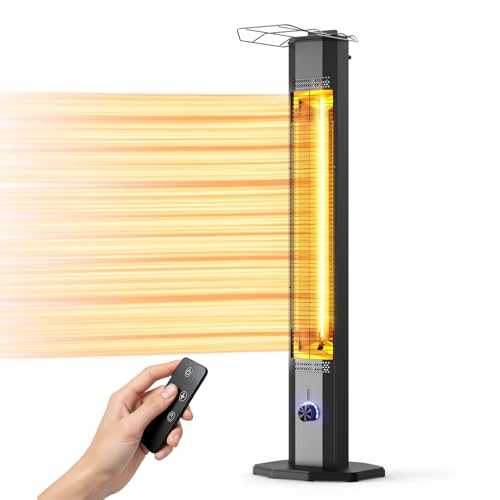
- BWP Score8.1
BWP Score is a ranking system developed by Bestwinterproducts.com. BWP score has no relationship or impact from any manufacturers or sales agent websites. Learn more
- BrandNfccra

- BWP Score8.1
BWP Score is a ranking system developed by Bestwinterproducts.com. BWP score has no relationship or impact from any manufacturers or sales agent websites. Learn more
- BrandSereneLife
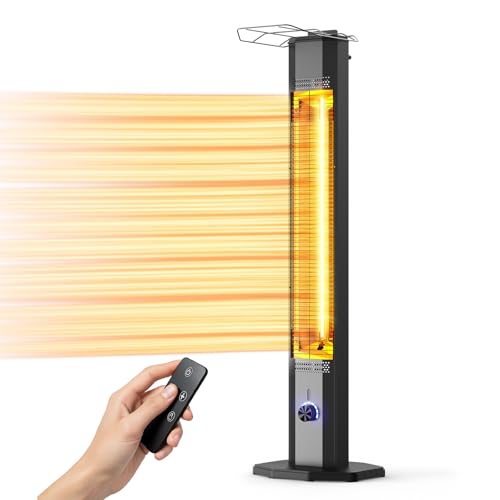
- BWP Score8.1
BWP Score is a ranking system developed by Bestwinterproducts.com. BWP score has no relationship or impact from any manufacturers or sales agent websites. Learn more
- BrandNfccra

- BWP Score7.9
BWP Score is a ranking system developed by Bestwinterproducts.com. BWP score has no relationship or impact from any manufacturers or sales agent websites. Learn more
- BrandBLACK+DECKER
Last update on 2026-10-08 / Affiliate links / Images, Product Titles, and Product Highlights from Amazon Product Advertising API
FAQs
Can I leave a 42-inch electric patio heater outdoors in the rain?
Heaters built with an IPX5 water resistance rating can handle rain, morning dew, and yard splashes without damaging the internal parts. But leaving any electrical heater exposed to heavy winter freezes, torrential downpours, or blowing snow will shorten its lifespan. For best results, place a weather-resistant cover over the unit when it cools down or store it under a porch roof when not in use.
How far away should I sit from a 42-inch infrared tower?
The sweet spot for a 42-inch carbon infrared heater is between three and six feet away from your chair. Sitting inside this three to six foot zone gives you full-body warmth without feeling uncomfortably hot. If you sit closer than three feet, the front grille can feel too intense on your skin, while sitting further than six feet will dilute the direct radiant heat.
Does a 42-inch electric heater take a long time to warm up my patio?
No, an electric infrared tower does not need time to warm up. Unlike propane patio heaters that have to warm a metal dome or fire pits that require kindling, carbon infrared elements reach their full heating temperature within seconds of turning the power on. You will feel sun-like warmth hitting your clothes and skin almost immediately after pressing the power button.


Best Warm Winter Scarves 2026 For Cozy Comfort

Best Green Ski Goggles 2026 For Clear Vision On Slopes

12 Best Corner Electric Fireplace 2026: My Ultimate Guide To Pick One

Best Battery Powered Snow Blower 2026 For Effortless Snow Clearing

Best Ski Goggles Under 30 Inches For Crisp Vision And Comfort

Best Cooling Scarf 2026 For Instant Relief And Comfort

Fake Snow for Grass: Create a Realistic Winter Lawn Display

Dimplex Prism Wall Mount Fireplace: Sleek Heat With Modern Flame Style





