
Will a Space Heater in the Basement Lower Heating Costs?

No, it will drive your bills up. Putting an electric heater downstairs almost always increases your total energy costs instead of lowering them. Bare foundation walls act like cold sponges, soaking up warmth before any of it can drift up into your living spaces. Because small plug-in units use expensive electric power, trying to warm an entire basement floor is an easy way to trigger a nasty utility spike.
The math only shifts if someone is actively using a finished basement room while the main house thermostat stays turned down. Success also depends on whether your basement walls have real insulation and what fuel your central furnace burns. Natural gas and heat pumps deliver warmth for far less money than portable electric coils. Here is why heat from below gets trapped, and what really fixes freezing floors upstairs.
The Short Version
- Running an electric space heater in an unfinished or empty basement will increase your overall utility bills rather than lowering them.
- Thick concrete foundation walls soak up warmth like a sponge, losing heat to the cold earth before it ever reaches your upstairs floor.
- Portable heaters rely on electric coils that draw heavy power, making them far more expensive to run per unit of heat than central gas furnaces or heat pumps.
- The only time a space heater saves money is when you use it for targeted zone heating in a closed, occupied basement room while turning your main thermostat down.
Why Heating an Empty Basement Drives Power Bills Up
Cold hardwood and tile floors in winter often tempt homeowners to try a simple fix: putting an electric space heater in the basement to warm the floorboards from underneath. The theory is that warming the space below will help heat rise, take the burden off the central furnace, and reduce monthly bills. In reality, this strategy almost always backfires, leading to a noticeable spike on your electric bill.
A standard portable electric space heater draws 1,500 watts of power on its high setting. When you place one in an open basement, it runs almost non-stop because the subterranean air never gets warm enough to satisfy the heater's built-in thermostat. Space heaters are designed for supplemental warmth in small, enclosed rooms, not for heating hundreds of square feet of cold, unfinished space.
Because that warmth rarely makes a noticeable difference on your main floor, your central furnace or heat pump continues cycling just as often as before. You end up paying your normal central heating bill while simultaneously running a power-hungry electric appliance around the clock.
The Physics Problem: Why Basement Warmth Fails to Heat Upper Floors
Two basic principles of building physics prevent basement space heating from warming your living areas: cold foundation walls and natural air movement.
First, consider your foundation. Basements sit below ground and are surrounded by thick concrete walls. Concrete has high thermal mass, meaning the concrete foundation acts like a massive sponge soaking up warmth. When an electric heater blows warm air into an unfinished basement, the cold concrete pulls that warmth out of the air and transfers it straight into the surrounding ground. The heater must run continuously just to replace the heat your foundation loses to the soil.
Second, warm air rises, but it cannot easily penetrate a solid ceiling. Between your basement and first floor sits wooden framing, thick subflooring, and your finished flooring. This assembly acts as a thermal barrier. Warm air from a small heater rises, hits the basement ceiling, cools down as it touches cold exterior framing, and sinks back down in a continuous circulation loop without warming your floorboards upstairs.
Third, homes experience the stack effect. Heated air escapes through gaps in your attic and upper-story windows, creating negative air pressure downstairs. That pressure actively pulls freezing outdoor air into the basement through cracks around windows, pipe openings, and the rim joist (the outer wood framing resting on the concrete foundation). A small 1,500-watt heater cannot overcome that constant rush of freezing air. For tips on managing difficult, drafty areas, take a look at our guide on the best heater for enclosed porch spaces.
Cost Comparison: Electric Space Heaters vs. Central Systems
Understanding why heating costs rise comes down to fuel efficiency and energy pricing. Portable space heaters rely on electric resistance, using electric coils that draw heavy power to make heat. While electric resistance turns electricity directly into heat, household electricity is typically the most expensive way to heat a home.
In contrast, a central furnace burns natural gas, which delivers far more heat per dollar spent. Modern electric heat pumps are also far more efficient than portable heaters because they transfer heat from outside rather than creating it from scratch with power-hungry coils.
The math reveals the problem quickly. A standard 1,500-watt space heater uses 1.5 kilowatt-hours (kWh) of electricity for every hour it runs on high. In a cold basement, that unit easily runs for 18 hours a day trying to satisfy its thermostat, consuming 27 kWh daily. Over a 30-day month, that single heater adds 810 kWh to your electric bill.
Depending on your local electric rates, 810 kWh can easily add $100 to $180 or more to your monthly power bill. Because that warmth never reaches your main thermostat upstairs, your central furnace runs its normal cycles anyway, leaving you to pay both bills.
The Only Exception: Zone Heating an Occupied Basement Room
There is one situation where running a space heater downstairs can actually save money: targeted zone heating. Zone heating means lowering the temperature across your entire home and warming only the specific room you are actively occupying.
If you work in a basement home office, have a finished craft room, or spend your evenings in a downstairs den, a small heater can make practical sense. Check these conditions to ensure zone heating actually cuts costs:
- The room is finished and closed off: The space must have insulated walls, finished drywall, and a solid door that stays shut to trap heat.
- The main thermostat is turned down: Lower your central home thermostat by 5 to 8 degrees Fahrenheit while you spend time downstairs.
- You only heat while occupying the space: Turn the heater on when you enter the room, and switch it off the moment you leave.
- You warm personal space only: Position the heater near your seating area rather than trying to warm the entire basement level.
- The floor is covered: Ensure you have finished flooring or an area rug beneath your feet so cold concrete does not pull heat away from your body.
What Truly Stops Cold Floors Upstairs: 5 Practical Steps
If a space heater will not solve cold floors or cut energy costs, what will? To fix cold floors permanently, you must seal air leaks and create a physical thermal barrier beneath your living space. Here are five practical steps that work:
- Seal the rim joists with rigid foam and expanding foam: Walk your basement perimeter and inspect the rim joist, which is the outer wood framing resting on the concrete foundation. This joint is notorious for air leaks. Cut two-inch rigid foam board to fit into each joist bay, press the pieces against the rim joist, and seal the edges with canned expanding foam to block freezing outdoor air.
- Insulate between the basement ceiling joists: If your basement is unfinished and unheated, install batt insulation between the ceiling joists directly against the underside of your subfloor. Push fiberglass or rock wool batts firmly against the wood subfloor and secure them with wire supports. Ensure the paper vapor barrier faces up toward the warm first floor.
- Seal all floor penetrations: Inspect the basement ceiling directly beneath your kitchen and bathrooms. Plumbers and electricians often drill oversized holes for pipes and wiring. Spray canned expanding foam into every gap around pipe penetrations to block cold basement air from rising into your walls and subfloors.
- Seal and insulate your ductwork: Examine the metal supply and return ducts on your basement ceiling. Seal all duct seams with heat-rated aluminum foil tape or duct mastic. Leaking supply ducts dump furnace warmth into an empty basement, while leaking return ducts pull freezing basement air into your heating system.
- Add thick area rugs with insulated pads upstairs: Hard surfaces like tile and hardwood conduct heat away from bare feet very quickly. Placing dense rugs with thick felt pads over high-traffic floor areas creates an immediate insulating layer that keeps your feet warm without touching the thermostat.
Selecting a Safe Supplemental Heater for Finished Basements
When you need targeted warmth for an occupied basement room, choosing the right heater keeps you comfortable without running up unnecessary electrical waste. If you need steady warmth for an unconditioned workshop or storage room instead of a finished office, look into our guide on the best electric heater for garage with thermostat controls.
For a finished basement room, pick a compact heater with a ceramic heating element that warms up in seconds, paired with a quiet internal fan that pushes warm air across the room. A digital temperature dial that clicks on and off to hold your set warmth is essential; it automatically stops heating when your zone reaches comfort level, preventing wasted power.
Safety is critical in any lower-level space. Make sure your unit includes these key features:
- A tip-over safety switch: This switch cuts power instantly if the heater is accidentally bumped, tilted, or knocked over.
- An automatic overheat sensor: This sensor shuts the unit down if internal parts become dangerously hot due to blocked airflow.
- A direct wall connection: Always plug the heater directly into a dedicated 120-volt wall outlet. Never use an extension cord or power strip, which can overheat, melt, and cause a fire.
- Safe clearance: Maintain at least a 3-foot safety buffer between the heater and all combustible items, such as boxes, furniture, and curtains.
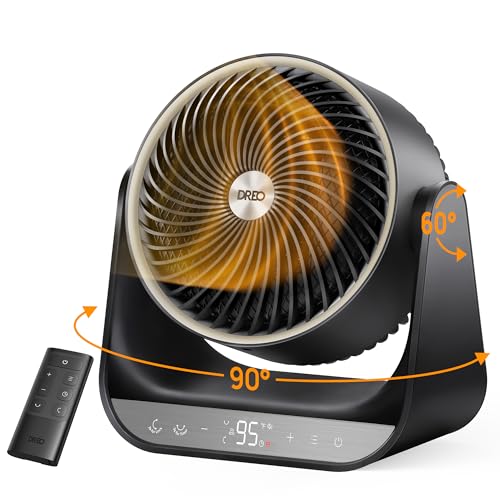
- BWP Score9.6
BWP Score is a ranking system developed by Bestwinterproducts.com. BWP score has no relationship or impact from any manufacturers or sales agent websites. Learn more
- BrandDREO

- BWP Score9.1
BWP Score is a ranking system developed by Bestwinterproducts.com. BWP score has no relationship or impact from any manufacturers or sales agent websites. Learn more
- BrandDR. INFRARED HEATER

- BWP Score9.1
BWP Score is a ranking system developed by Bestwinterproducts.com. BWP score has no relationship or impact from any manufacturers or sales agent websites. Learn more
- BrandAmazon Basics

- BWP Score8.9
BWP Score is a ranking system developed by Bestwinterproducts.com. BWP score has no relationship or impact from any manufacturers or sales agent websites. Learn more
- BrandBEYOND HEAT

- BWP Score8.4
BWP Score is a ranking system developed by Bestwinterproducts.com. BWP score has no relationship or impact from any manufacturers or sales agent websites. Learn more
- BrandAIDENOEY

- BWP Score8.6
BWP Score is a ranking system developed by Bestwinterproducts.com. BWP score has no relationship or impact from any manufacturers or sales agent websites. Learn more
- BrandHeat Storm
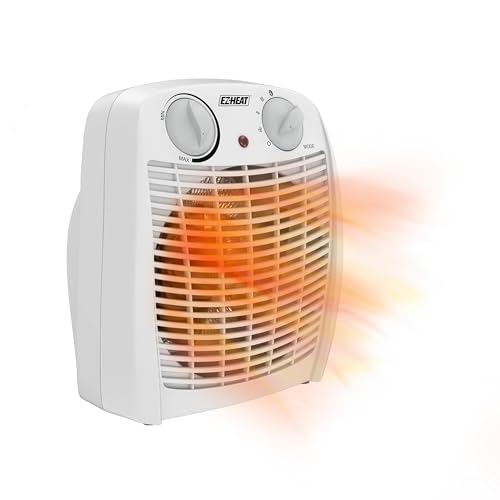
- BWP Score8.1
BWP Score is a ranking system developed by Bestwinterproducts.com. BWP score has no relationship or impact from any manufacturers or sales agent websites. Learn more
- BrandEZ-HEAT
Last update on 2026-10-16 / Affiliate links / Images, Product Titles, and Product Highlights from Amazon Product Advertising API
Frequently Asked Questions
Does warm air rising from the basement really warm the living room floor?
No, warm air from a space heater does not warm your floorboards upstairs. Solid wood subflooring and finished flooring act as thermal barriers that block heat transfer. Instead of penetrating the floor, rising warm air pools at the basement ceiling, cools against cold exterior walls, and sinks back down in a closed loop.
Can running a basement space heater prevent pipes from freezing?
A portable heater can provide emergency warmth near exposed pipes during extreme cold snaps, but it is not a safe long-term solution. Leaving a portable heater running unattended in an empty basement creates a serious fire hazard. A safer, cheaper approach is installing foam pipe insulation sleeves or electric heat cables directly on vulnerable water lines.
Is it cheaper to leave a space heater running on low in the basement all day?
No, running a space heater on low all day still wastes significant electricity. A 750-watt low setting consumes 0.75 kWh per hour, adding up to 18 kWh each day. Because that warmth is lost to cold concrete walls and drafts, that power is wasted without raising the temperature upstairs.
Where does basement heat escape the fastest?
Basement heat escapes fastest through uninsulated rim joists and bare concrete foundation walls that contact cold soil. Unsealed basement windows, uninsulated metal ducts, and gaps around plumbing pipes also allow warm air to escape while drawing freezing air inside.


Best Warm Winter Scarves 2026 For Cozy Comfort

Best Green Ski Goggles 2026 For Clear Vision On Slopes

12 Best Corner Electric Fireplace 2026: My Ultimate Guide To Pick One

Best Battery Powered Snow Blower 2026 For Effortless Snow Clearing

Best Ski Goggles Under 30 Inches For Crisp Vision And Comfort

Best Cooling Scarf 2026 For Instant Relief And Comfort

Fake Snow for Grass: Create a Realistic Winter Lawn Display

Dimplex Prism Wall Mount Fireplace: Sleek Heat With Modern Flame Style





