
best bindings for all mountain skis 2026 best picks

best bindings for all mountain skis starts with one plain truth: A binding shouldn’t feel like an afterthought bolted onto a good ski. The right setup keeps edge changes crisp on groomers, stays predictable in chopped snow, and doesn’t make every icy parking-lot step-in feel like a wrestling match. A solid all-mountain binding also needs to match the boot sole, DIN range, brake width, and skiing style without turning the whole buying process into a headache.
Marker Griffon 13, Salomon Strive GW, Tyrolia Attack, and Look Pivot keep showing up for good reasons. The Griffon feels planted and direct, especially for skiers who like a firm connection underfoot. The Strive leans lighter and easier to live with, while the Attack has that low, simple feel that makes sense for soft snow days and mixed resort laps. The Pivot brings more elasticity and a smoother ride feel, though its heel can be fussier to step into, especially on awkward terrain.
Boot compatibility matters more than flashy colors or brand loyalty. GripWalk soles are common now, but not every older binding plays nicely with them. Multi-norm bindings can make life easier if boots change often, but they may cost more and add complexity. So, yeah, saving a few bucks on the wrong binding can bite later.
Brake width is another small detail that causes big annoyance. A brake that’s too narrow won’t clear the ski, while one that’s way too wide can drag or feel sloppy. Most all-mountain skis pair best with brakes only slightly wider than the ski waist. That little fit detail helps the whole setup look cleaner and behave better.
Release value deserves a calm, honest look. Bigger numbers don’t automatically mean better skiing, and an overbuilt binding can feel like wearing work boots to jog around the block. A lighter skier cruising mostly groomers may be happier with a lower DIN model, while a stronger skier charging chopped-up bowls may want more range. The sweet spot is confidence without overbuying.
The best pick depends on the ski’s personality too. A damp charger likes a binding with firm power transfer. A playful twin-tip feels better with elasticity and a less deadened flex pattern. A daily-driver all-mountain ski usually lands somewhere between those worlds, needing enough hold for speed but enough forgiveness for messy snow.

- BWP Score10.0
BWP Score is a ranking system developed by Bestwinterproducts.com. BWP score has no relationship or impact from any manufacturers or sales agent websites. Learn more
- BrandSalomon

- BWP Score10.0
BWP Score is a ranking system developed by Bestwinterproducts.com. BWP score has no relationship or impact from any manufacturers or sales agent websites. Learn more
- BrandElan

- BWP Score10.0
BWP Score is a ranking system developed by Bestwinterproducts.com. BWP score has no relationship or impact from any manufacturers or sales agent websites. Learn more
- BrandAtomic

- BWP Score9.2
BWP Score is a ranking system developed by Bestwinterproducts.com. BWP score has no relationship or impact from any manufacturers or sales agent websites. Learn more
- BrandLOOK

- BWP Score8.2
BWP Score is a ranking system developed by Bestwinterproducts.com. BWP score has no relationship or impact from any manufacturers or sales agent websites. Learn more
- BrandElan

- BWP Score8.0
BWP Score is a ranking system developed by Bestwinterproducts.com. BWP score has no relationship or impact from any manufacturers or sales agent websites. Learn more
- BrandAtomic
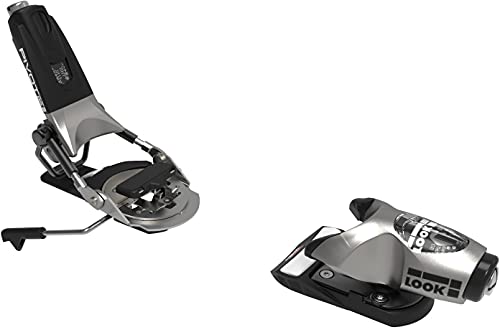
- BWP Score7.8
BWP Score is a ranking system developed by Bestwinterproducts.com. BWP score has no relationship or impact from any manufacturers or sales agent websites. Learn more
- BrandLOOK
- BWP Score6.2
BWP Score is a ranking system developed by Bestwinterproducts.com. BWP score has no relationship or impact from any manufacturers or sales agent websites. Learn more
- BrandAtomic

- BWP Score-
BWP Score is a ranking system developed by Bestwinterproducts.com. BWP score has no relationship or impact from any manufacturers or sales agent websites. Learn more
- BrandElan

- BWP Score-
BWP Score is a ranking system developed by Bestwinterproducts.com. BWP score has no relationship or impact from any manufacturers or sales agent websites. Learn more
- BrandRossignol

- BWP Score-
BWP Score is a ranking system developed by Bestwinterproducts.com. BWP score has no relationship or impact from any manufacturers or sales agent websites. Learn more
- BrandMarker Volkl US, INC
Last update on 2023-05-27 / Affiliate links / Images, Product Titles, and Product Highlights from Amazon Product Advertising API
best bindings for all mountain skis
Frozen lift lines, scraped-off groomers, and chopped afternoon snow can make a ski day feel way longer than it should. A binding that feels twitchy or awkward under pressure usually shows its flaws fast, especially once legs get tired and terrain turns messy. The Salomon Warden MNC 11 Ski Bindings slide naturally into the conversation around best bindings for all mountain skis because they aim for that middle ground so many skiers chase but rarely nail down. Stability matters, sure, but comfort, compatibility, and predictable release behavior matter just as much once the honeymoon phase wears off.
Warden MNC 11
Salomon Warden MNC 11 trims the product name down nicely, but the actual personality of this binding feels bigger than the compact title suggests. The silver and black finish keeps things understated without looking bland, and the overall footprint has a solid, planted look once mounted on an all-mountain ski. Salomon built this binding around MNC compatibility, meaning it works with multiple boot norms instead of locking skiers into one narrow setup. That flexibility becomes surprisingly useful once boots get upgraded or swapped during future seasons.
Step-in feel lands somewhere between secure and forgiving. Some bindings feel overly stiff during entry, especially in uneven snow beside a crowded chairlift, but this one keeps the process smoother than expected. The heel engages with a reassuring snap without demanding a full-body stomp. Small detail, honestly, but tired legs appreciate it late in the afternoon.
Intermediate and advanced skiers tend to notice the balance here. The Warden MNC 11 doesn’t feel nervous at speed, yet it avoids the tank-like heaviness that some higher-DIN bindings bring into the mix. Quick edge transitions feel controlled rather than hyperactive, which helps during mixed resort conditions where snow texture changes every few turns.
The overall construction leans practical instead of flashy. Salomon skipped unnecessary gimmicks and focused more on power transfer, elasticity, and broad compatibility. That approach gives the binding a calmer personality on snow. Some skiers want explosive energy underfoot, while others simply want predictable control without surprises. This setup leans toward the second camp.
On-Snow Feel Across Mixed Terrain
Morning corduroy gives the Warden MNC 11 a chance to show its cleaner side. Edge engagement feels direct enough to trust medium-speed carving without creating that twitchy sensation lighter bindings sometimes develop. The platform underfoot stays composed, especially during rolling transitions from softer snow into scraped hardpack. That consistency makes a bigger difference than many people expect.
Chopped-up afternoon snow tells a different story, and honestly, that’s where weaker bindings usually unravel. The Warden handles rough resort conditions with decent damping, helping skis feel less skittery through pushed-around piles. It doesn’t magically erase bad snow, obviously, but it avoids amplifying the chaos. That calmer ride reduces fatigue during longer sessions.
Arch Heel technology helps maintain smoother energy transfer while reducing awkward pressure points during aggressive turns. Hard chargers may still prefer bindings with slightly more elasticity or higher DIN ceilings, but this setup stays impressively composed for its intended range. Tight trees, side hits, and uneven moguls don’t expose glaring weaknesses either.
One tradeoff does show up in ultra-high-speed skiing. Stronger skiers who regularly ski steep bowls at full throttle may notice the binding feels less damp than burlier models like a Pivot 15 or Griffon 16. The Warden MNC 11 isn’t trying to become a freeride monster though. It targets all-mountain versatility instead of brute-force aggression.
Boot Compatibility Makes Life Easier
MNC compatibility quietly becomes one of the best parts of this binding after a few seasons. Ski gear changes over time. Boots wear out, GripWalk soles enter the picture, or different setups get mixed together between family members and travel bags. Bindings that only support one boot norm can become annoying surprisingly fast.
The Warden handles multiple sole standards without turning adjustment into a frustrating garage project. That convenience matters more for skiers who rotate equipment or upgrade gradually instead of replacing everything at once. Compatibility headaches tend to show up at the worst possible time, usually the night before a trip or during a rushed rental situation.
Toe height adjustment feels reasonably straightforward too. Some multi-norm bindings feel overly delicate during setup, but this one stays approachable for shop technicians and experienced gear owners alike. The mechanism doesn’t scream luxury, though it does feel dependable enough for long-term resort use.
GripWalk boots pair especially well with the Warden MNC 11. Entry and release stay smooth without excessive friction or weird inconsistencies. Older alpine boots still work too, which broadens the real-world usefulness considerably.
Strengths That Stand Out Quickly
Power transfer feels strong without becoming overly harsh. Skis react quickly under pressure, especially during medium-radius turns where balance and edge hold matter more than brute speed. The wider platform design helps keep skis feeling connected beneath the boot instead of vague or disconnected.
Weight balance deserves some credit too. The binding avoids feeling feather-light, but it also doesn’t drag the ski into clunky territory. Carrying skis through parking lots, crowded lodges, or icy walkways feels manageable instead of annoying. Tiny quality-of-life details add up over a season.
Release consistency feels trustworthy during awkward terrain changes. Sudden chatter, scraped patches, and uneven landings don’t create unpredictable sensations underfoot. A binding that feels stable mentally can improve confidence physically, especially on days where snow quality shifts every run.
One example worth noting is how naturally the binding handles resort skiing that mixes groomers with occasional side-country exploration. It doesn’t demand race-level aggression to feel alive, and it doesn’t punish relaxed skiing either. That versatility gives it broader appeal than some more specialized models.
Weak Spots Worth Mentioning
DIN range limitations may hold back heavier or highly aggressive skiers. Riders who constantly push cliffs, ski extremely fast, or prefer unusually high release settings could outgrow the Warden MNC 11 fairly quickly. Salomon clearly aimed this model toward balanced all-mountain use instead of elite freeride abuse.
The heel construction, while dependable, doesn’t carry the same elastic feel as premium Look Pivot models. Skiers sensitive to suspension and rebound may notice the difference during rough snow or harder landings. That doesn’t make the Warden sloppy, just slightly less refined in demanding terrain.
Brake width selection matters carefully here. A 90mm brake works nicely for narrower all-mountain skis, but wider skis may need extra clearance. Oversized brakes can create annoying drag or awkward visual overhang if sizing gets sloppy.
Price positioning also lands in a slightly awkward middle ground. Budget skiers may lean toward cheaper Tyrolia Attack models, while aggressive riders might justify spending more for higher-end bindings with stronger construction. The Warden MNC 11 fits best for skiers wanting practical versatility without chasing extremes.
Daily Use And Long-Term Feel
Bindings reveal their true personality after repeated use, not during a quick parking-lot flex test. The Salomon Warden MNC 11 keeps aging fairly gracefully because the overall design avoids overly complicated moving parts. Snow buildup around the toe area stays manageable, and step-in reliability remains consistent through colder days.
Maintenance needs stay refreshingly low. Some bindings develop finicky adjustments or sticky mechanisms after repeated freeze-thaw cycles, but the Warden generally avoids that drama. Resort skiers who spend more time riding than tuning equipment usually appreciate that reliability.
From a practical angle, best tumbler for carbonated drinks sometimes enters the ski-day conversation because cold parking lots and long lodge breaks make insulated drink gear surprisingly relevant. That little comfort detail can matter during full mountain days where hydration and warmth quietly affect energy levels.
All-mountain versatility remains the strongest argument for this binding. It handles enough terrain styles, enough boot setups, and enough snow conditions to stay useful long after trendier models lose their shine. That broad usefulness often matters more than flashy specs once several seasons pass.
best bindings for all mountain skis
Rental-shop chatter and icy morning groomers usually expose weak ski setups pretty quickly. Heavy skis can feel exhausting after a few runs, while stiff bindings sometimes make relaxed cruising feel weirdly demanding. The Elan Explore 80 PS Skis w/EL 10 GW Shift Bindings land in an interesting middle zone where comfort, predictability, and ease-of-use matter more than showing off aggressive specs. That approach won’t impress every hard charger on the mountain, though it absolutely makes sense for skiers wanting smoother progression without fighting their equipment all day.
Elan Explore 80 PS
Elan Explore 80 PS sounds straightforward on paper, but the ski-and-binding package has a surprisingly relaxed personality once it hits snow. Elan paired the skis with EL 10 GW Shift Bindings, creating a setup that feels approachable without sliding into beginner-only territory. The 80mm waist keeps edge transitions manageable while still giving enough platform width for soft afternoon snow and uneven resort terrain.
The visual design leans clean rather than flashy. Some skis try too hard with loud graphics and aggressive styling, but this setup feels calmer and easier to live with long-term. That subtle approach actually fits the ski’s personality pretty well. Nothing about it screams race-day intensity.
Weight distribution stands out immediately. Carrying the skis from parking lot to lift line doesn’t feel awkward or back-heavy, which becomes more noticeable during longer ski days. Smaller details like that rarely get attention in product descriptions, yet they affect the overall experience more than expected.
GripWalk compatibility inside the EL 10 GW bindings also helps simplify things. Modern ski boots increasingly use GripWalk soles, and compatibility headaches can turn a simple ski trip into an annoying gear puzzle. This setup avoids much of that frustration.
Smooth Ride On Groomers
Fresh corduroy gives the Explore 80 PS a comfortable playground. The skis initiate turns without demanding aggressive input, which helps reduce fatigue during long resort sessions. Short-to-medium radius turns feel natural, especially for skiers still refining edge control and rhythm. That easygoing behavior creates confidence fast.
Edge grip remains respectable for an 80mm all-mountain ski aimed at lighter resort versatility. Hardpack mornings don’t immediately overwhelm the ski, though extremely icy conditions can expose the softer flex pattern. Stronger skiers who drive aggressively through every turn may eventually want something stiffer and more demanding.
The ski’s lighter construction also changes the mood considerably. Instead of fighting the terrain, the Explore 80 PS tends to flow through it with less physical effort. Legs stay fresher longer, particularly during slower-paced ski days or mixed family trips where nonstop charging isn’t the goal.
One thing that stands out is how forgiving the skis feel after mistakes. Late edge changes, awkward balance shifts, and uneven terrain transitions don’t instantly punish the skier. That softer personality helps create smoother progression without making the ride feel dull.
Bindings That Keep Things Simple
EL 10 GW Shift Bindings focus heavily on practicality instead of overbuilt freeride performance. Step-in feel stays easy and predictable, even in scraped-off snow beside crowded chairlifts. Some bindings require a dramatic stomp before locking properly, but these engage with less effort and less frustration.
Release behavior feels balanced for everyday resort skiing. The bindings don’t create a nervous, twitchy sensation underfoot, yet they also avoid feeling overly rigid. Skiers spending most of their time on groomed terrain and moderate off-piste sections will probably appreciate that middle-ground tuning.
Adjustment simplicity deserves credit too. DIN settings and compatibility tweaks stay approachable for standard ski shop servicing. That matters because overly complicated systems can become annoying once boots, stance preferences, or setup adjustments enter the picture.
Power transfer remains clean enough for controlled carving without creating an ultra-stiff platform. Aggressive advanced skiers chasing maximum responsiveness may want a burlier binding, though that’s clearly outside this package’s intended personality.
Soft Snow And Afternoon Conditions
Chopped-up afternoon resort snow usually reveals whether a ski feels stable or flimsy. The Explore 80 PS handles softer snow reasonably well for its width, especially at moderate speeds. It won’t bulldoze through heavy chop like a wider metal-laminate ski, but it also avoids feeling excessively nervous or unpredictable.
Forgiveness becomes the defining trait here. Skiers who occasionally drift into bumps, uneven side trails, or soft spring snow won’t feel punished for imperfect technique. The skis absorb smaller terrain inconsistencies with a smoother feel than many entry-level packages manage.
Float in deeper powder stays limited, naturally. An 80mm waist simply isn’t designed for storm-day heroics or waist-deep snow. Still, the ski remains manageable in several inches of fresh snow, especially for resort runs that mix packed sections with softer edges.
Turn transitions continue feeling light even once snow conditions deteriorate. That easier steering behavior helps during crowded afternoons where quick adjustments and shorter turns become necessary. Tired legs usually appreciate skis that don’t constantly demand brute force.
Real Tradeoffs Worth Knowing
High-speed stability isn’t the Explore 80 PS’s strongest skill. Faster, heavier, or highly aggressive skiers may eventually overpower the softer flex pattern, especially during rough snow conditions. The ski begins feeling less composed once speeds climb aggressively on steeper terrain.
The lighter construction also creates some chatter on firmer snow. That doesn’t make the ride unsafe or unstable, though stronger skiers used to damp, metal-heavy skis will definitely notice the difference. Calm cruising suits this setup much better than straight-line charging.
Advanced skiers hunting technical terrain may outgrow the package relatively quickly. Tight steeps, larger drops, and aggressive off-piste skiing expose the limitations of both the ski flex and binding strength. That said, not every ski setup needs to target expert-level abuse.
EL 10 GW bindings also stay within a moderate DIN range, which aligns better with lighter or intermediate resort skiing. Skiers wanting higher retention settings or freeride-level elasticity may prefer something more robust over time.
Comfort And Everyday Skiing Feel
Long resort days become easier with gear that doesn’t constantly fight back. The Explore 80 PS succeeds mainly because it keeps skiing approachable and less physically draining. Smooth turn initiation, lighter swing weight, and forgiving edge behavior all combine into a setup that feels cooperative instead of demanding.
One example worth noting is how naturally this package handles slower-paced group skiing. Waiting near lift lines, weaving through crowded beginner zones, and adjusting speed frequently don’t feel awkward or exhausting. Some stiffer skis become annoying during casual skiing, but this setup stays relaxed.
In some cases, practical winter gear discussions drift beyond skis themselves, and a related reference appears in best waterproof shoes for car wash. Wet parking lots, slushy walkways, and long resort days make waterproof footwear surprisingly relevant once ski boots finally come off.
All-mountain versatility ultimately shapes the Explore 80 PS experience more than raw aggression or flashy specs. The setup handles enough terrain variation to stay interesting while keeping the learning curve smooth and approachable. That balance gives it broader long-term usability than many overly specialized ski packages.
Atomic Maven 83 R
Some ski setups feel like they’re asking for a fight before the first chair even spins. Too stiff, too twitchy, too heavy, or just plain annoying once the snow turns from smooth morning corduroy into scraped patches and soft piles. The Atomic Maven 83 R Skis w/M 10 GW Bindings fit into the best bindings for all mountain skis conversation because they come as a practical ski-and-binding package built around all-mountain use, intermediate skill progression, and easier handling. With an 83mm waist, 120/83/104 sidecut, and Rocker/Camber/Rocker profile, this setup aims for balanced resort skiing rather than loud, ego-driven performance.
Atomic Maven 83 R
Atomic Maven 83 R keeps things approachable without feeling like a watered-down rental ski. The dark purple and red finish gives the setup a clean, confident look, but the real story sits in the shape and binding pairing. The M 10 GW Bindings match the ski’s intended personality: steady, accessible, and made for all-mountain days where conditions rarely stay perfect. That matters because a ski can look sharp on the rack and still feel exhausting once the hill gets busy.
The 83mm waist gives this ski enough platform for mixed resort snow while staying narrow enough for easy edge changes. That width feels especially useful on days that start firm, soften around lunch, then turn into lumpy afternoon traffic. It won’t float like a powder ski, and it shouldn’t be expected to. Still, for groomers, light chop, and casual off-trail sections near the edges of runs, it has a sensible footprint.
The Rocker/Camber/Rocker profile adds a forgiving touch at the tip and tail while keeping camber underfoot for grip and energy. That combination helps smooth out turn initiation, which can take the sting out of awkward balance shifts. A fully traditional camber ski might feel more locked in, sure, but it can also punish small mistakes. The Maven 83 R feels more willing to cooperate.
The included M 10 GW binding keeps the package simple and tidy. GripWalk compatibility is a big practical bonus because many modern boots now use GripWalk soles. Nobody wants to discover a boot-binding mismatch right before a weekend trip. This setup reduces that headache while keeping the focus on skiing instead of gear drama.
All-Mountain Shape And Feel
The 120/83/104 sidecut gives the Maven 83 R a turn shape that feels friendly rather than nervous. It can roll into turns without demanding a hard, aggressive drive through the shovel. That’s useful for skiers who want cleaner technique but don’t want every run to feel like a lesson. The ski responds best to smooth pressure and patient edging.
On groomed snow, the camber underfoot helps the ski hold an edge with enough confidence for moderate speeds. It doesn’t have the heavy, damp bite of a metal-reinforced charger, but that’s not the point here. The lighter, more forgiving personality makes the ski less tiring through repeated laps. Legs stay fresher, especially during full resort days with mixed terrain.
Soft snow near trail edges feels manageable thanks to the rockered tip and tail. The ski doesn’t dive immediately in shallow fresh snow, and it can smear turns when conditions loosen up. That said, deeper powder will expose the limits of the 83mm waist quickly. This is an all-mountain resort ski, not a storm-day specialist.
Afternoon chop brings out both the strengths and weaknesses. The Maven 83 R stays easy to steer and doesn’t feel grabby, which helps in rough patches. But heavier skiers or very aggressive riders may notice some chatter when speeds rise. The tradeoff is clear: forgiveness takes priority over bulldozer-like stability.
M 10 GW Binding Performance
The M 10 GW Bindings suit the ski’s intermediate all-mountain design nicely. They’re not trying to act like burly freeride bindings, and that honesty works in their favor. Step-in feel should be simple and familiar for resort skiing, especially compared with overly stiff binding setups that require a hard stomp. Practicality counts when snow is packed around the heel and the lift line is moving.
GripWalk compatibility is the standout feature from a real-world gear perspective. Modern ski boots often come with curved GripWalk soles, which can create compatibility issues with older bindings. A binding designed around GW use makes boot pairing less frustrating. That’s the kind of detail that doesn’t sound exciting until it saves a trip from turning sideways.
The M 10 GW binding range also fits the personality of this package. It’s better suited to moderate all-mountain skiing than huge airs, full-speed crud busting, or expert-level retention demands. A stronger skier who regularly pushes high DIN settings may want a more powerful binding. For the intended use, though, the match feels logical.
Power transfer feels direct enough for groomers and casual mixed snow. The binding doesn’t create a vague connection between boot and ski, which helps during edge-to-edge movement. Still, it won’t deliver the same locked-down sensation as heavier performance bindings. That’s not a flaw so much as a boundary.
Pros That Make Daily Skiing Easier
Easy turn initiation is one of the biggest strengths here. The rocker at both ends helps the ski enter and release turns without feeling sticky. That makes the Maven 83 R less intimidating in tight spots, crowded slopes, or uneven resort snow. A ski that turns without a wrestling match can make the whole day feel smoother.
The 83mm waist also gives the ski a useful middle-ground feel. Narrower skis can be quicker edge to edge, but they may feel less comfortable once snow gets pushed around. Wider skis handle soft snow better but can feel slower on firm groomers. This setup lands between those extremes in a way that makes sense for everyday all-mountain use.
The included M 10 GW binding removes the guesswork of building a compatible setup from scratch. Skis and bindings sold together often make life easier because brake width, mounting system, and intended performance level are already aligned. That convenience matters for anyone who doesn’t want to spend hours decoding binding specs. Simple can be a strength.
Comfort also deserves a mention. The Maven 83 R won’t punish every late move or imperfect stance. It gives room to recover, reset, and keep skiing without feeling embarrassed by every tiny mistake. That forgiving nature is a quiet but valuable benefit.
Cons And Honest Tradeoffs
High-speed stability has limits. The Maven 83 R isn’t built like a heavy frontside charger, so fast runs over chopped or icy terrain may feel less planted. Confident skiers who love aggressive carving may eventually crave more stiffness and damping. This ski favors control and ease over raw speed.
Powder performance is also limited by the 83mm waist. Light fresh snow is fine, and soft trail edges are manageable, but deep days call for a wider platform. Expecting this ski to surf through heavy powder would be asking too much. Its sweet spot stays closer to groomers, mixed resort snow, and moderate off-piste pockets.
The M 10 GW bindings may feel too modest for heavier or more aggressive skiers. They match intermediate all-mountain use well, but they aren’t the obvious pick for big drops, race-style power, or extreme terrain. That doesn’t make them weak for the package. It just means the setup has a clear ceiling.
Some skiers may also outgrow the Maven 83 R as technique improves. A forgiving ski helps build rhythm, but advanced skiers sometimes start wanting stronger rebound, sharper edge hold, or more speed confidence. From a practical angle, how to remove stone fireplace sits as a separate home-improvement reference rather than a ski-related resource. The ski review itself stays centered on realistic mountain use, not forced connections.
Best Use And Realistic Fit
The product details list Best Use: All-Mountain, and that label feels accurate. This ski isn’t boxed into one narrow purpose. It can handle groomers, mild chop, soft afternoon snow, and the occasional side trail without making the ride feel complicated. That versatility is the main reason it belongs in a discussion around best bindings for all mountain skis.
The listed Skill Level: Intermediate also makes sense. The Maven 83 R gives enough support to move beyond cautious beginner turns, yet it doesn’t demand expert technique every second. That balance can help build confidence over time. Skis that are too stiff too soon often slow progress instead of helping it.
Its Rocker/Camber/Rocker shape gives the ride a friendly personality without stripping away all edge control. That matters on mixed resort days where one run can include firm snow, softer patches, and scraped turns near the bottom. The ski adapts well enough as long as expectations stay grounded. It’s not a race ski, and it’s not a powder board.
The biggest appeal is the complete package. Skis and GW-compatible bindings arriving together reduce setup uncertainty and keep the performance profile consistent. For everyday resort skiing, that’s often more useful than chasing the most aggressive binding or widest ski on the wall. The Maven 83 R plays the long game: manageable, comfortable, and steady enough for many all-mountain days.
Rossignol Look SPX 12 GW
Hard snow has a funny way of exposing gear that only felt good in the shop. A binding can look clean, snap in fine, and still feel vague once speed builds or the ski starts bouncing through chopped-up resort snow. The Rossignol Look SPX 12 GW Ski Bindings fit the best bindings for all mountain skis discussion because they aim at stronger all-mountain control without drifting into overly heavy, race-only territory. With a DIN range of 3.5 to 12, a 100 mm brake, and a listed 2220 grams per pair, this binding feels built for skiers who want a firmer connection underfoot and enough range to grow into more demanding terrain.
Rossignol Look SPX 12 GW
Rossignol Look SPX 12 GW is the shortened name, and it suits the binding better than the longer product listing. The black finish keeps the look understated, almost workmanlike, which matches the binding’s personality. It doesn’t lean on bright colors or flashy styling to make a point. The real pitch is all-mountain binding performance with a more serious feel than softer, lighter recreational setups.
The SPX 12 GW label tells part of the story right away. This is not a timid binding aimed only at slow, cautious groomer laps. It’s designed as a high performance all-mountain binding, according to the provided product details, and that framing makes sense based on the DIN range and overall build direction. A binding with a ceiling of 12 gives more room than entry-level models without jumping into the stiffest expert-only category.
The 100 mm brake creates a useful fit window for many all-mountain skis. Skis with waists near the low-to-mid 90s usually pair cleanly with that brake width, while narrower skis may have extra overhang. Brake sizing sounds boring until it’s wrong. Too narrow causes mounting headaches, and too wide can feel sloppy or catch awkwardly around packed snow.
The listed 2220 grams per pair puts this binding in a grounded resort category. It’s not chasing featherweight touring performance, and it shouldn’t be judged that way. That weight helps explain the more planted feel skiers often want from an all-mountain binding. Still, lighter skiers who value easy carrying and softer skiing may notice the heft.
Ride Feel And Power Transfer
Power transfer is where the SPX 12 GW starts making its case. The binding gives a firmer boot-to-ski connection than many easygoing recreational bindings. On groomed snow, that can translate into cleaner pressure through the ski and more confidence during edge engagement. The difference becomes noticeable once turns get faster and snow starts pushing back.
The binding’s personality feels more planted than playful. That’s a strength for skiers who like driving the ski through carved turns or firm afternoon conditions. It may feel less loose and surfy than some softer bindings, though that’s not really the mission here. The SPX 12 GW favors control, retention, and response.
Mixed resort snow brings out the value of a binding that doesn’t feel nervous. Scraped patches, chunky piles, and refrozen sections can rattle weaker setups. The Rossignol Look SPX 12 GW helps keep the ski feeling connected underfoot, especially during committed turns. It won’t make rough snow smooth, but it can reduce that disconnected, rattly feeling that ruins confidence.
The high performance all-mountain label fits best for skiers who spend real time on groomers but don’t stay glued to them. Side hits, steeper blue runs, occasional black runs, and firmer conditions all make sense here. A softer binding may feel easier at low speed, but this one rewards stronger input with better feedback.
GripWalk Compatibility Matters
GW compatibility gives this binding modern boot flexibility. GripWalk soles have become common on newer ski boots, and mismatched boot-binding setups can create real safety and fit issues. A binding designed for GripWalk use reduces that gear-check anxiety before a ski trip. Practical stuff, yes, but practical stuff saves days.
The SPX 12 GW also works well in the broader resort ecosystem because shops and technicians are familiar with Look-style alpine bindings. Setup, adjustment, and brake-width checks should still be handled properly, but the system itself isn’t some oddball mystery. That matters for anyone who wants reliable service without explaining obscure gear to every shop tech.
Boot sole compatibility deserves more attention than it usually gets. Skiers often obsess over ski width and graphics while barely checking whether the binding matches their boot sole. That’s backwards. The wrong binding match can create poor release behavior, awkward step-in feel, or a setup that simply shouldn’t be skied.
The SPX 12 GW’s compatibility profile adds confidence for modern all-mountain setups. It pairs especially logically with skis that live mostly inbounds and use alpine or GripWalk boots. Touring-focused boots and specialized soles should be checked carefully, because this binding is still rooted in resort-oriented performance. That boundary keeps expectations realistic.
Pros And Everyday Strengths
DIN range from 3.5 to 12 gives the SPX 12 GW a useful spread. That range can support many intermediate-to-advanced skiers without forcing them into an overly aggressive binding. A lower starting point adds adjustment flexibility, while the upper end gives room for stronger skiing. It’s a sensible middle lane.
The 100 mm brake works nicely for many all-mountain skis that aren’t too skinny or powder-wide. That makes it a practical match for everyday resort skis around the mid-width category. A well-matched brake keeps the setup cleaner and helps avoid needless snagging. Small hardware choices often shape the daily experience more than expected.
Step-in feel should appeal to skiers who like a positive, secure snap rather than a soft, vague engagement. A binding that feels locked in can make the first turn of the run feel less tentative. That kind of confidence becomes more valuable on firm mornings or crowded slopes where hesitation gets annoying fast.
All-mountain versatility remains the biggest practical strength. The SPX 12 GW isn’t limited to sleepy groomer laps, and it doesn’t demand race-course aggression either. It sits in that useful zone where stronger resort skiing, mixed snow, and moderate off-piste curiosity can all fit into the same setup.
Cons And Honest Tradeoffs
Weight is the first tradeoff worth naming. At a listed 2220 grams per pair, this binding is not the lightest choice for anyone obsessed with minimal swing weight or uphill efficiency. Resort skiers may not mind, but long carries from distant parking lots can make heavier gear more noticeable. That’s the price of a sturdier, more planted feel.
The DIN ceiling of 12 may not satisfy very aggressive or heavier expert skiers who demand higher retention settings. Some riders will prefer burlier models with more elasticity, higher DIN, or a more freeride-specific build. That doesn’t make this binding underpowered for its category. It simply has a clear lane.
Brake width can become a mismatch if the ski is too narrow or too wide. A 100 mm brake is useful, but it isn’t universal. Narrower frontside skis may carry unnecessary brake overhang, while wider all-mountain skis could need more clearance. Mounting decisions should stay grounded in actual ski waist width, not wishful guessing.
The SPX 12 GW may also feel a bit too serious for relaxed cruising. Softer, lighter bindings can be friendlier for low-speed skiing or newer technique. This binding asks for a little more commitment through the boot. That’s a strength in firm turns, but it may feel unnecessary on easy green and mellow blue runs.
Best Fit On All-Mountain Skis
Rossignol Look SPX 12 GW makes the most sense on skis that need a confident, resort-focused binding with real edge control. All-mountain skis around the 90 to 100 mm waist zone are natural candidates, depending on exact brake fit. The binding’s stronger feel can help those skis stay composed when snow gets rough or speeds rise. That pairing fits the heart of best bindings for all mountain skis better than ultralight or beginner-focused options.
A ski with a lively construction may benefit from the binding’s planted platform. Extra support underfoot can calm down nervous feedback and help turns feel more deliberate. A very soft ski, though, might feel slightly overmatched. Balance matters, and the best setup comes from matching ski personality with binding strength.
In real-world usage, gear comfort sometimes extends beyond the ski setup itself, and a separate practical reference is best socks for big feet. Sock fit can affect boot comfort, pressure points, and warmth during long resort days, even though it’s separate from binding performance. That connection stays practical rather than forced.
Performance-minded resort skiing is the cleanest fit for this binding. It offers enough range and support for stronger all-mountain turns without stepping into an overly specialized race or freeride category. The biggest appeal is that grounded, secure feel underfoot, especially for skiers who care more about trust than flashy hardware claims.
Elan Explore 6 LS
Long ski days usually stop being fun once the gear starts fighting back. Heavy skis drag through turns, stiff bindings punish small mistakes, and awkward setups can make even mellow blue runs feel more tiring than they should. The Elan Explore 6 LS Skis w/EL 9 GW Shift Bindings slide into the best bindings for all mountain skis category because the package focuses more on approachable control and everyday resort comfort than raw aggression. That difference matters a lot once snow turns uneven, legs get tired, and confidence starts wobbling halfway down the mountain.
Elan Explore 6 LS
Elan Explore 6 LS has a softer, more relaxed personality than many flashy all-mountain ski packages pretending to be freeride weapons. The green topsheet adds some visual energy without looking overdesigned, while the included EL 9 GW Shift Black bindings help keep the setup straightforward and beginner-friendly. Some ski packages try too hard to look intimidating. This one feels more grounded in practical resort skiing.
The ski’s overall behavior leans smooth and forgiving instead of sharp and demanding. That becomes obvious quickly during slower-speed turns where balance shifts and timing mistakes happen naturally. A ski that constantly punishes imperfect technique can slow progress mentally as much as physically. The Explore 6 LS avoids that trap pretty well.
GripWalk compatibility inside the EL 9 GW binding system also makes the package easier to live with long term. Modern ski boots increasingly use GripWalk soles, and compatibility confusion has become surprisingly common at rental shops and ski resorts. A setup already designed around GW use removes one more headache from the equation.
Weight balance feels manageable too. Carrying the skis through crowded parking lots, icy sidewalks, or lodge staircases doesn’t feel overly awkward or exhausting. Tiny details like that rarely show up in marketing copy, yet they shape the experience more than flashy buzzwords ever do.
Easygoing Feel On Groomers
Fresh morning corduroy gives the Explore 6 LS a chance to show its strengths clearly. Turn initiation feels light and approachable, especially for skiers who prefer smoother transitions instead of hard, race-style carving. The ski rolls edge to edge without demanding excessive pressure through the front of the boot. That relaxed behavior can help reduce fatigue over long resort days.
Forgiveness is the defining trait here. Late edge changes, awkward stance adjustments, and uneven snow patches don’t instantly throw the ski off balance. Some all-mountain setups feel twitchy once conditions get messy, but the Explore 6 LS stays calmer at moderate resort speeds.
The ski doesn’t chase aggressive frontside precision, though. Stronger skiers who love driving deep carves at high speed may eventually want something stiffer and more energetic. This setup favors comfort, confidence, and smoother progression instead of brute-force edge grip.
Soft afternoon snow also suits the ski surprisingly well. Lighter flex patterns can sometimes get bounced around too easily, yet the Explore 6 LS maintains decent composure through small chopped-up piles and loose snow near trail edges. It stays predictable, which honestly matters more than flashy rebound for many skiers.
EL 9 GW Binding Performance
EL 9 GW Shift bindings match the ski’s personality closely. They aren’t built for cliff drops, hyper-aggressive charging, or expert-level retention demands, and that’s perfectly fine. The bindings focus more on accessibility, easier step-in feel, and everyday resort practicality.
Step-in engagement feels smoother than many heavier bindings. Packed snow under boots or awkward chairlift exits don’t immediately turn the process into a balancing act. That easier interaction becomes valuable after several runs once legs lose some freshness and patience wears thin.
GripWalk compatibility keeps the setup current with modern boot designs. Skiers upgrading boots later won’t necessarily need to rebuild the entire ski setup around compatibility issues. That flexibility quietly improves the long-term value of the package.
The bindings also avoid feeling overly stiff underfoot. Softer energy transfer can actually help skiers stay more relaxed during turns, especially while refining technique. A hyper-reactive binding may sound exciting, but it can also amplify mistakes and create unnecessary tension during learning phases.
Strengths That Make Sense Daily
Comfort-oriented skiing stands out immediately with this package. The Explore 6 LS doesn’t constantly demand aggressive posture or technical precision to feel enjoyable. That easier personality makes slower-paced skiing feel natural rather than frustrating.
The lighter handling also helps in crowded resort situations where quick speed adjustments happen constantly. Tight lift lines, narrow run entrances, and busy afternoon traffic all become easier to navigate with skis that don’t feel bulky or stubborn. Smaller, quicker steering movements feel more manageable.
All-mountain versatility remains another practical strength. Groomers, soft side snow, beginner moguls, and easy mixed terrain all fit comfortably inside this ski’s wheelhouse. It’s not a specialist tool built only for one exact condition.
The included ski-and-binding package simplifies the buying process too. Matching skis and bindings separately can confuse newer buyers quickly, especially around brake width and compatibility. Having a coordinated setup already prepared removes a surprising amount of stress.
Limitations Worth Knowing
High-speed stability is not the Explore 6 LS’s strongest quality. Once speeds climb aggressively or terrain becomes heavily chopped up, the ski may start feeling less planted than heavier all-mountain models. Stronger skiers will probably notice that ceiling sooner.
The softer flex also limits hard-charging performance on icy terrain. Skiers who spend most of their time carving aggressively on steep groomers may want more torsional stiffness and edge hold. This setup leans more toward smooth control than aggressive attack-mode skiing.
EL 9 GW bindings also have a more moderate performance ceiling compared with heavier expert-focused bindings. That doesn’t make them weak for normal resort use, though aggressive skiers wanting higher DIN ranges or more elasticity may eventually outgrow them.
Deep powder days expose another limitation naturally. The Explore 6 LS isn’t designed as a powder-focused ski, so heavy snow conditions may feel less floaty and more work-intensive. It handles softer resort snow decently, but waist-deep storm days clearly fall outside its comfort zone.
Daily Resort Experience
Long resort days often reveal whether ski gear feels cooperative or exhausting. The Explore 6 LS leans strongly toward the cooperative side. Legs stay fresher because the skis don’t constantly fight for dominance during every turn transition.
One underrated advantage is how approachable the setup feels during inconsistent snow conditions. Morning hardpack, midday slush, and late-afternoon scraped sections all create different challenges, yet the ski remains fairly predictable throughout those shifts. That consistency builds trust quickly.
Relaxed progression also becomes easier with forgiving gear. Skiers refining parallel turns, building confidence on steeper blues, or experimenting with mild off-trail terrain will probably appreciate the lower-stress ride feel. Not every setup needs race-level intensity to be enjoyable.
In some cases, ski discussions naturally drift into winter footwear and cold-weather comfort, and a separate practical reference appears in best nike waterproof running shoes. Slushy resort walkways and icy parking lots make waterproof shoes surprisingly relevant once ski boots finally come off.
Who This Setup Fits Best On Snow
Elan Explore 6 LS fits best for skiers who value comfort, easier steering, and smoother progression over aggressive speed charging. The ski feels happiest during moderate resort laps where control and confidence matter more than maximum edge power.
The package also works nicely for mixed-skill ski days where terrain changes constantly. Groomers in the morning, softer snow after lunch, and uneven beginner moguls later in the afternoon all feel manageable without major adjustment. That flexibility helps reduce mental fatigue as much as physical strain.
Balanced all-mountain use defines the overall personality. It won’t overpower skiers with stiffness, and it won’t demand expert-level technique to stay enjoyable. That calmer approach often creates more enjoyable days than overly aggressive setups pretending every run is a race course.
The strongest selling point is probably how unintimidating the package feels while still remaining useful beyond absolute beginner terrain. The Explore 6 LS leaves room for progression without becoming punishing once confidence grows. That balance keeps the ski relevant longer than many softer entry-level setups.


Best Green Ski Goggles 2026 For Clear Vision On Slopes
Best Ski Goggles Under 30 Inches For Crisp Vision And Comfort

Best Backcountry Ski Goggles 2026 For Crystal Clear Vision

Best Frameless Ski Goggles Men for Clear Vision and All-Day Comfort
best yellow ski goggles Snow Clarity

Best EXP Vision Ski Goggles 2026 Ultimate Clarity Picks

Discover the Best Mens Ski Goggles of 2026
Best Slim Ski Goggles for Clear Vision, Lightweight Comfort, and a Low-Profile Fit





