
Best Cross Country Skis For Beginners 2026 Picks

Best cross country skis for beginners should make the first few miles feel steady, not twitchy, confusing, or oddly exhausting. A good beginner setup puts balance, glide control, and easy kick grip ahead of flashy speed. That matters because early cross country skiing is less about chasing pace and more about staying relaxed enough to enjoy the trail. Nobody wants skis that punish every small mistake before the rhythm even shows up.
Beginners usually run into the same headaches fast. Skis can feel too narrow, too long, too slippery, or too stiff underfoot. Then the fun turns into a wrestling match, especially on gentle hills, icy tracks, or soft park trails after fresh snow. So, the smarter pick is often a forgiving recreational ski with a stable platform, dependable grip zone, and a flex that doesn’t demand perfect technique.
Waxless cross country skis often make the most sense for casual starts because they cut down on fuss. Fish-scale bases and skin-style grip zones help reduce the guesswork that comes with waxing, temperature changes, and mixed snow. Sure, they may not glide like race skis, but that tradeoff feels fair when the goal is fewer slips and more forward motion. For cold mornings, short loops, and weekend trail time, simple usually wins.
Width also deserves attention. Slightly wider skis bring more confidence on ungroomed paths, golf courses, and mellow forest routes. Narrower touring skis feel smoother in set tracks, but they can feel wobbly if balance is still developing. The sweet spot sits somewhere between stable enough to relax and slim enough to glide without feeling like snowshoes.
Length and flex can make or break the experience. Skis that are too long may glide nicely in theory, but they can feel awkward while turning, stopping, or climbing. A softer, beginner-friendly flex helps the grip zone connect with the snow without forcing an aggressive kick. That small detail can save a lot of frustration, especially after twenty minutes of slipping backward on a mild incline.
Boot and binding compatibility matters too, even though it’s easy to overlook. NNN bindings, warm touring boots, and comfortable ankle support can make the whole setup feel more natural. Cold toes, heel lift, and sloppy boot fit can ruin a good ski faster than most people expect. A balanced package beats a fancy ski paired with the wrong boot every time.
The best beginner choice won’t always be the fastest or lightest. It should feel calm, predictable, and easy to manage across normal winter conditions. A ski that helps build rhythm, protects confidence, and forgives clumsy early technique is doing its job. Start there, and the trail feels less like a test and more like a quiet little win.

- BWP Score9.2
BWP Score is a ranking system developed by Bestwinterproducts.com. BWP score has no relationship or impact from any manufacturers or sales agent websites. Learn more
- BrandAII

- BWP Score9.2
BWP Score is a ranking system developed by Bestwinterproducts.com. BWP score has no relationship or impact from any manufacturers or sales agent websites. Learn more
- BrandEXP VISION

- BWP Score9.0
BWP Score is a ranking system developed by Bestwinterproducts.com. BWP score has no relationship or impact from any manufacturers or sales agent websites. Learn more
- BrandWhitewoods
- BWP Score9.0
BWP Score is a ranking system developed by Bestwinterproducts.com. BWP score has no relationship or impact from any manufacturers or sales agent websites. Learn more
- BrandPostropaky
- BWP Score9.0
BWP Score is a ranking system developed by Bestwinterproducts.com. BWP score has no relationship or impact from any manufacturers or sales agent websites. Learn more
- BrandMOERDENG

- BWP Score8.8
BWP Score is a ranking system developed by Bestwinterproducts.com. BWP score has no relationship or impact from any manufacturers or sales agent websites. Learn more
- BrandFischer
- BWP Score8.6
BWP Score is a ranking system developed by Bestwinterproducts.com. BWP score has no relationship or impact from any manufacturers or sales agent websites. Learn more
- BrandSOLA

- BWP Score8.4
BWP Score is a ranking system developed by Bestwinterproducts.com. BWP score has no relationship or impact from any manufacturers or sales agent websites. Learn more
- BrandWhitewoods

- BWP Score8.2
BWP Score is a ranking system developed by Bestwinterproducts.com. BWP score has no relationship or impact from any manufacturers or sales agent websites. Learn more
- BrandOdoland

- BWP Score7.8
BWP Score is a ranking system developed by Bestwinterproducts.com. BWP score has no relationship or impact from any manufacturers or sales agent websites. Learn more
- BrandWhitewoods

- BWP Score7.4
BWP Score is a ranking system developed by Bestwinterproducts.com. BWP score has no relationship or impact from any manufacturers or sales agent websites. Learn more
- BrandWhitewoods
Last update on 2023-05-26 / Affiliate links / Images, Product Titles, and Product Highlights from Amazon Product Advertising API
Best Cross Country Skis For Beginners
Cold toes can ruin a ski morning faster than icy tracks or clumsy downhill turns. Halfway through a quiet trail loop, tiny distractions start piling up. Boots feel tighter, moisture creeps in, and suddenly the focus shifts from snow rhythm to counting minutes until the lodge appears. That’s exactly why smaller gear choices matter more than people expect, especially alongside best cross country skis for beginners setups where comfort and warmth decide whether the day feels smooth or miserable.
AII Thermal Ski Socks
AII Thermal Ski Socks Mens and Women lean into practicality instead of flashy marketing language, and honestly, that approach fits beginner skiing surprisingly well. The two-pair package includes purple and blue options, which keeps things simple without looking dull or overly sporty. Fabric thickness lands in that useful middle zone too. They feel warm enough for long winter sessions without turning ski boots into cramped torture devices.
Cross country skiing puts unusual pressure on socks because the movement never really stops. Feet slide, flex, push, and shift constantly, especially during early learning stages where balance isn’t automatic yet. Thin socks can create cold spots quickly, but overly bulky thermal pairs often create friction around toes and heels. Breathability, stretch, and boot compatibility matter far more here than exaggerated “extreme winter” claims.
The fit on these socks stays fairly stable during repeated movement, which helps reduce bunching inside touring boots. That sounds minor until a folded sock edge starts rubbing the arch halfway through packed snow trails. Beginners tend to tighten boots too much already, so smooth fabric placement becomes part of overall comfort. AII’s flexible structure helps avoid that stiff, over-compressed feeling some thermal socks create.
Warmth Without Overheating
Heavy insulation sounds nice on paper, but cross country skiing creates body heat quickly. A sock that traps too much warmth can leave feet sweaty after twenty minutes, and damp socks rarely stay comfortable once temperatures drop later in the afternoon. Thermal balance ends up mattering more than sheer thickness.
AII handles this fairly well for recreational skiing conditions. The interior keeps warmth around the foot without feeling swampy during moderate movement. That softer thermal layer also helps on windy trails where colder air sneaks through lighter ski boots. People dealing with icy parking lots, chairlift waits, or slow warmups will probably notice the benefit first.
Now, these aren’t expedition-level winter socks. Deep backcountry outings in brutal subzero weather may require something denser with reinforced insulation zones. Still, for beginner Nordic skiing, neighborhood trails, and casual winter touring, the warmth level feels realistic instead of excessive. That balance keeps the experience more comfortable over longer sessions.
Another detail worth mentioning involves post-ski comfort. Some thermal socks feel stiff and itchy after hours inside boots, especially once moisture builds up. These stay relatively soft even after extended wear, which makes transitions easier when stopping for lunch or walking around snowy lodge areas. Small comfort wins add up over an entire ski day.
Fit And Boot Compatibility
Ski socks can completely change how boots behave. Thick seams, awkward calf tension, or extra fabric around the ankle often create pressure points beginners mistake for poorly fitted boots. That confusion happens constantly during first-time ski purchases. Suddenly people blame expensive equipment when the sock caused half the discomfort.
AII Thermal Ski Socks avoid most of those issues through a slimmer overall profile. They slide into cross country ski boots without making the interior feel cramped or overly tight around the forefoot. That matters because Nordic boots already fit narrower than standard winter footwear. Extra bulk usually creates numbness faster than warmth.
Stretch around the calf feels flexible rather than restrictive too. Some winter socks grip the leg so aggressively they leave pressure marks after a few hours outdoors. AII’s upper section holds position without cutting circulation, which helps during longer ski loops or layered winter clothing setups. Nobody wants socks constantly slipping halfway down the shin either, thankfully.
One practical limitation does show up with aggressive downhill-style ski boots or heavily insulated snowboard boots. Skiers wanting ultra-thick cushioning may find these slightly lighter than expected. But for cross country skiing, beginner touring, and active winter movement, that lighter flexibility actually works in the sock’s favor.
Trail Comfort During Long Sessions
Early ski trips often last longer than planned because beginners move slower and take more recovery breaks. Feet spend extra time inside cold boots while body heat fluctuates between effort and rest. That cycle exposes weak socks quickly. Thin material loses warmth fast once movement slows down.
AII’s cushioning helps soften repetitive trail impact without creating an overly padded feel. The arch and heel areas feel noticeably smoother during long gliding sections, especially on machine-groomed tracks where repetitive push motions can irritate sensitive spots. That subtle support becomes more obvious after several miles instead of immediately.
Moisture handling stays respectable too. Nobody expects miracle-level sweat control from affordable thermal socks, but these avoid the soggy interior feeling cheaper winter pairs often create. Damp feet usually lead straight to cold feet, and cold feet kill confidence on the trail. Beginners already have enough distractions without dealing with frozen toes.
In real-world usage, another helpful detail involves recovery between ski days. The material dries fairly quickly overnight compared to bulkier wool-heavy options. Weekend ski trips become easier when socks don’t stay damp until the next morning. That convenience matters more than most gear reviews admit.
Pros And Cons That Actually Matter
Pros start with balanced warmth. The socks stay comfortable across typical winter ski conditions without creating overheating problems inside active Nordic boots. Fit flexibility also helps reduce pressure points around calves and ankles, especially during long beginner sessions where movement still feels awkward and inconsistent.
The lightweight thermal construction pairs nicely with recreational cross country gear. Boots maintain natural flex instead of feeling stuffed or rigid. Moisture management performs well enough for regular outdoor skiing, snow walks, and winter park trails too. The included two-pair setup also makes practical sense for multi-day use.
Cons mostly revolve around insulation expectations. Hardcore winter adventurers dealing with severe mountain conditions may want thicker merino-heavy socks instead. Cushioning also feels moderate rather than plush, so skiers wanting heavily padded boot interiors may prefer denser alternatives.
Color selection stays fairly basic too. Purple and blue work fine, though anyone wanting muted outdoor styling or premium design details might find the appearance simple. Still, these socks focus more on comfort and functional winter use than visual trends, and honestly, that tradeoff probably makes sense for beginner ski setups.
One example worth noting is best athletic socks for wide feet, especially for people dealing with tighter winter footwear pressure around the forefoot and arch during longer outdoor sessions.
Best Cross Country Skis For Beginners
Flat light can turn a relaxing ski trail into a guessing game real fast. One minute the snow looks smooth, then suddenly a shallow dip or icy patch sneaks underneath the skis and throws off balance. Beginners usually blame technique first, but visibility plays a bigger role than people expect. That’s where best cross country skis for beginners setups start benefiting from dependable eye protection instead of bargain-bin goggles that fog up halfway through the day.
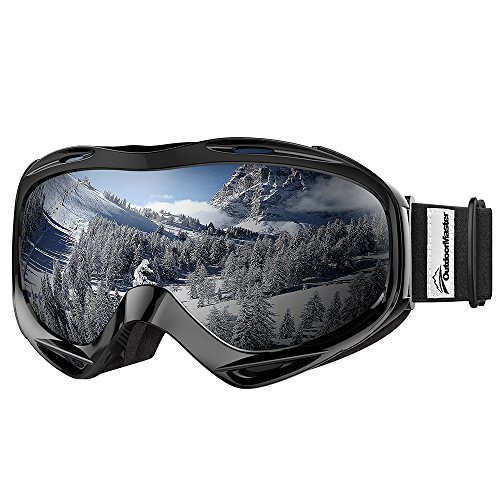
EXP VISION Ski Goggles
EXP VISION Ski Snowboard Goggles go for a clean frameless look, though the bigger story sits in how the lenses behave outdoors. The spherical dual REVO lens design opens up peripheral vision nicely, especially during downhill sections or crowded ski areas where tunnel vision becomes frustrating fast. Snow glare softens without making the terrain look unnaturally dark, which helps newer skiers stay more aware of changing trail texture.
That wider field of view matters more than people realize during cross country skiing. Nordic trails don’t always stay perfectly groomed, and side visibility helps spot icy ridges, walkers, loose snow piles, or narrow turns earlier. A cramped lens setup can feel surprisingly claustrophobic during active movement. EXP VISION avoids that boxed-in feeling fairly well.
The frameless style also gives these goggles a more modern appearance compared to bulky traditional ski models. Some frameless goggles sacrifice durability for appearance, but the REVO-coated lens here feels reasonably solid during regular outdoor use. Minor branch brushes and glove contact won’t instantly ruin the surface, though careful storage still matters because mirrored coatings naturally show scratches more easily over time.
Color tone deserves a quick mention too. The pink finish leans vibrant outdoors without becoming distracting against bright snow conditions. Visibility stays the priority rather than flashy aesthetics pretending to be functional design. That balance actually suits recreational winter sports pretty nicely.
Anti Fog Performance On Cold Trails
Fogging ruins ski momentum quicker than almost anything else. Goggles start clear, body heat builds during movement, then suddenly everything clouds over after a few uphill pushes. Beginners especially struggle here because slower pacing creates more stop-and-go movement, which traps warm air inside the lens area. Cheap goggles usually surrender fast under those conditions.
EXP VISION’s anti-fog system handles moderate winter conditions fairly well thanks to the dual lens structure and vent placement. Airflow moves consistently enough during active skiing to reduce moisture buildup across the lens interior. That makes a noticeable difference during longer cross country loops where constant breathing and sweat create humid conditions around the face.
The vent channels also help during lift rides, parking lot adjustments, and slower scenic sections where airflow naturally decreases. Some goggles fog immediately once movement slows down, forcing people to remove them constantly and expose their eyes to cold wind. These stay more stable through those transitions, which keeps trail rhythm intact.
Now, extreme humidity or heavy wet snowfall can still overwhelm nearly any non-powered anti-fog setup eventually. That limitation isn’t unique to EXP VISION. The difference here is recovery speed. Once airflow returns, the lens tends to clear relatively quickly instead of staying hazy for half the afternoon.
In some cases, a related reference can be found in best ski goggles with fan, especially for people regularly skiing through wetter climates where persistent fogging becomes harder to manage.
Comfort During Long Winter Sessions
Ski goggles can technically fit while still feeling miserable after an hour outside. Tight pressure around the nose bridge, stiff foam edges, or sweaty face contact eventually turns small annoyances into full distractions. Cross country skiing magnifies those comfort problems because movement lasts longer than quick downhill runs.
The three-layer foam construction helps soften facial pressure surprisingly well for this price range. The foam rests gently against the cheeks without creating harsh squeeze points around the temples or nose area. That softer contact becomes noticeable during extended ski sessions where constant movement causes cheaper foam to rub unevenly.
Warmth retention also works nicely without trapping overwhelming heat. Winter wind has a habit of sneaking through poorly sealed goggles and drying out the skin around the eyes. EXP VISION keeps coverage snug enough to reduce that icy draft effect while still allowing decent ventilation.
The adjustable elastic strap feels flexible enough for different helmet sizes too. Beginners often borrow helmets, rent gear, or switch between hats and helmets depending on trail conditions. A strap system that adjusts quickly without awkward stiffness saves unnecessary hassle in freezing parking lots.
One small drawback involves oversized face shapes paired with thick winter balaclavas. The foam seal can feel slightly snug in those situations. Still, average helmet-and-goggle combinations should fit comfortably without constant readjustment.
OTG Design And Real Visibility
Prescription glasses create a whole separate layer of frustration in winter sports. Regular goggles squeeze frames awkwardly, trap condensation faster, and sometimes press glasses directly into the bridge of the nose. That discomfort builds quickly during long ski outings.
The OTG design, meaning over-the-glasses compatibility, handles that issue better than many lower-cost ski goggles. Interior spacing leaves enough room for standard eyeglass frames without crushing the temples against the head. Skiers who rely on prescription lenses can keep natural vision without forcing uncomfortable compromises.
Visibility stays fairly clear even with glasses underneath, provided the eyewear itself has decent anti-fog coating. Some OTG goggles create layered reflections or awkward dead spots around the edges. EXP VISION keeps distortion relatively controlled, which helps maintain smoother depth perception while moving across snow-covered terrain.
That wider visual clarity becomes especially useful during changing weather. Flat afternoon light, drifting snowfall, and tree-shadow sections already challenge depth judgment enough for newer skiers. Goggles that narrow visibility only make those moments more stressful. The spherical lens shape helps reduce that boxed-in sensation considerably.
Helmet compatibility rounds things out nicely too. The strap integrates cleanly across most recreational ski helmets without weird pressure points or awkward sliding. Nobody wants goggles constantly riding upward every time the helmet shifts slightly on uneven trails.
Strengths And Tradeoffs Outdoors
EXP VISION Ski Goggles shine most through balanced everyday usability rather than flashy marketing promises. Visibility stays wide, ventilation handles moderate moisture well, and the frameless design avoids bulky tunnel vision. The OTG support also makes these much easier for glasses wearers compared to many entry-level ski goggles.
Comfort remains one of the stronger parts of the package too. Softer triple-layer foam, flexible strap adjustment, and decent airflow all contribute to longer wear without constant irritation. Cross country skiers spending hours outdoors will probably appreciate that more than aggressive downhill styling details.
Tradeoffs still exist, naturally. Serious backcountry skiers dealing with brutal alpine storms may eventually want higher-end lenses with stronger contrast tuning for extreme flat light conditions. Mirror-coated surfaces also demand careful handling because visible scratches can accumulate faster than matte lenses.
Lens swapping isn’t part of the design either, so changing weather conditions require sticking with the included lens setup. That limitation won’t bother casual winter users much, though advanced skiers chasing specialized light transmission levels might notice the restriction more often.
For beginner cross country setups, recreational downhill days, and general winter trail use, the overall balance feels practical instead of overengineered. Visibility, comfort, and anti-fog performance all support smoother outdoor sessions without turning basic ski gear into a complicated science project.
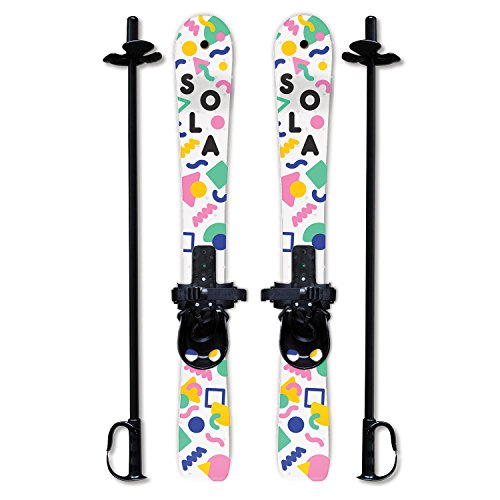
Whitewoods Snowman Backyard Ski Set
Little kids don’t need a serious Nordic setup to fall in love with snow. They need something simple, forgiving, and low-pressure enough that the first backyard shuffle doesn’t turn into tears before lunch. The Whitewoods Snowman 70cm Cross Country Backyard Ski Set fits that early-stage moment better than a scaled-down adult ski would. For families searching around best cross country skis for beginners, this set sits in a very specific lane: tiny beginners, short snow sessions, and playful balance practice.
Whitewoods Snowman Ski Set
Whitewoods Snowman Ski Set keeps the whole idea refreshingly basic. The skis measure 70cm, which makes them short enough for young kids in the ages 2-4 range to manage without dragging long boards through the snow. That shorter length matters because toddlers don’t glide with clean technique yet. They stomp, wiggle, shuffle, stop suddenly, and sometimes sit down right in the track.
The biggest practical win is the pre-mounted binding system. Parents don’t have to mess with drilling, sizing ski boots, or figuring out whether a binding standard matches a toddler boot. The straps go over regular snow boots, which lowers the barrier to getting outside. That alone makes the set feel more backyard-friendly than traditional cross country gear.
No special ski boots are needed, and that’s not a small detail. Kids in this age range outgrow winter footwear fast, so buying dedicated ski boots for casual learning can feel like tossing money into a snowbank. Regular snow boots keep the setup familiar and comfortable. Plus, less gear drama means more time actually moving around in the snow.
The set does not include poles, and honestly, that design choice makes sense for this stage. Poles can become distractions, toys, or accidental poking tools before balance develops. Starting without poles encourages little skiers to feel their feet, shift weight, and stay upright naturally. For early learning, balance comes before speed.
Backyard Learning Without Gear Stress
The Whitewoods design feels built around quick winter moments rather than formal ski training. A short session in the yard, a flat park path, or a gentle snowy field makes more sense than groomed trail mileage. That keeps expectations realistic. This isn’t a performance ski set, and it shouldn’t be treated like one.
Beginner cross country skiing for very young children is mostly about coordination. The child learns how slippery snow feels underfoot, how to stand after tipping sideways, and how to move one ski at a time without panicking. Those lessons are small, but they’re real. A forgiving ski set helps those little experiments happen without making the gear feel bossy.
The waxless base helps with traction across typical backyard snow conditions. Instead of relying on wax knowledge or tuned glide, the base is designed to help the skis grip better. That makes the first few pushes less frustrating. Slipping backward on every movement can sour a kid’s mood fast, especially on colder days.
There’s also a nice psychological benefit here. The setup looks and feels kid-sized, not like adult gear being forced onto tiny feet. That can make the whole activity feel more like play than instruction. And yep, that matters when attention spans are short and mittens are already halfway off.
Pre-Mounted Bindings Make A Difference
Pre-mounted bindings are the feature that gives this ski set its strongest everyday appeal. They’re already attached, so the product is closer to ready-to-use than many entry-level ski setups. For busy winter mornings, that removes a lot of fiddling. Nobody wants to decode binding instructions while a bundled-up child is melting down by the door.
The bindings strap over children’s boots securely enough for basic backyard skiing. That boot-flexible design works well because kids may wear insulated snow boots with different shapes and thicknesses. A universal-style strap gives the setup more room to adapt. Still, the boot should be snug, not floppy, because loose winter boots can make ski control feel messy.
Comfort also depends on how the straps are tightened. Too loose, and the boot shifts around. Too tight, and the child may complain before taking five steps. A little patience during the first fitting helps the skis feel more natural, especially for kids who dislike pressure around their feet.
The binding system is not meant for aggressive terrain or fast downhill play. That’s an important limitation, not a flaw. This set belongs on flat snow, gentle slopes, and supervised play areas. Pushing it beyond that kind of use misses the point of the product.
Waxless Base And Snow Traction
The waxless base gives the Whitewoods Snowman set a more forgiving feel for early ski movement. Young children don’t have the technique to manage a slick racing-style base, and parents shouldn’t have to think about kick wax for backyard practice. A traction-focused base keeps things simple. Simple wins here.
On packed backyard snow, the skis should feel easier to move than slippery plastic toy skis with poor grip. The child can push forward, pause, and restart without the same constant slide-back frustration. That helps build confidence slowly. Confidence, at this age, is half the sport.
Fresh, deep, or wet snow can still feel tricky. Short skis may sink more in soft powder, and heavy snow can cling around the base. That’s normal for a small beginner ski set. Better results usually come from lightly packed snow where the skis can stay on top more easily.
Performance expectations should stay grounded. These skis are made to help kids experience cross country-style movement, not carve groomed tracks with precision. The traction-focused design supports beginner balance, but it won’t replace proper Nordic equipment once skills and size increase.
Durability And Kid-Proof Practicality
Durability matters because toddler gear rarely gets treated gently. Skis get dragged across driveways, dropped near porch steps, stepped on sideways, and sometimes used in ways no product designer could predict. Whitewoods describes the skis and bindings as made with durable material, and that fits the rough-and-tumble job they’re supposed to handle. For casual snow play, toughness matters more than sleek glide.
The build feels aimed at early childhood use rather than long-term athletic progression. That’s a fair tradeoff. Kids ages 2-4 need gear that tolerates awkward movement and short bursts of energy. They don’t need technical camber, race-level weight savings, or complicated boot systems.
The no-poles setup also helps reduce breakage points. Poles are easy to bend, lose, or turn into backyard swords. Leaving them out keeps the focus on skis and stance. As a reviewer, I’d rather see a young child learn stable foot placement first than juggle extra equipment too soon.
There is one practical downside: children who already have better balance may outgrow the simplicity quickly. After a season of confident shuffling, some may want poles or a more traditional junior ski setup. That doesn’t make this set weak. It just means its best window is early learning, not advanced progression.
Pros And Cons In Real Use
Pros start with the easy boot compatibility. Regular snow boots make this set far less intimidating for families trying skiing for the first time. The pre-mounted bindings also save setup time and reduce confusion. That combination makes spontaneous snow play much easier.
The 70cm length is another strength for very young kids. Short skis are easier to control, easier to carry, and less likely to tangle during clumsy first steps. The waxless base adds helpful traction, which supports forward movement without requiring maintenance knowledge. For backyard learning, those choices feel practical.
Cons are tied mostly to growth and terrain limits. The ages 2-4 fit range means this set has a naturally short lifespan. Older or taller kids may need longer skis sooner than expected. Poles are not included either, which is fine for balance practice but may disappoint anyone expecting a full ski package.
The set also works best in gentle spaces. Rough trails, steep slopes, icy hills, or deep powder can make the experience frustrating. These skis are better treated as a snow-play learning tool than serious cross country touring gear. In some cases, a neutral winter styling reference sits apart from ski gear, such as how to tie a long rectangle scarf, especially around cold-weather layering discussions.
Best Fit And Realistic Expectations
Whitewoods Snowman Ski Set makes the most sense for first contact with skiing. It gives small children a safe-feeling way to stand on skis, shuffle forward, and laugh through a few harmless tumbles. That playful entry point matters more than technical polish. A kid who enjoys the first snow session is more likely to try again.
The set’s value comes from lowering friction. No special boots, no poles, no wax routine, no complicated sizing puzzle. Parents can strap the skis over winter boots and keep the session short, warm, and cheerful. That’s often the right formula for toddlers.
As an expert lens, the design supports the early motor skills that later help with real cross country skiing. Weight transfer, balance recovery, foot awareness, and comfort on snow all begin here. Those skills don’t need groomed trails or fancy gear. They need repetition without pressure.
As a product user, the tradeoff is clear. This isn’t the ski set for long trail outings or polished technique. It’s the set for backyard starts, tiny winter adventures, and low-stakes practice where the main win is keeping snow fun instead of turning it into a lesson plan.
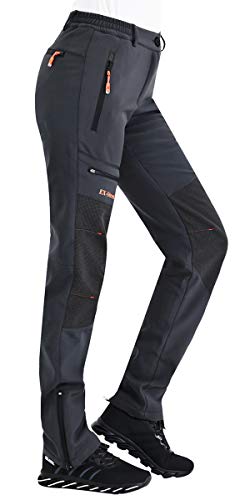
Postropaky Women’s Snow Ski Pants
Cold legs have a sneaky way of wrecking a good snow day before the skis even settle into a rhythm. A beginner can have forgiving skis, warm gloves, and decent balance, yet still feel miserable if wind cuts through thin pants or wet snow soaks in at the knees. The Postropaky Women’s Outdoor Snow Ski Pants answer that problem with a waterproof softshell build, fleece lining, and enough movement-friendly stretch for awkward first strides. For anyone sorting through best cross country skis for beginners gear, pants like these matter because comfort below the waist affects stamina, confidence, and plain old patience.
Postropaky Snow Ski Pants
Postropaky Snow Ski Pants feel built for practical winter movement rather than polished lodge posing. The surface layer uses a stretchy spandex waterproof coating designed to repel water, rain, snow, and oil stains. That kind of protection matters during beginner ski days because falling, kneeling, brushing snow off boots, and sitting on frosty benches all happen more than expected. Staying dry keeps the mood from sliding downhill.
The inner layer brings a skin-friendly fleece lining, which gives the pants a warmer, softer feel without turning them into stiff snowmobile shells. Cross country skiing creates heat once the body gets moving, so overly bulky pants can feel like a sauna after the first mile. These land closer to the active winter side of the closet. Warm, but not absurdly padded.
The overall shape uses 3D cutting with a mid-waist design and elastic side sections. That means the pants can flex with bending knees, climbing motions, and the occasional clumsy snow recovery. Beginners rarely move with perfect form, and clothing has to forgive that. A rigid waistband or tight thigh area would make the learning curve feel even more annoying.
The grey color keeps things simple and easy to pair with ski jackets, insulated layers, or casual winter tops. It’s not loud, which some people will appreciate. Still, the bigger appeal sits in the functional details: zippered pockets, ankle openings, articulated knees, and ripstop fabric. Those features make the pants feel more like real outdoor gear than basic fleece-lined leggings.
Waterproof Comfort In Snow
Water resistance is the headline feature, and it’s easy to see why. Snow days don’t stay clean and fluffy forever. Trails turn slushy, parking lots collect dirty meltwater, and beginner falls usually land right where pants take the most abuse. A surface that repels moisture helps keep cold from creeping through the fabric.
The waterproof coating also blocks wind, which may matter even more than snow on exposed trails. Cross country skiing often includes open fields, lakeside paths, or long straight stretches where cold air hits the legs nonstop. Thin hiking pants can feel fine indoors, then betray you outside in five minutes. These Postropaky pants add a better shield against that sharp winter bite.
Breathability still plays a role, and the fleece interior includes a moisture-wicking treatment. That’s useful because winter pants have to handle two types of moisture: snow from the outside and sweat from the inside. If sweat lingers against the skin, warmth drops fast once movement slows. A drier inner feel helps during stop-and-go ski sessions.
One tradeoff deserves honesty. Waterproof softshell pants are not the same as fully sealed alpine shell pants built for storm-heavy mountain days. Heavy, wet snowfall or long sitting periods in slush may test the limits. For recreational skiing, winter hiking, snowy errands, and beginner cross country practice, the protection feels better matched than overbuilt.
Movement And Fit On The Trail
Cross country skiing asks pants to move constantly. Knees bend, hips open, ankles flex, and the stride repeats again and again. Articulated knees give the Postropaky pants a noticeable advantage here because they reduce that pulling feeling around the thigh and knee. Less fabric resistance means the body can settle into a smoother rhythm.
The softshell material includes stretch, which helps during hill climbs, boot adjustments, and those less-than-graceful moments after catching a ski edge. A beginner might not think about pants until they restrict movement. Then, suddenly, every stride feels like arguing with fabric. These pants avoid most of that stiff winter-pants problem.
The mid-waist with elastic sides adds comfort without feeling sloppy. A little give at the waist helps while layering thermal bottoms underneath or bending to tighten boots. Still, sizing should be checked carefully because insulated pants can feel different over base layers. Too snug, and the fleece loses comfort. Too loose, and the waist may shift during active movement.
The ankle zipper opening is another practical win. Ski boots, hiking boots, and snow boots don’t always slide smoothly through narrow cuffs. The zipper gives extra room for dressing and helps the lower leg sit more neatly over winter footwear. That detail can save a surprising amount of frustration in a cold parking lot.
Storage And Outdoor Use
The pants include four large-capacity zippered pockets, and that’s more useful than it sounds. Winter gear often buries jacket pockets under straps, gloves, scarves, or backpack belts. Having secure pants storage for a phone, wallet, keys, or small trail items keeps essentials reachable. Zippers matter because snow tumbles and loose pockets are a bad mix.
For ski days, those pockets help reduce the need for a bulky bag on short outings. A phone can stay protected, keys won’t bounce out, and small accessories have a place to go. The design feels practical for people moving between car, trail, lodge, and snowy sidewalks. Nothing fancy, just helpful.
The product description also mentions uses beyond skiing, including snowboarding, snowmobiling, hiking, hunting, fishing, traveling, climbing, camping, mountaineering, and cycling. That broad use case makes sense because softshell winter pants tend to work across cold-weather activities. The key is choosing the activity intensity carefully. High-sweat cycling may feel warmer than expected, while slower winter walking may feel just right.
A related neutral reference sits outside ski gear but still belongs in winter home-and-style planning: how to paint a fireplace mantel can fit naturally around cold-season indoor projects after snowy outdoor routines wind down.
Pros And Cons
Pros begin with the balance between warmth and mobility. The fleece lining adds comfort in cold weather, while the stretchy waterproof coating helps block snow, rain, and wind. That combination supports beginner ski sessions where the body alternates between effort, rest, and the occasional slow shuffle uphill. Warm legs make it easier to stay outside longer without getting cranky.
The zippered pockets are another strong point. Secure storage feels especially helpful during winter activities because gloves make dropped items harder to recover. The mid-waist fit, elastic sides, and articulated knees also make the pants more forgiving during movement. For active snow use, those design choices matter more than decorative details.
Cons mostly come from expectations. These pants are insulated softshell pants, not heavy-duty expedition shells. Extreme wet storms, deep powder sitting, or intense alpine abuse may require a more specialized pant with stronger weather sealing. That doesn’t make the Postropaky pants weak; it just defines their lane.
The ankle zipper helps with ski boots, though bulky boots may still require careful adjustment. Fit can also vary depending on base layers, body shape, and preferred room around the hips and thighs. The product description recommends checking the size chart, and that advice is worth taking seriously. Winter pants that almost fit can become annoying fast once movement starts.
Best Uses And Limits
Postropaky Women’s Snow Ski Pants make the most sense for active winter days where comfort, warmth, and flexibility all need to work together. Beginner cross country skiing fits that profile well because the pace changes constantly. A slow start, a steady glide, a short climb, then a break in the cold. Clothing has to handle all of it without becoming a distraction.
The pants also suit winter hiking and snowy travel days where sitting, walking, and bending happen in the same outing. The ripstop, scratch-resistant, and tear-resistant fabric adds reassurance around brush, gravel, trail edges, or rough outdoor surfaces. That matters for anyone who doesn’t stay neatly on groomed paths. Snow days get messy, after all.
These pants may not be the best match for people wanting ultra-light Nordic racing apparel. The fleece lining and outdoor utility features add warmth and structure, which helps casual winter comfort but may feel too warm for high-output training. On the flip side, very cold stationary activities may need extra base layers underneath. The sweet spot sits in moderate winter movement.
From a reviewer’s angle, the appeal comes from how many small frustrations the design tries to reduce. Wet knees, cold wind, stiff bending, awkward boot cuffs, and unsafe pocket storage all get addressed in some way. Not perfectly, not magically, but practically. That practical streak makes the pants easy to understand beside best cross country skis for beginners gear focused on comfort and confidence.
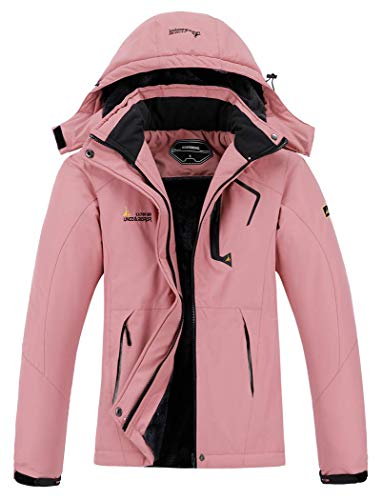
MOERDENG Women’s Ski Jacket
A cold gust sneaking through a jacket can make a snowy trail feel twice as long. Beginner winter outings already come with enough little battles, stiff boots, awkward balance, foggy breath, damp sleeves, and that quiet worry that the weather might turn mean before the day is done. The MOERDENG Women’s Waterproof Ski Jacket focuses on the basics that matter most: staying dry, blocking wind, holding warmth, and keeping movement relaxed. Paired with best cross country skis for beginners, a jacket like this helps keep attention on rhythm and footing instead of shivering through every stop.
MOERDENG Women’s Ski Jacket
MOERDENG Women’s Ski Jacket takes a practical winter-coat approach rather than acting like race gear. The product details point to a waterproof and windproof snow jacket made for rainy, misty, and snowy weather. That matters because beginner snow days are rarely clean and predictable. A trail can start crisp and dry, then turn damp near parking lots, shaded trees, or late-afternoon slush.
The relaxed-fit style gives the jacket a more forgiving feel over base layers and fleece midlayers. Tight jackets can make cross country skiing feel awkward because the arms and shoulders move more than expected. Poles, balance checks, boot adjustments, and uphill effort all ask for room. A little extra space can feel like a blessing when the body warms up and movement gets less stiff.
The jacket uses a professional water-repellent coating, fluff lining, and durable fabric according to the provided details. That combination aims at heat retention without letting outside moisture take over too quickly. It’s the kind of design that makes sense for snowsports, winter walking, and cold-weather travel. Not too delicate, not overly complicated.
The standard-fit sizing note deserves attention. Winter jackets can feel different depending on layering habits, shoulder width, and whether a thicker hoodie goes underneath. Choosing by US size helps, but checking fit expectations before layering is still smart. A ski jacket that feels fine indoors can become restrictive once arms start swinging outside.
Warmth Without Feeling Boxed In
Heat retention sits at the heart of this jacket’s appeal. The fluff lining is designed to help trap warmth, which can be a real comfort boost during slow winter starts or windy lift-side waiting. Cross country skiing creates body heat, sure, but beginners often stop often. Those pauses are where warmth matters.
The soft inner build gives the jacket a cozier feel than a bare shell. That helps during cold trail prep, walking from the car, or standing around while gear gets sorted. Nobody wants to feel frozen before the skis even touch snow. A jacket that warms quickly can make the first ten minutes less grumpy.
At the same time, this isn’t a featherweight Nordic racing layer. The insulation and relaxed fit may feel warmer than needed during intense, fast-paced ski workouts. For easy loops, learning sessions, downhill skiing, snowboarding, and mixed winter activities, the warmth makes more sense. For high-output speed training, lighter layering may feel less bulky.
The real trick is matching the jacket to the day. A thin base layer underneath can work for active movement, while colder, slower days may call for extra fleece. The quick-dry material adds a helpful safety net when light moisture or sweat becomes part of the outing. Dry comfort is what keeps winter clothing from turning sour halfway through.
Windproof Protection On Snowy Days
Wind can be nastier than snowfall during beginner ski outings. It cuts through weak fabric, chills damp layers, and makes open trails feel exposed fast. The MOERDENG jacket’s highly wind-resistant soft shell gives it a useful edge for outdoor winter sports. That feature matters on flat Nordic routes where trees don’t always block gusts.
The adjustable cuffs help seal warmth around the wrists. Loose cuffs might not seem like a big deal until cold air runs straight up the sleeves during pole swings or snow clearing. Tightening that area helps reduce heat loss without needing bulky glove layering tricks. Small seal points can change the whole comfort level.
The hooded raincoat-style design also adds protection when mist, light rain, or snow starts drifting sideways. A hood won’t replace a helmet system for downhill use, but it adds coverage during walking, waiting, or casual snow travel. That flexibility fits the jacket’s multipurpose personality. One coat, several winter scenarios.
Windproof comfort also helps with confidence. A beginner who feels protected from weather is more likely to stay outside long enough to build rhythm. Cold wind has a way of making small mistakes feel bigger. Blocking that discomfort keeps the mind calmer and the body looser.
Waterproof Details And Weather Limits
Waterproof function gives this jacket its strongest everyday value. Snow melts on sleeves, rain spits sideways, and mist settles into fabric during long winter outings. The provided description says the jacket fights rainy or misty weather and keeps the body dry and comfortable outside. That fits the needs of casual snowsports well.
For cross country skiing, waterproof protection helps most during falling snow, brush contact, and warm-weather trail days. Beginners may also kneel in snow while fixing boots or sit briefly on damp benches. A water-repellent outer surface helps stop those little exposures from turning into soaked fabric. Nobody wants a wet jacket clinging at the elbows.
Still, realistic limits matter. Water-repellent coatings handle many winter conditions, but they aren’t the same as fully technical rain shells with sealed performance claims. Heavy rain, long exposure to wet surfaces, or extreme storm skiing could push the jacket past its comfort zone. That’s not a knock, just a fair expectation.
The fabric sounds better suited to normal winter weather than harsh expedition use. Snowboarding, downhill skiing, snowsports, and general outdoor winter activities are clearly within its lane. Durable fabric gives it enough toughness for regular wear, but rough tree skiing or sharp gear edges still call for care.
Fit, Mobility, And Everyday Use
The relaxed-fit style is a smart choice for winter beginners because layering rarely looks tidy at first. Base layers bunch, fleece cuffs stack up, and gloves fight with sleeves. A little room keeps all of that from feeling claustrophobic. Moving around in winter gear should not feel like wearing cardboard.
Arm mobility matters, especially for cross country skiing. Even casual skiers use shoulders and elbows more than they expect. A jacket that pulls across the back can make pole movement feel awkward and tiring. The MOERDENG jacket’s softer shell and relaxed shape should support more natural movement than stiff, narrow coats.
The jacket also works beyond the ski trail. The product description lists downhill skiing, snowboarding, snowsports, and other winter outdoor sports. That wider use makes sense for anyone who wants one jacket for snowy weekends, travel days, cold errands, and mountain trips. Gear that doesn’t sit forgotten after one outing earns its space.
A neutral related reference can sit outside winter jackets without pretending to be ski gear, and in some cases best nursing shoes waterproof belongs in broader waterproof footwear discussions where long hours and wet surfaces are part of the comfort equation.
Pros And Cons
Pros start with weather coverage. The jacket combines waterproof, windproof, and warm lining features, which covers the big three concerns for winter comfort. For beginner snowsports, that combination reduces the chance of quitting early because sleeves feel damp or wind keeps biting through the torso.
The adjustable cuffs are another strength. They help seal warmth at the wrists and make the jacket easier to pair with gloves. The relaxed fit also gives room for layering, which is useful across changing winter temperatures. A single jacket feels more flexible when it can handle both light and heavier underlayers.
Cons come from activity intensity and weather extremes. The jacket may feel too warm during hard, fast Nordic skiing where breathability and low weight matter more than insulation. It also may not be the right choice for intense rain exposure or technical alpine trips that require specialized storm protection.
Sizing can be another possible snag. Standard fit sounds straightforward, but winter layering changes everything. A jacket that fits closely over a T-shirt may feel tight over fleece. The provided US-size guidance helps, though people between sizes may need to think carefully about layering preferences.
Practical Use With Beginner Ski Gear
MOERDENG Women’s Ski Jacket fits naturally into a beginner winter setup because it solves comfort problems before they become trip-ending annoyances. Warm lining keeps slow starts easier, wind resistance helps on exposed snow, and the water-repellent coating handles everyday winter mess. That’s a sensible mix for casual ski days.
The jacket also supports confidence in unpredictable weather. New skiers often focus so hard on footwork that they forget how much clothing affects stamina. Wet sleeves, cold wrists, and wind-chilled backs can make the whole outing feel harder than it is. Better coverage keeps those distractions in check.
For downhill skiing and snowboarding, the hood, cuffs, and insulated design feel useful. For cross country skiing, the jacket works best at relaxed or moderate paces rather than intense training speed. That distinction matters because best cross country skis for beginners gear usually favors comfort, control, and forgiveness over stripped-down athletic minimalism.
As a reviewer, I’d call the jacket more practical than technical. As a winter user, I’d appreciate the warmth and weather blocking on days that shift from dry cold to damp snow. As an outdoor-gear nerd, I’d keep expectations grounded: comfortable, protective, and useful across many winter settings, but not a specialized shell for severe mountain storms.


Best Green Ski Goggles 2026 For Clear Vision On Slopes
Best Ski Goggles Under 30 Inches For Crisp Vision And Comfort

Best Backcountry Ski Goggles 2026 For Crystal Clear Vision

Best Frameless Ski Goggles Men for Clear Vision and All-Day Comfort
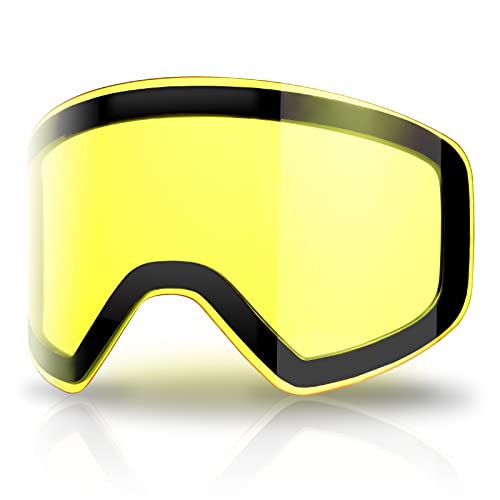
best yellow ski goggles Snow Clarity

Best EXP Vision Ski Goggles 2026 Ultimate Clarity Picks

Discover the Best Mens Ski Goggles of 2026
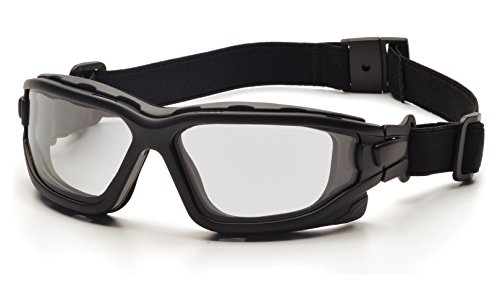
Best Slim Ski Goggles for Clear Vision, Lightweight Comfort, and a Low-Profile Fit





