
best jet ski for salt water 2026 picks

best jet ski for salt water decisions usually start with one nagging worry: salt doesn’t play nice. It creeps into fittings, eats at neglected hardware, stains trailers, and turns lazy post-ride habits into expensive repairs. So the smarter pick isn’t just the fastest craft on the dock. It’s the one that makes rinsing, flushing, storage, and rough-water control feel less like a second job.
Closed-loop cooling deserves real attention because it helps keep raw saltwater away from key engine passages. That’s why many coastal riders lean toward Sea-Doo models, especially practical setups like the GTI, Explorer Pro, and FishPro lines. Still, Yamaha and Kawasaki shouldn’t be brushed aside. Their bigger hulls, dependable engines, and strong dealer networks can make plenty of sense for people who ride often and maintain their machines properly.
Ocean chop changes the whole conversation. A tiny, playful ski feels fun on calm water, then starts slapping, bouncing, and wearing out your arms once the wind kicks up. Longer hulls track better, carry gear with less drama, and feel calmer when boat wakes stack up. Sure, they cost more and take more space to tow, but that tradeoff pays off once the ride gets sloppy.
Storage capacity matters more than spec-sheet bragging rights. Towels, dock lines, dry bags, safety gear, phone cases, and a small cooler all need a place that won’t become a wet mess. A saltwater-friendly jet ski should also offer easy access to flush ports, drains, and compartments. Small details get boring fast, then oddly important after the third sandy launch of the month.
Fuel range also separates casual lake toys from serious coastal machines. Saltwater rides often stretch farther than planned because sandbars, islands, and open bays invite detours. A bigger fuel tank gives breathing room, especially where marinas aren’t close. Nobody wants to spend a pretty afternoon doing mental math with the fuel gauge blinking like a bad omen.
Maintenance habits still decide the long-term winner. Even a well-built saltwater jet ski needs rinsing, flushing, drying, and corrosion protection after rides. Stainless hardware helps, but it’s not magic. Skip the routine long enough and even a pricey machine starts looking tired around bolts, hinges, clamps, and trailer contact points.
The best fit usually lands between rugged comfort and manageable upkeep. A supercharged performance ski can be a blast, but extra power often brings extra fuel burn, added service costs, and less patience for sloppy care. A naturally aspirated model may feel calmer on paper, yet it’s often the wiser coastal companion. Less drama, fewer headaches, and more weekends spent riding instead of chasing little problems.

- BWP Score10.0
BWP Score is a ranking system developed by Bestwinterproducts.com. BWP score has no relationship or impact from any manufacturers or sales agent websites. Learn more
- BrandWAVESRX

- BWP Score10.0
BWP Score is a ranking system developed by Bestwinterproducts.com. BWP score has no relationship or impact from any manufacturers or sales agent websites. Learn more
- BrandPactrade Marine

- BWP Score9.8
BWP Score is a ranking system developed by Bestwinterproducts.com. BWP score has no relationship or impact from any manufacturers or sales agent websites. Learn more
- BrandWAVESRX

- BWP Score9.6
BWP Score is a ranking system developed by Bestwinterproducts.com. BWP score has no relationship or impact from any manufacturers or sales agent websites. Learn more
- BrandWAVESRX
- BWP Score9.6
BWP Score is a ranking system developed by Bestwinterproducts.com. BWP score has no relationship or impact from any manufacturers or sales agent websites. Learn more
- BrandBetter Boat

- BWP Score9.4
BWP Score is a ranking system developed by Bestwinterproducts.com. BWP score has no relationship or impact from any manufacturers or sales agent websites. Learn more
- BrandSTAR BRITE

- BWP Score9.4
BWP Score is a ranking system developed by Bestwinterproducts.com. BWP score has no relationship or impact from any manufacturers or sales agent websites. Learn more
- BrandAtlantis
- BWP Score9.4
BWP Score is a ranking system developed by Bestwinterproducts.com. BWP score has no relationship or impact from any manufacturers or sales agent websites. Learn more
- BrandSalt-Away

- BWP Score9.4
BWP Score is a ranking system developed by Bestwinterproducts.com. BWP score has no relationship or impact from any manufacturers or sales agent websites. Learn more
- BrandObcursco
- BWP Score9.0
BWP Score is a ranking system developed by Bestwinterproducts.com. BWP score has no relationship or impact from any manufacturers or sales agent websites. Learn more
- BrandBetter Boat

- BWP Score7.2
BWP Score is a ranking system developed by Bestwinterproducts.com. BWP score has no relationship or impact from any manufacturers or sales agent websites. Learn more
- BrandCunhill
Last update on 2023-05-28 / Affiliate links / Images, Product Titles, and Product Highlights from Amazon Product Advertising API
best jet ski for salt water bilge care
Salt residue has a sneaky way of turning a fun ride into a maintenance headache a few weeks later. Bilge areas collect grime, oily film, funky odors, and crusty mineral buildup that most people don’t even notice until pumps start acting sluggish or the inside of the hull smells stale. That’s exactly where WAVESRX Salt Neutralizing BilgePods steps into the picture. Instead of dragging out brushes, buckets, and harsh cleaners after every coastal ride, these little water-soluble pods quietly activate while the craft is already moving through the water.
WAVESRX BilgePods
Convenience carries this product harder than flashy marketing ever could. The pod drops directly into the lowest part of the hull, dissolves automatically, and starts mixing with bilge water as the ride continues. No tearing packets open. No measuring liquid cleaners. No wrestling with slippery bottles at the marina while balancing on a trailer fender. That simplicity matters more than people expect after a long afternoon under the sun.
Water-activated cleaning feels surprisingly practical for jet skis and smaller boats that constantly deal with splashing water inside the hull. Motion from riding helps move the activated cleaner around the bilge area, letting it contact oily residue, sludge, and salt deposits naturally. Some cleaners demand downtime and scrubbing sessions afterward, but this formula works in the background while the craft is already in use. Frankly, that cuts out the most annoying part of routine maintenance.
Storage space also becomes less of a pain. Bulky marine cleaning supplies tend to pile up fast in garages and dock boxes, especially for people juggling life jackets, ropes, dry bags, and trailer gear. These pods stay compact and easy to stash without leaking or creating chemical smells around storage areas. Little detail, sure, but clutter adds up quickly around watercraft setups.
Bilge odor control deserves attention too because stagnant water trapped inside hull compartments can smell rough after repeated saltwater rides. The pod formula doesn’t just target visible grime. It also helps break down the oily buildup and stagnant residue that often causes that damp, sour smell hanging around the bilge area. A cleaner interior hull simply feels less neglected overall.
Salt Buildup And Corrosion Control
Salt corrosion destroys parts slowly and quietly. Metal fittings, pumps, clamps, and hidden hardware take the hit first, especially in warm coastal climates where moisture sticks around. WAVESRX designed these BilgePods specifically to neutralize salt and mineral deposits before they start creating bigger problems inside the hull. That focus makes sense for anyone riding regularly in brackish bays, ocean inlets, or salt-heavy marinas.
Bilge pump protection stands out as one of the smarter benefits here. Pumps don’t usually fail overnight. Gunk, residue, oily film, and crusted minerals gradually interfere with efficiency until water removal becomes inconsistent. By helping reduce buildup inside the bilge area, the activated cleaning mixture supports cleaner pump operation over time. Less residue floating around means fewer nasty surprises during inspections or post-ride draining.
Oil stains and sludge are another ugly reality in marine environments. Even careful owners deal with grime from engine compartments, fuel residue, and murky bilge water after repeated use. The formula aims to loosen and break down that mess while the craft moves naturally through waves and wakes. That active movement helps distribute the cleaner into corners that don’t always get attention during quick rinse-downs.
Maintenance routines become easier to stick with because the process doesn’t feel like a chore. Plenty of marine products sound effective but end up sitting unused because setup takes too long. These pods lean into low-effort upkeep instead. Drop one in, ride normally, then pump the activated solution out afterward. Simple routines usually survive busy weekends better than complicated ones.
Surface Safety And Everyday Practicality
Surface compatibility matters inside personal watercraft and boats because hull interiors combine multiple materials in tight spaces. Fiberglass, rubber seals, painted areas, vinyl sections, metal fittings, and stained wood can all sit inches apart. WAVESRX states the formula is ammonia-free, bleach-free, and phosphate-free, which helps reduce worries about harsh chemical exposure inside those enclosed compartments.
Eco-conscious cleaning also gives this product a more balanced feel compared to heavy-duty chemical cleaners that leave strong fumes behind. The biodegradable formula and Green Seal certification add reassurance for people riding in delicate coastal environments, marshes, or busy marina systems. Marine ecosystems already deal with enough abuse from fuel residue and runoff. Using a cleaner designed to reduce environmental strain feels like a sensible shift rather than a trendy talking point.
Pre-measured pods remove a lot of guesswork from the process. Liquid cleaners often end up overused because eyeballing measurements on a rocking dock rarely goes smoothly. One pod handles up to five gallons of dirty bilge water, while larger boats can scale up by adding extra pods depending on length. That straightforward system keeps the process predictable.
Florida-made production oddly fits the product personality well. Coastal conditions there are brutal on marine equipment, so products developed around salt-heavy boating culture tend to focus on practical durability instead of flashy gimmicks. That vibe shows here. The BilgePods aren’t pretending to reinvent watercraft maintenance. They simply tackle one of the messiest and most ignored areas inside the hull.
Small gear details often shape comfort more than expected during long outdoor sessions. In a completely separate category, cold-weather layering habits sometimes overlap with water activities and travel prep, and a related reference appears in best womens socks for small feet. Little comfort fixes tend to matter more after hours outside.
Tradeoffs Worth Knowing Before Buying
Hands-free cleaning sounds appealing, but realistic expectations still matter. These pods help manage routine buildup and odors during regular use, yet they won’t magically erase years of neglected sludge packed into an old bilge system. Heavily contaminated hull interiors may still require manual scrubbing before maintenance products like this can maintain cleaner conditions consistently.
Ride motion dependency also plays a role in how effectively the solution spreads around the bilge area. Active riding naturally splashes the mixture through the hull, helping it contact grime and residue. A craft sitting mostly idle at the dock won’t create the same cleaning circulation. That’s not really a flaw, though it does explain why the product aligns best with regularly used watercraft.
Pod sizing could become slightly inconvenient for larger vessels. Owners of longer boats need additional pods for increased bilge water capacity, which means supplies may disappear faster during peak boating season. Smaller jet skis and compact watercraft probably get the best value because a single pod often handles the cleaning needs without extra adjustments.
Strong chemical smell isn’t part of the experience here, and honestly, that’s refreshing. Some marine cleaners hit like industrial solvents the moment compartments open. WAVESRX takes a gentler approach instead. The product feels more focused on steady maintenance support rather than aggressive chemical stripping, which fits everyday recreational use better.
best jet ski for salt water docking rope
Docking a jet ski sounds easy right up until the tide shifts, wakes roll through the marina, and the hull starts tugging hard against a stiff rope. That jerking motion wears on cleats, scratches surfaces, and turns quick fuel stops into awkward balancing acts. Pactrade Marine Bungee Dock Line leans into a simpler approach by adding stretch directly into the mooring setup. Instead of fighting every wave movement, the rope absorbs some of the shock before it transfers into the craft.
Pactrade Marine Bungee Dock Line
Elastic tension control becomes the main attraction here. The built-in bungee core stretches from roughly 4 feet to 5.5 feet, helping reduce the hard snap that traditional dock ropes often create around floating docks and busy launch ramps. Smaller personal watercraft bounce around more than heavier boats, so that little bit of give can make docking feel calmer and less frantic.
Saltwater practicality also helps this setup stand out. The included SS316 snap hook matters because marine hardware lives a rough life around salt spray, humidity, and constant moisture exposure. Cheap clips tend to rust, seize up, or discolor surprisingly fast near the coast. Stainless hardware won’t eliminate maintenance completely, but it definitely slows down the ugly corrosion cycle that plagues bargain dock accessories.
Quick attachment changes the day-to-day experience more than expected. The snap hook and adjustable loop system reduce the hassle of tying and retying knots every time the jet ski pulls into a dock. Some people love knot work. Plenty don’t. After a long ride, especially with wet hands or choppy conditions, simple attachment systems feel less exhausting.
Compact storage deserves a mention too. Bulky marine ropes turn into tangled messes fast inside small storage compartments. These bungee dock lines stay relatively easy to coil and stash without eating valuable space needed for life vests, dry bags, tow ropes, or small repair kits. Personal watercraft storage fills up quicker than most riders expect.
Strengths During Real Docking Situations
Wave shock absorption becomes noticeable almost immediately in marinas with heavy boat traffic. Passing wakes constantly yank lightweight PWCs against the dock, especially during busy weekends. The bungee core softens that sudden pull, helping reduce stress on dock cleats and hull contact points. That smoother motion also cuts down on the annoying slap-and-pull feeling that stiff lines often create.
EVA foam protection adds another practical layer. The foam sections help prevent chafing against the side of the craft while also keeping the line floating near the surface instead of sinking into murky water. Sinking ropes become frustrating quickly around propellers, trailers, and crowded launch areas. Floating lines are simply easier to manage during quick stops.
Dockside convenience feels especially useful for solo riders. Handling a jet ski alone while dealing with wind drift and water movement can get awkward in seconds. The adjustable loop and snap system speed things up enough to reduce fumbling around at the cleat. A fast tie-up process matters when nearby traffic starts piling pressure onto the dock area.
Stretch flexibility works nicely for pontoons, kayaks, and smaller boats too, so the rope setup doesn’t feel limited to one type of watercraft. That versatility helps if multiple toys rotate through the same dock area throughout the season. One rope system handling several situations usually beats keeping separate gear piles for every craft.
Tradeoffs Worth Mentioning
Heavy current conditions may push this type of dock line near its comfort zone. The built-in elasticity helps absorb movement, but extreme tidal pull or rough open-water docking can still create strong tension against smaller bungee systems. Larger offshore boats dealing with aggressive surge may need thicker or longer mooring setups for added security.
Stretch behavior also requires a little adjustment period. Traditional ropes stay predictable because they barely move once tied down. Bungee lines react differently, especially for anyone used to rigid docking methods. The softer tension feels smoother overall, though some boaters initially prefer the firmer hold of non-stretch marine ropes.
Length limitations might frustrate owners docking farther from cleats or dealing with taller dock layouts. Since the unstretched line sits around 3 feet 8 inches before extension, spacing becomes important. Compact docks and jet ski slips fit the setup best. Longer reach situations could require additional lines or alternative mooring configurations.
Color visibility lands somewhere in the middle. The black-and-white design looks clean without screaming for attention, though darker rope sections can blend into wet docks during low light. That’s a small nitpick, admittedly, but nighttime docking already comes with enough fumbling around as it is.
Everyday Ownership Experience
Routine use reveals whether marine accessories genuinely help or just sound clever online. This dock line earns points because it removes small frustrations that pile up over time. Less knot tying, smoother docking movement, floating rope management, and softer hull tension all contribute to a more relaxed marina routine. Nothing flashy. Just practical.
Material durability feels reasonably balanced for regular freshwater and saltwater use. The polyethylene braided rope shell protects the elastic core while resisting normal wear from wet conditions and repeated handling. Constant UV exposure and harsh abrasion will eventually wear any dock line down, of course, but this setup appears designed for repeated seasonal use rather than disposable weekend duty.
Jet ski ownership often turns into a battle against little annoyances instead of major failures. Tangled ropes, rough docking impact, wet storage compartments, and awkward tie-offs slowly chip away at the fun side of riding. Products that simplify those repetitive moments tend to matter more long term than flashy accessories nobody actually uses after the first month.
Weather-related gear choices sometimes overlap more than expected during coastal trips and marina travel days. In some cases, a related reference appears in best adidas shoes for rain, especially for slippery dock conditions and wet launch ramps where traction becomes part of the whole routine.
WAVESRX EpicWash+ Salt Neutralizing Wash
Salt spray doesn’t wait politely on the surface until the weekend cleanup mood hits. It dries into chalky deposits, hides around textured trim, and leaves that dull, tired look on gelcoat, plastic, metal, rubber, and vinyl. For anyone trying to keep a best jet ski for salt water setup looking sharp after regular coastal rides, WAVESRX EpicWash+ feels built around the real post-ride problem: washing away salt without turning cleanup into a half-day punishment. The product’s pitch is simple enough, yet the details matter because saltwater finish care is less about one dramatic wash and more about repeating the right routine before damage stacks up.
WAVESRX EpicWash+
WAVESRX EpicWash+ is a salt neutralizing boat soap and jet ski wash made for rinsing away salt deposits, minerals, grime, mud, oils, and other surface contaminants after time on the water. Its biggest appeal sits in the way it combines cleaning with SiO2 surface protection, so the wash isn’t just about removing what stuck to the craft today. It also leaves behind a slicker protective layer meant to help repel saltwater and contaminants between washes.
The spray-on, rinse-off setup is a nice fit for people who already use a foam cannon during post-ride cleanup. Add a small amount to the cannon, cover the outside surfaces, let the soap sit for about five minutes, then rinse. That short dwell time gives the cleaner a chance to loosen salt, mineral film, and grime without making the process feel fussy. Nobody wants to baby every inch of a jet ski after sun, chop, fuel stops, and trailer loading.
Surface coverage is one of the better parts of the formula. The product description lists compatibility with gelcoat, paint, plastics, metals, vinyl, rubber, glass, and textured surfaces. That matters because watercraft aren’t made from one neat material. A jet ski has glossy panels, grip areas, trim pieces, rubber seals, and metal hardware sitting close together, so a cleaner that can handle mixed surfaces reduces the need to juggle three different bottles.
The brand also frames this as a marine-grade cleaner rather than a general household soap with a boat label slapped on the front. That distinction matters in saltwater care because ordinary cleaners may remove dirt but still leave mineral residue behind. EpicWash+ aims to encapsulate and remove salt deposits, which is the part that really speaks to repeated coastal use. Salt left behind after lazy rinsing is usually where finish headaches begin.
Salt Removal And Finish Protection
Salt neutralizing performance is the core reason this wash makes sense for watercraft used in coastal conditions. Prolonged saltwater exposure can be rough on finishes, hardware, and trim, especially when the craft sits in heat after a ride. A quick plain-water rinse helps, but it doesn’t always break down stubborn deposits around seams, non-skid texture, and lower areas where spray dries unevenly. EpicWash+ gives that rinse routine more bite without turning into an aggressive scrub job.
SiO2 protection adds a second layer of usefulness. The wash leaves a hydrophobic shield that helps water and contaminants roll off more easily, which can reduce how stubborn grime feels during the next cleanup. That doesn’t mean it replaces careful washing, waxing, or ceramic maintenance forever. Still, the ability to reinforce an existing wax or ceramic coating makes it practical for watercraft that already get regular finish care.
The high-gloss effect will probably appeal to anyone tired of that flat, salty haze that shows up after rides. A shiny surface isn’t just vanity either. Smooth, protected finishes tend to shed grime better than neglected surfaces with oxidation and rough mineral buildup. Color rejuvenation and gloss are nice bonuses, but the more practical benefit is making future cleanup feel less stubborn.
UV exposure adds another layer of wear for boats and jet skis that sit on lifts, trailers, or docks. The product description says the ceramic coating helps guard against oxidation, corrosion, and UV deterioration between washes. That sounds useful for long boating seasons where sun and salt team up like troublemakers. The realistic expectation is maintenance support, not a magic shield against neglect.
Ease Of Use After Saltwater Rides
Foam cannon application gives this wash its easiest rhythm. Spraying wide surfaces is faster than working from a bucket, especially around curved hull panels, rear platforms, and textured deck areas. The five-minute wait time also feels reasonable because it fits into the usual post-ride shuffle. Tie down the trailer, unload gear, rinse the flush area, then wash the outer surfaces before salt dries harder.
The formula’s spray-on, rinse-off routine helps reduce friction in maintenance habits. That’s a bigger deal than it sounds. Products that require too many steps often get skipped after the first few enthusiastic cleanups. A wash that fits into a normal rinse-down routine has a better shot at being used consistently, and consistency is the real secret with saltwater machines.
Textured surfaces can be annoying because grime clings in tiny grooves. This product is described as safe for textured areas, which gives it a useful edge around footwells, deck mats, and grip sections. Those spots collect sunscreen residue, fishy water, mud, and dock grime faster than glossy panels. A cleaner that can move across those zones without switching bottles keeps the job moving.
From a practical angle, a home maintenance task with a completely different moisture-control problem appears in how to block off a fireplace, and the shared lesson is simple: unwanted exposure causes trouble fastest in the places people forget to seal, rinse, or protect. Watercraft care follows that same stubborn pattern.
Pros And Cons Of The Formula
Pros start with convenience. EpicWash+ combines cleaning, salt neutralizing, and a protective SiO2 finish in one wash step, which cuts down on bottle clutter and routine confusion. The formula is described as biodegradable, non-toxic, and environmentally friendly, giving it a better fit around marine settings than harsh cleaners with heavy chemical odor. Made in Florida also makes sense for a product built around salt, sun, and frequent watercraft cleanup.
Surface versatility is another clear strength. Gelcoat, paint, plastic, metal, vinyl, rubber, glass, and textured surfaces all show up in the product description, so the cleaner isn’t limited to one shiny section of the craft. That wider compatibility helps during full exterior washes, especially on boats and jet skis with mixed materials. It’s easier to keep a steady cleaning pace when the product doesn’t force constant second-guessing.
Cons are mostly tied to expectations and setup. The foam cannon method sounds easy, but not everyone already owns or wants to use one. A rinse-off cleaner also depends on good water access, which may be inconvenient at crowded ramps, storage lots, or marinas with limited washdown stations. The five-minute dwell time is short, but it still requires attention instead of a lazy splash-and-go rinse.
Protection claims should be treated as maintenance support rather than permanent armor. SiO2 can help create slickness and reinforce existing wax or ceramic coatings, but it won’t save a craft that sits salty for days after every ride. Oxidation, corrosion, and UV wear still demand steady care, covered storage when possible, and smart rinse habits. EpicWash+ helps the routine, but it doesn’t replace the routine.
Best Use Cases And Realistic Limits
Frequent saltwater rides make the strongest case for this wash. Jet skis and boats that hit bays, coastal channels, and ocean launches need more than a casual garden-hose rinse to stay clean. Salt crystals, minerals, and grime become more stubborn once they dry into corners and textured sections. EpicWash+ fits the owner who wants one cleaner to handle that repeated exposure without overcomplicating the day.
Weekend cleanup routines also benefit from the glossy protective finish. A slicker surface can make the next wash feel less like scraping dried residue off neglected panels. That’s especially helpful for darker finishes where salt haze shows quickly and makes the craft look older than it is. The shine factor is nice, but easier cleanup is the real win.
Heavy buildup is where expectations need to stay grounded. If a boat or jet ski already has deep staining, oxidation, or baked-on grime from months of poor care, this wash may not erase all of that in one pass. A dedicated restoration product or more involved detailing may be needed first. After that, EpicWash+ makes more sense as a regular maintenance wash that helps keep surfaces from sliding back into rough shape.
Eco-friendly positioning gives the product a thoughtful edge, especially because wash water can easily run near drains, docks, yards, and launch areas. The brand describes the formula as 100% biodegradable, environmentally friendly, and non-toxic. That doesn’t mean careless dumping is fine, of course. It simply makes the product feel better suited for the marine spaces where it’s likely to be used.
WAVESRX EpicFlush+ Motor Flush Protectant
A shiny hull can fool people into thinking the whole machine is cared for, but salt loves the hidden places most. Cooling lines, metal passages, seals, and internal components don’t get admired at the dock, yet they take a beating after every salty run. For a best jet ski for salt water maintenance setup, WAVESRX EpicFlush+ aims at the less glamorous side of ownership: flushing out salt deposits before they settle in and start chewing through parts. It’s the kind of product that makes sense after the ride is over, when the fun stops and the real preservation work begins.
WAVESRX EpicFlush+
WAVESRX EpicFlush+ is a salt-neutralizing motor flush concentrate built for boats and jet skis used in corrosive water conditions. The formula is designed to penetrate, encapsulate, and remove salt and mineral deposits from internal cooling systems. That focus matters because plain freshwater flushing can help rinse the system, but salt residue may still linger in tight bends and hidden passages. A dedicated cleaner gives the routine more purpose than just running water through and hoping for the best.
Engine cooling health sits at the center of this product’s value. Salt, rust, minerals, and brine buildup can restrict flow over time, making an engine work harder than it should. The product description says flushing after each outing supports better cooling and efficiency, which lines up with basic marine maintenance logic. Hot-running engines rarely announce trouble politely. They usually start with small warning signs, then get expensive fast.
Application simplicity helps make the product easier to adopt. The stated use is to add half an ounce of concentrate to a flushing kit or mixer, run the diluted mixture through the cooling system, then follow with a freshwater-only rinse. That process sounds manageable for regular post-ride care, especially for people already flushing their watercraft after saltwater use. No complicated teardown, no messy scrubbing, just a more intentional flush cycle.
Compatibility also broadens its appeal. The formula is described for inboard, outboard, and jet engines, which makes it useful across different marine setups rather than one narrow watercraft type. It’s also listed as pH-stabilized, sulfate-free, and phosphate-free, with safe use around seals and gaskets. That’s a meaningful detail because internal flushing products need to clean without creating new worries around soft components.
Salt Removal Inside The Cooling System
Salt deposit removal is the reason this product deserves attention in saltwater routines. External washing protects the finish, but the engine and cooling system need their own care. Saltwater moves through areas that are easy to forget after docking, and once minerals start drying inside, the problem gets harder to reverse. EpicFlush+ targets that internal buildup before it becomes part of the machine’s personality.
Rust and mineral control adds another layer of usefulness. The product description says the formula strips away salt, rust, and mineral deposits as it circulates through the engine and cooling lines. That’s especially relevant for watercraft that see repeat coastal use, brackish channels, or seasonal storage after saltwater rides. Leaving untreated residue inside the system during long storage is asking for trouble, and frankly, trouble loves a quiet off-season.
Protective coating is where this flush goes beyond simple cleaning. WAVESRX says the formula leaves a durable monomolecular barrier designed to repel saltwater and brine. That sounds like a practical maintenance bonus because future exposure is inevitable for saltwater craft. The reasonable expectation, though, is support between cleanings, not a free pass to skip flushing after hard rides.
Freshwater follow-up keeps the process grounded. After the treatment mixture runs through the system, the instructions call for a freshwater-only rinse. That extra step matters because leftover cleaner and loosened deposits need to move out cleanly. A rushed flush can leave the job half-done, which defeats the whole point of using a more focused formula.
Pros For Saltwater Jet Ski Care
The biggest strength is how directly EpicFlush+ addresses the problem saltwater owners actually lose sleep over. Salt corrosion doesn’t stay on the surface. It hides inside cooling paths, metal components, and areas that aren’t visible during a normal rinse-down. A formula built to neutralize salt and minerals gives the post-ride routine a clearer job.
Concentrated dosing is another plus. Half an ounce per flush kit or mixer use means the bottle isn’t treated like a one-and-done cleaner. Concentrates also take up less room in a garage, dock box, or trailer storage setup. Small bottles that do focused work often fit better into real maintenance routines than bulky jugs that always seem to leak at the worst moment.
Engine type flexibility gives the product a practical edge for mixed watercraft households. Inboard, outboard, and jet engines can all fall under its described use, so the same bottle may support more than one machine. That reduces clutter and confusion, especially where a boat, jet ski, and seasonal gear all compete for shelf space. Simple systems tend to get used more often.
Gentler chemistry claims help too. A pH-stabilized, sulfate-free, and phosphate-free formula sounds better suited to repeated maintenance than harsh cleaners with mystery ingredients. The stated safety around seals and gaskets is especially important because those parts don’t like being abused. Cleaning power means little if it creates another repair bill somewhere else.
Cons And Real-World Limits
The main drawback is that EpicFlush+ still requires discipline. A bottle can’t protect an engine if it sits unopened while salt dries inside the cooling system. The process has to become part of the post-ride habit, especially after ocean, bay, or brackish water use. Skipping flushes and expecting a later deep clean to fix everything is wishful thinking.
Setup needs may also slow down casual owners. The product works through a flushing kit or mixer, so the experience depends partly on having the right flushing arrangement for the boat or jet ski. Some people already have that dialed in. Others may need to sort out fittings, water access, and timing before the product feels convenient.
Old buildup may not disappear instantly. Engines that have seen years of salt exposure without steady flushing could have stubborn deposits that need more than one treatment or a professional inspection. EpicFlush+ makes the most sense as ongoing care, not a miracle fix for neglected cooling systems. That distinction matters because maintenance products work best before damage becomes a full-blown problem.
Protective barrier claims should stay in perspective. The monomolecular coating is described as helping repel saltwater and brine, but real-world protection still depends on flushing frequency, storage habits, water conditions, and engine design. Saltwater is relentless. Even a good protectant needs backup from fresh rinses, drying time, and sensible off-season prep.
Winter Storage And Routine Flushing
Seasonal storage is a smart use case for this formula. The product description specifically notes flushing marine engines when winterizing or storing watercraft for an extended period. That makes sense because trapped salt and minerals can sit inside the system for months if the craft is parked dirty. Time turns small residue into bigger headaches.
Routine flushing after each outing is still the everyday sweet spot. Saltwater maintenance works best as a rhythm, not a rescue mission. Ride, rinse, flush, drain, and store properly. It’s not glamorous, but neither is explaining a preventable cooling issue during peak season.
Florida-made positioning fits the product’s saltwater personality. Florida’s boating climate dishes out heat, humidity, brine, and constant sun, so a marine-care formula made there feels aligned with the conditions it’s meant to handle. That doesn’t prove performance by itself, of course, but it does match the product’s purpose. Salt-heavy environments demand cleaners built with that environment in mind.
Cross-category upkeep sometimes shares the same lesson: small prep steps prevent awkward fixes later. In a separate lifestyle setting, one practical reference is how to tie a scarf as a shirt, where fit, folding, and tension matter in a totally different way. Watercraft flushing follows its own version of that idea, with timing and flow doing most of the quiet work.
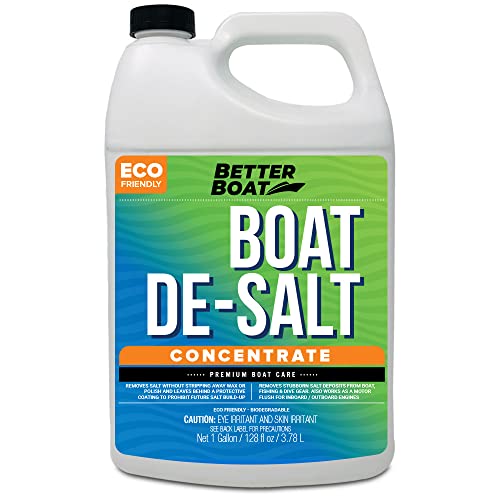
Better Boat De-Salt Concentrate Salt Remover
Salt doesn’t need much time to make a mess. It dries on trailer frames, clings to deck texture, hides around fittings, and sneaks into engine flushing routines like an unwanted guest that never wipes its feet. For a best jet ski for salt water maintenance kit, Better Boat De-Salt Concentrate has a straightforward job: break down salt deposits across marine surfaces and help reduce future buildup without stripping wax or polish. That mix of cleaning and preservation gives it a practical edge, especially after coastal rides where a plain rinse starts feeling a little too hopeful.
Better Boat De-Salt
Better Boat De-Salt is a concentrated salt remover and engine flush made for boats, jet skis, motors, trailers, gear, and other surfaces that take abuse from saltwater or road salt. The one-gallon format makes sense for regular maintenance because salt cleanup isn’t a once-a-season chore. It shows up after every launch, every rough ride, every trailer pull, and every lazy rinse that didn’t quite reach the corners.
Multi-use flexibility is the first thing that gives this product some real-world usefulness. The description lists boats, kayaks, jet skis, life jackets, fishing gear, dive equipment, camping gear, decks, trailers, cars, floors, and even dinghies. That’s a broad lane, but it matches how salt behaves. It doesn’t respect categories. It lands wherever wet gear, spray, brine, or winter road grime happen to go.
Wax and polish safety matters because aggressive cleaners can solve one problem while starting another. Better Boat says the formula breaks down salt without stripping away wax or polish, which is a big deal for gelcoat, painted surfaces, and polished metal. A cleaner that removes salt but dulls the finish would be a pain in the neck. This one is positioned more like routine care than a harsh reset.
Material compatibility also helps reduce second-guessing during cleanup. The product description mentions fiberglass, vinyl, wood, aluminum, painted surfaces, plastic, rubber, chrome, and stainless steel. That matters because a jet ski and trailer setup usually combines several of those materials in one messy wash zone. Less bottle-swapping means the whole cleanup process moves along without turning the driveway into a chemistry project.
Salt Removal And Surface Protection
Salt breakdown is the heart of the formula. A normal freshwater rinse can knock loose surface spray, but stubborn salt deposits often stay tucked into seams, textured areas, trailer hardware, and engine components. This concentrate is designed to break down those deposits and leave a protective barrier that helps reduce future buildup. That doesn’t mean salt gives up forever, but it can make the next rinse less of a wrestling match.
Corrosion protection is the other half of the story. Saltwater exposure attacks metal parts quietly, especially on trailers, clamps, rails, fasteners, and engine areas that stay damp after storage. Better Boat describes the formula as leaving a barrier that protects against corrosion, which fits the needs of watercraft that see repeated saltwater use. Little bits of prevention matter because corrosion rarely announces itself early.
Jet ski cleaning benefits from a product that can move beyond the shiny exterior panels. Footwells, rear platforms, pump areas, trailer bunks, and tie-down zones all collect salt and grime in different ways. A cleaner that handles marine-safe surfaces and also works for gear makes the post-ride routine feel less scattered. That’s the kind of boring practicality that keeps equipment looking cared for.
Road salt removal gives the concentrate a second life beyond summer watercraft use. The product description includes cars, floors, and road salt neutralizing, which makes it useful during cold-weather months too. That crossover value can matter for storage shelves already crowded with soaps, waxes, flush kits, and random dock hardware. One bottle covering multiple salt problems feels sensible.
Engine Flush Use And Winterizing
Inboard, outboard, and jet engine flushing gives this product more depth than a simple exterior wash. Salt inside an engine cooling system can become a slow-burn problem if it’s ignored after saltwater rides. Better Boat positions this concentrate as a marine engine flush that removes stubborn salt deposits from I/O engines and jet skis. That makes it relevant for routine flushing and seasonal storage prep.
Winterizing support is worth noting because long storage can magnify small maintenance shortcuts. Watercraft parked with salt residue inside cooling areas are asking for rough surprises later. The product is described as suitable as part of a winterizing boat kit, which makes sense for anyone cleaning and flushing before a long break. Salt left sitting for months is never doing anyone a favor.
Eco-friendly and biodegradable wording adds a useful reassurance for marine cleaning. Wash water often ends up near driveways, docks, yards, or launch areas, so a formula positioned as earth-friendly feels better suited to the job than a harsh cleaner with heavy fumes. That said, responsible use still matters. Even better-formulated cleaners belong in a thoughtful wash routine, not dumped carelessly into waterways.
Concentrated value is another practical point. The description says a little of the concentrate goes a long way, which suits frequent cleaning better than a ready-to-use spray that disappears quickly. Concentrates do require proper mixing, so there’s a small learning curve. Still, for repeated salt exposure, having more usable product on hand beats running out after a couple of busy weekends.
Pros Worth Paying Attention To
The biggest strength is the product’s ability to handle several salt-related jobs from one bottle. Exterior washdowns, motor flushing, trailer cleanup, gear rinsing, and road salt removal all fall within the described use cases. That wide scope fits real ownership because salt messes rarely stay in one neat place. It’s on the craft, the trailer, the garage floor, and sometimes the gear piled in the back of the vehicle.
Surface-safe cleaning gives Better Boat De-Salt a calmer personality than harsher chemical removers. Compatibility with fiberglass, vinyl, wood, aluminum, plastic, rubber, chrome, stainless steel, and painted surfaces makes it easier to use around mixed materials. That’s especially useful on jet skis and boats where trim, deck texture, hardware, and finish surfaces sit close together. Nobody wants a cleaner that forces constant fear around overspray.
Finish preservation is a quiet but important benefit. Breaking down salt without stripping wax or polish helps maintain protection already applied to the surface. That’s valuable because wax and polish take effort, and harsh wash products can undo that work fast. A routine salt remover should support the finish, not punish it.
Made in the USA may matter to people who prefer domestic marine-care supplies. Better Boat frames its products as developed by boaters, which fits the practical tone of the formula. No need to over-romanticize it. The appeal is simple: a salt remover built around common boating chores instead of a generic cleaner pretending to understand them.
Cons And Usage Tradeoffs
Mixing requirements can be a minor downside for anyone who prefers grab-and-spray products. Concentrates usually offer better long-term value, but they also demand measuring, dilution, and the right setup for the job. A rushed cleanup after a hot day on the water might make a pre-mixed bottle feel easier. Convenience and value don’t always sit in the same seat.
Engine flush results depend heavily on routine. A salt remover can help break down deposits, but it won’t rescue an engine that has been neglected for years without proper inspection or service. Old buildup, restricted passages, or corrosion damage may require more than a maintenance flush. Better Boat De-Salt makes the most sense as steady upkeep, not a miracle cure after seasons of skipped care.
Broad use claims also require common sense. The formula is described for many surfaces and gear types, but sensitive finishes and older materials still deserve a small test area first. Painted parts, aged rubber, weathered wood, and polished metals can react differently depending on condition. Careful use beats assuming every surface will behave the same.
Storage space is another small tradeoff. A one-gallon bottle gives plenty of concentrate, but it takes up more room than compact pods or small treatment bottles. That won’t bother anyone with a garage shelf or dock box, but tight storage around apartments, small sheds, or packed trailers may make the size feel bulky. From a practical angle, wet-weather gear conversations sometimes share the same storage-and-protection mindset, and a related reference appears in best gore tex winter running shoes.
Best Fit And Realistic Expectations
Frequent salt exposure is where this product makes the strongest case. Jet skis used in bays, coastal launches, marinas, and brackish water need regular salt control on surfaces and inside engine systems. Trailers also deserve attention because they often get ignored until rust starts blooming around bolts and joints. A cleaner that covers both craft and trailer gives the whole setup a better fighting chance.
Gear cleanup adds more everyday value than some people expect. Life jackets, dive gear, fishing equipment, kayaks, camping items, and dinghy surfaces can all carry salty residue back into storage areas. That residue creates odor, stiffness, corrosion, and crusty buildup over time. Rinsing gear with a salt-removing solution can help keep equipment from feeling grimy before the next outing.
Maintenance discipline still decides how useful the product becomes. Salt care works best as a habit, not a rescue plan. Rinse, flush, clean, dry, and store with intention. Better Boat De-Salt can make those steps more effective, but it can’t replace the steps entirely.
Realistic expectations keep the review fair. This concentrate brings strong versatility, finish-friendly salt breakdown, engine flush use, and corrosion-focused protection into one bottle. The limits are equally clear: it needs proper dilution, regular use, and sensible handling around older or delicate materials. Used consistently, it fits the unglamorous but necessary side of owning watercraft in salty environments.


Best Green Ski Goggles 2026 For Clear Vision On Slopes
Best Ski Goggles Under 30 Inches For Crisp Vision And Comfort

Best Backcountry Ski Goggles 2026 For Crystal Clear Vision

Best Frameless Ski Goggles Men for Clear Vision and All-Day Comfort

best yellow ski goggles Snow Clarity

Best EXP Vision Ski Goggles 2026 Ultimate Clarity Picks

Discover the Best Mens Ski Goggles of 2026
Best Slim Ski Goggles for Clear Vision, Lightweight Comfort, and a Low-Profile Fit





