
Best mens ski boots for beginners 2026 guide

Best mens ski boots for beginners shouldn’t feel like punishment before the first run even starts. A good beginner boot gives enough support to hold an edge, yet it still flexes without fighting every shin movement. That balance matters because stiff race-style boots can make basic turns feel clumsy, tense, and honestly, a little miserable. Comfort isn’t a luxury here, it’s the thing that keeps legs fresher and confidence moving uphill instead of sideways.
Soft to medium flex ski boots usually make more sense than overly aggressive shells. A forgiving flex helps new skiers bend into the boot instead of getting shoved into the back seat. Still, too soft can feel sloppy once speed picks up, so the sweet spot is usually supportive but not brick-hard. Think steady, not stubborn.
Fit matters more than flashy features. Loose boots can cause heel lift, delayed control, and that annoying feeling of steering through wet cardboard. Too tight, though, and numb toes can ruin a half-day ticket before lunch. A snug heel, gentle toe contact, and secure ankle hold usually beat extra buckles or fancy marketing every time.
Last width deserves real attention, especially if rental boots have always felt like foot traps. Wider feet often need a roomier shell, while narrow feet need better heel hold to avoid sliding around. Liners will pack out slightly after use, so buying a boot that feels roomy in the shop can backfire later. Yep, the first fit should feel close, not cozy like slippers.
Beginner ski boots also need practical warmth and easy entry. Cold feet make people tense up, and tense legs don’t learn turns smoothly. Walk-mode designs, softer plastic around the cuff, and simple buckle layouts can make parking-lot struggles less ridiculous. Still, walk mode isn’t a magic fix, so downhill comfort and control should come first.
Boot compatibility also matters. Alpine boots must match the binding system, and grip-walk soles need compatible bindings to work safely. That little detail gets overlooked, then suddenly the setup doesn’t click in cleanly. Better to confirm sole type before buying than deal with a surprise at the resort.
The smartest pick feels secure, warm, and predictable without demanding expert-level strength. A boot that helps with balance, pressure control, and smooth turn initiation will do more than one loaded with features that sound impressive but don’t solve real slope problems. Start with fit, flex, and comfort, then worry about extras. That’s how best mens ski boots for beginners turns from a search phrase into a much better first season.

- BWP Score10.0
BWP Score is a ranking system developed by Bestwinterproducts.com. BWP score has no relationship or impact from any manufacturers or sales agent websites. Learn more
- BrandTecnica

- BWP Score10.0
BWP Score is a ranking system developed by Bestwinterproducts.com. BWP score has no relationship or impact from any manufacturers or sales agent websites. Learn more
- BrandHEAD

- BWP Score10.0
BWP Score is a ranking system developed by Bestwinterproducts.com. BWP score has no relationship or impact from any manufacturers or sales agent websites. Learn more
- BrandNordica

- BWP Score9.4
BWP Score is a ranking system developed by Bestwinterproducts.com. BWP score has no relationship or impact from any manufacturers or sales agent websites. Learn more
- BrandNordica
- BWP Score9.2
BWP Score is a ranking system developed by Bestwinterproducts.com. BWP score has no relationship or impact from any manufacturers or sales agent websites. Learn more
- BrandO'Brien

- BWP Score9.0
BWP Score is a ranking system developed by Bestwinterproducts.com. BWP score has no relationship or impact from any manufacturers or sales agent websites. Learn more
- BrandO'Brien

- BWP Score9.0
BWP Score is a ranking system developed by Bestwinterproducts.com. BWP score has no relationship or impact from any manufacturers or sales agent websites. Learn more
- BrandYopaseeur
- BWP Score9.0
BWP Score is a ranking system developed by Bestwinterproducts.com. BWP score has no relationship or impact from any manufacturers or sales agent websites. Learn more
- BrandYALOX

- BWP Score8.8
BWP Score is a ranking system developed by Bestwinterproducts.com. BWP score has no relationship or impact from any manufacturers or sales agent websites. Learn more
- BrandFischer

- BWP Score8.8
BWP Score is a ranking system developed by Bestwinterproducts.com. BWP score has no relationship or impact from any manufacturers or sales agent websites. Learn more
- BrandFull Throttle

- BWP Score8.2
BWP Score is a ranking system developed by Bestwinterproducts.com. BWP score has no relationship or impact from any manufacturers or sales agent websites. Learn more
- BrandOdoland

- BWP Score-
BWP Score is a ranking system developed by Bestwinterproducts.com. BWP score has no relationship or impact from any manufacturers or sales agent websites. Learn more
- BrandHEAD
Last update on 2023-05-25 / Affiliate links / Images, Product Titles, and Product Highlights from Amazon Product Advertising API
Best Mens Ski Boots For Beginners
Cold toes and cramped arches can ruin a ski trip faster than bad snow conditions. Plenty of first-time buyers grab stiff boots that look impressive on paper, then spend half the day loosening buckles near the lodge instead of enjoying the mountain. The best mens ski boots for beginners usually lean toward comfort, predictable control, and easier entry instead of race-focused aggression, and that’s exactly where the Tecnica Mach Sport MV 100 settles in. Its mix of warmth, medium-volume fit, and approachable flex makes long resort days feel a whole lot less punishing.
Mach Sport MV 100
Tecnica built this model around practical all-mountain comfort rather than flashy gimmicks. The 100 flex rating lands in a sweet spot that feels supportive without turning every ankle movement into a wrestling match. Intermediate skiers usually appreciate that balance because it helps maintain stability on groomers while still allowing enough forgiveness during uneven turns or tired late-afternoon runs. Legs stay more relaxed, and that changes the entire experience after several hours on snow.
Mid-volume ski boots can be tricky because some brands run narrow despite the label. This one feels more accommodating through the forefoot while still keeping the heel reasonably secure. Skiers with average-width feet often struggle with pressure around the instep after a few runs, especially in colder temperatures, yet the shell shape here avoids that pinched sensation surprisingly well. The fit feels snug instead of suffocating, which matters a lot once liners settle in after repeated use.
The NFS liner deserves real credit. Warmth often gets overlooked during boot shopping because flex numbers and shell materials steal attention, but frozen feet wreck concentration fast. Tecnica shaped the liner anatomically, so it wraps the foot naturally instead of creating random hot spots near the ankle bones. That smoother fit can help reduce the constant buckle adjustments people end up making halfway through the morning.
Long lift days expose uncomfortable boots pretty quickly. Pressure points start creeping in. Calves tighten up. Then every run feels shorter because standing in line becomes more exhausting than skiing itself. The Mach Sport MV 100 handles those fatigue issues better than many entry-to-mid-level options because its comfort-focused shell doesn’t constantly fight natural movement.
Easy Entry Makes A Bigger Difference Than Expected
Parking lots and lodge benches aren’t exactly glamorous parts of skiing, yet frustrating boot entry can sour the mood before the first chairlift. Tecnica uses a Double Quick-Instep design that softens the shell overlap enough to help feet slide in more naturally. That detail sounds small until frozen fingers are trying to force stiff plastic apart at 7:30 in the morning. Suddenly, convenience feels pretty valuable.
The Lift Lock buckles also solve one of those irritating little issues people rarely think about before buying boots. Traditional buckles flop downward and snag pants or shell overlaps while stepping in. Tecnica’s system keeps them lifted out of the way, which makes entry and exit noticeably smoother. It’s one of those features that doesn’t sound exciting online but becomes surprisingly satisfying during actual use.
Flex consistency matters too. Some beginner-friendly boots feel soft indoors but fold unpredictably once temperatures drop outside. The 100 flex shell here stays controlled without becoming overly rigid in colder resort conditions. That steadier response helps maintain smoother edge transitions, especially for skiers still developing confidence on steeper blue runs or mixed afternoon snow.
Not every skier wants a hyper-reactive boot that instantly punishes mistakes. Plenty of people simply want stable turns, warmer feet, and enough support to improve naturally through the season. The Mach Sport MV 100 feels designed around that realistic mindset rather than chasing ultra-aggressive performance numbers.
Comfort And Customization On Real Snow Days
Boot discomfort rarely shows up immediately inside a ski shop. Trouble usually appears three runs later once feet swell slightly and pressure builds against the shell. Tecnica’s C.A.S. customization system helps address those fit issues without requiring an entirely different boot. Skiers dealing with ankle pressure, instep irritation, or minor heel movement can adjust problem areas more precisely instead of settling for a sloppy fit.
Warm ski boots matter more than many people expect during full-day sessions. Cold feet don’t just feel annoying, they reduce responsiveness because muscles tense up and circulation drops. The liner insulation inside this boot keeps warmth reasonably consistent during chairlift rides and windy afternoons. That extra comfort helps maintain focus on technique rather than survival.
Snow conditions change fast throughout the day. Morning groomers can feel firm and predictable, while afternoon terrain turns choppy and uneven after heavy traffic. The all-mountain design of the Mach Sport MV 100 handles those transitions smoothly enough for progressing skiers who want one reliable setup instead of multiple specialized boots. Edge control stays composed without demanding race-level precision from the rider.
Some skiers eventually outgrow softer beginner boots after a single season because they lack support once confidence improves. Tecnica avoided that issue fairly well here. The flex remains approachable, but there’s enough backbone for stronger carving and moderate speed control as skills develop. That longer usability makes the investment feel more practical instead of temporary.
Tradeoffs Worth Knowing Before Buying
Performance-oriented skiers chasing aggressive downhill charging may eventually want something stiffer than a 100 flex boot. Faster, heavier riders sometimes prefer more immediate energy transfer for sharper carving response at higher speeds. The Mach Sport MV 100 leans more toward balanced comfort than razor-sharp power, and honestly, that tradeoff feels intentional rather than limiting.
The mid-volume fit also won’t suit every foot shape equally. Skiers with extremely narrow heels may still need additional fitting work to eliminate subtle movement inside the shell. Meanwhile, very wide forefeet could feel pressure after extended sessions despite the accommodating shape. Proper shell sizing still matters because even well-designed boots can’t magically fit every foot perfectly.
Weight sits somewhere in the middle of the category. These boots don’t feel painfully heavy walking through parking lots, though lightweight-focused skiers might notice the difference compared to touring-inspired hybrids. Then again, that extra structure contributes to the supportive downhill feel, so the tradeoff makes sense for resort-focused skiing.
Gear conversations around skiing often drift toward skis, bindings, or outerwear, yet boots quietly shape almost every part of the experience. Discussions around winter equipment sometimes connect with travel and tracking accessories too, and a related reference appears in best gps tracker for jet ski. Different gear category, sure, but reliability and control matter in both situations.
Tecnica Mach Sport MV 100 stands out because it respects real-world ski days instead of pretending every rider wants race-course stiffness. Warmth feels dependable. Entry stays manageable. Support arrives without excessive punishment on tired legs. For skiers aiming to progress comfortably while avoiding the usual beginner boot frustrations, that balance feels refreshingly grounded.
Best Mens Ski Boots For Beginners
Heavy boots can wear people down before the second chairlift ride even starts. That sluggish feeling during slow traverses or long walks across icy parking lots tends to sneak up on skiers who assumed every boot feels roughly the same. The HEAD Edge LYT 90 Grip Walk takes a noticeably different direction by trimming unnecessary weight while still keeping enough structure for confident downhill control. For anyone easing into longer mountain days, that lighter feel changes the rhythm of skiing in a surprisingly practical way.
Edge LYT 90 Grip Walk
HEAD designed this boot around a pretty smart idea. Less weight can reduce fatigue, but only if the shell still holds steady during turns. Plenty of lightweight ski boots lose that planted feeling once terrain gets choppy or speed increases, yet the LYT construction keeps things supportive without feeling bulky. Legs stay fresher longer, especially during all-day resort sessions where constant movement starts adding up by midafternoon.
Intermediate skiers often hit an awkward phase where beginner boots feel too soft, but stiffer performance models become exhausting. The 90 flex here bridges that gap fairly well. It responds with enough backbone for controlled carving while still allowing smoother ankle movement for skiers developing confidence on steeper runs. That slightly forgiving personality also helps reduce the harsh shin pressure some rigid boots create.
Cold weather has a funny way of exposing bad equipment decisions. Boots that feel manageable indoors can suddenly feel like concrete blocks once temperatures drop on the mountain. The Edge LYT 90 avoids that brick-like stiffness by maintaining a more approachable flex pattern in colder conditions. Turns feel smoother, and small mistakes don’t instantly throw balance off center.
Walking comfort matters too, maybe more than many people admit. Nobody buys ski boots dreaming about parking lot walks, slippery lodge stairs, or awkward treks through packed snow, but those moments happen constantly during a ski trip. The lighter shell and Grip Walk sole make everyday movement feel less clunky and far more natural.
Support That Feels Predictable On Snow
Hi-Top Tech sounds technical, yet the benefit shows up in a simple way on actual runs. The shell and leg work together more cohesively, which creates steadier energy transfer without forcing exaggerated movements. Skiers still refining edge control usually appreciate that predictable feel because it helps skis respond more naturally instead of lagging behind body movement. Confidence builds faster when boots stop feeling disconnected from the skis underneath.
Uneven afternoon snow exposes weak support almost immediately. Chopped-up groomers, small piles of pushed snow, and icy transitions can make softer boots feel unstable in a hurry. The Duo Flex system helps smooth out those rougher sections by keeping flex progression more balanced throughout turns. Instead of collapsing awkwardly mid-turn, the shell stays composed and easier to trust.
Control doesn’t always mean aggressive stiffness. Some skiers actually improve faster in a boot that feels approachable because they stay relaxed instead of constantly fighting the shell. Tension ruins rhythm on skis. A slightly smoother flex pattern like this encourages more natural movement, especially during linked turns where timing and balance matter more than brute force.
Long resort days expose pressure points that barely show up during quick boot fittings. Calf soreness, ankle rub, and numb toes tend to arrive gradually, then suddenly every run feels shorter. The easy-entry design helps reduce some of that hassle because stepping in and out feels far less frustrating than many traditional overlap boots. Little conveniences matter after six straight hours on snow.
Lightweight Construction Without Feeling Fragile
Graphene-based construction plays a big role in how this boot feels underfoot. Weight savings sound nice in marketing copy, but practical benefits matter more. Carrying lighter boots through crowded base areas or maneuvering around tight lodge spaces simply feels less tiring. Then, once clipped into bindings, the reduced bulk helps movements feel quicker and more responsive.
Some lightweight ski boots can feel twitchy at higher speeds because reducing material too aggressively weakens overall support. HEAD avoided that issue fairly well here. The shell still delivers enough stability for confident carving on groomed terrain while staying forgiving enough for progressing skiers. That balance makes the boot feel less intimidating compared to stiffer expert-focused options.
Grip Walk soles deserve more appreciation than they usually get. Traditional alpine soles often feel awkward and slippery during short walks, especially around icy resort walkways. The curved rubber sole here improves traction and creates a more natural rolling motion while walking. Those small improvements reduce the stiff Frankenstein-style shuffle many ski boots force people into.
Resort skiers dealing with crowded base villages or long lift lines usually notice the difference quickly. Better footing adds confidence while carrying skis, stepping over icy patches, or climbing lodge stairs in packed conditions. Comfort outside the bindings might not sound glamorous, though it absolutely affects how enjoyable a ski day feels overall.
Tradeoffs And Realistic Expectations
The Edge LYT 90 leans toward comfort and manageable control more than hard-charging downhill aggression. Advanced skiers who prefer ultra-stiff boots for high-speed carving may eventually want stronger flex and quicker energy transfer. This model focuses more on reducing fatigue and encouraging smoother progression rather than maximizing raw power.
Fit also matters quite a bit here. Skiers with unusually wide feet may still need shell adjustments or custom fitting work depending on foot shape. Meanwhile, very narrow ankles could experience slight heel movement if sizing isn’t dialed in carefully. The shell feels accommodating overall, but ski boots never become truly universal no matter how flexible the marketing sounds.
Warmth and convenience stand out more than flashy race-inspired behavior. That practical focus actually makes sense for most resort skiing situations. Spending all day comfortable inside the boots often matters more than chasing hyper-technical performance that only shows up during aggressive expert-level runs.
Gear conversations sometimes drift into unexpected territory during ski trips, especially once travel accessories and outdoor carry setups come into play. A completely separate reference appears in best lip balm for fordyce spots, which highlights how comfort-related gear discussions tend to overlap across different routines and environments.
HEAD Edge LYT 90 Grip Walk feels thoughtfully tuned for skiers who want easier mountain days without giving up real downhill support. The lighter shell reduces fatigue, the Grip Walk sole improves everyday mobility, and the balanced flex keeps skiing approachable instead of punishing. Some boots demand constant effort. This one feels more interested in keeping people relaxed enough to enjoy another run.
Nordica Sportmachine 3 90 Boots
Walking through a resort base area in stiff ski boots can feel like clomping around in plastic casts. Stairs get awkward, icy walkways feel sketchy, and every extra step from the car to the lift seems longer than it should. That’s why the best mens ski boots for beginners often need more than downhill support, because everyday movement around the mountain can shape the whole ski day. The Nordica Sportmachine 3 90 Boots stand out from the provided details for one clear reason: they’re made to make walking in ski boots feel easier and more natural.
Nordica Sportmachine 3 90
Nordica Sportmachine 3 90 sounds like a boot aimed at the practical side of skiing rather than the ego side. The name suggests a sport-focused design, but the detail provided centers on walkability, which matters more than many first boot buyers expect. A ski boot can feel supportive on snow and still become a headache off the skis. That’s where natural walking comfort becomes a real everyday advantage.
Beginner-friendly ski gear often gets judged only by how it performs during turns, yet the day starts long before the first run. There’s the parking lot shuffle, the lodge floor, the line at rentals, the awkward moment of carrying skis while trying not to slip. A boot that helps walking feel less forced can reduce that early fatigue before skiing even begins. Small comfort wins stack up, especially during a full resort day.
The 90 flex in the product name also gives this boot an approachable identity, though the provided description doesn’t include a full flex explanation from the source. In general ski boot language, that number usually points toward a more manageable feel than stiffer expert-level options. For a newer skier still learning balance and pressure control, a boot that isn’t overly punishing can make practice feel less like a wrestling match. Still, proper fitting matters more than any number printed on the shell.
Black, anthracite, and red give the boot a clean alpine look without screaming for attention. That doesn’t affect performance, of course, but gear that looks sharp without being loud has its own quiet appeal. More importantly, the listed 28.5 size should remind buyers that ski boot sizing isn’t the same as casual shoe sizing. A sloppy fit can ruin control, while an overly tight fit can make every chairlift ride feel longer than it is.
Walking Comfort Changes The Whole Routine
Walking in ski boots is one of those pain points people underestimate until they’re doing it. Traditional ski boots lock the foot and lower leg into a forward stance, which helps skiing but makes normal steps feel stiff and unnatural. The provided detail says the Nordica Men Sportmachine 3 90 Boots make walking easier and more natural, and that feature speaks directly to a common resort frustration. Less clumsy movement can make the day feel smoother from the first buckle-up.
Natural walking doesn’t mean the boot suddenly feels like a hiking shoe. That expectation would be unrealistic. Ski boots still need structure, shell support, and a shape that transfers movement into the ski. The useful part is reducing that rigid, heel-stomping stride that makes short walks feel oddly tiring.
Base-area comfort can matter even more for newer skiers because everything already feels like a lot. Carrying skis, managing poles, dealing with gloves, remembering lift tickets, and moving through crowded areas can pile on stress fast. A boot that makes walking feel easier helps remove one piece of that chaos. Not glamorous, sure, but very practical.
Natural roll while walking also helps during breaks. Walking into the lodge, stepping through slushy paths, or moving around ski racks becomes less awkward when the boot cooperates a little more. That kind of convenience won’t replace good fit, but it can make the overall experience less tiring. For many first-time boot buyers, that’s a bigger deal than chasing aggressive stiffness.
Support Without Overcomplicating The Choice
Ski boot support needs to feel dependable, not intimidating. The Sportmachine 3 90 sits in a category that sounds more forgiving than hard-charging race boots, based on the name and flex number. That can be helpful for skiers who want enough structure to improve but don’t want a boot that punishes every small mistake. A less severe flex can make turn practice feel more natural, especially while building confidence on groomed terrain.
Control starts with fit. Even a well-designed boot can feel terrible if the heel lifts, the toes jam, or the instep gets crushed. The provided product information doesn’t mention liner type, shell width, buckle system, or heat customization, so those details shouldn’t be guessed. A smart review has to stay honest here: the strongest confirmed benefit is easier, more natural walking.
That said, a ski boot focused on movement comfort can still make sense for long beginner days. Newer skiers often stop more, walk more, adjust more, and take more breaks than seasoned skiers. Those off-snow moments add up. A boot that doesn’t make every step feel like a chore can help preserve energy for actual skiing.
Beginner ski boots shouldn’t feel like borrowed punishment devices. They should hold the foot securely, support the shin, and help the skier move with fewer distractions. The Sportmachine 3 90’s walking-focused benefit fits that practical philosophy. It doesn’t promise magic, and that’s probably a good thing.
Fit, Limits, And Real-World Expectations
Nordica Sportmachine 3 90 may appeal most in situations where comfort around the resort matters as much as slope performance. Long walks from parking areas, frequent lodge stops, and beginner lessons can make easier movement feel surprisingly valuable. Still, the product details provided don’t confirm advanced features like custom liners, exact last width, insulation level, or sole compatibility. Buyers should treat the walkability note as the main verified feature, not a full performance profile.
The 28.5 size listed is specific, so sizing deserves careful attention. Ski boots are meant to feel snug, and many people accidentally buy them too large because they expect the comfort of street shoes. That usually creates heel movement, delayed ski response, and a wobbly feeling during turns. A proper boot fit should feel close and secure without causing sharp pressure.
The 90 flex may not satisfy heavier or more aggressive skiers who want strong rebound and firm edge power at higher speeds. It may also be more boot than someone needs for a first-ever bunny-slope afternoon, depending on strength, weight, and comfort tolerance. That middle-ground personality can be useful, but it’s not automatically right for every foot or every style. Ski boots are personal, sometimes annoyingly so.
Style accessories sometimes enter winter outfit planning once the ski day moves beyond boots and bindings, and a separate clothing reference can sit naturally in how to wear infinity scarves without forcing it into the boot discussion. That topic isn’t part of ski boot performance, but it does live in the broader world of cold-weather dressing and practical layering choices. Keeping the connection loose avoids making the product sound like something it isn’t. Honest writing beats a forced tie-in every time.
Where This Boot Makes The Most Sense
Nordica Men Sportmachine 3 90 Boots feel best described as a practical ski boot choice for someone who doesn’t want the off-snow part of skiing to feel miserable. The provided walking benefit is simple, but it hits a real nerve. Ski boots are notorious for awkward movement, and making that movement easier can improve the entire routine. Less fuss before and after runs often means more patience on the hill.
The boot’s appeal comes from restraint. It doesn’t need exaggerated claims to sound useful. Easier walking, a sport-oriented design, and a moderate-looking flex number create a sensible picture for resort skiing. That’s enough to make it worth considering within a best mens ski boots for beginners lineup, especially where comfort and convenience carry serious weight.
There are still missing details that matter. No provided information confirms width category, liner material, buckle count, insulation specifics, or binding sole standard. Those omissions don’t make the boot weak, but they do mean buyers should avoid assuming features that weren’t stated. A careful fit session remains the safest way to decide whether the shell shape truly works.
Walking comfort remains the clearest strength. For newer skiers, that benefit can reduce fatigue, frustration, and the awkward “why do these feel so weird?” moment that often comes with ski boots. The Sportmachine 3 90 won’t replace proper technique or professional fitting, but it gives the day a friendlier starting point. And honestly, that’s not a small thing.
Nordica Cruise 70 Boots
Boot struggles usually show up before the skis even touch snow. One foot sticks halfway in, the shell bites the instep, and suddenly the morning starts with a wrestling match on a crowded bench. The Nordica Cruise 70 Boots speak to that exact annoyance with soft plastic inserts in the throat that help with easier step-in and step-out, which is a practical reason they belong in a best mens ski boots for beginners conversation. Less drama getting dressed means more patience left for turns, balance, and all the little corrections that make skiing click.
Nordica Cruise 70
Nordica Cruise 70 keeps the pitch refreshingly simple. Instead of loading the boot with complicated claims, the provided details focus on easy entry, fit adjustment, and custom fit potential. That’s a pretty sensible direction for a ski boot built around comfort and accessibility. A boot that’s easier to put on can remove one of the most annoying barriers to getting out on the mountain.
The soft plastic inserts integrated into the throat are the first feature worth caring about. Stiff boot openings can pinch the top of the foot and make every step-in feel like a chore, especially on cold mornings when plastic naturally feels less cooperative. Softer material around that entry area helps the foot slide in without forcing the shell apart with both hands. Small detail, big relief.
A 70 flex also gives this boot a more forgiving personality than the stiffer models often pushed toward stronger skiers. Flex alone doesn’t define comfort, but it does shape how demanding the boot feels during forward movement. For learning controlled turns, a softer boot can make it easier to bend the knees and stay centered. That relaxed flex may help reduce the stiff-legged stance that makes early ski days feel awkward.
The black, white, and red colorway looks classic without turning the boot into a fashion statement. Looks won’t carve a turn, of course. Still, a clean design pairs well with the boot’s practical character. The listed 28.5 size also reminds buyers that ski boot sizing needs careful attention, since too much room inside the shell can make steering feel delayed and sloppy.
Entry Comfort For Cold Mornings
Easy step-in and step-out may sound basic until icy fingers, thick socks, and frozen shell plastic join the party. Ski boots often feel most frustrating at the exact moment people have the least patience. The Cruise 70’s softer throat inserts help reduce that stiff opening fight, making the boot feel more welcoming during the morning routine. That matters because frustration before the first run can sour the whole day.
Comfort-focused entry also helps after skiing, when tired legs make even simple tasks feel clumsy. Pulling feet out of stubborn boots at the end of the day can be oddly exhausting. A more forgiving throat area can make removal smoother and less dramatic. Nobody wants to finish a good ski day by yanking at buckles like they’re opening a stuck garage door.
Beginner ski boots shouldn’t punish people for not having a bootfitter’s patience. They need to feel secure on snow but reasonable during normal resort movement. Nordica’s entry design leans into that real-life need instead of pretending ski days happen only on groomers. The boot feels built around the whole routine, not just the downhill part.
There’s a tradeoff, though. Easier entry doesn’t replace precise fit, and a soft shell area won’t magically fix sizing mistakes. A boot that’s too large can still allow heel lift, while a boot that’s too small can still create sharp pressure. The Cruise 70 works best when its convenience features support an already sensible fit.
Instep Volume Control Adds Practical Flexibility
Instep Volume Control is the feature that gives this boot more adjustment potential than a basic comfort shell. Nordica uses a red insert in the wedge, visible in the heel area, and that insert can be rotated to change the internal volume. The provided range is plus or minus 4mm, which may sound small on paper but can feel noticeable across the top of the foot. Instep pressure is one of those sneaky fit problems that can ruin a ski day fast.
Too much pressure over the instep can cause numbness, tingling, or that trapped feeling that makes people loosen buckles too much. Too much room, on the other hand, can make the foot feel disconnected from the boot. The adjustable volume insert gives some room to fine-tune that middle zone instead of accepting whatever the shell gives out of the box. That’s useful, especially for feet that don’t fit neatly into standard boot shapes.
The adjustment also supports changing comfort needs through the day. Feet can swell slightly after hours of skiing, and thicker or thinner socks can change how the boot feels. A quick volume change won’t replace a proper fitting session, but it does offer practical flexibility. For a comfort-focused boot, that’s a smart little safety net.
Custom Fit adds another useful note, though the provided details don’t explain the exact customization process. That means it’s better not to assume heat molding details or liner construction beyond what was stated. Still, the phrase fits with the rest of the design direction. The Cruise 70 appears to prioritize comfort tuning rather than hard-edged race response.
Soft Flex With Honest Limitations
Soft flex ski boots can be friendlier for learning, but they come with boundaries. A 70 flex usually feels easier to bend than stiffer all-mountain boots, which can help with relaxed posture and smoother pressure control. That softer feel may suit mellow groomers, lessons, and slower progression days. Push too hard at higher speeds, though, and softer boots can feel less supportive.
A heavier or more aggressive skier may overpower the Nordica Cruise 70 sooner than expected. Strong edge pressure, fast carving, and rough afternoon snow often ask for more backbone than a comfort-focused beginner boot provides. That doesn’t make the boot weak. It simply means the design favors easy movement and comfort over demanding performance.
Fit width is another missing piece from the provided details. The boot name suggests a comfort-oriented design, but exact last width wasn’t included, so guessing would be sloppy. Anyone with very narrow heels, very wide forefeet, or high arches should treat the Instep Volume Control as helpful, not as a cure-all. Ski boots remain stubbornly personal, no two ways about it.
Cold-weather gear decisions often branch into oddly specific hobbies and winter projects, and a separate reference fits more naturally as a craft-side note in what is best crochet hook size for scarf. That link sits outside ski boot performance, so it shouldn’t be forced into the product claims. It simply lives near the broader world of winter comfort, layering, and hands-on gear routines.
Where The Cruise 70 Fits Best
Nordica Men Cruise 70 Boots make the most sense for ski days built around comfort, patience, and steady learning. The soft throat inserts reduce the step-in headache, while the adjustable instep volume helps fine-tune pressure across a sensitive part of the foot. Those are practical strengths, not flashy ones. And practical strengths often matter most after several hours in ski boots.
The boot’s easy-entry design stands out because it solves a problem people actually feel. A stiff boot opening can turn every lodge stop into a nuisance, and beginners already have enough moving parts to manage. Making entry and exit smoother keeps the day from feeling like a series of small battles. That’s a fair win.
The 70 flex also shapes the boot’s personality clearly. It’s more comfort-minded than aggressive, better suited to mellow progression than high-speed charging. Skiers planning to push into stronger carving or steeper terrain may eventually want more support. For earlier-stage resort skiing, though, that softer feel can make practice less tense.
Best mens ski boots for beginners should help the skier focus on movement instead of constantly thinking about foot pain. The Cruise 70 does that by leaning into easy access and adjustability rather than pretending to be a stiff expert boot. It’s not the choice for everyone, and that honesty matters. For comfort-first resort days, its design makes a lot of sense.
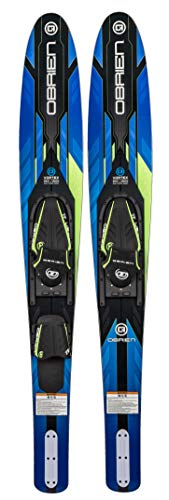
O'Brien Vortex Widebody Combo Water Skis
Buying beginner-friendly gear gets messy fast when the product category shifts under the same search phrase. The phrase best mens ski boots for beginners points toward snow gear, but the product details here clearly describe O'Brien Vortex Widebody Combo Water Skis, not alpine boots. So the review has to stay honest and judge this as a stability-focused water ski setup with widebody shaping, adjustable bindings, and a size range that can cover many feet. That mismatch matters, because the strengths here live on the water, not in a ski resort boot room.
O'Brien Vortex Water Skis
O'Brien Vortex Water Skis are built around one big idea: make balance less twitchy for riders who don’t want every start to feel like a coin toss. The wide body design gives more surface area on the water, which can help the skis feel steadier during deep-water starts and slower rides. That wider platform is especially useful when confidence is still catching up with enthusiasm. Nobody enjoys popping up for two seconds and then face-planting before the boat even settles into pace.
The listed 65.5 inch length, or 166cm, gives the skis a full-size feel without turning them into something overly specialized. That size makes sense for combo water skis aimed at recreational use, where easy balance matters more than sharp slalom response. A longer ski can feel more settled underfoot, especially during straight-line riding. Still, length alone doesn’t guarantee comfort, because rider weight, boat speed, and water conditions all play a role.
X-7 adjustable bindings are a practical feature because shared water gear often gets passed between different people on the same day. The stated fit range covers men’s 4.5 to 13, which gives the setup useful flexibility for mixed-size feet. One ski also includes a rear toe piece, which supports progression toward single-ski riding once two-ski starts feel comfortable. That little progression path keeps the skis from feeling too limited after the first few learning sessions.
From a reviewer’s angle, the Vortex feels more like a patient teacher than a high-strung performance tool. The widebody shape favors stability, forgiveness, and easier starts rather than aggressive carving. That’s not a flaw. It’s the whole point of this setup, especially for people who care more about getting up cleanly than showing off hard cuts behind the boat.
Pros That Matter On The Water
Stability is the clearest upside here. Widebody combo skis usually give more lift at lower speeds, which can make starts feel less violent and less dependent on perfect timing. That helps reduce the awkward tug-of-war moment where the rope pulls hard, knees straighten too soon, and the rider sinks backward. With more platform underneath, the learning curve can feel a little less cranky.
The adjustable bindings also make the setup more forgiving in real family or group use. Water skis that fit only a narrow foot range can become a headache on the dock, especially when several people want a turn. A men’s 4.5 to 13 foot size range gives more room to share without constantly swapping equipment. That convenience matters during casual lake days where nobody wants gear drama slowing things down.
The rear toe piece adds another quiet strength. Once a rider gets steady on two skis, trying a slalom-style setup can feel like the next natural step. Having one ski ready for that transition keeps the equipment more useful as skills grow. It doesn’t turn the Vortex into a competition slalom ski, but it does add a nice bit of progression without complicating the package.
Beginner water skis need to reduce panic, not create it. The Vortex does that by leaning into predictable float and manageable control. Choppy water will still challenge balance, and poor rope position can still cause rough starts. Even so, the overall shape gives a rider more margin for small mistakes, which is exactly what early sessions need.
Cons And Tradeoffs To Know
Widebody skis can feel less quick edge-to-edge than narrower performance skis. That’s the tradeoff. More surface area helps with stability, but it can also make sharper turns feel slower or less snappy. Riders who already carve confidently may eventually want something more responsive once basic starts and cruising feel too easy.
The 65.5 inch size won’t suit every body type or riding style equally. Lighter riders may find larger skis easier to float but slightly bulky during turns. Heavier riders may appreciate the added surface area, depending on boat speed and conditions. The provided details don’t include a rider weight range, so it would be careless to pretend this ski fits everyone perfectly.
Adjustable bindings are convenient, but they rarely feel as dialed-in as fitted boots or more specialized binding systems. A shared setup usually sacrifices some precision for flexibility. That means the X-7 bindings are useful for casual use, but riders chasing tighter control may eventually notice movement or less personalized hold. Comfort and sharing win here, not locked-in performance.
The keyword mismatch also deserves a plain note. This product doesn’t belong in a strict snow-ski boot roundup despite the phrase best mens ski boots for beginners. It’s a water ski product with beginner-friendly stability features. From a practical angle, summer footwear topics sometimes sit near water recreation gear, and a separate reference appears in best waterproof shoes for summer without pretending it affects ski performance.
Fit And Setup Feel
Binding adjustability shapes the first impression. Foot entry needs to feel secure enough to control the ski but not so tight that getting out becomes stressful after a fall. The listed men’s 4.5 to 13 range gives plenty of sizing flexibility, though proper adjustment still matters before each ride. A loose binding can make control feel delayed, while an overly tight fit can feel uncomfortable and sketchy.
The rear toe piece creates a more interesting setup than a basic two-ski-only pair. Learning on both skis first makes sense because balance feels more symmetrical. Later, using the ski with the rear toe piece can introduce single-ski riding in a more gradual way. That keeps the Vortex from feeling like gear that gets outgrown after one weekend.
Widebody stability works best with patient starts and smooth boat pulls. Jerky acceleration can still throw a rider forward or backward, no matter how forgiving the ski shape is. Calm water also helps a lot. The ski can help with balance, but it can’t erase sloppy technique, rough chop, or a rope handle held too high.
There’s a laid-back personality to this setup. It doesn’t scream expert performance, and honestly, it shouldn’t. The O'Brien Vortex feels better suited to dockside learning, casual lake sessions, and riders who want more time upright instead of constantly resetting after failed starts.
Real Use Pros And Cons
Pros start with stability, adjustability, and room to progress. The wide shape helps create a steadier platform, the X-7 bindings handle a broad foot range, and the rear toe piece gives a path toward more advanced riding. Those are practical strengths that show up during real water time. They’re not fancy claims, just useful details.
- Stable widebody shape helps reduce the wobbly feel during early rides.
- X-7 adjustable bindings support a broad men’s foot size range from 4.5 to 13.
- Rear toe piece allows progression toward single-ski riding.
- 65.5 inch length gives a settled recreational feel on the water.
Cons mostly come from the same comfort-first design. A widebody ski may feel less lively for riders who want aggressive cuts. Shared adjustable bindings may not deliver the snug precision of more specialized setups. The product details also don’t include rider weight guidance, material specifics, or advanced performance notes, so expectations should stay grounded.
- Less aggressive turning feel than narrower performance-focused skis.
- Adjustable bindings may feel less precise than fitted systems.
- No provided rider weight range makes sizing confidence less complete.
- Not a snow ski boot product, despite the supplied keyword phrase.
Best-Fit Situations And Limits
O'Brien Vortex Widebody Combo Water Skis make the most sense for recreational water days where stability and shared use matter. The wide platform helps newer riders feel less twitchy behind the boat. The binding range makes it easier for different feet to use the same pair. The rear toe piece adds just enough growth potential to keep things interesting.
They make less sense for someone already focused on hard carving, aggressive slalom technique, or highly tuned binding feel. That rider may want a narrower, more responsive ski with a more specialized setup. The Vortex aims at confidence and repeatable starts instead of demanding precision. Different mission, different feel.
Realistic expectations keep this product in the right lane. It can help create a steadier ride, but it won’t replace coaching, calm water, proper rope handling, or good boat speed. It’s beginner-friendly because the design gives more forgiveness, not because it removes the learning process. That’s a fair deal.
The strongest reason to consider the O'Brien Vortex Water Skis is simple: they reduce some of the usual friction around learning to water ski. The widebody profile helps with balance, the adjustable bindings simplify sharing, and the rear toe piece gives the setup a longer usefulness curve. For casual lake riding, that combination feels sensible, even if it has nothing to do with actual mens ski boots.


Best Green Ski Goggles 2026 For Clear Vision On Slopes
Best Ski Goggles Under 30 Inches For Crisp Vision And Comfort

Best Backcountry Ski Goggles 2026 For Crystal Clear Vision

Best Frameless Ski Goggles Men for Clear Vision and All-Day Comfort
best yellow ski goggles Snow Clarity

Best EXP Vision Ski Goggles 2026 Ultimate Clarity Picks

Discover the Best Mens Ski Goggles of 2026
Best Slim Ski Goggles for Clear Vision, Lightweight Comfort, and a Low-Profile Fit





