
8 Best Modern Snow Goggles of 2026 For Fog-Free Vision

Fogged-up lenses and narrow sightlines are often treated as unavoidable annoyances on freezing mountain mornings. In reality, sudden lens fogging and peripheral blind spots usually stem from thick, poorly ventilated frames rather than harsh alpine weather. An outdated setup turns fast descents into stressful guesswork, hiding ice sheets and sudden terrain dips right when clear vision matters most. Stopping mid-run to wipe wet inner glass only smears moisture across the optical coating, while stiff, frozen clips make adjusting to flat light on a chilly chairlift practically impossible.
Riding with a wide, uninterrupted field of view changes everything, keeping lines sharp and depth perception crisp as conditions shift. Achieving that effortless clarity means looking for perimeter-vented dual lenses that actively exhaust humid air, alongside fast magnetic interchangeable systems tuned to shifting light. Generous frame cutouts eliminate painful pressure against glasses or temples, and a snug helmet seal prevents tears from cold wind. The side-by-side comparison below highlights how modern snow goggles handle changing weather, flat light, and all-day mountain comfort.

- BWP Score9.5
BWP Score is a ranking system developed by Bestwinterproducts.com. BWP score has no relationship or impact from any manufacturers or sales agent websites. Learn more
- BrandOutdoorMaster

- BWP Score7.8
BWP Score is a ranking system developed by Bestwinterproducts.com. BWP score has no relationship or impact from any manufacturers or sales agent websites. Learn more
- Brandfindway
- BWP Score7.2
BWP Score is a ranking system developed by Bestwinterproducts.com. BWP score has no relationship or impact from any manufacturers or sales agent websites. Learn more
- BrandSMITH
- BWP Score8.2
BWP Score is a ranking system developed by Bestwinterproducts.com. BWP score has no relationship or impact from any manufacturers or sales agent websites. Learn more
- BrandCOOLOO

- BWP Score7.1
BWP Score is a ranking system developed by Bestwinterproducts.com. BWP score has no relationship or impact from any manufacturers or sales agent websites. Learn more
- BrandEXP VISION
- BWP Score9.0
BWP Score is a ranking system developed by Bestwinterproducts.com. BWP score has no relationship or impact from any manufacturers or sales agent websites. Learn more
- BrandSnowalva

- BWP Score8.5
BWP Score is a ranking system developed by Bestwinterproducts.com. BWP score has no relationship or impact from any manufacturers or sales agent websites. Learn more
- BrandEXP VISION

- BWP Score7.5
BWP Score is a ranking system developed by Bestwinterproducts.com. BWP score has no relationship or impact from any manufacturers or sales agent websites. Learn more
- BrandOakley
Last update on 2026-09-19 / Affiliate links / Images, Product Titles, and Product Highlights from Amazon Product Advertising API
What features make a snow goggle design truly modern?
Modern snow goggles eliminate tunnel vision and condensation through frameless or low-profile frames paired with active venting channels. Older traditional designs rely on thick plastic borders that block peripheral sight and restrict internal air circulation. Modern alternatives, such as the OutdoorMaster PRO with its frameless spherical lens or the Oakley Flight Deck XM with its rimless frame, open up wide sightlines across the downhill slope. These designs combine double-layer lenses, moisture-resistant treatments, and perimeter air channels to cycle warm, moist air out before condensation can settle on your inner optic.
Are magnetic interchangeable lenses secure enough for aggressive riding?
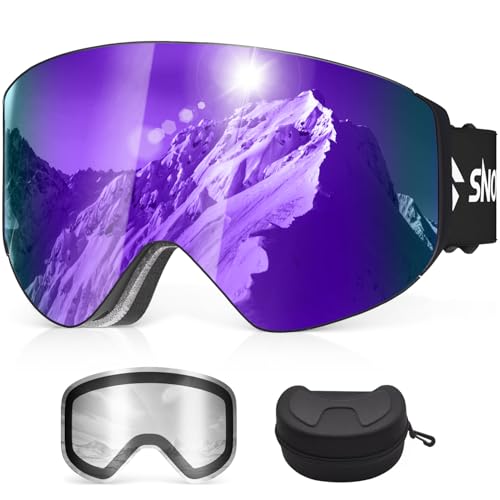
Yes, modern magnetic retention systems hold securely against speed, wind, and rough terrain while letting you swap tints without removing your gloves. Models like the Snowalva snow goggles use detachable magnet setups with double-layer polycarbonate lenses to remain firmly seated across rapid movements. When paired with wide elastic straps, magnetic designs provide reliable gear built for fog-free aggressive riding. Before dropping in, always verify that the magnetic contact points are fully seated around the perimeter of the frame so no snow packs into the rim.
How do I confirm an OTG frame will fit over my prescription eyeglasses?
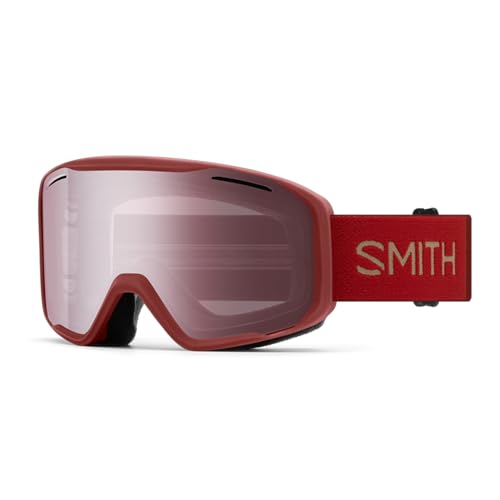
Confirm proper fit by checking your eyeglass frame dimensions against the internal height and width of the over-the-glasses frame. For example, findway OTG goggles measure 7.6 inches in length, 4.09 inches in width, and 3.31 inches in height, while the OutdoorMaster PRO provides an internal profile of 8.27 inches wide by 3.74 inches high. Modern OTG options also integrate deep side cutouts and multi-layer face foam to stop frame temples from pressing against your skull. If your glasses measure wider than the internal frame width, the goggle will pinch your temples and break the foam seal against your face.
Which lens shape provides the widest field of view with minimal distortion?
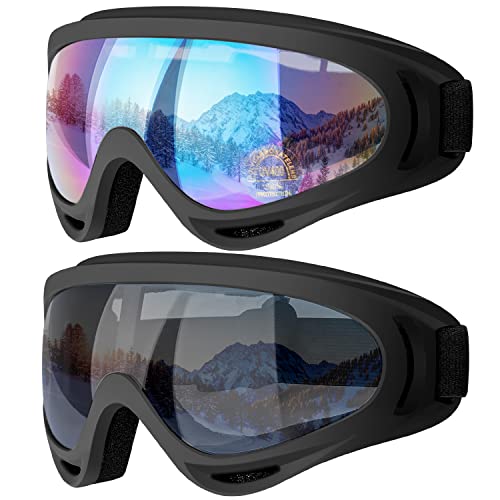
Spherical lenses provide the widest panoramic vision, while cylindrical lenses offer a classic flat-vertical profile that reduces misjudgments on the snow surface. Large spherical lenses curve horizontally and vertically to match the natural shape of your eyes, opening up peripheral vision for spotting obstacles on fast descents. Cylindrical lenses, found on goggles like the SMITH Blazer and Snowalva, curve horizontally across your face while staying flat vertically, delivering wide sightlines with a slim profile. Choosing between them depends on whether you prefer maximum peripheral awareness or a low-profile aesthetic that sits closer to your face.
How does VLT percentage affect visibility in changing mountain light?
Visible Light Transmission (VLT) percentages indicate how much light passes through the lens, dictating clarity across sunny, overcast, or flat-light days. Darker tints, such as findway's silver mirror at 10% VLT or OutdoorMaster's sapphire lens at 14% VLT, filter out severe glare during bright, cloudless conditions to prevent eye fatigue. For overcast days, heavy snowfall, or twilight, swapping to lenses with higher VLT numbers or clear profiles lets significantly more light reach your eyes so you can read terrain contours. Dual-lens systems with REVO mirror coatings and UV400 protection shield against 100% of UVA and UVB rays regardless of tint density.
How do you prevent helmet gaps and lens fogging at the forehead?
Match the top curvature of your goggle frame directly to the brow of your ski helmet to create a flush seal and maintain continuous airflow. Choosing modern snow goggles designed for a flush forehead seal prevents high-speed wind from chilling your forehead and forcing tears into your eyes. Proper alignment also ensures that top perimeter vents remain unobstructed, allowing active airflow systems to exhaust humid air upward through the helmet vents. Extra-long, adjustable elastic straps keep the chassis firmly pressed against your face without pulling the frame away from your nose bridge.


Best Green Ski Goggles 2026 For Clear Vision On Slopes

Best Ski Goggles Under 30 Inches For Crisp Vision And Comfort

Best Backcountry Ski Goggles 2026 For Crystal Clear Vision

Best Frameless Ski Goggles Men for Clear Vision and All-Day Comfort
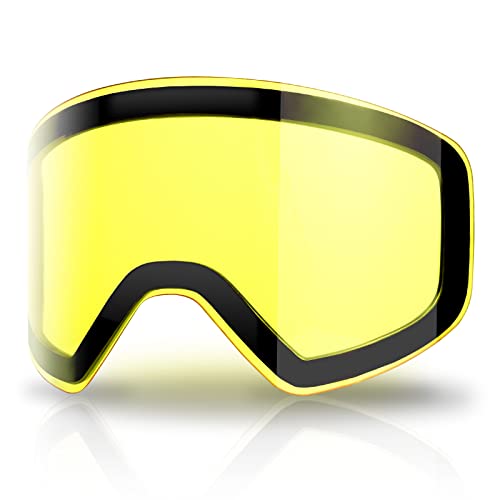
best yellow ski goggles Snow Clarity

Best EXP Vision Ski Goggles 2026 Ultimate Clarity Picks

Discover the Best Mens Ski Goggles of 2026
Best Slim Ski Goggles for Clear Vision, Lightweight Comfort, and a Low-Profile Fit





