
8 Best Performance Ski Goggles of 2026 For Fog-Free Mountain Vision

Most riders assume that blinding moisture buildup is just an unavoidable hazard of cold mountain weather. In reality, sudden condensation usually stems from inadequate airflow channels and weak anti-fog treatments rather than damp conditions. When blinding lens fog strikes halfway down a steep descent, flat light erases snow contours right under your boots. Ice ruts, moguls, and unexpected drop-offs vanish into a milky blur, forcing abrupt emergency stops and risky lens wiping that can permanently scratch interior coatings.
Carving with confidence demands crisp, distortion-free clarity from the summit lift to the base lodge. Reliable mountain vision relies on dual-pane optics paired with active perimeter venting, a combination that balances internal temperatures before sweat can turn to vapor. Dialing in the right visible light transmission keeps terrain shadows sharp across flat afternoon light, while an arched lens profile protects your peripheral view without warping the edges. A snug, seamless helmet seal and silicone-backed strap keep the frame secure, connecting directly to the performance ski goggles below built for changing alpine terrain.

- BWP Score7.8
BWP Score is a ranking system developed by Bestwinterproducts.com. BWP score has no relationship or impact from any manufacturers or sales agent websites. Learn more
- Brandfindway

- BWP Score7.6
BWP Score is a ranking system developed by Bestwinterproducts.com. BWP score has no relationship or impact from any manufacturers or sales agent websites. Learn more
- BrandEXP VISION
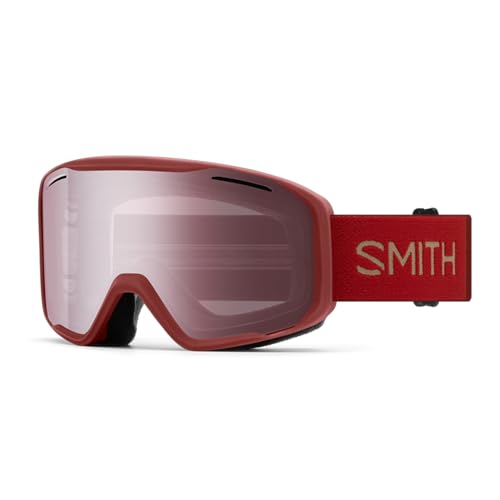
- BWP Score7.2
BWP Score is a ranking system developed by Bestwinterproducts.com. BWP score has no relationship or impact from any manufacturers or sales agent websites. Learn more
- BrandSMITH

- BWP Score8.9
BWP Score is a ranking system developed by Bestwinterproducts.com. BWP score has no relationship or impact from any manufacturers or sales agent websites. Learn more
- BrandOutdoorMaster

- BWP Score7.7
BWP Score is a ranking system developed by Bestwinterproducts.com. BWP score has no relationship or impact from any manufacturers or sales agent websites. Learn more
- BrandOutdoorMaster

- BWP Score7.1
BWP Score is a ranking system developed by Bestwinterproducts.com. BWP score has no relationship or impact from any manufacturers or sales agent websites. Learn more
- BrandEXP VISION

- BWP Score7.6
BWP Score is a ranking system developed by Bestwinterproducts.com. BWP score has no relationship or impact from any manufacturers or sales agent websites. Learn more
- BrandOutdoorMaster

- BWP Score9.1
BWP Score is a ranking system developed by Bestwinterproducts.com. BWP score has no relationship or impact from any manufacturers or sales agent websites. Learn more
- BrandOutdoorMaster
Last update on 2026-09-21 / Affiliate links / Images, Product Titles, and Product Highlights from Amazon Product Advertising API
Which visible light transmission (VLT) percentage works best for bright sun versus variable light?
A lower VLT rating like 10% blocks intense brightness on clear days, while ratings such as 24% or 28% allow more light through for mixed or changing weather. Intense sun demands darker tinting, such as a 10% VLT grey or silver mirrored lens, to cut glare and prevent eye fatigue on open terrain. When shadows lengthen or clouds move in, lenses with 24% or 28% VLT bring in extra light to keep terrain contours and icy patches visible. Check the forecast before your first chairlift ride and select a tint rating matched to your expected light conditions.
How do dual-layer lenses and frame vents keep mountain vision fog-free?
Dual-layer lens builds use an anti-fog coated inner lens separated by a thermal buffer to stop warm breath and body heat from condensing against freezing outdoor air. Perimeter ventilation ports and dedicated airflow channels move fresh air across the inside surface of the lens, releasing trapped moisture before droplets can gather. Smudge-resistant and moisture-resistant exterior coatings also prevent melting snow from sticking to your outer lens. For riders who generate heavy heat on aggressive descents, choosing anti-fog snow goggle designs with active perimeter venting stops moisture from blocking your line mid-run.
Can performance ski goggles fit comfortably over prescription glasses?
Yes, designated OTG (Over-The-Glasses) models are shaped specifically to fit over everyday spectacles without pressing frames into your nose bridge or temples. These frames provide expanded interior volume and side temple channels suitable for adults and youth alike. Opting for dedicated OTG ski goggles for glasses wearers lets you ride with your standard eyewear while maintaining a secure, draft-free seal against your face. Always measure your eyeglasses against the goggle interior dimensions to confirm that your frames sit comfortably inside.
What is the practical difference between a spherical frameless lens and a cylindrical frame?
A large spherical frameless lens curves both horizontally and vertically, matching the curve of your eyes to maximize peripheral vision on open downhill descents. This rounded shape reduces visual distortion around the outer edges of your gaze and leaves no thick bezel to block your view. Cylindrical lenses curve horizontally across the face inside a slim frame, offering a lower-profile feel while maintaining a wide viewing field for spotting surface features. Both styles protect your downhill line, but frameless spherical layouts provide the widest edge-to-edge optical coverage.
What level of ultraviolet protection is necessary for alpine skiing?
Snow optics require 100% UV protection, specifically UV400 ratings that shield your eyes from 100% of UVA and UVB rays. Sunlight reflects intensely off white snow and ice, multiplying ultraviolet exposure at high altitudes. High-performance lenses combine UV400 defense with reflective mirror coatings to limit harsh glare and prevent eye strain across long mountain sessions. Confirm that your chosen lens lists complete UV400 blocking on its specification sheet before trusting it in high-elevation conditions.
How do interchangeable lens systems handle fluctuating mountain weather?
Interchangeable lens systems let you swap between light and dark tints on a single frame as weather shifts throughout the day. Some modular setups offer selections across more than 20 interchangeable lenses, letting you move from a 10% VLT mirror lens in direct morning sun to a higher-transmission lens when clouds roll across the peak. Instead of packing multiple pairs of goggles, you change out only the outer lens to keep slope contours sharp in changing weather.


Best Green Ski Goggles 2026 For Clear Vision On Slopes

Best Ski Goggles Under 30 Inches For Crisp Vision And Comfort

Best Backcountry Ski Goggles 2026 For Crystal Clear Vision

Best Frameless Ski Goggles Men for Clear Vision and All-Day Comfort
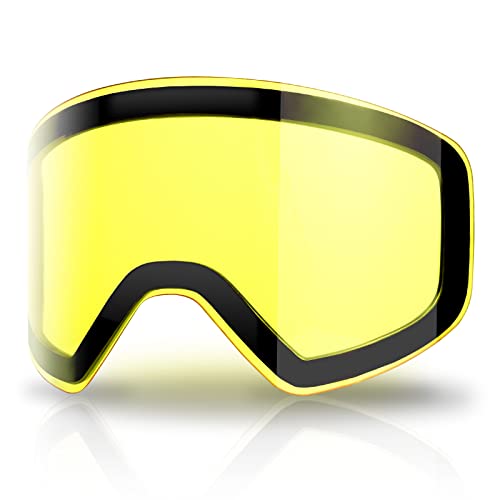
best yellow ski goggles Snow Clarity

Best EXP Vision Ski Goggles 2026 Ultimate Clarity Picks

Discover the Best Mens Ski Goggles of 2026
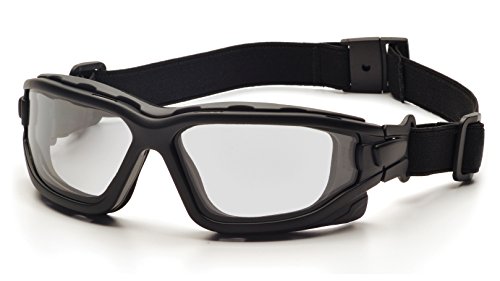
Best Slim Ski Goggles for Clear Vision, Lightweight Comfort, and a Low-Profile Fit





