
Best ski boots for flat feet 2026 comfort picks

Best ski boots for flat feet need to do more than feel roomy in the shop. Flat arches can make a boot feel fine for ten minutes, then miserable once the liner packs down and the stance gets loaded on snow. Pressure often shows up under the arch, around the navicular bone, or across the instep, and yep, that can wreck an otherwise good ski day fast. A supportive shell, a workable instep height, and room for a proper footbed matter more than flashy graphics or stiff-flex bragging.
Arch support is the big deal, but not in the soft, squishy way many people expect. A boot that collapses under the foot can let the knees drift inward, which makes edging feel sloppy and tiring. A firmer footbed helps spread pressure, steadies the heel, and gives the boot a cleaner connection to the ski. Still, too much built-in arch shape can bite hard, so a heat-moldable liner or bootfitter-friendly shell is worth paying attention to.
Wide last ski boots can help, but width alone won’t solve flat-foot pain. A boot that’s too wide may feel cozy at first, then let the heel lift and the forefoot slide around. That extra movement creates rubbing, toe bang, and calf fatigue. So, the sweet spot is usually a boot with enough forefoot space, a secure heel pocket, and enough internal volume to handle a supportive insole without crushing the top of the foot.
Heat molding is another feature that pulls its weight. Flat feet often need small fit adjustments around pressure zones rather than one big size jump. Moldable liners, customizable shells, and adjustable cuffs make the fit less of a guessing game. The tradeoff, of course, is that these boots usually cost more and still may need professional tweaking.
Comfort-focused ski boots should also match skill level and terrain. A softer recreational boot can feel forgiving for relaxed groomer laps, while a stiffer boot may give stronger skiers better control. Too stiff, though, and flat arches can get punished every turn. The better pick is the boot that holds the foot steady without forcing it into a shape it doesn’t naturally have.

PCSsole Heavy Duty Arch Support Insoles,220+lbs Plantar Fasciitis Orthotic Insoles,Work
View on Amazon- BWP Score9.0
BWP Score is a ranking system developed by Bestwinterproducts.com. BWP score has no relationship or impact from any manufacturers or sales agent websites. Learn more
- BrandPCSsole
- BWP Score9.0
BWP Score is a ranking system developed by Bestwinterproducts.com. BWP score has no relationship or impact from any manufacturers or sales agent websites. Learn more
- Brandpedag

- BWP Score8.6
BWP Score is a ranking system developed by Bestwinterproducts.com. BWP score has no relationship or impact from any manufacturers or sales agent websites. Learn more
- BrandEASYFEET

- BWP Score8.6
BWP Score is a ranking system developed by Bestwinterproducts.com. BWP score has no relationship or impact from any manufacturers or sales agent websites. Learn more
- BrandEASYFEET

- BWP Score8.6
BWP Score is a ranking system developed by Bestwinterproducts.com. BWP score has no relationship or impact from any manufacturers or sales agent websites. Learn more
- BrandEASYFEET
- BWP Score8.4
BWP Score is a ranking system developed by Bestwinterproducts.com. BWP score has no relationship or impact from any manufacturers or sales agent websites. Learn more
- BrandTread Labs
- BWP Score8.4
BWP Score is a ranking system developed by Bestwinterproducts.com. BWP score has no relationship or impact from any manufacturers or sales agent websites. Learn more
- BrandCRUVHEAL
- BWP Score8.2
BWP Score is a ranking system developed by Bestwinterproducts.com. BWP score has no relationship or impact from any manufacturers or sales agent websites. Learn more
- BrandPCSsole

- BWP Score8.2
BWP Score is a ranking system developed by Bestwinterproducts.com. BWP score has no relationship or impact from any manufacturers or sales agent websites. Learn more
- Brandwalkomfy

- BWP Score7.0
BWP Score is a ranking system developed by Bestwinterproducts.com. BWP score has no relationship or impact from any manufacturers or sales agent websites. Learn more
- BrandTherm-ic
Last update on 2023-05-25 / Affiliate links / Images, Product Titles, and Product Highlights from Amazon Product Advertising API
Best Ski Boots For Flat Feet Support Guide
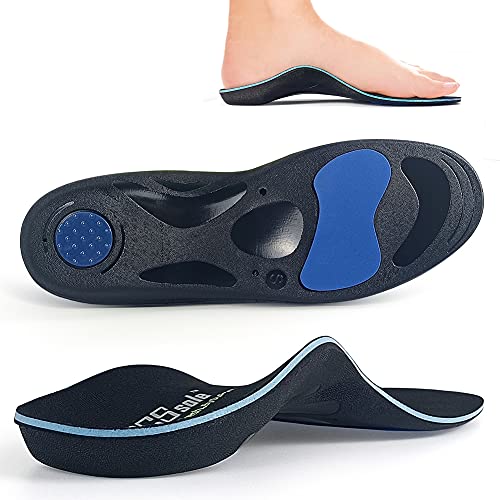
Long ski days can turn ugly fast once arch fatigue creeps in and every buckle adjustment starts feeling pointless. Flat feet tend to spread under pressure inside stiff ski boots, and that annoying inward roll can trigger heel soreness, shin discomfort, and burning pressure across the midfoot. That’s exactly why products like the PCSsole Heavy Duty Arch Support Insoles keep showing up in conversations around best ski boots for flat feet. A supportive insole doesn’t magically fix a poorly fitted shell, sure, but it can calm down the unstable feeling that often ruins edge control and comfort halfway through the afternoon.
PCSsole Heavy Duty Insoles
PCSsole built these orthotic insoles around heavier support needs rather than soft cushion alone, and honestly, that difference matters more than many skiers expect. Soft inserts may feel cozy during the first few minutes indoors, yet they often collapse once body weight starts driving into the boot during turns. The 3.5cm semi-rigid arch support here aims for structure instead of fluff, which helps reduce that sinking sensation flat-footed skiers sometimes describe after a few runs. Firm support can feel strange initially, though, especially if someone’s been wearing flat stock liners forever.
Shock absorption plays a surprisingly big role inside ski boots because hard-packed snow and vibration constantly travel upward through the foot. PCSsole combines an EVA memory foam base with an added cushioning layer that softens repetitive impact without turning the insole mushy. That balance feels more controlled than ultra-soft inserts that let the foot wobble side to side. Skiers who spend long stretches standing in lift lines or walking icy parking lots may notice the difference before they even hit the slopes.
Flat feet and pronation tend to create alignment issues that ripple upward into knees and hips. These insoles try to reduce that inward collapse by stabilizing the arch and keeping the heel more centered during movement. Some people notice less lower-leg fatigue after a full ski session because the foot isn’t constantly fighting for balance inside the boot. Others may need a short break-in period since rigid support can feel aggressive at first.
Odor control and breathability sound boring until ski boots trap heat and moisture for six hours straight. PCSsole uses breathable non-slip fabric that helps reduce the swampy feeling many insulated boots develop after repeated wear. Sweaty liners can create friction, especially around the heel and forefoot, so moisture management quietly becomes part of comfort. Small detail, big difference.
Versatility also deserves attention because ski gear rarely lives alone in the closet. These insoles can move between work boots, hiking shoes, casual sneakers, and ski boots without needing trimming. That saves time and avoids the annoying trial-and-error cutting process cheaper inserts often require. The availability of multiple sizes helps preserve the original support shape too, rather than forcing a one-size-fits-all compromise.
How The Support Feels Inside Ski Boots
Ski boots for flat feet often feel too aggressive around the arch once pressure builds during carving or uneven terrain. PCSsole’s semi-rigid support changes how weight spreads through the footbed, especially under the heel and midfoot. Instead of collapsing inward, the foot feels more planted and predictable. That planted feeling can improve confidence on steeper terrain where unstable footing gets distracting fast.
Heel pain relief becomes more noticeable during long traverses and hard snow conditions. The gel cushioning under the heel softens repetitive pounding that can aggravate plantar fasciitis or heel spur discomfort. Ski boots already limit natural foot movement, so harsh pressure points tend to intensify quicker than they would in walking shoes. Extra cushioning underneath the heel helps take the edge off without making the fit sloppy.
Arch pressure still depends heavily on the shell shape of the ski boot itself. Narrow low-volume boots may feel tighter after adding a thick orthotic insole, and that’s something buyers should think about before swapping out the factory liner insert. A roomy recreational boot usually handles these insoles better than an ultra-snug race-inspired shell. That tradeoff matters because support without circulation turns miserable pretty quickly.
Fatigue reduction may actually be the strongest benefit here. Flat-footed skiers often compensate subconsciously by gripping with their toes or overworking calves to stay stable. Better underfoot structure helps reduce that constant micro-adjusting. Legs feel less cooked at the end of the day, especially during back-to-back ski weekends.
Real Comfort Versus Soft Comfort
Soft foam inserts can fool people during quick indoor try-ons because they compress immediately and feel pillow-like underfoot. Real slope comfort works differently. Supportive insoles need enough firmness to hold shape under repeated pressure and cold conditions. PCSsole leans toward structured support rather than plush softness, which may suit skiers dealing with pronation or collapsing arches.
Memory foam layering helps soften that firmer support profile. The cushioning doesn’t feel marshmallow-soft, but it also avoids the rock-hard sensation some orthotics create. That middle ground works well for recreational skiers who want comfort without losing boot responsiveness. Skiing with unstable feet can make turning feel delayed and awkward, so controlled cushioning matters.
Standing comfort matters too, oddly enough. Lift lines, lodge floors, parking lots, and gear adjustments put constant pressure on the feet long before actual skiing starts. Insoles that support the arch while softening heel impact help reduce that drained feeling many people notice before lunchtime. Flat feet tend to fatigue earlier under static standing pressure, especially inside rigid boots.
Cold weather performance also changes how insoles feel. Cheap foam stiffens badly in freezing temperatures and can create pressure hotspots after a few hours outside. PCSsole’s layered construction maintains more consistent support during cold conditions, which helps preserve comfort throughout the day instead of only during the first morning runs.
Daily Use Beyond The Slopes
PCSsole insoles aren’t limited to ski setups, and honestly, that flexibility adds practical value. Flat feet usually create problems across multiple activities, from warehouse shifts to hiking weekends. Moving the same supportive insert between boots and shoes creates a more familiar underfoot feel instead of constantly adapting to different support levels. Consistency helps reduce strain over time.
Work boots and hiking shoes pair naturally with these insoles because both categories involve long standing periods and repeated impact. The heavier-duty arch support feels more stable than lightweight foam inserts commonly included in stock footwear. Some people may find the arch too assertive during the first few wears, though that usually settles once the foot adapts slightly.
Long walking sessions benefit from the dual-layer cushioning system, especially across concrete floors or uneven terrain. Flat-foot discomfort often builds slowly rather than instantly, so support that maintains shape through the day matters more than flashy softness at the beginning. That durability angle becomes important for heavier individuals since standard insoles tend to flatten quickly under higher pressure loads.
Foot health discussions around comfort products sometimes overlap with unrelated daily care routines. In some cases, dry indoor air and cold-weather irritation get mentioned alongside supportive footwear concerns in best lip balm for oxygen users. Different category, sure, but winter comfort problems tend to pile up together once temperatures drop.
Best Ski Boots For Flat Feet Winter Comfort
Cold ski mornings have a nasty habit of exposing every weak spot inside a boot. Tight arches start aching, toes lose warmth, and stiff liners suddenly feel twice as unforgiving after the first chairlift ride. That’s partly why best ski boots for flat feet conversations often drift toward insoles instead of boots alone. A supportive winter insole can change the feel of an otherwise decent boot without forcing a full gear overhaul.
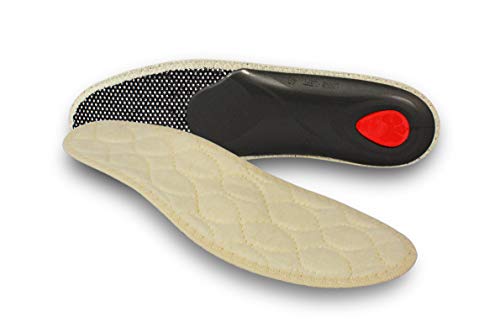
Pedag Viva Winter Insoles
Pedag Viva Winter leans into warmth first, but the support setup underneath deserves attention too. The layered construction combines quilted wool, foam cushioning, and aluminum insulation, creating a noticeably warmer footbed than standard ski boot inserts. Cold feet tend to tense up and fatigue faster, especially inside rigid ski shells, so keeping warmth trapped underfoot actually changes comfort more than many people expect. The German-made build also feels tidy and consistent rather than flimsy around the edges.
Flat-foot support comes from the longitudinal arch shape and added metatarsal support near the forefoot. Instead of using an ultra-aggressive orthopedic curve, Pedag keeps the structure moderate and wearable. That softer approach works nicely for people who dislike rigid orthotics digging into the arch after several hours. Skiers with severe pronation may still want stronger correction, though, especially in performance-oriented boots.
Heel cushioning helps soften repetitive impact during icy traverses, uneven terrain, and long parking lot walks in ski boots. Hard-packed snow transfers vibration directly into the foot, and thin stock insoles rarely absorb much of it. Pedag’s foam layer cuts some of that harshness without making the boot feel unstable. That balance matters because squishy inserts can create delayed edge response on skis.
Thickness stays relatively manageable at around 0.16 inches, which is helpful inside tighter ski boots. Bulky insoles often create pressure over the instep or reduce circulation around the toes, and that’s basically the opposite of what winter skiers need. These insoles still take up some internal volume, sure, but they don’t overwhelm moderately snug shells the way heavily padded winter inserts sometimes do.
Warmth That Actually Feels Noticeable
Thermal insulation is the real standout here. The aluminum foil layer reflects cold away from the foot while the wool upper traps warmth surprisingly well during long outdoor sessions. Some winter insoles advertise warmth but flatten quickly once compressed inside boots. Pedag’s layered design holds shape more effectively during repeated wear, so the insulation remains consistent instead of fading halfway through the season.
Cold chairlift rides expose weak circulation fast, especially for flat-footed skiers whose boots already create pressure around the midfoot. Better insulation helps maintain comfort during inactive moments between runs. That steady warmth can reduce the urge to overtighten buckles just to stabilize the foot, which honestly creates even more circulation problems. A warmer foot usually stays more relaxed overall.
Wool lining also changes the feel inside the boot in a subtle but pleasant way. Synthetic liners sometimes trap moisture and leave feet clammy after several hours. The wool surface feels drier and less sticky against ski socks, especially during changing temperatures throughout the day. Small comfort details matter more than flashy specs once you’re five hours into skiing.
Reusable design adds convenience too. The non-adhesive setup allows easy swapping between snow boots, casual winter shoes, and ski boots without tearing material or leaving residue behind. That flexibility works well for people who rotate winter footwear depending on weather and terrain conditions.
Pros And Cons On Snow
Pros start with the warmth because these insoles genuinely help reduce cold transfer from frozen ground and boot shells. The layered insulation feels practical rather than gimmicky. Moderate arch support also helps reduce fatigue from flat-foot collapse without forcing the foot into an overly corrected position. Skiers who dislike rigid orthotics may appreciate that softer support style.
Versatility deserves praise too. Pedag Viva Winter fits various footwear styles, including snow boots, winter hiking shoes, and casual cold-weather footwear. The trim-to-fit option helps adapt sizing more precisely for awkward half sizes. A lot of winter insoles feel oversized or sloppy after trimming, but these maintain shape reasonably well around the edges.
Cons mainly revolve around support intensity. Severe overpronation or aggressive flat-foot discomfort may overpower the moderate arch structure here. Skiers needing strong biomechanical correction might still require a dedicated orthotic rather than a comfort-focused winter insole. Support exists, absolutely, but it’s more balanced than corrective.
Tight performance ski boots may also feel snug after installation, particularly low-volume race-inspired models. Anyone already struggling with instep pressure should test fit carefully indoors before heading out for a full ski day. The extra insulation layer improves warmth but naturally takes up a bit more internal space than minimalist footbeds.
Daily Wear Beyond Ski Trips
Winter walking comfort improves noticeably in regular boots and cold-weather shoes. Flat feet tend to spread under pressure during long city walks or icy commutes, which can create forefoot fatigue and heel soreness. Pedag’s metatarsal support helps distribute pressure more evenly across the front of the foot. That subtle lift near the ball of the foot feels surprisingly helpful after several hours outdoors.
Moisture management also plays a role during daily wear. Wool naturally handles humidity better than many synthetic materials, so feet stay less clammy after moving between heated indoor spaces and freezing outdoor air. Damp feet cool down faster, and that constant temperature swing can get uncomfortable pretty quickly. The breathable upper layer softens that issue.
Arch fatigue during standing-heavy routines feels less intense with these insoles than with flat stock inserts. The support isn’t aggressive enough to feel clinical or stiff, which makes them easier to wear casually for extended periods. Some orthopedic insoles solve pain while creating pressure elsewhere. Pedag avoids that tradeoff fairly well.
Skin sensitivity discussions around winter footwear sometimes overlap with sock material concerns too. In real-world usage, irritation from dry winter fabrics occasionally gets mentioned alongside cold-weather insoles in best socks for eczema on feet. Different problem, sure, but winter comfort usually depends on several small gear choices working together.
EasyFeet Anti-Fatigue Orthotic Inserts
A ski boot can feel roomy in the shop and still turn mean once pressure builds under a flat arch. The foot spreads, the heel shifts, the knee starts chasing alignment, and suddenly the whole setup feels less like control and more like damage control. That’s where EasyFeet Anti-Fatigue Orthotic Insoles make sense inside the wider conversation around best ski boots for flat feet. They’re not a replacement for a properly fitted boot, but they can add the missing structure that stock footbeds usually fail to provide.
EasyFeet Orthotic Insoles
EasyFeet Orthotic Insoles are built around firm arch support, cushioning, and anti-pronation control rather than soft foam alone. That matters because flat feet often need shape, not just padding. A pillowy insert can feel nice for a minute, then flatten under body weight and leave the arch doing all the work again. These insoles lean more supportive, with a hard TPU arch structure and a PU memory foam base underneath.
Plantar fasciitis support sits at the center of the design, but the product details also mention flat feet, high arches, pronation, heel spurs, metatarsalgia, shin splints, bunions, Morton's neuroma, and posture-related discomfort. That’s a broad list, so expectations should stay realistic. One insole won’t solve every foot issue for every body, especially inside a rigid ski boot. Still, the structure here targets several pain points that often overlap with flat-footed skiing.
Deep heel cradling gives these inserts a steadier feel than basic flat replacements. A heel that shifts inside the boot can make turns feel late, sloppy, and tiring. By holding the heel more vertically, the insole may help reduce some of that side-to-side wandering that causes rubbing and fatigue. That stability becomes especially noticeable during long standing periods, icy walks to the lift, and repeated edge changes.
Gel forefoot cushioning and air capsules add impact relief without making the whole insert feel mushy. Ski boots don’t flex like running shoes, so pressure often pools under the ball of the foot during long days. Extra cushioning in that area can soften the bite, particularly for people who already deal with metatarsal soreness. The tradeoff is that thicker cushioning can reduce space in snug boots, so fit checking matters.
Support Feel Inside Ski Boots
Flat feet tend to push ski boot fit into awkward territory. Too much room and the foot slides around. Too little room and the arch, instep, or forefoot gets crushed before the first real run. EasyFeet tries to split that difference by adding firm support under the arch while still offering a cushioned base.
Anti-pronation reinforcement is the feature that gives these insoles their more structured personality. Pronation can make the ankle roll inward and force the lower leg out of a clean skiing position. Inside a ski boot, that can feel like fighting the boot instead of working with it. A steadier footbed may help the boot feel more predictable, especially on groomed terrain where edge control matters.
Arch pressure is the catch, and it shouldn’t be brushed aside. The product guidance notes that pressure may appear during the first 3 to 7 days because the foot isn’t used to arch support. That’s believable and important. Starting with 2 to 3 hours a day before longer wear makes more sense than dropping them into ski boots for a full mountain day right away.
Trim-to-fit sizing helps with ski boots, snowboard boots, work boots, athletic shoes, and casual footwear. That adjustability is useful because ski shells vary a lot in internal shape. A careful trim can help the insole sit flat instead of bunching near the toe box. Rushed trimming, though, can ruin the fit fast, so patience pays off.
Comfort Strengths And Real Tradeoffs
Shock absorption gives these insoles a practical comfort advantage for long days on hard surfaces. Ski days include more than skiing: parking lots, lodge floors, lift mazes, stairs, and standing around while gear gets sorted. That repeated pounding can make flat feet feel cooked before the afternoon. The gel and air cushioning setup helps soften that daily grind.
Velvety breathable cover helps reduce heat and friction inside footwear. Ski boots can get warm, damp, and unforgiving once liners start trapping moisture. A smoother top layer may reduce rubbing under thin or medium ski socks. Still, breathability inside a ski boot has limits because the shell itself doesn’t exactly let air roam free.
Firm arch support is both the strength and the possible dealbreaker. People who like a locked-in, structured feel may appreciate the hard TPU reinforcement. People with sensitive arches may find the first few wears a little bossy. That’s not necessarily a flaw, but it does mean these aren’t the kind of inserts you casually toss in five minutes before a ski trip.
Boot volume matters more than the product page can predict. Low-volume ski boots may feel too tight once these inserts replace the original footbed. A medium or roomier shell usually gives better odds of comfort. Flat feet need support, sure, but they also need blood flow and toe space, especially in cold weather.
Pros Worth Noticing
Strong arch structure is the biggest upside for flat-foot support. The hard TPU frame gives the foot something firmer to settle into, which can reduce that collapsed feeling under load. In ski boots, that extra structure may help the stance feel less wobbly. It’s a more serious approach than thin stock inserts that mostly act as placeholders.
Heel stability also earns a nod. The deep heel cradle helps guide the foot into a centered position rather than letting it drift around inside the boot. That can reduce friction and improve the feeling of connection between foot, boot, and ski. For anyone who gets heel soreness after hours of standing or walking, this design detail is not just decoration.
Multi-shoe use makes the insoles more practical beyond ski days. The product details mention orthopedic, athletic, casual, workout, sports, hiking, basketball, tennis, snowboard, ski, golf, gym, walking shoes, and work boots. That range doesn’t mean every shoe will fit perfectly, but it does mean the insert isn’t locked to one narrow use case. A supportive insole that rotates between boots can feel like money better spent.
Gradual break-in guidance is another honest detail. The recommendation to start with 2 to 3 hours daily helps set a more realistic expectation. Firm support can feel intense at first, especially for feet used to flat insoles. That little warning makes the product feel less like a miracle claim and more like a tool that needs proper adjustment.
Cons To Think Through
Initial foot pressure may bother people who expect instant comfort. The product itself warns that pressure can happen during the first 3 to 7 days. That’s normal for structured orthotics, but it can still be annoying. Skiers planning a trip soon may want to break them in well before packing gear.
Snug ski boots may not welcome the extra material. The arch support, memory foam base, gel forefoot, and heel structure all add presence underfoot. In a boot that already feels tight over the instep, that can create pressure rather than relief. Trying them indoors first is the smarter move, especially with buckles closed at normal tension.
Broad pain-relief claims should be read carefully. The provided details mention support for many conditions, from plantar fasciitis to lower back and joint discomfort. Foot alignment can influence the body above it, yes, but individual results vary a lot. Serious or persistent pain still deserves professional fitting or medical advice instead of guesswork.
Trimming required can be a mild nuisance. Adjustable sizing is helpful, but ski boots leave little room for sloppy edges. Cut too wide and the insole may curl. Cut too short and toe support feels odd, so careful sizing is part of the deal.
Best Use Cases And Fit Notes
Best ski boots for flat feet usually need a stable footbed, enough forefoot room, and a shell that doesn’t crush the instep. EasyFeet can help with the footbed part, especially if the original boot insert feels thin, floppy, or unsupportive. The insole’s structure may make a casual recreational boot feel more controlled. It won’t fix a shell that’s the wrong size or shape, though.
Work boots and winter boots may actually be easier places to start the break-in process. Wearing the insoles for short daily stretches lets the arch adapt before ski pressure enters the picture. That gradual approach also helps reveal hotspots before a mountain day turns into a long complaint session. Practical, not glamorous, but it works better than rushing.
Ski and snowboard footwear can benefit from the anti-fatigue design during cold, standing-heavy days. The cushioning helps with impact, while the heel cradle and arch support aim for better alignment. That combination may appeal to people who feel tired from the feet up after only a few hours. In some cases, a separate outdoor heating topic is discussed through is red oak good for firewood, which sits outside footwear but still belongs to the broader cold-weather comfort conversation.
Realistic expectations matter most here. EasyFeet Anti-Fatigue Orthotic Insoles bring firm support, cushioning, and better heel control to footwear that needs more structure. They suit flat-foot discomfort better than thin foam inserts, but they may feel too assertive for sensitive arches or too bulky for tight shells. Used thoughtfully, they can make ski boots feel more stable without pretending to replace a proper boot fit.
EasyFeet Core Energy Arch Insoles
Ski boots can be ruthless once the footbed starts showing its flaws. A flat arch may feel manageable during a quick try-on, then start spreading under pressure after a few runs, especially when the shell is stiff and the liner doesn’t offer much structure. That’s where EasyFeet Core Energy Arch Insoles fit into the bigger best ski boots for flat feet discussion. They bring firmer arch support, heel control, and added cushioning into footwear that often comes with a thin factory insert doing the bare minimum.
EasyFeet Core Energy Insoles
EasyFeet Core Energy Insoles are described as an upgraded model built for firm arch and heel support. That matters because flat feet usually need more than a soft pad under the foot. A squishy insert can feel friendly at first, but once body weight loads the arch, it may flatten out and let the foot roll inward again. These insoles use a stronger support approach, aiming to keep the foot steadier through long wear.
Firm arch support is the main personality here. Inside a ski boot, that support can help reduce the collapsed, tired feeling that shows up when the foot keeps searching for stability. The design also targets plantar fasciitis and flat feet, both of which can make rigid footwear feel unforgiving. Still, firm support isn’t silent at first, and sensitive arches may need time to settle into the shape.
Orxinlite foam cushioning adds a softer layer through the metatarsal, forefoot, and heel areas. That’s helpful because ski boots create pressure in several zones at once, not just under the arch. The forefoot can take a beating during long traverses or hard snow days, while the heel absorbs plenty of impact during walking and standing. Added cushion gives the support system a less harsh feel.
Deep heel cup stability is another practical piece. A wandering heel inside a boot can cause rubbing, poor balance, and a sloppy connection to the ski. The heel cup helps distribute load more evenly and keeps the foot better seated. For flat feet, that centered heel position can make the whole stance feel less chaotic.
Fit Feel For Flat Feet
Flat feet often make boot fit feel like a weird tug-of-war. A roomy boot may reduce pressure but allow too much movement. A tight boot may improve hold but squeeze the arch and instep until comfort goes out the window. EasyFeet Core Energy tries to support the foot from underneath so the boot doesn’t need to be over-tightened just to feel secure.
Body alignment is part of the product’s support story, and it makes sense in practical terms. The foot affects the ankle, the ankle affects the knee, and the knee affects how balanced a skier feels during turns. Better heel positioning and arch structure may help reduce that inward collapse that flat feet can create. It won’t turn a poor boot fit into a custom setup, but it can make a decent boot feel more organized.
Arch and heel pain relief are both listed in the product details, along with support for plantar fasciitis and foot pressure. Those are useful claims to understand, but they shouldn’t be read like guaranteed medical outcomes. Foot pain has many causes, and ski boots add their own complications. A supportive insole can help with pressure distribution, yet severe pain still needs a bootfitter or healthcare professional involved.
Size checking deserves real attention here because the product instructions emphasize checking size details before payment. That small warning matters more for ski boots than casual shoes. Ski shells don’t forgive sloppy sizing, and an insert that’s too long, too wide, or poorly seated can create new pressure points. Careful sizing keeps the support where it belongs.
Cushioning And Pressure Relief
Shock absorption gives these insoles a useful edge for long winter days. Skiing isn’t just turning downhill; it’s walking across frozen lots, standing in lift lines, climbing stairs, and stomping around in stiff boots. All that pressure stacks up under the heel and forefoot. The added foam layer helps soften those repeated hits without making the insole feel like a loose sponge.
Metatarsal cushioning is especially relevant for anyone who feels burning under the ball of the foot. Ski boots can push weight forward, especially during aggressive stance changes or long descents. Extra cushion in the forefoot may reduce that sharp, overworked sensation. The limitation is simple, though: more cushion can take up more space inside the boot.
Heel support also helps reduce the clunky feeling that comes from poor rearfoot control. A deep heel cup can make each step feel more centered, whether walking to the lift or standing on packed snow. Inside a ski boot, that steadiness can reduce the urge to crank buckles down too hard. Less over-tightening often means better circulation, which matters a lot in cold conditions.
Pressure relief depends on the match between the insole and the boot. A medium-volume boot may handle the added structure nicely. A tight, low-volume shell might feel crowded once the new insert replaces the original footbed. That tradeoff is worth respecting before taking them straight to the mountain.
Daily Energy Claims And Realistic Use
Core Energy is marketed around staying on your feet longer and feeling more stable through daily activity. The product details mention more energy during the day, but real-world expectations should stay grounded. Better support can reduce wasted effort from unstable foot movement. That can make long standing or walking sessions feel less draining, even if it’s not magic.
Posture support gets a big spotlight in the description, including references to knees, shins, ankles, back, hips, and spinal stress. Foot alignment can influence the chain above it, absolutely. Still, every body responds differently, and ski posture adds unique forces that daily walking doesn’t. The insole’s value is strongest as a support tool, not a cure-all promise.
Work boots and sneakers may be smart places to break these in before ski season. Wearing them for shorter daily blocks helps the arch adapt gradually. That approach also reveals whether the support feels helpful or too aggressive. Jumping straight into a full ski day with new firm insoles can be asking for trouble.
Sport footwear compatibility is broad in the product details, covering work boots, sneakers, hiking shoes, and athletic use. Ski boots are included in the type of footwear where supportive inserts can matter, but the shell fit still rules everything. A solid insole helps only when it lies flat and doesn’t steal too much instep room. Small fit details can make or break the experience.
Strengths Worth Noticing
Strong arch control is the first clear strength. Flat feet often struggle with stock insoles because those thin liners offer almost no real structure. EasyFeet Core Energy gives the arch a defined platform instead of letting it collapse freely. That can make standing, walking, and skiing feel more controlled.
Heel cup design adds another useful layer of stability. The heel sits deeper and more centered, which can reduce side-to-side shifting. In ski boots, that may translate into a cleaner feel when moving from edge to edge. It’s not flashy, but heel control is one of those things you notice once it’s missing.
Forefoot and heel cushioning give the insole a less punishing feel than rigid orthotics with barely any padding. The orxinlite foam layer targets areas that often get sore during long wear. That balance of support and cushion makes the product more wearable across different shoes. Flat-foot support shouldn’t feel like standing on a plastic ramp all day.
Warranty and refund details are included in the provided product information, which may reduce hesitation for people unsure about firm orthotics. Insoles are personal, and the same arch shape can feel helpful to one foot and annoying to another. That uncertainty is normal. Fit, boot volume, and tolerance for firm support all matter.
Weaknesses And Fit Tradeoffs
Firm support can be a downside for feet that dislike strong arch contact. The product is built for structure, so anyone expecting soft slipper-like comfort may feel surprised. A gradual break-in period makes more sense than all-day use right away. Flat feet can need support, but they don’t always love abrupt change.
Boot space is another possible issue. Ski boots already run tight in the instep, heel pocket, and forefoot, depending on the model. Adding an insole with arch structure and cushioning may raise the foot slightly inside the shell. That can create pressure over the top of the foot if the boot is already close-fitting.
Broad condition support should be taken carefully. The product details mention plantar fasciitis, flat feet, knees, shins, ankles, back, hips, and spinal stress, which covers a lot of ground. A supportive insert may help with alignment and fatigue, but it can’t diagnose the source of pain. Practical expectations make the review more honest.
Unrelated home comfort topics sometimes sit near seasonal gear content because cold-weather routines overlap in odd ways. From a practical angle, indoor layout issues are discussed separately in how to hide a fireplace, while these insoles stay focused on underfoot support and footwear comfort. Different problem, different room, same need for a setup that doesn’t keep bothering you.
Best Use In Ski Boot Setups
Best ski boots for flat feet usually need a supportive footbed, a secure heel pocket, and enough room over the instep. EasyFeet Core Energy can help with the footbed part by adding arch shape, heel control, and impact cushioning. It may be especially useful in recreational boots with thin or unsupportive stock inserts. Performance boots with very tight volume need more caution.
Flat-foot stability becomes more noticeable during long days because fatigue rarely arrives all at once. It builds during lift lines, side steps, icy walkways, and repeated turns. A structured insole can reduce some of that constant foot strain by keeping the base steadier. Less wobble underfoot often means less wasted effort above the ankle.
Proper break-in should happen before any serious ski day. Wearing these insoles in work boots, sneakers, or hiking shoes for shorter stretches can help the foot adjust. That also gives time to notice pressure spots before a cold mountain day makes everything harder to fix. A good insole should earn its place before it goes inside a ski boot.
Realistic fit judgment matters more than brand claims. EasyFeet Core Energy brings firm support, extra cushioning, a deep heel cup, and broad footwear compatibility. It suits flat feet that need more structure than stock inserts provide, but it may feel too firm or too bulky in some boots. The best result comes from matching the insole to the boot, not forcing the boot to accept it.
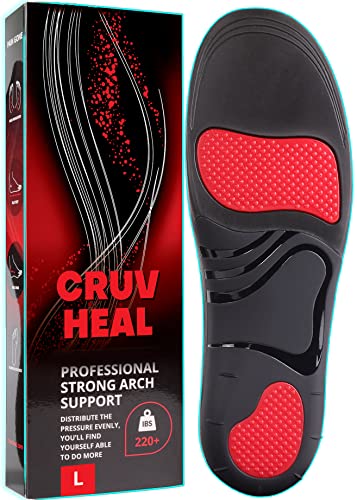
EasyFeet 220+ Strong Arch Insoles
Heavy ski boots don’t forgive weak support underfoot. After a few laps, a flat arch can start spreading inside the shell, the heel can drift, and the whole lower body may feel like it’s working overtime just to stay centered. That’s why EasyFeet 220+ Strong Arch Insoles belong in the conversation around best ski boots for flat feet. They’re built for stronger support needs, especially where stock boot inserts feel thin, tired, or barely there.
EasyFeet 220+ Strong Arch Insoles
EasyFeet 220+ Strong Arch Insoles are designed around heavy-duty support for people over 220 pounds, and that detail changes the whole review. Regular foam inserts can compress quickly under higher load, which makes arch support disappear right when it’s needed most. This model uses extra-hard TPU with a cushioning PU foam layer, so the insole is clearly aiming for structure first. Soft comfort still matters, but the real point here is shape retention under pressure.
Anti-pronation technology is one of the bigger features because flat feet often roll inward when weight settles through the arch. Inside ski boots, that inward roll can throw off stance and make edging feel less clean. A firmer arch platform helps distribute weight more evenly instead of letting the foot collapse into the boot liner. That can make long ski sessions feel less like a wrestling match with your own feet.
Deep foot cradles give the heel a more guided position, which is useful for both walking and skiing. A heel that wanders inside the boot creates friction, hot spots, and a disconnected feeling during turns. The built-in heel support aims to keep the foot properly positioned, helping stability from the ground up. It’s not glamorous, but heel control is one of those quiet details that can make or break comfort.
Gel forefoot and heel pads add cushioning where impact tends to build. Ski days include far more than gliding downhill: there are frozen parking lots, hard lodge floors, lift lines, boot-pack steps, and awkward shuffles across icy decks. Those little impacts stack up fast. The added dampening gel helps soften the ride without turning the insert into a floppy sponge.
Why Flat Feet Need Firmer Support
Flat feet don’t always hurt right away, which is what makes boot fit so tricky. A pair of ski boots may feel acceptable during a short try-on, then become cranky once the foot spreads under real load. The arch drops, the instep feels squeezed, and the heel starts searching for space. A supportive insole can help reduce that chain reaction by giving the foot a steadier base.
Strong arch support matters more than extra softness for this kind of fit problem. Too much cushion can feel nice in the store, but if it collapses, the foot still loses alignment. EasyFeet’s extra-hard TPU frame is meant to keep its shape for heavier support needs, which gives the arch something firm to lean into. That firmness may feel assertive at first, especially if the foot is used to flat stock inserts.
Weight distribution is another practical benefit. The product details highlight equal load distribution for the spine and joints, and the logic is easy to understand. A foot that collapses inward can affect ankle, knee, hip, and back alignment. An insole won’t rewrite body mechanics overnight, but it may reduce some of the uneven pressure that builds during standing-heavy days.
Ski boot pressure can still complicate things. These insoles add structure, and structure takes up space. A roomy recreational ski boot may accept them well, while a tight low-volume shell could feel crowded over the instep. The fit needs a careful indoor test before a full day on snow, because cold feet and tight shells are a rough combo.
Pros That Stand Out
Heavy-duty durability is the headline strength. The insole is made for 220 pounds and above, which means the support is not trying to behave like a lightweight comfort pad. Extra-hard TPU should resist flattening better than soft foam-only designs. That makes sense for long ski days where pressure stays constant for hours.
Arch and heel stability give these inserts their most useful ski-boot personality. Flat-footed skiers often fight boot movement by over-tightening buckles, which can crush circulation and make toes colder. A better footbed can reduce some of that urge by holding the foot more securely from underneath. Less panic-tightening usually means a more livable boot fit.
Shock absorption also earns its place here. The gel pads under the forefoot and heel help soften repetitive pressure from walking, standing, and skiing on firm surfaces. Hard snow and frozen ground send plenty of vibration upward. The cushioning layer won’t make a stiff boot feel like a sneaker, but it can take some bite out of the day.
Breathable velvety cover helps manage friction and heat inside footwear. Ski boots trap warmth, sweat, and pressure in a way casual shoes don’t. A smoother top layer can help reduce rubbing under socks, especially during longer sessions. That said, no insole can fully solve moisture buildup inside a sealed boot shell.
Cons Worth Taking Seriously
Firm support can feel too intense for some feet. The same strong arch that helps with pronation may feel intrusive during the first few wears. Anyone coming from flat insoles should expect an adjustment period instead of instant slipper-like comfort. That’s not a dealbreaker, but it’s definitely a real tradeoff.
Boot volume is the biggest fit concern. Ski boots are already tight by design, and adding a structured orthotic can lift the foot slightly inside the shell. That may create pressure over the instep or reduce toe space in narrow boots. The insole needs to sit flat without bunching, curling, or forcing the boot to close awkwardly.
Condition claims should be read with a level head. The provided details mention plantar fasciitis, flat feet, pronation, metatarsalgia, shin splints, bunions, Morton's neuroma, joint protection, and back pain relief. Supportive insoles can help with alignment and pressure distribution, but foot pain can come from many sources. Persistent pain deserves more than guesswork and a new insert.
Weight-specific design may not suit everyone. The product details clearly suggest a different model for people under 220 pounds. That matters because overly firm support can be unnecessary or uncomfortable for lighter wearers. A stronger insole is useful only when the foot and body actually benefit from that level of resistance.
Daily Wear And Break-In Notes
Work boots may be the easiest place to judge these insoles before putting them in ski boots. A regular day of standing or walking reveals arch pressure, heel comfort, and forefoot cushioning more safely than a mountain trip. The foot gets time to adapt, and any hot spot shows up before cold weather makes it harder to adjust. That slow start is boring advice, sure, but it saves headaches.
Most footwear types are listed as compatible in the product details, including work boots and shoe setups that need stronger support. That flexibility adds value because flat-foot discomfort rarely shows up in only one pair of shoes. A sturdy insole can become part of the daily rotation. Still, each shoe has its own volume and shape, so one fit won’t feel identical everywhere.
Size checking deserves extra attention because the product details mention checking size before payment. Ski boots leave less room for mistakes than casual sneakers. An insole that’s too long can curl at the toe, while one that’s too narrow may shift underfoot. Clean fit is part of the support system, not a small detail.
Rainy-weather footwear creates a separate comfort problem because wet shoes can amplify rubbing and instability. From a practical angle, related footwear planning appears in best shoes to wear in rainy weather, while these EasyFeet insoles stay focused on support, load distribution, and pressure relief. Different conditions, same basic truth: feet complain fast when the foundation is wrong.
Ski Boot Fit Reality
Best ski boots for flat feet usually need more than extra width. A wide shell can reduce squeezing, but without support, the foot may still collapse and slide around. EasyFeet 220+ Strong Arch Insoles address the underfoot structure side of the problem. They can make a decent boot feel more stable, but they won’t rescue a shell that’s too small or badly matched.
Heel positioning is especially useful during skiing because rearfoot control affects balance through each turn. The deep cradle helps keep the heel seated instead of drifting under pressure. That steadier base may reduce fatigue during long groomer days or repeated lift laps. Small movements inside the boot can feel huge once skis are on edge.
Support strength should match the actual foot problem. These insoles make the most sense for flat feet, pronation, and heavier load needs where standard inserts flatten too easily. They may be too much for someone who only wants light cushioning. That difference matters because comfort is not always softer, and support is not always better when it’s excessive.
Realistic expectations keep this review grounded. EasyFeet 220+ Strong Arch Insoles bring firm structure, gel cushioning, heel control, and heavy-duty shape retention to footwear that needs more backbone. They can support a flat-foot ski boot setup, especially in medium-volume boots with weak stock footbeds. They also demand careful sizing, gradual wear, and honest attention to pressure before they earn a permanent spot in the boot.


Best Green Ski Goggles 2026 For Clear Vision On Slopes
Best Ski Goggles Under 30 Inches For Crisp Vision And Comfort

Best Backcountry Ski Goggles 2026 For Crystal Clear Vision

Best Frameless Ski Goggles Men for Clear Vision and All-Day Comfort
best yellow ski goggles Snow Clarity

Best EXP Vision Ski Goggles 2026 Ultimate Clarity Picks

Discover the Best Mens Ski Goggles of 2026
Best Slim Ski Goggles for Clear Vision, Lightweight Comfort, and a Low-Profile Fit





