best ski boots for high arches Fit Wins

best ski boots for high arches isn’t just a search for a warmer liner or a stiffer shell. It’s usually about that sharp pressure across the instep, the numb toes that show up before lunch, and the strange feeling that a boot can be both too tight and not supportive enough. High arches can make ski boots feel tricky because the foot often needs more structured support underneath while still needing enough room over the top. Get that balance wrong, and the whole day starts feeling like a wrestling match with buckles.
Arch support matters because ski boots transfer movement through the foot, ankle, and lower leg. A flat, unsupportive footbed can let the arch collapse slightly inside the boot, which may create extra movement, hot spots, and sloppy edge control. On the flip side, a bulky insole can lift the foot too much and press the instep into the shell. So, the sweet spot is firm support that holds the arch without stealing precious volume.
Boot volume deserves a close look here. A lower-volume performance boot may feel locked in for a few minutes, then turn brutal once the foot swells or the chairlift ride gets cold. A medium-volume boot with a heat-moldable liner often makes more sense, especially if the shell has enough instep clearance to avoid that vise-like squeeze. Still, too much space can backfire, since extra movement leads to rubbing, fatigue, and weaker steering.
Custom footbeds can make a plain boot feel far more dialed-in, but they’re not magic dust. They work best when the shell shape already suits the foot, because no insert can fix a boot that’s painfully low over the instep. A good setup supports the arch, steadies the heel, and lets the toes relax instead of clawing for balance. That’s the kind of small detail that quietly changes the whole mood of a ski day.
Heat-moldable liners, adjustable buckles, and walk-mode-friendly cuffs can also help, depending on the skiing style. Aggressive carving calls for firmer control, while casual resort laps may feel better with a slightly more forgiving flex. The catch, of course, is that softer boots can feel cozy in the shop yet vague on hard snow. A boot should feel snug, not punishing, with pressure spread evenly instead of concentrated over the arch or instep.
Fit checks should happen with ski socks, not thick winter socks that hide problems for ten minutes and create new ones later. Thin, moisture-wicking socks usually give the liner a cleaner connection to the foot. Buckles should secure the boot without needing to be cranked down like a jar lid that won’t open. If pressure appears right away on top of the foot, that’s a red flag worth taking seriously.
High-arch ski boot comfort often comes down to patience, honest sizing, and smart support rather than chasing the stiffest or flashiest model. A shell with the right instep height, paired with a supportive footbed, can reduce the stop-and-fix routine that eats into slope time. No boot should promise painless perfection straight out of the box, though. The better goal is controlled pressure, steady support, and enough room for the foot to keep doing its job without throwing a fit.
- BWP Score9.6
BWP Score is a ranking system developed by Bestwinterproducts.com. BWP score has no relationship or impact from any manufacturers or sales agent websites. Learn more
- BrandTread Labs

- BWP Score9.6
BWP Score is a ranking system developed by Bestwinterproducts.com. BWP score has no relationship or impact from any manufacturers or sales agent websites. Learn more
- BrandROCES
- BWP Score8.8
BWP Score is a ranking system developed by Bestwinterproducts.com. BWP score has no relationship or impact from any manufacturers or sales agent websites. Learn more
- BrandSuperfeet
- BWP Score8.6
BWP Score is a ranking system developed by Bestwinterproducts.com. BWP score has no relationship or impact from any manufacturers or sales agent websites. Learn more
- BrandSuperfeet

- BWP Score8.6
BWP Score is a ranking system developed by Bestwinterproducts.com. BWP score has no relationship or impact from any manufacturers or sales agent websites. Learn more
- BrandEASYFEET

- BWP Score8.6
BWP Score is a ranking system developed by Bestwinterproducts.com. BWP score has no relationship or impact from any manufacturers or sales agent websites. Learn more
- BrandDREAM PAIRS
- BWP Score8.6
BWP Score is a ranking system developed by Bestwinterproducts.com. BWP score has no relationship or impact from any manufacturers or sales agent websites. Learn more
- BrandWALK·HERO COMFORT AND SUPPORT
- BWP Score8.2
BWP Score is a ranking system developed by Bestwinterproducts.com. BWP score has no relationship or impact from any manufacturers or sales agent websites. Learn more
- BrandPCSsole

- BWP Score8.2
BWP Score is a ranking system developed by Bestwinterproducts.com. BWP score has no relationship or impact from any manufacturers or sales agent websites. Learn more
- BrandApex Ski Boot System
- BWP Score8.2
BWP Score is a ranking system developed by Bestwinterproducts.com. BWP score has no relationship or impact from any manufacturers or sales agent websites. Learn more
- BrandMasterfit

- BWP Score7.4
BWP Score is a ranking system developed by Bestwinterproducts.com. BWP score has no relationship or impact from any manufacturers or sales agent websites. Learn more
- BrandApex Ski Boot System
Last update on 2023-05-25 / Affiliate links / Images, Product Titles, and Product Highlights from Amazon Product Advertising API
best ski boots for high arches
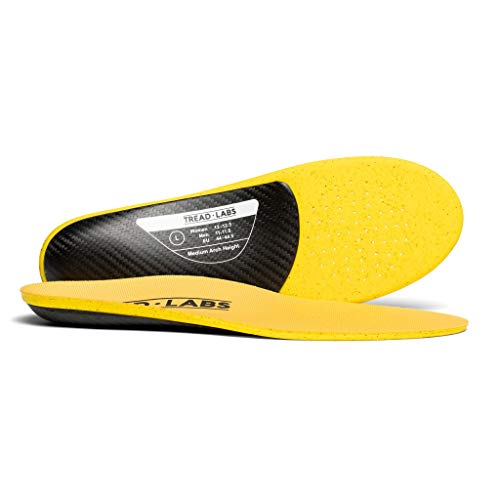
Long ski days have a funny way of exposing every tiny flaw in your setup. Pressure across the instep starts creeping in halfway through the second run, toes get tingly on cold chairlift rides, and suddenly the whole mountain feels less exciting. That’s exactly why products like Dash Insoles for Men and Women have carved out attention among people trying to improve comfort inside rigid ski boots without turning their fit into a sloppy mess. Built around a 100% carbon fiber arch support, these insoles aim to stabilize the foot, improve energy transfer, and reduce the annoying foot fatigue that tends to pile up during long sessions on snow.
Dash Insoles
Ultra-firm support changes the feel of a ski boot almost immediately. Soft foam inserts often feel cozy for ten minutes, then flatten out once the boot starts flexing aggressively. Dash Insoles take the opposite route. The nearly rigid carbon fiber structure creates a planted sensation under the arch, which helps reduce that collapsing-foot feeling that can happen inside narrow performance boots. Skiers with high arches usually notice the difference during edge transitions because the foot stays more stable instead of subtly rolling inward.
Energy return is another part of the experience that stands out. Ski boots already transfer force efficiently, but unstable arches can waste movement before it reaches the ski edge. The firmer support platform tightens things up underfoot, especially during carving or uneven terrain. That added stability won’t magically turn casual skiers into racers overnight, though it can help reduce the small foot adjustments that quietly drain energy during a full day on snow.
Ventilated top covers deserve more credit than they usually get. Sweat buildup inside ski boots can create friction, hot spots, and that clammy feeling nobody enjoys after lunch. The breathable surface on these insoles helps keep moisture from pooling excessively around the footbed. It’s a small detail, sure, but small details matter once boots stay on for six or seven straight hours.
Arch height options make this setup more realistic for real feet instead of generic sizing charts. Many over-the-counter inserts force completely different foot shapes into the same profile, which rarely ends well. Dash Insoles offer multiple arch heights ranging from low to extra high, and that flexibility matters for ski boots because internal shell volume is already tight. A high-arched foot crammed into the wrong support profile usually ends with instep pressure or heel instability.
Carbon Fiber Feel On Snow
Carbon fiber construction gives these insoles a noticeably firmer personality compared to soft gel-based inserts. Some people love that immediate locked-in feel, while others may need a short adjustment period before their feet adapt. Ski boots already have stiff shells, so pairing them with rigid arch support creates a very connected sensation underfoot. That direct feedback feels especially useful on groomed runs where edge control matters more than plush cushioning.
Firmness tradeoffs shouldn’t be ignored, though. Lightweight recreational skiers who prioritize softness over responsiveness may find the support structure a bit aggressive at first. These insoles lean more toward performance support than pillowy comfort. Still, for high arches that collapse or fatigue during repetitive movement, the extra structure can help reduce soreness that tends to build around the midfoot and ankle area.
Biomechanics support becomes more obvious during repetitive runs. Feet naturally absorb a huge amount of force while skiing, especially during moguls, rough terrain, or hard carving sessions. Stable arch positioning helps distribute pressure more evenly across the foot instead of concentrating it in isolated areas. That balanced support can reduce the urge to over-tighten buckles just to feel secure.
Durability also feels different here compared to standard foam inserts that flatten after a season. Carbon fiber resists compression far better than softer materials, so the support profile stays consistent over time. The structure feels built for repeated use rather than quick comfort that fades after a handful of weekends.
Replaceable Top Covers Matter More Than Expected
The two-part system sounds simple at first, but it solves a frustration many people quietly deal with. Traditional insoles often become useless once the fabric top layer wears thin or starts smelling rough after repeated use. Dash Insoles separate the supportive arch base from the replaceable cover, which means the structural support can stay intact while only the worn surface gets swapped out.
Long-term value enters the conversation pretty quickly because ski gear already eats through budgets fast. Replacing entire insoles every season gets annoying, especially when only the foam surface has deteriorated. This setup trims down waste while extending the life of the core support piece. That balance between durability and replaceability feels more practical than tossing out a perfectly functional arch support system.
Odor management benefits from the replaceable layer too. Ski boots trap moisture, and even careful drying routines don’t completely stop buildup over time. Fresh top covers help maintain a cleaner feel without needing to replace the whole insole assembly. Little maintenance advantages like this tend to matter more after months of steady winter use.
Environmental impact isn’t pushed in an overdramatic way, which honestly makes the idea easier to appreciate. Fewer discarded insoles ending up in the trash is a sensible bonus rather than a marketing gimmick. Durable support pieces paired with replaceable wear layers simply make practical sense for gear that takes repeated abuse.
Fit Adjustments Inside Ski Boots
Ski boot compatibility depends heavily on internal boot volume. Lower-volume race-inspired boots may need careful trimming or shell checks before adding any aftermarket insole, especially for people already fighting instep pressure. Medium-volume boots usually handle these insoles more comfortably because there’s enough space to support the arch without crushing the top of the foot.
Heel stability improves noticeably once the foot stops collapsing inside the liner. A stable heel reduces rubbing and limits that subtle shifting feeling that can make skis feel disconnected during quick turns. Better foot positioning also helps align the ankle more naturally inside the cuff. Small alignment improvements often create a calmer, less twitchy ride.
Cold-weather comfort benefits indirectly from improved circulation positioning. Unsupported arches sometimes create pressure points that contribute to numbness, especially once boots tighten during colder temperatures. Stable support can reduce excessive buckle tension because the foot feels more secure underneath instead of sliding around. Less over-tightening often means warmer feet by the afternoon.
Sizing patience still matters, though. Insoles can improve support dramatically, but they can’t completely fix a poorly fitted shell. Boots that are too narrow over the instep may still create pressure regardless of insert quality. Realistically, Dash Insoles work best as part of a thoughtful fit setup rather than a miracle patch for fundamentally wrong boots.
Long-Term Use And Everyday Versatility
Multi-sport flexibility makes these insoles easier to justify outside ski season. The product description mentions soccer boots, cycling shoes, and running shoes, and that crossover utility feels believable because the support structure focuses on force transfer and arch stability. Swapping the same support system between footwear can help maintain more consistent foot positioning throughout different activities.
Thirty years of footwear design experience behind the brand adds some credibility without leaning on flashy claims. Mark Paigen’s background in supportive footwear design shows up most clearly in the structural approach rather than trendy gimmicks. The focus stays centered on durability, support consistency, and realistic foot mechanics instead of exaggerated promises.
Rigid support systems aren’t for every foot shape or comfort preference, and that honesty matters here. Some people genuinely prefer softer cushioning for casual movement, especially if they aren’t pushing hard on technical terrain. Dash Insoles lean toward structured support and controlled movement rather than plush softness. That distinction helps set more realistic expectations before sliding them into expensive ski boots.
Gear conversations sometimes drift into unrelated territory during winter travel setups, and in some cases, a separate reference appears in best tumbler for carbonated drinks. Little comforts outside the boot setup can still shape the overall mountain experience, especially during long days between runs and parking-lot breaks.
best ski boots for high arches
Kids grow like weeds, and ski gear rarely keeps up without draining the winter budget faster than expected. One season, the boots fit snugly. A few months later, toes are jammed against the shell while complaints start rolling in halfway through the first run. That headache pushes plenty of families toward adjustable models like the Roces Idea Up Adjustable Ski Boots, especially for growing feet that still need decent support and comfort on cold mountain days. Built with a 6in1 adjustable system, these boots focus less on race-level stiffness and more on flexibility, convenience, and practical long-term use.
Roces Idea Up
Size adjustability sits right at the center of this boot’s appeal. Roces designed the shell to expand across multiple sizes while keeping the sole length fixed at 292mm, which means bindings don’t need remounting every time the fit changes. That alone removes one of the more irritating maintenance chores that pops up during fast growth spurts. Plenty of ski parents already juggle jackets, gloves, goggles, and lift tickets, so skipping extra binding work feels like a breath of fresh air.
Growing-foot comfort also benefits from the adjustable internal fit. Feet don’t expand evenly, especially during younger years, and cramped ski boots can ruin confidence surprisingly fast. The adjustable sizing gives extra breathing room over time without turning the fit into a floppy disaster. There’s still enough structure to maintain decent ski control, though aggressive expert skiers may eventually want something more performance-focused.
Micro adjustable buckles help refine the fit better than basic snap buckles often found on entry-level youth gear. Tiny adjustments matter once thicker socks, cold temperatures, and changing foot volume enter the picture. Tightening the shell gradually instead of cranking everything down at once makes the boots feel more balanced during long days outside. That softer approach usually creates fewer pressure points across the instep.
Soft flex construction deserves attention too because stiff boots can punish lighter or developing skiers. A forgiving flex encourages smoother movement and easier weight transfer without fighting every ankle motion. Skiers still learning parallel turns or building confidence on steeper runs often feel less restricted in softer boots. The tradeoff, naturally, is reduced precision at higher speeds or on icy terrain.
Where The Fit Works Best
High arches create a tricky balancing act inside ski boots. Too much pressure over the instep quickly becomes miserable, but too much empty space leads to sloppy steering and heel lift. Roces takes a more forgiving route here with its softer flex and adjustable fit range, which can help reduce that squeezed-top feeling common in rigid low-volume shells. The interior doesn’t feel aggressively narrow, and that usually works in favor of arch-heavy feet.
Comfort-focused shaping helps the boots stay wearable during long beginner or intermediate ski sessions. A tighter race-inspired shell might offer sharper control, but younger skiers or casual riders often care more about warmth and movement freedom than edge precision. Feet that constantly ache tend to drain enthusiasm fast. Softer, more adaptive boots generally keep energy levels higher throughout the day.
Boot weight also feels manageable without becoming clunky. Heavier ski boots can tire smaller legs quickly, especially after repeated chairlift rides and stop-start learning sessions. Roces keeps things fairly balanced here, which helps reduce that stompy, awkward walking feeling around lodges or parking lots. Nobody wants ski boots that feel like concrete blocks before the first run even begins.
Support limitations still exist for advanced carving or aggressive downhill use. Skiers charging hard on steep terrain may outgrow the softer response sooner than expected. The shell prioritizes comfort and flexibility over razor-sharp responsiveness. That’s not necessarily bad, though. Different boots serve different stages of progression, and these lean heavily toward approachable usability instead of high-pressure performance.
Pros That Stand Out Fast
The fixed sole length might honestly be the smartest feature on the entire boot. Binding remounts cost time, money, and unnecessary hassle once kids start growing quickly between seasons. Keeping the sole length stable while adjusting internal sizing streamlines the whole setup process. That practical design choice feels genuinely useful instead of flashy marketing filler.
Adjustment flexibility stretches the usable lifespan much longer than traditional single-size ski boots. Some families burn through youth gear at a brutal pace, especially during active ski seasons. Having multiple fit ranges built into one shell creates breathing room before another expensive replacement cycle kicks in. That’s a practical advantage people notice almost immediately.
Beginner-friendly flex helps build confidence naturally. Stiffer boots can feel punishing for skiers still figuring out body positioning, edging, and balance. The softer shell flex encourages smoother movement and reduces that locked-leg feeling newer skiers often struggle with. Skiing feels less intimidating once the boot moves with the body instead of fighting every turn attempt.
Simple buckle operation deserves credit too. Kids wrestling with complicated gear setups usually lose patience in record time, especially while standing in freezing parking lots. The micro adjustable buckles stay fairly straightforward without feeling flimsy. Small usability details like this quietly improve the entire day.
Cons Worth Knowing Before Buying
Performance ceilings show up once skiing becomes more aggressive. Softer flex boots naturally sacrifice some responsiveness during faster runs or sharper carving situations. Stronger skiers who already lean hard into turns may feel the shell folding more than expected under pressure. That softer personality fits developing riders better than advanced technical skiers.
Precision fit can feel slightly less locked-in compared to fixed-size performance boots. Adjustable systems create versatility, though sometimes at the expense of ultra-snug foot wrapping. Skiers chasing exact edge response might notice a little extra movement inside the shell. Casual users probably won’t care much, but stronger skiers tend to notice these subtleties quickly.
Long-term liner wear may vary depending on how aggressively the sizing system gets stretched across growth stages. Frequent adjustments and repeated seasonal use naturally put more strain on internal materials over time. That’s fairly common with expandable gear, though it’s still worth considering before expecting race-level durability. The convenience factor remains the bigger selling point here.
Cold-weather stiffness changes can also affect softer plastics more noticeably. Some boots feel flexible indoors but tighten up considerably once temperatures drop deep into winter conditions. A relevant reference for colder outdoor gear appears in best cold weather combat boots, especially for people comparing insulation priorities across winter footwear categories. Roces still maintains decent comfort overall, but extremely cold conditions can change the shell feel slightly during long outdoor sessions.
Everyday Ski Experience
Parking lot transitions feel easier than expected because the boots don’t fight every movement. Walking from the car to the lodge stays reasonably manageable, which matters more than people sometimes admit. Uncomfortable ski boots can sour the mood before the first lift even starts spinning. Roces avoids that overbuilt, rigid feel that often frustrates younger skiers.
Chairlift comfort benefits from the softer flex and less aggressive shell pressure. Tight, stiff boots often become more noticeable during downtime than while actively skiing. These keep things more relaxed around the calf and ankle area, which can reduce complaints during slower lift rides or lunch breaks. Little comfort wins like that often decide whether someone wants another run or calls it a day early.
Warmth retention feels respectable without turning bulky. Thicker insulation layers sometimes create awkward pressure inside youth ski boots, especially once socks bunch up around the arch or ankle. Roces keeps the fit reasonably balanced while still maintaining enough warmth for regular resort skiing. Pairing them with thinner ski socks usually improves overall comfort.
Practicality drives this boot more than flashy styling or hardcore downhill ambitions. The adjustable shell, forgiving flex, and stable sole length solve real problems that show up season after season. Some boots aim to impress experts carving black diamonds. Roces seems far more interested in keeping ski days smoother, simpler, and less stressful for growing feet.
Superfeet GREEN Insoles
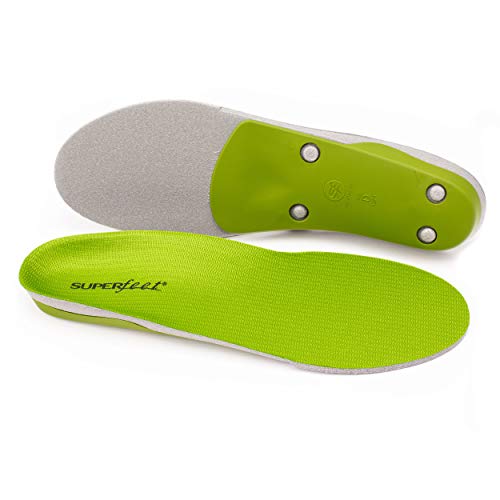
Ski boots can feel brutally honest once the mountain day gets rolling. A tiny gap under the arch, a heel that shifts during turns, or pressure building through the midfoot can turn a good setup into a long, grumpy slog. For best ski boots for high arches, the Superfeet GREEN Insoles bring a firm, structured feel that aims to steady the foot inside tight winter footwear. They’re cut-to-fit, built with a high arch shape, and designed with a wide, deep heel cup that helps keep the foot from wandering around inside the boot.
Superfeet GREEN Insoles
Superfeet GREEN Insoles have a no-nonsense personality. They don’t feel like soft memory foam, and that’s actually the point. The support is firm, shaped, and noticeably more controlled than a flat factory footbed. Inside ski boots, that structure can help reduce the foot fatigue that creeps in after repeated edging, standing, and walking around the base area.
High arch support is the biggest reason these insoles make sense for this ski boot conversation. High arches often leave too much empty space under the middle of the foot, which can make the foot feel unsupported even when the shell itself feels tight. A shaped insole helps fill that gap in a more useful way. Instead of cranking buckles until the boot feels secure, the foot gets support from underneath.
The deep heel cup adds another practical layer. A ski boot needs the heel to stay put because loose heel movement can make turns feel mushy and unpredictable. Superfeet’s wide, deep cup helps cradle the rearfoot so the heel sits more consistently in place. That’s helpful for comfort, but it also matters for control.
Cut-to-fit sizing gives these insoles a flexible edge, though it does require patience. They’re made to be trimmed before use, and sizing up before trimming can help avoid cutting them too short. Ski boots leave very little forgiveness for sloppy trimming. Measure twice, cut once, and maybe don’t rush this part while packing for a trip.
Pros That Make Sense In Ski Boots
Foot stability is the first real advantage. A flat stock liner footbed often bends, compresses, and loses shape under pressure. Superfeet GREEN keeps the arch more supported, which may help the foot feel calmer during long runs. That steadier platform can make ski boot fit feel less like a guessing game.
Pressure distribution improves when the arch has something firm to rest against. Without that support, high arches can leave weight concentrated around the heel and forefoot. These insoles help spread contact more evenly, which can reduce that sore, beat-up feeling after several hours in stiff boots. It’s not plush comfort, but it’s useful comfort.
The heel cup design works well for boots where heel lift is the main villain. That little upward slip during turns can create rubbing, blisters, and poor edge response. A deeper cup helps keep the heel seated more naturally inside the liner. It won’t fix a boot that’s truly too large, but it can tighten up a borderline fit.
Odor control is a small but welcome detail. Ski boots can get funky fast, especially after warm spring laps or packed travel days. The coating is meant to help manage shoe odor, which fits nicely with gear that spends plenty of time drying near heaters or boot bags. No miracle claims here, just a sensible feature that belongs in hardworking footwear.
Cons Worth Thinking Through
Firm support won’t please everyone right away. Anyone used to soft gel inserts may think these feel too rigid during the first few wears. That firmer feel can be useful in ski boots, but it may need a break-in period. Feet that prefer cushion over structure might need time to adjust.
Boot volume can become a real issue. Superfeet GREEN has a supportive profile, and adding arch height inside a snug ski boot can change how much room remains over the instep. High arches already sit closer to the top of many shells. So, if the boot is already tight over the midfoot, these insoles could make pressure worse instead of better.
Trimming mistakes are another downside. Cut-to-fit sounds simple until the insole is sitting unevenly inside a rigid shell. Too much material at the toe can bunch, while cutting too short can create an awkward gap. The process isn’t hard, but it does reward careful hands.
Softness seekers may walk away unimpressed. These aren’t built to feel like thick slippers underfoot. The value comes from support, heel control, and foot alignment rather than cushy padding. That difference matters because ski boot comfort often depends more on shape than squish.
Fit Feel For High Arches
High arches can make ski boots behave strangely. The boot may feel painfully tight across the top while the underside of the foot still feels unsupported. Superfeet GREEN tries to solve the underfoot side of that problem with a raised, supportive arch. That can help the foot settle into a more stable position.
Instep pressure still needs honest attention. A supportive insole can lift the foot slightly, and that may reduce available space inside a low-volume boot. Skiers with sensitive insteps should test the fit before committing to a full day on snow. A few minutes standing around won’t always reveal what a long chairlift ride will.
Heel hold feels like one of the cleaner wins here. The deep cup helps guide the heel into place, which can reduce the need to overtighten lower buckles. That’s useful because overtightening often causes numb toes and cramped arches. Better support underneath can make the boot feel secure without turning the buckles into a wrestling match.
Everyday shoe crossover adds some extra value. These insoles are not limited to ski boots, since they’re also made to fit regular shoes after trimming. That matters if the same arch discomfort shows up in winter boots, work shoes, or daily footwear. From a practical angle, a separate home reference appears in how to decorate a fireplace without mantle, which sits apart from ski gear but still fits cold-season home planning.
Realistic Use And Best Fit
Superfeet GREEN Insoles fit best in ski boots with enough internal room to accept a structured footbed. Medium-volume boots are usually more forgiving than narrow race-style shells. The insole needs room to sit flat without forcing the foot upward too aggressively. A proper shell fit still matters more than any accessory.
Support-focused skiers will probably appreciate them most. Long days, tired arches, heel movement, and uneven foot pressure are exactly the kinds of problems these insoles try to calm down. They’re not flashy. They simply add a firmer foundation where many stock footbeds feel flimsy.
Beginner mistakes often start with socks and buckles. Thick socks can crowd the boot, then a bulky insole makes the squeeze worse. Thin ski socks usually pair better with supportive inserts because they preserve space while improving foot contact. That combo can feel cleaner and warmer than stuffing the boot with extra padding.
Realistic expectations keep this product in the right lane. Superfeet GREEN can improve arch support, heel positioning, and overall foot steadiness, but it won’t rescue a ski boot with the wrong shell shape. The strongest case for these insoles is simple: firm support, better heel seating, and a more controlled feel inside boots that already fit reasonably well.
Superfeet WideGREEN Insoles
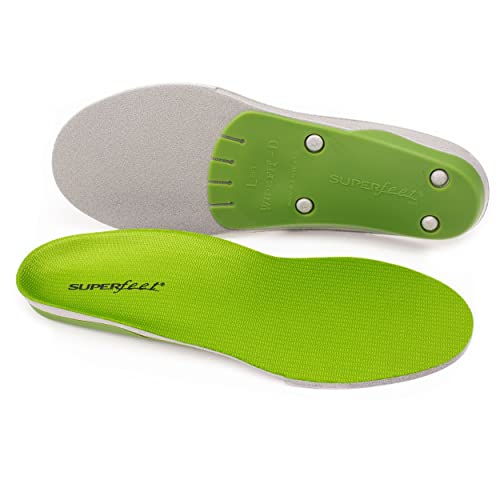
Wide feet inside ski boots can feel like a negotiation nobody really wins. Add high arches to the mix, and the usual stock footbed often feels too flat underneath while the shell still squeezes from the sides. That’s where best ski boots for high arches starts to make more sense as a fit problem, not just a boot-shopping problem. The Superfeet WideGREEN Insoles bring wider support, a high arch shape, dense foam, and a deep heel cup into the picture for boots and shoes that need more structure without pretending every foot is narrow.
Superfeet WideGREEN Insoles
Superfeet WideGREEN Insoles are built for wide feet that still need serious arch control. Regular high-arch insoles can feel supportive in the middle yet skimpy around the edges, which leaves the foot hanging over the platform in wider footwear. This version gives the support system more room to work across the full width of the foot. Inside ski boots, that broader base can help the foot feel more settled instead of perched on a narrow strip of foam.
High arch support is the headline feature, but the extra-wide shape is what gives this insole its personality. High arches often create pressure in odd places because the foot doesn’t spread contact evenly. A wider orthotic platform helps support more of the underside, especially around the heel and midfoot. That can make long standing periods in ski boots feel less like balancing on hard plastic.
The deep heel cup adds welcome control for anyone fighting heel movement. Ski boots depend on heel hold, and even a small lift can make turns feel vague. The wide, deep cup helps cradle the rearfoot while working with the foot’s natural cushioning. That means the support feels more guided than squashed, which matters during repeated flexing and edging.
High density foam gives the insole a firm but not flimsy feel. It isn’t the kind of soft insert that collapses after a few hard days. The product description notes support and comfort for up to 12 months or 500 miles, which sets a clearer expectation for replacement timing. That’s useful because worn-down insoles can quietly ruin boot fit before the shell itself becomes the problem.
Pros For High-Arch Ski Boot Fit
Wide-foot support is the biggest win here. Many ski boots already run snug, and wide feet with high arches can feel trapped from every direction. A broader insole can improve contact under the foot without leaving the edges unsupported. That helps create a more even platform under the arch, heel, and forefoot.
Heel stabilization can make ski boots feel more precise without needing to overtighten the lower buckles. The deep heel cup helps keep the rearfoot seated, which may reduce rubbing and unwanted sliding. Less movement inside the boot usually means fewer hot spots by mid-afternoon. Better yet, it can make edge changes feel cleaner without forcing a painfully tight fit.
Stress relief across the feet, ankles, and back is part of the product’s intended support story. A high arch that lacks structure can push the body into awkward compensation patterns, especially during long days on firm snow. These insoles aim to stabilize the foot so the rest of the lower body doesn’t have to keep correcting every tiny wobble. That won’t replace proper boot fitting, but it can make a reasonable boot feel more dialed-in.
Odor control is a practical bonus for ski boots, winter boots, and everyday shoes. Closed footwear traps moisture, and ski liners are notorious for holding onto stale smells if they aren’t dried properly. The odor-control coating gives the insole a bit more everyday usefulness. It’s not a substitute for drying gear, but it’s better than ignoring the problem.
Cons And Fit Tradeoffs
Extra width can be a drawback in narrow shells. A wide insole needs enough space to sit flat, and ski boots don’t always offer much room. If the footbed curls at the edges or bunches near the toe box, comfort can go downhill fast. Careful trimming matters more here than it does with roomier street shoes.
High arch height may also change instep pressure. Support from underneath can lift the foot slightly, which helps some fits and hurts others. A boot that already feels tight over the top of the foot might become less forgiving with a structured insole inside. That’s the tricky part: better arch support can still create new pressure if the shell volume isn’t right.
Firm foam won’t feel plush in the way casual cushion inserts do. These are support insoles first, comfort insoles second. That’s not a flaw, but it can surprise anyone expecting a soft, sink-in feel. Ski boot comfort often comes from stable shape rather than pillow-like padding, and this product leans into that idea.
Cut-to-fit trimming leaves room for mistakes. The instructions matter, especially since the product description recommends sizing up and trimming down if between sizes. Removing too much material can leave gaps, while leaving too much can cause buckling inside tight footwear. Slow trimming, boring as it sounds, is the smart move.
Real Use Inside Ski Boots
Ski boot volume decides whether these insoles shine or annoy. Medium-volume and wider boots usually give them a better chance because the extra-wide shape can sit properly underfoot. Narrow race-style boots may not have enough space for the platform, especially around the forefoot. Fit always wins over theory here.
High arches often need support that feels firm from the first run, not squishy after lunch. Superfeet WideGREEN provides a steady base that can help reduce foot collapse and shifting. That stability may also make the boot feel more predictable during edging, especially on groomed snow. The ride feels less floaty underfoot, and that’s a good thing for control.
Long-day comfort comes from reducing small irritations before they snowball. A heel that stays planted, an arch that doesn’t feel abandoned, and a footbed that doesn’t flatten too quickly can all make the day easier. No insole can erase a bad shell fit, of course. Still, in a boot that’s close to right, this support can clean up a lot of the little annoyances.
Cold-weather footwear outside skiing also fits naturally into this discussion. From a practical angle, best tall winter boots for women sits in the same seasonal orbit, even though it serves a different footwear need. Wide support, warmth, and stability tend to matter across winter gear, whether the day involves lift lines or icy sidewalks.
Best Practical Match
Superfeet WideGREEN Insoles make the most sense for wider footwear where the stock footbed feels flimsy or under-shaped. Ski boots, winter boots, hiking shoes, and work shoes can all benefit from a firmer foundation if the space allows it. The key is not forcing a wide insole into a shell that clearly doesn’t want it. A good fit should feel supported, not crammed.
Support lifespan is easier to judge thanks to the stated 12 months or 500 miles guideline. That gives a practical replacement window instead of leaving people guessing until discomfort returns. Ski use may not track neatly by miles, but the time estimate still helps. Once the foam looks compressed or the support feels tired, the insole has probably done its shift.
Pros include the extra-wide platform, high arch profile, deep heel cup, odor-control coating, and trim-to-fit flexibility. Cons include possible volume issues in snug ski boots, a firmer feel than soft inserts, and the need for careful trimming. That mix makes the product more specialized than generic. It’s better suited to feet that need width and structure together.
Realistic expectations keep this review grounded. Superfeet WideGREEN can improve underfoot support and heel control, but it won’t fix a boot that’s too small, too narrow, or shaped wrong over the instep. In the right ski boot, though, it can make high arches feel less neglected and wide feet less pinched. That’s a pretty practical win for gear that spends all day locked inside plastic shells.
Premium Anti-Fatigue Insoles
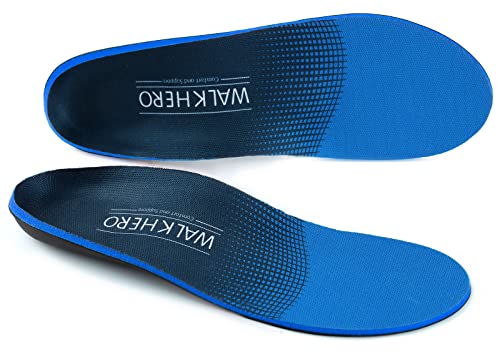
A ski boot can feel fine in the shop, then turn into a tiny torture chamber after a few runs. The arch starts barking, the heel feels unsettled, and every buckle adjustment seems to fix one problem while creating another. That’s where best ski boots for high arches gets interesting, because the boot itself isn’t always the whole story. Premium Anti-Fatigue Insoles bring firm TPU arch support, PU memory foam cushioning, gel forefoot padding, air-capsule shock absorption, and a deep heel cradle into footwear that needs more underfoot structure.
Premium Anti-Fatigue Insoles
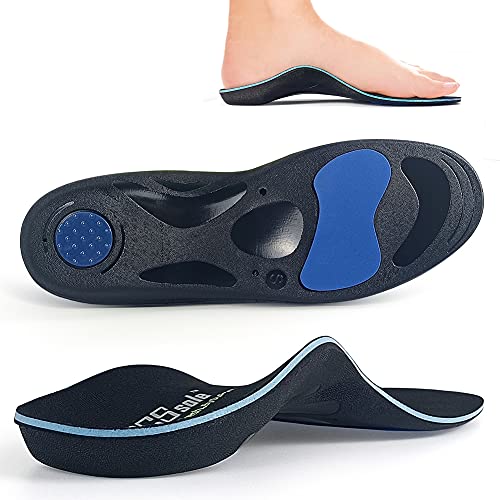
Premium Anti-Fatigue Insoles feel more serious than the thin stock inserts that come inside many ski boots. The design focuses on arch pain support, plantar fasciitis relief, flat feet, high arches, pronation, heel discomfort, and related lower-body strain. That’s a wide support claim, so expectations should stay realistic. Still, the feature list points toward a structured insole made for people who need more than a flimsy layer underfoot.
High arch support sits at the heart of the product. In ski boots, high arches can create an awkward mix of underfoot emptiness and top-of-foot pressure. A firmer arch platform can help the foot sit more steadily instead of collapsing or shifting during turns. That steadier base may also reduce the temptation to overtighten buckles just to feel locked in.
Hard TPU support gives the insole its backbone. Soft foam alone usually compresses quickly under ski boot pressure, especially during long standing periods and repeated flexing. TPU adds structure where the arch needs resistance, while the PU memory foam layer adds a bit of cushioning above it. The result leans supportive rather than squishy, which makes sense for technical footwear.
Trim-to-fit sizing gives these inserts broader footwear compatibility, but it also asks for a careful hand. Ski boots don’t forgive sloppy edges or curled toe areas. The product description strongly warns buyers to check size details before payment, and that warning matters. A poorly sized insole can create pressure points faster than a bad sock fold.
Pros For Ski Boot Comfort
The deep heel cradle is one of the more useful features for ski boot fit. Heel movement can make the entire boot feel loose even when the buckles are tight. A supported heel position helps keep the foot more vertical and balanced inside the liner. That can improve stability during edging without turning the lower buckles into a vise.
Gel forefoot cushioning adds comfort where ski boots often feel unforgiving. Pressure under the ball of the foot can build during long runs, especially on firm snow or while standing in lift lines. The gel forefoot and air capsules are described as shock-absorbing elements, which may help soften repeated impact. It won’t make a stiff boot feel like a sneaker, but it can reduce that harsh underfoot bite.
Anti-pronation reinforcement gives the insole a more corrective personality. Feet that roll inward can create stress through the ankles, knees, and lower back during active movement. In a ski boot, even small alignment issues can show up as fatigue or awkward balance. Better arch positioning may help the body feel less like it’s constantly correcting itself.
Footwear versatility is another practical strength. The description lists orthopedic, athletic, casual, workout, hiking, basketball, tennis, snowboard, ski, golf, gym, walking shoes, and work boots. That makes the insole useful beyond ski season, especially for long standing days or winter footwear that lacks support. From a practical angle, best waterproof for suede shoes sits in a separate footwear-care lane, but it still connects to keeping shoes useful through messy weather.
Cons And Break-In Realities
The break-in period deserves honest attention. The product description says foot pressure may appear during the first 3 to 7 days because the feet may not be used to arch support. That’s not a tiny note. Starting with 2 to 3 hours a day, then gradually increasing wear time, makes more sense than tossing them into ski boots for a full mountain day right away.
Firm arch support can feel intense for sensitive feet. Supportive insoles often help once the body adjusts, but the early feel may be noticeable, especially under high arches. Anyone expecting soft, pillow-like comfort may be caught off guard. These inserts are built more around structure, correction, and stability than that sink-in plush feeling.
Boot volume problems can show up quickly. Ski boots already have limited space, and a thicker support insert can lift the foot closer to the top of the shell. That may improve support under the arch, but it can also increase pressure across the instep. A boot that already feels tight may not pair well with a more structured orthotic insert.
Broad pain-relief claims should be treated with common sense. The product description mentions plantar fasciitis, high arches, flat feet, pronation, back, ankle, knee, neck, lower back, joint, posture, heel spurs, metatarsalgia, shin splints, bunions, and Morton’s neuroma support. That’s a long list, and no insole can guarantee relief for every condition. Serious or persistent pain still deserves professional fitting or medical guidance.
Fit Inside High-Arch Ski Boots
High arches need support that fills space without creating new pressure. Premium Anti-Fatigue Insoles use a stronger arch platform, which may help the midfoot feel more connected inside the boot. That support can be especially useful when stock footbeds feel flat or flimsy. The challenge is making sure the boot still has enough room over the top of the foot.
Heel stability can improve the overall boot feel. A deep heel cradle helps guide the foot into a more stable position, which may reduce unwanted sliding. Less sliding means fewer hot spots and less mid-run buckle fussing. That kind of stability matters more than people realize until they ski without it.
Breathable velvety cover adds a comfort detail that fits long-wear footwear. Ski boots trap heat and friction, especially during warmer days or indoor breaks. A friction-reducing cover may help the foot feel less irritated inside the liner. Still, good ski socks and proper boot drying remain part of the comfort equation.
Adjustable trimming makes the insole adaptable, but it has to be done slowly. Using the original boot footbed as a trimming guide usually keeps the shape cleaner. Too much material left at the front can bunch near the toe box. Too little support under the forefoot can make the fit feel unfinished.
Pros And Cons In Plain English
Pros include strong arch support, TPU reinforcement, PU memory foam cushioning, forefoot gel padding, air capsules, deep heel support, and wide footwear compatibility. That mix makes the insole feel more purpose-built than a basic comfort insert. The design targets foot control as much as cushioning. For ski boots, that matters because control and comfort are tied together.
More pros show up during long wear. The gradual support can help reduce foot fatigue when the fit is right, especially for long standing sessions or repeated athletic movement. The insole also works across different shoe types, so it doesn’t have to sit unused once ski season ends. That everyday crossover gives it more value than a ski-only insert.
Cons include the break-in period, possible pressure during the first several days, and potential space issues in snug boots. The firm support may feel too assertive for feet that prefer soft cushioning. It may also be too much for low-volume ski shells. That’s the tradeoff with structured orthotic inserts: better support can cost a little internal room.
The best fit is a ski boot that already has decent shell shape but needs better underfoot support. Premium Anti-Fatigue Insoles shouldn’t be expected to rescue boots that are too small, too narrow, or painfully low over the instep. Used in the right setup, they can add arch stability, soften forefoot impact, and help the heel sit more securely. Used in the wrong boot, they may simply make tight spaces feel tighter.


Best Green Ski Goggles 2026 For Clear Vision On Slopes
Best Ski Goggles Under 30 Inches For Crisp Vision And Comfort

Best Backcountry Ski Goggles 2026 For Crystal Clear Vision

Best Frameless Ski Goggles Men for Clear Vision and All-Day Comfort
best yellow ski goggles Snow Clarity

Best EXP Vision Ski Goggles 2026 Ultimate Clarity Picks

Discover the Best Mens Ski Goggles of 2026
Best Slim Ski Goggles for Clear Vision, Lightweight Comfort, and a Low-Profile Fit