
Best ski boots for large calves 2026 comfort picks

Best ski boots for large calves need to solve a problem regular boots often ignore: calf pressure that turns a fun ski day into a wrestling match before the first lift ride. A tight cuff can pinch, block circulation, and make the shin feel bruised before lunch. That’s why roomy cuff geometry, adjustable buckles, and softer entry designs matter more than flashy specs. Comfort starts before the skis ever touch snow.
Wide-calf ski boots usually work better when the upper cuff opens generously and the calf buckle has enough range to close without forcing the shell. A boot that barely latches in the shop won’t magically feel better after three hours in cold weather. Also, a slightly more forgiving flex can help reduce that locked-in, concrete-boot feeling. Stiffer boots can ski powerfully, sure, but they’re not always kind to thicker calves.
Women’s ski boots for large calves often include lower rear cuffs, heat-moldable liners, and calf-adjustment features that ease pressure around the back of the leg. That small design difference can feel huge, especially while standing in lift lines or walking across icy parking lots. Still, fit isn’t only about calf size. Foot width, instep height, ankle shape, and sock thickness all play their part, so chasing cuff room alone can backfire.
Men’s ski boots for big calves should be judged by cuff volume, buckle placement, liner thickness, and how the boot flexes forward. A boot with an open stance and micro-adjustable buckles gives more breathing room without feeling sloppy. The sweet spot is snug control without that trapped-leg feeling. Nobody wants to loosen buckles every run just to keep their legs from aching.
Comfort ski boots can still deliver solid edge control, but expectations should stay realistic. More calf room may mean a slightly less race-like fit, and that’s not a bad trade for relaxed cruising, all-mountain laps, or learning with fewer distractions. Heat molding, boot fitting, and thinner ski socks can make a good boot feel noticeably better. So, yeah, the right pair won’t fix every fit issue, but it can stop calf pressure from stealing the whole day.

- BWP Score10.0
BWP Score is a ranking system developed by Bestwinterproducts.com. BWP score has no relationship or impact from any manufacturers or sales agent websites. Learn more
- BrandRossignol

- BWP Score9.6
BWP Score is a ranking system developed by Bestwinterproducts.com. BWP score has no relationship or impact from any manufacturers or sales agent websites. Learn more
- BrandNordica

- BWP Score9.6
BWP Score is a ranking system developed by Bestwinterproducts.com. BWP score has no relationship or impact from any manufacturers or sales agent websites. Learn more
- BrandROCES

- BWP Score9.6
BWP Score is a ranking system developed by Bestwinterproducts.com. BWP score has no relationship or impact from any manufacturers or sales agent websites. Learn more
- BrandRossignol

- BWP Score9.2
BWP Score is a ranking system developed by Bestwinterproducts.com. BWP score has no relationship or impact from any manufacturers or sales agent websites. Learn more
- BrandSITOISBE
- BWP Score9.2
BWP Score is a ranking system developed by Bestwinterproducts.com. BWP score has no relationship or impact from any manufacturers or sales agent websites. Learn more
- BrandNordica
- BWP Score9.2
BWP Score is a ranking system developed by Bestwinterproducts.com. BWP score has no relationship or impact from any manufacturers or sales agent websites. Learn more
- BrandColumbia
- BWP Score9.2
BWP Score is a ranking system developed by Bestwinterproducts.com. BWP score has no relationship or impact from any manufacturers or sales agent websites. Learn more
- BrandUGG

- BWP Score9.2
BWP Score is a ranking system developed by Bestwinterproducts.com. BWP score has no relationship or impact from any manufacturers or sales agent websites. Learn more
- BrandBOGS

- BWP Score8.8
BWP Score is a ranking system developed by Bestwinterproducts.com. BWP score has no relationship or impact from any manufacturers or sales agent websites. Learn more
- BrandRossignol

- BWP Score8.6
BWP Score is a ranking system developed by Bestwinterproducts.com. BWP score has no relationship or impact from any manufacturers or sales agent websites. Learn more
- BrandDalbello

- BWP Score-
BWP Score is a ranking system developed by Bestwinterproducts.com. BWP score has no relationship or impact from any manufacturers or sales agent websites. Learn more
- BrandSalomon
Last update on 2023-05-26 / Affiliate links / Images, Product Titles, and Product Highlights from Amazon Product Advertising API
Best Ski Boots For Large Calves
Cold mornings have a funny way of exposing bad ski boots fast. One buckle feels too tight, circulation starts fading halfway through the chairlift ride, and suddenly the whole mountain feels less exciting. That’s exactly where the Rossignol Alltrack Pro 100 Boots land differently for people struggling with cramped cuffs and awkward lower-leg pressure. The shell shape, customizable liner, and adjustable flex create a setup that feels noticeably less punishing during long ski days.
Rossignol Alltrack Pro 100
Rossignol Alltrack Pro 100 doesn’t chase the stiffest, race-inspired personality on the hill. Instead, it leans toward balanced comfort and controlled response, which honestly makes more sense for skiers dealing with larger calves or thicker lower legs. The flex rating stays supportive enough for aggressive carving, but the boot avoids that brick-on-your-feet sensation some alpine boots create. Walking through icy parking lots or crowded lodge stairs also feels less awkward thanks to the freer movement design.
The shell shape deserves attention because many ski boots squeeze higher on the calf instead of wrapping naturally around the leg. That pressure point can ruin a full afternoon fast. Rossignol’s adjustable cuff setup helps reduce that trapped feeling without making the fit sloppy. Skiers who usually unbuckle boots on every lift ride may notice fewer “finally, relief” moments here.
Customizable liner construction changes the experience quite a bit too. Heat molding helps smooth out pressure zones around the ankle and shin, especially for skiers who constantly battle rubbing or numb spots. Some performance boots feel precise for thirty minutes and miserable after lunch. This one hangs onto comfort longer, particularly during cold weather conditions where liners tend to stiffen up.
That said, the fit still leans slimmer through parts of the foot. People with extremely wide forefeet might need shell adjustments from a boot fitter. The calf area feels accommodating compared to many alpine boots, but the toe box doesn’t magically become extra roomy. Ski boots always involve tradeoffs somewhere.
Fit Feel And On-Snow Personality
Large calf ski boot comfort often depends on how the cuff flexes while turning. Some boots push hard against the shin every time the skier leans forward, creating soreness before noon. The Alltrack Pro 100 flexes more progressively, which softens that harsh forward-driving sensation. Skiers who spend full weekends on mixed terrain usually appreciate that difference by day two.
Snow conditions matter too. Groomers, chopped afternoon snow, and icy sections all demand different reactions from a boot. The 100 flex rating feels stable enough for faster carving but still forgiving in uneven terrain where overly stiff boots can feel exhausting. There’s a little more forgiveness during mistakes, which honestly helps confidence more than people admit.
Another thing worth mentioning is temperature management. Tight calf pressure tends to restrict warmth because circulation suffers. The slightly more relaxed upper fit here helps reduce that issue, especially during windy chairlift rides where feet cool down quickly. Nobody enjoys peeling off boots later and seeing angry red pressure marks wrapped around the calf.
The downside sits mostly in high-speed precision. Expert-level skiers chasing ultra-responsive edge transfer may find the boot slightly softer than true race-focused models. It’s capable, no doubt, but its personality favors all-mountain practicality over hyper-aggressive performance. That distinction matters depending on how someone skis.
Daily Comfort And Practical Tradeoffs
Ski boots for large calves often become exhausting before the skiing even begins. Wrestling with buckles in freezing parking lots isn’t exactly anyone’s favorite winter ritual. The Alltrack Pro 100 opens wide enough to make entry and exit less dramatic, which sounds minor until you’re balancing on icy pavement with frozen fingers. Little details suddenly matter a lot in ski gear.
The adjustable flex system gives skiers room to fine-tune the feel instead of locking into one rigid setup forever. Softer settings work well for relaxed cruising days or uneven snow, while firmer adjustments create more control during faster descents. That versatility makes the boot easier to live with across changing conditions. Some ski gear feels annoyingly one-dimensional. This doesn’t.
Canting adjustments also help improve alignment for skiers whose knees naturally angle inward or outward. Poor alignment can create fatigue surprisingly fast, especially during long traverses or technical runs. A properly adjusted stance feels smoother through turns and less awkward on flatter terrain. It’s one of those subtle upgrades people notice after hours on snow, not five minutes in the shop.
Weight lands somewhere in the middle. The boots aren’t featherlight touring gear, but they avoid the heavy concrete-block feel older alpine boots sometimes had. Carrying them through the lodge or walking to the lift feels manageable without sacrificing downhill support. That balance matters more than flashy marketing terms.
Pros And Cons That Actually Matter
Pros start with the calf-friendly cuff shape. Skiers struggling with pinching, circulation issues, or buckle pressure will likely feel immediate relief compared to tighter performance boots. The customizable liner also adapts well after molding, which helps reduce shin pressure and awkward hot spots. Comfort-focused details feel intentional rather than accidental.
The adjustable flex system gives the boot a wider personality range too. Softer settings help preserve energy during all-day skiing, while firmer adjustments improve edge response when conditions get faster and icier. That flexibility keeps the boot from feeling locked into one skill level or terrain type. Some skiers want one boot for everything, and this gets reasonably close.
Cons deserve equal attention though. The slimmer lower-foot fit may frustrate skiers with very wide forefeet unless professional fitting work is added. Advanced chargers hunting for ultra-stiff race precision might also find the flex slightly relaxed during aggressive carving. It’s supportive, but not brutally demanding.
Price can become another sticking point. Heat-moldable liners, adjustable systems, and better shell shaping usually push ski boots into a higher budget range. Casual skiers heading out once or twice per season may hesitate at the cost. Still, badly fitting ski boots can wreck an expensive ski trip much faster than people expect.
In some cases, dry winter air and freezing wind can leave lips feeling rough long after a ski day ends. A relevant reference is best lip balm for hyperpigmentation, especially for skiers spending hours exposed to reflective snow glare and cold mountain conditions.
Where This Boot Fits Best
Rossignol Alltrack Pro 100 Boots make the most sense for skiers tired of fighting tight cuffs every single trip. Long resort days, mixed terrain, and changing snow conditions all suit this boot’s personality well. It balances comfort and responsiveness better than many stiff alpine options that feel punishing after several hours.
People transitioning away from entry-level rental boots will probably notice smoother control and better energy transfer without stepping into an unforgiving expert shell. The boot encourages progression without demanding perfect technique every second. That softer learning curve matters, especially on uneven terrain where mistakes happen fast.
The boot also handles vacation-style skiing nicely. Walking between lodges, standing in lift lines, and skiing from morning through late afternoon all feel more manageable with the roomier upper design. Tight calves and frozen feet can drain enthusiasm quickly, so reducing those frustrations changes the whole mountain experience.
Performance ski boots for larger calves rarely nail every category equally. Some prioritize precision while sacrificing comfort, and others feel comfortable but disconnected from the skis. The Alltrack Pro 100 lands somewhere practical in the middle. That middle ground, honestly, is where many skiers end up happiest after the novelty of extra-stiff boots wears off.
Best Ski Boots For Large Calves
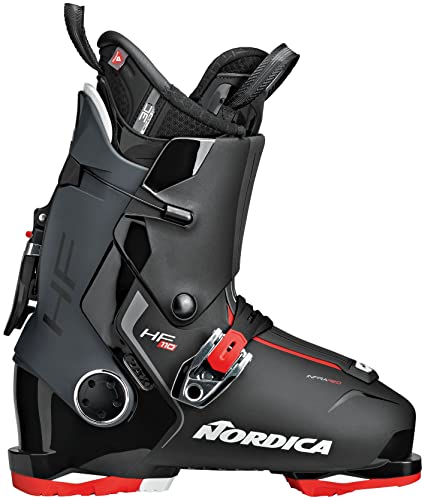
Half the battle on a ski trip starts before anyone reaches the lift. Tight cuffs, stubborn buckles, and numb lower legs can turn a relaxing mountain weekend into an annoying endurance test. That frustration sits right at the center of why the Nordica Men HF 100 Boots catch attention for skiers dealing with larger calves and awkward boot entry. The design focuses less on race-day aggression and more on reducing the constant little annoyances that pile up during long days on snow.
Nordica HF 100
Nordica HF 100 feels noticeably different the second the shell opens. Traditional ski boots often demand a wrestling match in freezing parking lots, especially for skiers with thicker calves or limited ankle mobility. This model leans heavily into convenience with its rear-entry inspired setup and hands-free closure approach. Sliding into the boot feels smoother and less dramatic than most four-buckle alpine designs.
The first thing many skiers notice is the wider opening around the cuff area. That extra space matters because calf pressure tends to become unbearable after a few hours, not immediately. A boot can feel fine indoors, then suddenly clamp down halfway through the second chairlift ride. Large calf comfort improves here because the upper shell doesn’t pinch as aggressively against the back of the leg.
Nordica also softened the overall experience without making the boot feel floppy. The 100 flex rating lands in a practical middle ground where carving still feels responsive but everyday skiing doesn’t become exhausting. Some stiff performance boots feel like punishment unless someone skis aggressively all day long. This one stays more forgiving during uneven terrain and slower resort cruising.
Not every skier will love the softer personality, though. Fast, technical skiers who spend most of the day driving hard through steep terrain may prefer a more locked-in shell. The HF 100 prioritizes comfort and simplicity first, so ultra-precise edge feel takes a slight step backward. That tradeoff won’t bother everyone, but advanced skiers will probably notice it.
Why The Entry System Stands Out
Rear-entry convenience sounds like a small thing until cold weather shows up and flexibility disappears. Bending over icy pavement while fighting frozen buckles gets old fast, especially early in the morning. Nordica’s HF system cuts down on that awkward routine with a closure mechanism that feels easier on stiff joints and bulky ski layers. Little quality-of-life improvements suddenly become a pretty big deal after multiple ski days.
The hands-free buckle setup genuinely changes the flow of getting ready. Instead of constantly crouching and adjusting multiple buckles, the system tightens in a simpler motion that feels less tedious. Skiers who deal with calf tightness or pressure points may appreciate spending less time yanking at buckle ladders trying to create breathing room. There’s a smoother rhythm to the whole process.
Comfort-focused ski boots sometimes sacrifice downhill control too aggressively, but the HF 100 avoids feeling disconnected from the skis. Groomed runs, chopped afternoon snow, and moderate carving all feel stable enough for most resort conditions. The boot responds predictably without demanding race-level technique. Honestly, that balance probably suits more skiers than ultra-stiff boots do.
Still, convenience-focused systems occasionally create durability questions over time. More moving parts can mean more maintenance concerns compared to traditional buckle setups. Skiers who are rough on equipment or travel frequently may want to keep an eye on wear around the rear closure system. Simpler designs usually survive abuse more easily.
On-Snow Feel Through Long Resort Days
Best ski boots for large calves should reduce fatigue instead of adding to it. The HF 100 handles long resort days fairly well because the shell doesn’t create constant shin pressure every time the skier leans forward. That smoother flex pattern helps preserve comfort during afternoon runs when legs already feel tired. A boot that stays manageable after six hours matters more than one that feels impressive for twenty minutes.
The liner also deserves credit. It wraps securely without creating that squeezed, vacuum-sealed sensation some performance boots create around the ankle and calf. Warmth stays more consistent too because circulation doesn’t get restricted as severely. Cold feet and tight cuffs tend to show up together, unfortunately.
Walking comfort feels surprisingly reasonable for an alpine-focused ski boot. Lodge stairs, parking lots, and slippery pathways feel less clunky thanks to the smoother rear-entry motion and more forgiving flex. That practical side becomes important during ski vacations where people spend plenty of time off the snow too. Not every ski day involves nonstop downhill runs.
The boot isn’t especially lightweight, though. Carrying it through airports or hauling gear across giant parking areas still feels like carrying ski boots. Nordica focused more on usability and fit comfort than shaving every ounce possible. Weight-sensitive skiers may notice that during travel days.
Pros And Frustrations Worth Knowing
Pros begin with accessibility. Skiers dealing with stiff ankles, larger calves, or general discomfort from traditional boots will probably appreciate how easy the HF 100 feels to enter and exit. The shell opening gives more room where many boots become painfully restrictive. That relief alone changes the experience for plenty of people.
The balanced flex also works nicely across mixed terrain. Moderate carving, all-mountain cruising, and relaxed resort skiing feel smooth without demanding constant aggressive pressure. The boot responds well enough while still allowing a more natural stance. Some ski boots feel like they’re always trying to force perfect form. This one feels less demanding.
Cons mainly involve performance limitations. Skiers who prioritize maximum precision during high-speed turns may feel slightly disconnected compared to stiffer overlap shells. The rear-entry concept favors convenience and comfort over ultra-tight energy transfer. Strong technical skiers sometimes prefer a more aggressive feel.
Fit can also become tricky for extremely narrow feet. While the calf and entry area feel accommodating, lower-foot hold may require extra adjustments depending on foot shape. Ski boots rarely solve every fit issue at once. One area improves while another may need tweaking from a boot fitter.
In real-world usage, cold mountain wind and reflective snow can dry lips faster than people expect during long chairlift rides. A relevant reference is best lip balm for cheilitis, especially during harsh winter resort conditions where skin irritation becomes surprisingly common.
Who Will Appreciate This Boot Most
Nordica Men HF 100 Boots make the strongest case for skiers who value comfort, convenience, and reduced hassle during full resort days. The design helps remove some of the frustrating routines that make skiing physically draining before the fun even starts. Less struggling with buckles and calf pressure means more energy stays focused on actual skiing.
Casual to intermediate skiers will probably feel most comfortable here because the boot encourages smoother progression without feeling overly punishing. There’s enough support for improving technique, but not so much stiffness that every mistake feels harsh. Confidence grows faster when gear stops fighting the skier.
Large calf ski boot fit remains the real selling point, honestly. Plenty of boots claim comfort while still squeezing the upper leg like a clamp. The HF 100 creates more breathing room without turning sloppy or unstable. That combination feels surprisingly rare in alpine ski equipment.
Travel-focused skiers and weekend resort visitors may also appreciate the reduced setup frustration. Long parking lot walks, crowded lodges, and repeated boot changes become easier to manage with the smoother entry system. Some ski gear feels built only for experts charging steep terrain. This boot feels built for people who want the whole ski day to stay enjoyable from start to finish.
Roces Idea Up Adjustable Ski Boots
Growing feet can make ski gear feel like a bad investment before the season even gets rolling. One month the boot feels snug, then suddenly toes are jammed, buckles fight back, and the whole setup needs rethinking. That’s where Roces Idea Up Adjustable Ski Boots bring a clever twist to the best ski boots for large calves conversation, especially for younger skiers who need softer flex, easier closure, and room to grow without changing binding setup every time.
Roces Idea Up Adjustable Ski Boots
Roces Idea Up Adjustable Ski Boots are built around a simple idea that actually makes sense: kids’ feet don’t stay the same size for long. The 6in1 adjustable technology lets the boot expand across multiple sizes, from 22.5 to 25.5, without turning every season into another gear hunt. That matters because ski boots are already fussy enough. Add fast foot growth, cold mornings, and tight buckles, and patience disappears quickly.
The black and silver design keeps things clean rather than flashy. More importantly, the boot uses a soft flexing shell, which suits smaller or lighter skiers who don’t need a stiff boot fighting every movement. A rigid boot can feel secure on paper but punishing on snow. Softer flex helps with balance, confidence, and smoother turns, especially while learning basic edge control.
The connection to large calf comfort needs a realistic note. This boot isn’t a wide-calf adult boot, and it shouldn’t be treated like one. Still, the softer shell, simpler cuff feel, and adjustable fit can help reduce that squeezed-in sensation around growing legs. For kids who complain about boots before they complain about skiing, that’s not a small detail.
The fixed 292mm sole length is one of the smarter parts of the design. Since the sole length stays the same while the inside adjusts, bindings don’t need constant remounting as the fit changes. That saves hassle and avoids the repeated shop visits that come with traditional ski boot sizing. Practical? Absolutely.
Adjustable Fit For Growing Feet
Adjustable ski boots can sound gimmicky, but Roces handles the concept in a way that feels genuinely useful. The internal fit expands or contracts to follow foot growth across several sizes. That means one boot can cover more than a single short season. For ski families, that kind of flexibility takes pressure off gear planning.
The 6in1 technology works best when the skier is still developing technique and doesn’t need aggressive race-level precision. A growing foot benefits more from comfort and consistency than from an ultra-snug performance fit. If the boot feels familiar across multiple ski trips, confidence builds faster. Nobody learns well while distracted by aching toes.
The tradeoff is precision. An adjustable boot may not feel as dialed-in as a fixed-size performance boot. There’s a little compromise built into the design because the boot has to serve multiple foot sizes. That’s fair, but it’s worth saying plainly.
For casual resort days, lessons, and family ski trips, the fit range feels like a smart compromise. The boot gives enough support for beginner-to-intermediate skiing without making every growth spurt expensive. Fit flexibility is the headline here, not elite-level power transfer.
Buckles, Flex, And Daily Use
The two micro adjustable plastic buckles keep the closure system simple. Fewer buckles mean less fuss in cold weather, and that matters when gloves are bulky and patience is thin. Micro adjustment also helps fine-tune pressure without jumping from too loose to too tight. That small control can prevent complaints before the first run.
The soft flex gives the boot a forgiving personality. A stiff shell can overpower lighter skiers, making turns feel awkward and defensive. This boot bends more naturally, which helps with smoother forward movement. Learning feels less like fighting plastic and more like finding rhythm.
Comfort sits ahead of hard-charging performance here. That’s the right call for this style of boot. The goal is steady progress, fewer pressure points, and fewer mid-day meltdowns over sore feet. A boot that stays wearable can do more for skill-building than one that looks more serious on a gear wall.
Durability expectations should stay grounded. Plastic buckles are lighter and easy to manage, but they aren’t the same as metal hardware on higher-end adult boots. Rough handling, frequent travel, and careless storage can wear them faster. Treating the buckles with a little care will matter over time.
Pros And Cons On The Snow
Pros start with the size adjustment system. The boot can follow growing feet across several sizes, which reduces the need for frequent replacements. The fixed sole length also helps avoid constant binding changes. That combination solves a very real ski-gear headache.
The soft flex is another strength. It supports easier movement and helps prevent the locked-up feeling that makes skiing less fun. For developing skiers, comfort often matters more than stiff response. A boot that flexes naturally can make turns feel less intimidating.
The buckle system also earns points for simplicity. Two micro adjustable buckles are easier to manage than a complicated multi-buckle setup. Cold hands, impatient mornings, and crowded lodge benches all make simple gear more appealing. Less drama before skiing is always welcome.
Cons show up around performance limits. Stronger, faster skiers may outgrow the support before they outgrow the size range. The adjustable fit also won’t feel as locked-in as a dedicated performance boot. That’s the price paid for flexibility.
From a practical angle, a relevant reference is how to tie small neck scarf, especially for cold-weather layering where small accessories can help manage neck drafts around jackets and ski clothing.
Where This Boot Makes Sense
Roces Idea Up makes the most sense for ski days built around learning, comfort, and steady improvement. The boot doesn’t pretend to be a race shell, and that honesty works in its favor. It focuses on fit adjustability, easy handling, and softer movement. Those are the things that keep younger skiers from hating their boots.
The best ski boots for large calves usually need extra cuff space and pressure relief, but this model approaches the issue from a youth-fit angle. It won’t replace adult wide-calf ski boots. Still, the forgiving shell and adjustable sizing can help growing legs avoid some of the squeeze that comes with rigid junior boots. That distinction matters.
Storage and season-to-season use also feel easier with this boot. Since the sole length remains the same, the setup stays more consistent as the fit changes inside. That reduces one more moving part in an already gear-heavy sport. Skis, helmets, gloves, socks, goggles, snacks, and then boots. Whew.
Realistic expectations make this boot easier to appreciate. It’s not built for aggressive carving, racing, or big mountain power. It’s built for growth, comfort, and fewer fit headaches over time. For that job, Roces Idea Up Adjustable Ski Boots bring a practical kind of value that feels refreshingly down-to-earth.
Rossignol Speed 120 Ski Boots
Long ski days can get ugly fast when a boot feels strong on paper but brutal around the foot and lower leg. Pressure builds, toes get cranky, and every lift ride turns into a quiet negotiation with the buckles. The Rossignol Speed 120 Ski Boots bring a different angle to the best ski boots for large calves conversation by mixing a roomy 104 mm relaxed fit with a firmer performance flex. It’s a boot that tries to keep power in the turns without making comfort feel like an afterthought.
Rossignol Speed 120
Rossignol Speed 120 has a more serious personality than many comfort-first ski boots. The 120 flex gives the boot a strong, supportive feel that suits faster skiing, firmer snow, and skiers who don’t want their boots folding under pressure. Yet the relaxed shell shape keeps it from feeling like a narrow race boot with no patience for real feet. That mix is exactly what makes this model interesting.
The 104 mm last is the big comfort story here. Extra room through the forefoot, toe, and ankle areas helps reduce the boxed-in feeling that ruins many ski boots after a few runs. For skiers dealing with thicker lower legs or wider feet, that additional space can feel like a deep breath. The boot still holds the foot with intention, but it doesn’t clamp down like a vise.
Rossignol’s relaxed fit won’t solve every calf issue, though. The boot is roomier through key zones, but calf comfort still depends on shell height, buckle range, liner volume, and stance. A larger calf may still need smart buckle adjustment or professional fitting. Ski boots are picky little beasts, and pretending otherwise just sets people up for disappointment.
The black unisex design keeps things simple and understated. No loud styling, no weird visual tricks, just a clean alpine boot built around support and long-day usability. That matters more than it sounds because some skiers want a boot that looks sharp without screaming for attention in the lift line. Quiet gear can still carry a lot of confidence.
Roomy Fit With Strong Flex
Relaxed Fit is the part that separates this boot from narrower performance models. The wider 104 mm shape gives the forefoot and ankle more breathing room, which can help reduce numbness and hot spots. That’s especially useful during all-day resort skiing where tiny pressure points become full-blown distractions. A boot that feels tolerable in the shop still has to behave after hours in the cold.
The 120 flex rating changes the comfort equation a bit. Softer boots often feel easier at first, but they can lack support when speed picks up or snow gets choppy. This boot gives more backbone, so stronger skiers can pressure the ski without feeling disconnected. It’s not a lazy cruiser boot, and that’s a good thing for people who want comfort without giving up control.
Still, that stiffness has a cost. Skiers who prefer slow, casual laps may find the flex more demanding than expected. A firm boot asks for active movement, especially in steeper terrain or icy conditions. Tired legs can feel that by late afternoon, no doubt about it.
Large calf ski boot fit often becomes a balancing act between cuff room and downhill response. Too much space can make the boot feel sloppy, while too little creates pressure and circulation problems. The Speed 120 sits closer to the performance side, but the relaxed shell gives it more forgiveness than a narrow technical boot. That middle lane is where it earns attention.
Power Transfer And Weight Feel
Sensor Matrix technology helps reduce boot weight while keeping power transfer direct. That sounds technical, but the real-world benefit is simple: the boot doesn’t feel needlessly bulky underfoot. Less dead weight helps during repeated runs, especially on resort days that include long walks, crowded lodge stairs, and plenty of standing around. Skiing already asks enough from the legs.
The shell housing feels built for efficient movement. Edge changes come through with a solid, planted response, especially on groomed trails where pressure control matters. The boot doesn’t feel mushy or vague under a ski. That stronger platform helps carve cleaner turns without overworking every movement.
Direct power transmission matters most for skiers who dislike boots that feel too soft or delayed. A firmer shell can make turns feel more immediate, which builds trust on harder snow. That said, newer skiers may find the response a little too sharp. A boot this supportive rewards decent technique more than casual backseat skiing.
Weight reduction doesn’t make this a featherweight touring boot. It still feels like a strong alpine boot meant for resort performance. The difference is that it avoids some of the clunky fatigue older stiff boots can create. That makes the Speed 120 easier to live with than its flex number might suggest.
Liner Comfort And Warmth
Fully customizable booties give the Speed 120 a better chance of fitting real feet instead of forcing feet into a fixed shape. Custom molding can smooth out pressure around the ankle, instep, and forefoot. That becomes especially valuable for skiers who usually feel one annoying hot spot appear every single trip. Small fit improvements add up fast on cold slopes.
The liner also supports better precision. Comfort alone isn’t enough if the foot floats around inside the boot. A customized liner can tighten the connection between foot and shell while still easing pressure. That’s the sweet spot: secure without feeling trapped.
Thinsulate Stretch insulation adds warmth without making the boot feel overly padded. Cold feet often come from poor circulation, thin socks, or boots that crush the foot too tightly. The extra insulation helps during windy chairlift rides and slow lift lines. Warmth won’t fix a bad fit, but it can make a good fit feel much better.
The stretch element matters because liners need to move with the foot and lower leg. A stiff liner can create rubbing and pressure even inside a roomy shell. This setup feels more forgiving around flex points while still supporting the foot. That’s helpful for long sessions where comfort slowly becomes the whole story.
Pros And Cons In Plain English
Pros start with the wider relaxed shell. The 104 mm last gives more space in the forefoot, toe, and ankle areas, which can reduce the cramped feeling common in narrower alpine boots. The strong flex adds dependable support for confident skiing. That combination gives the boot a useful split personality.
The customizable liner is another real advantage. It allows a more personalized fit instead of relying only on stock shape. Skiers with pressure points, ankle rubbing, or uneven foot volume may benefit from that adjustability. A proper fitting session can make this boot feel much more dialed in.
Cons show up around stiffness and fit expectations. The 120 flex may feel too demanding for relaxed beginners or skiers who prefer gentle cruising. Larger calves may still need careful buckle adjustment because the roomy last doesn’t automatically mean a high-volume cuff. Comfort depends on the whole boot, not one measurement.
Price and fitting time can also become part of the tradeoff. A boot with strong flex, customizable liners, insulation, and performance-focused shell design usually deserves proper setup. Skipping that step can leave comfort on the table. From a practical angle, how to tie cashmere scarf connects naturally with cold-weather layering, especially around the neck where wind sneaks into ski jackets.
Best Use Cases And Limits
Rossignol Speed 120 Ski Boots make the most sense for skiers who want a roomy fit without stepping down into a soft, casual boot. The support feels strong enough for carving, steeper groomers, and faster resort laps. The relaxed shape helps keep that power from becoming miserable. That’s a useful combination for demanding ski days.
The boot fits especially well into the best ski boots for large calves discussion because it acknowledges comfort without abandoning performance. Wider areas through the lower foot and ankle can reduce pressure, while the shell still drives the ski with authority. This isn’t a pillow-soft comfort boot. It’s more like a performance boot with a little more mercy built in.
There are limits, of course. Skiers with very large calves may still prefer boots designed specifically around expanded cuff volume or rear-entry convenience. The Speed 120 offers a roomier fit, but it remains a firm alpine boot with a performance backbone. That detail matters before anyone assumes it will feel relaxed everywhere.
Expert skiers who hate sloppy boots will appreciate the stiffness more than casual skiers will. Intermediate skiers with solid technique may also grow into it nicely, especially if they want more response from their skis. Beginners, though, may feel overpowered until their stance improves. Strong boots don’t forgive lazy habits for free.
SITOISBE Merino Ski Socks
Boot pressure doesn’t always come from the boot alone. Thick seams, damp fabric, sliding cuffs, and bunched material can make even roomy shells feel tighter around the calf and shin. That’s where SITOISBE Merino Ski Socks become relevant in the best ski boots for large calves discussion, not as a replacement for proper boot fit, but as a layer that can either calm pressure points or make them worse. This 2-pack leans into warmth, padding, and stay-put support for long cold-weather days.
SITOISBE Merino Ski Socks
SITOISBE Merino Ski Socks are not ski boots, so let’s get that straight right away. They’re the layer sitting between the leg and the boot, which means they can have a bigger impact than people expect. A bulky sock can steal cuff space, while a better-shaped sock can reduce rubbing along the shin and ankle. For skiers with larger calves, that difference can turn into real comfort by lunchtime.
The foot area uses 58% merino wool content yarn, giving the sock a warmer and more breathable feel than basic cotton winter socks. Cotton holds moisture, gets clammy, and can make cold feet feel worse once snow and sweat enter the picture. Merino wool does a better job managing dampness while keeping warmth close to the skin. That matters during chairlift rides, windy ridge stops, and slow-moving lodge lines.
The design also includes shin padding, which is useful because ski boots press hard into the front of the lower leg. That pressure gets annoying fast during forward flex, especially in stiffer boots. Padding can soften that contact point without needing a thick sock everywhere. Smart cushioning beats random bulk every time.
Still, calf comfort depends on sock thickness and boot volume working together. These are midweight ski socks, so they may feel too warm or too bulky inside a snug performance shell. A skier already fighting a tight boot cuff should be careful here. More padding feels cozy in hand, but inside a tight boot, extra material can become the villain.
Warmth Without The Cotton Problem
Merino wool ski socks make sense for cold weather because they manage warmth and moisture in a more balanced way. Feet sweat even in freezing temperatures, especially during active skiing, hiking, or walking through deep snow. Damp socks can chill toes quickly once movement slows down. Merino helps reduce that clammy feeling while keeping the foot area more comfortable.
The toe warmth is a noticeable design focus. Cold toes can make skiers over-tighten boots because they assume a looser fit means less warmth. Funny enough, the opposite often happens. Better circulation and moisture control usually help more than cranking buckles until the foot goes numb.
Odor resistance is another useful merino trait, especially on multi-day trips. Ski socks can get rough after repeated wear in warm liners and packed gear bags. Merino doesn’t make laundry disappear, but it does help reduce that sour boot-bag smell. Small mercy, big mood.
The tradeoff sits in drying and care expectations. Merino blends usually need more thoughtful washing than cheap synthetic socks tossed anywhere in the laundry. Hot dryers and rough treatment can shorten their life. That’s not a dealbreaker, but it’s worth knowing before treating them like gym socks.
Padding And Pressure Relief
The padded front shin is the feature that ties most directly to ski boot comfort. A ski boot tongue can dig into the shin during turns, especially when the skier leans forward repeatedly. Cushioning helps spread that pressure across a wider area. That can reduce the sharp bite that makes people loosen buckles every few runs.
The ankle and sole padding add comfort in places that take steady friction. Skiing includes a lot of tiny movements inside the boot, even when the foot feels locked down. Cushioning underfoot can soften impact during walking, skating across flats, and standing around on hard lodge floors. It’s not luxury fluff. It’s practical comfort.
Blister prevention comes from fit as much as fabric. The sock claims a design aimed at no bunching and no slipping, which is important because wrinkles inside ski boots become hot spots fast. A smooth sock reduces friction under the arch, heel, and toe box. That’s especially helpful during longer sessions where tiny irritations grow teeth.
Too much padding can cause trouble in narrow boots, though. A padded sock inside a tight shell can reduce circulation and make the boot feel smaller. Skiers using low-volume boots may prefer thinner socks. The SITOISBE pair makes more sense with comfort-oriented boots, rental setups, snow boots, or shells that have a little breathing room.
Compression Around The Calf
Targeted compression around the arch, ankle, and calf gives this sock a more secure feel than loose winter socks. That support helps the sock stay in place instead of sliding down into the boot. Nobody wants to stop mid-run because fabric has folded behind the heel. A stable sock keeps the boot fit cleaner.
The calf compression may help reduce that puffy, tired-leg feeling during long cold days. Standing, skiing, walking, and sitting on lifts all affect circulation differently. Gentle compression can feel supportive without being harsh. The key word is gentle, because tight compression plus a tight boot cuff can be too much.
Large calf comfort gets tricky here. A knee-high sock has to stretch enough around the lower leg without leaving deep marks or rolling down. These socks aim to stay up, but people with very large calves may feel the cuff more than expected. That doesn’t make the sock bad. It simply means calf circumference matters just as much as shoe size.
The left-and-right foot design is a nice touch. Shaped socks usually sit better because padding and compression zones land where they’re supposed to. That can reduce twisting and awkward bunching inside the boot. Small construction choices make a bigger difference once everything is sealed inside a stiff shell.
Pros And Cons In Real Use
Pros start with warmth, cushioning, and moisture control. The 58% merino wool foot area gives the sock a better cold-weather feel than basic synthetic or cotton-heavy pairs. The shin, ankle, and sole padding help soften pressure in ski boots and snow boots. For long winter days, that combination feels practical.
The 2-pack format is useful too. Ski trips often run across multiple days, and nobody enjoys putting on yesterday’s damp socks before breakfast. Having a second pair keeps the rotation cleaner. It also helps for snowboarding, hiking, camping, hunting, or ice fishing, where warm knee-high socks can pull double duty.
Cons mostly come from thickness and fit sensitivity. Midweight padding may feel too bulky inside tight ski boots, especially for skiers already dealing with calf pressure. The compression cuff may also feel snug on larger calves. Comfort depends on the boot, sock, and leg shape working together, not just one item doing all the heavy lifting.
The product mentions a 6-month warranty for quality problems, which adds some reassurance without saying the socks are indestructible. Socks still wear down from boot friction, toenails, repeated washing, and rough use. A warranty helps, but basic care matters too. Wool blends last longer when they aren’t abused in the dryer.
From a practical angle, winter trail days bring similar moisture and traction headaches outside ski resorts. A relevant reference is best waterproof trail shoes women, especially for cold, wet paths where socks and footwear need to work together.
Best Fit Scenarios And Limits
SITOISBE Merino Ski Socks fit best in situations where warmth, padding, and stay-up support matter more than ultra-thin precision. Resort skiing, snowboarding, winter hiking, camping, and snow boot use all make sense. The sock feels built for cold-weather comfort rather than race-boot minimalism. That distinction matters before stuffing it into a tight shell.
For the best ski boots for large calves, socks like these can support comfort only if the boot already has enough cuff room. A padded knee-high sock won’t fix a boot that’s too narrow around the calf. In fact, it may make that pressure worse. But paired with a roomier boot, the cushioning can reduce shin bite and fabric irritation.
The right-left foot design helps with fit consistency. Less twisting means fewer wrinkles, fewer pressure lines, and a cleaner feel inside the boot. That’s especially useful during long days where tiny annoyances pile up. Ski gear rarely fails all at once. It nags first.
Realistic expectations keep this sock easy to judge. It offers warmth, padding, compression, and a ski-friendly shape, but it can’t replace proper boot fitting. Large calves still need boots with generous cuff space, smart buckle range, and enough lower-leg room. The sock can make that setup feel smoother, warmer, and less irritating once the boot fit is already on the right track.


Best Green Ski Goggles 2026 For Clear Vision On Slopes
Best Ski Goggles Under 30 Inches For Crisp Vision And Comfort

Best Backcountry Ski Goggles 2026 For Crystal Clear Vision

Best Frameless Ski Goggles Men for Clear Vision and All-Day Comfort
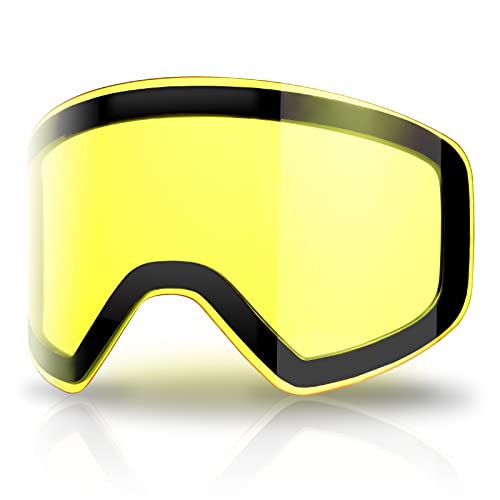
best yellow ski goggles Snow Clarity

Best EXP Vision Ski Goggles 2026 Ultimate Clarity Picks

Discover the Best Mens Ski Goggles of 2026
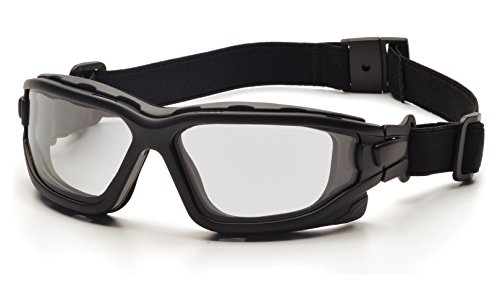
Best Slim Ski Goggles for Clear Vision, Lightweight Comfort, and a Low-Profile Fit





