
Best Ski Goggles For Low Light Conditions 2026 Picks

Best ski goggles for low light conditions matter most on those gray, milky days when the slope looks like a blank sheet of paper. Bumps disappear, shadows go soft, and every turn starts to feel like a small gamble. A good low-light lens won’t magically create sunshine, but it can help pull more contrast from fog, snow glare, and overcast skies. That extra definition makes a run feel less twitchy and a whole lot more controlled.
Low-light ski goggles usually lean on rose, amber, yellow, or light copper lens tints because those colors can make terrain changes easier to read. The trick is matching the lens to the weather instead of grabbing the darkest pair in the bag. Dark lenses can feel stylish in the parking lot, sure, but they’re a pain in flat light once the trail dips into shade. So, lens tint and visible light transmission deserve more attention than frame color or flashy mirror coatings.
Anti-fog performance is another big deal because cloudy days often come with damp air, chairlift stops, and warm breath sneaking into the foam. Double lenses, good venting, and clean face foam help keep the view from turning into a steamed bathroom mirror. Still, no goggle beats poor habits forever. Shoving wet gloves inside the lens or parking goggles on a sweaty helmet can wreck visibility fast.
Comfort and fit can quietly make or break the day. A frame that pinches the nose, leaves cheek gaps, or fights with a helmet becomes annoying before lunch. Softer foam helps, but the shape has to seal well without crushing the face. Smaller faces may need low-profile frames, while broader faces usually do better with wider frames and deeper foam contact.
Magnetic lens swaps are handy for mixed weather because morning fog can turn into bright afternoon sun without asking permission. That said, simple cylindrical goggles with one strong low-light lens can still be the smarter buy for mostly cloudy resorts. Extra lenses add cost, and loose spares can get scratched if they’re tossed into a pack without care. Practical beats fancy more often than people admit.
Best ski goggles for low light conditions should make terrain easier to judge, stay comfortable under a helmet, and resist fog during stop-and-go laps. The right pair won’t remove every bad-weather headache, but it can calm the visual noise enough to ski with more trust. Look for a lens built for contrast, not just brightness. That’s where flat-light days start feeling less like guesswork and more like skiing again.
- BWP Score8.8
BWP Score is a ranking system developed by Bestwinterproducts.com. BWP score has no relationship or impact from any manufacturers or sales agent websites. Learn more
- BrandSKIFOX
- Prime

- BWP Score8.8
BWP Score is a ranking system developed by Bestwinterproducts.com. BWP score has no relationship or impact from any manufacturers or sales agent websites. Learn more
- BrandExtremus
- Prime

- BWP Score9.4
BWP Score is a ranking system developed by Bestwinterproducts.com. BWP score has no relationship or impact from any manufacturers or sales agent websites. Learn more
- BrandOutdoorMaster
- BWP Score9.4
BWP Score is a ranking system developed by Bestwinterproducts.com. BWP score has no relationship or impact from any manufacturers or sales agent websites. Learn more
- BrandOutdoorMaster
- Prime
- BWP Score9.4
BWP Score is a ranking system developed by Bestwinterproducts.com. BWP score has no relationship or impact from any manufacturers or sales agent websites. Learn more
- BrandZIONOR
- Prime

- BWP Score9.2
BWP Score is a ranking system developed by Bestwinterproducts.com. BWP score has no relationship or impact from any manufacturers or sales agent websites. Learn more
- BrandOutdoorMaster
- Prime
- BWP Score9.2
BWP Score is a ranking system developed by Bestwinterproducts.com. BWP score has no relationship or impact from any manufacturers or sales agent websites. Learn more
- BrandZIONOR
- Prime

- BWP Score9.2
BWP Score is a ranking system developed by Bestwinterproducts.com. BWP score has no relationship or impact from any manufacturers or sales agent websites. Learn more
- BrandZIONOR
- Prime

- BWP Score9.0
BWP Score is a ranking system developed by Bestwinterproducts.com. BWP score has no relationship or impact from any manufacturers or sales agent websites. Learn more
- BrandOutdoorMaster
- Prime

- BWP Score7.4
BWP Score is a ranking system developed by Bestwinterproducts.com. BWP score has no relationship or impact from any manufacturers or sales agent websites. Learn more
- Brand5th Element
- Prime
Last update on 2023-05-05 / Affiliate links / Images, Product Titles, and Product Highlights from Amazon Product Advertising API
Best Ski Goggles For Low Light Conditions
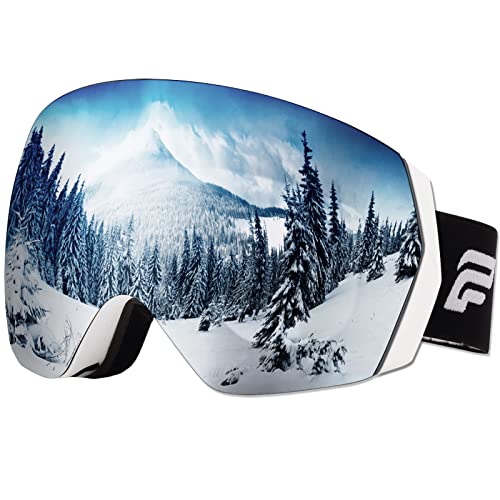
Flat light can turn a decent ski day into a frustrating mess fast. Snow texture disappears, small bumps blend into the trail, and shaded sections start feeling sketchier than they should. That’s exactly where best ski goggles for low light conditions start earning their spot in the gear bag, especially models built to improve contrast instead of just blocking sunlight. The SKIFOX OTG Ski Goggles lean heavily into visibility, helmet compatibility, and practical comfort without pushing into the expensive end of the market.
SKIFOX OTG Ski Goggles
SKIFOX OTG Ski Goggles keep things straightforward in a category that sometimes gets overloaded with gimmicks. The frameless lens design opens up peripheral vision nicely, which matters more than people realize once tree runs and crowded trails enter the picture. Glancing sideways without turning your entire head feels smoother, especially during quick line adjustments. That wider field of view helps reduce the boxed-in feeling cheaper ski goggles often create.
Dual-color frame styling gives these goggles a little more personality than the usual all-black designs crowding rental slopes. Some riders won’t care much about appearance, fair enough, but the cleaner contrast between frame colors adds a modern touch without looking loud or cartoonish. The frameless shape also keeps the goggles from feeling bulky on smaller helmets. Visually, they punch above their price range.
OTG compatibility turns out to be one of the strongest practical advantages here. Skiers wearing prescription glasses know the routine already. Tight goggles pinch temple arms, lenses fog up halfway down the run, and pressure points start becoming distracting after an hour or two. SKIFOX handles glasses better than many budget-focused models because the interior spacing feels less cramped than expected.
Helmet pairing stays reasonably balanced too. The adjustable strap grips securely without feeling overly stiff, and the curved frame shape helps reduce awkward forehead gaps. Some cheaper goggles tend to slide upward once speed picks up or snow gets choppy. These stay planted better than expected during moderate downhill riding and casual snowboard sessions.
Low Light Visibility On Cloudy Days
Low-light performance is really where these goggles make the most sense. Flat light creates depth-perception headaches because the snow surface starts looking smooth even when it isn’t. Subtle dips, icy patches, and chopped-up snow become harder to judge. The SKIFOX lens design does a respectable job pulling contrast back into the terrain without making everything look overly tinted.
Frameless lens coverage helps maintain visibility along the edges, especially during side glances toward trail markers or nearby riders. Narrow tunnel vision becomes surprisingly tiring over long ski sessions, particularly during overcast afternoons. Wider visibility reduces that constant need to rotate your neck just to check surroundings. Small improvement, honestly, but one you notice after several hours outdoors.
UV400 protection also matters more than people sometimes assume during snowy weather. Bright snow reflects sunlight aggressively, even when skies stay gray and dull. Eye fatigue creeps in slowly, then suddenly headaches show up by late afternoon. The protective coating helps cut down that harsh reflected glare without pushing visibility too dark for cloudy conditions.
One practical thing worth mentioning involves lens selection. SKIFOX offers different lens options based on weather conditions, which actually matters if your local mountain flips between foggy mornings and bright afternoons. Dark mirrored lenses look sharp, no doubt, but lighter contrast-focused lenses make far more sense for stormy days. Matching lens tint to weather usually improves the skiing experience more than chasing flashy aesthetics.
Fog Resistance And Airflow
Anti-fog performance can make or break ski goggles, period. Plenty of decent-looking models become borderline unusable once warm breath and cold mountain air start battling inside the frame. SKIFOX uses a dual-layer lens setup that creates thermal separation between temperatures. That design helps reduce condensation buildup during lift rides and stop-and-go sessions.
Ventilation balance feels surprisingly competent for a more affordable pair of goggles. Air moves enough to limit moisture buildup, though not so aggressively that freezing air blasts directly across your eyes. Some vent-heavy goggles stay fog-free but feel icy during windy chairlift rides. These strike a more comfortable middle ground.
OTG ski goggles naturally face extra fogging challenges because prescription glasses trap additional heat underneath the lens. SKIFOX handles that situation reasonably well if airflow remains unobstructed. Tossing a balaclava too high under the goggles can still force moisture upward, though honestly, that happens with most OTG setups regardless of price.
Heavy snowfall and repeated indoor-outdoor transitions eventually test any anti-fog coating. Walking into a warm lodge after several freezing runs still creates temporary haze for a minute or two. The good news is the fog usually clears faster than expected once back outside. Persistent cloudiness wasn’t a major issue during regular slope use.
Comfort During Long Ski Sessions
Face foam softness feels better than expected right out of the gate. Some entry-level ski goggles use stiff foam that presses awkwardly against cheekbones and the bridge of the nose. These sit more naturally without creating that annoying pressure buildup that slowly ruins concentration during afternoon runs.
Weight distribution also deserves some credit here. Bulky goggles tend to shift around once helmets loosen slightly or movement gets more aggressive. SKIFOX keeps the profile fairly lightweight, which helps maintain stability during carving and moderate-speed descents. Less bouncing means fewer mid-run adjustments.
Glasses accommodation stays practical for medium-sized prescription frames. The listed maximum glasses dimensions feel fairly accurate in real-world use. Oversized fashion-style glasses may struggle a bit, especially thicker plastic frames. Slimmer rectangular prescriptions fit much more comfortably inside the goggle cavity.
Long chairlift rides usually expose comfort flaws quickly because pressure points start becoming noticeable while sitting still. These goggles avoid that issue fairly well thanks to their curved frame shape and flexible strap tension. Tiny detail, maybe, but comfort tends to matter more after the third or fourth hour outdoors.
Durability And Tradeoffs
Impact resistance feels solid enough for regular resort skiing and casual snowboard use. The outer lens uses compact construction intended to improve durability against bumps and flying snow debris. Tossing goggles carelessly into crowded ski bags can still scratch the lens, though honestly, no coating completely prevents that kind of wear.
Strap grip performance stays reliable against most ski helmets thanks to the anti-slip backing. Loose straps can become surprisingly annoying once speed increases because the goggles start creeping upward every few turns. These remain stable during normal downhill riding without requiring constant readjustment.
Budget-friendly ski goggles always involve a few compromises somewhere, and lens swapping isn’t as refined here as it is on premium magnetic systems. Riders constantly changing lenses throughout the day may prefer higher-end alternatives with faster swap mechanisms. SKIFOX feels more focused on simplicity than modular customization.
Lens clarity stays respectable for the price category, though ultra-demanding skiers who obsess over razor-sharp optics may still notice differences compared to premium brands costing three or four times more. Still, realistic expectations matter. For casual resort riding, changing weather, and flat-light visibility support, these goggles cover the basics with fewer headaches than expected.
Pros And Cons
Pros include wide peripheral visibility, dependable low-light contrast, comfortable OTG spacing, and solid anti-fog performance during everyday resort conditions. The frameless shape keeps the goggles looking modern without feeling oversized. Helmet compatibility also lands in a sweet spot that avoids awkward gaps.
Another strength involves overall comfort during longer sessions. Softer face foam and lighter frame pressure reduce fatigue, especially during all-day skiing. Prescription glasses users will probably appreciate the extra internal room more than flashy styling features.
Cons mainly center around limitations common to budget-oriented goggles. Lens swapping takes more effort than magnetic systems found on expensive models. Extremely large prescription frames may fit awkwardly, and advanced skiers chasing ultra-premium optics could notice the difference under demanding terrain conditions.
From a practical angle, a relevant reference is best ski goggles under 75, especially for riders balancing visibility needs with tighter gear budgets. Price doesn’t always predict comfort or fog resistance as accurately as people think. Sometimes a simpler setup just handles everyday mountain conditions with fewer annoyances.
Best Ski Goggles For Low Light Conditions
Flat light has a nasty habit of making every ski run look smoother than it really is. Small ridges disappear, icy spots blend into packed snow, and tree lines suddenly feel darker than expected. That’s why riders searching for the best ski goggles for low light conditions usually care less about flashy branding and more about visibility they can trust halfway down a crowded slope. The Extremus Cornice Ski Goggles lean heavily into that practical side with a wide toric lens, magnetic lens swaps, and a surprisingly thoughtful OTG design.
Extremus Cornice Ski Goggles
Extremus Cornice Ski Goggles don’t try to reinvent ski eyewear, honestly, and that works in their favor. The overall design focuses on clarity, field of vision, and weather adaptability instead of piling on gimmicky extras. Right away, the toric lens shape stands out because peripheral visibility feels more open than many standard cylindrical goggles. Side visibility matters more than people think, especially during crowded lift exits and narrow tree sections.
Magnetic lens swapping gives these goggles a practical edge for changing mountain conditions. Morning fog can shift into bright afternoon glare pretty fast, particularly at larger resorts where elevation changes affect visibility throughout the day. The included yellow low-light lens helps brighten flatter terrain without making the snow look artificially harsh. Swapping lenses takes less fumbling than traditional clip systems, which becomes a relief once fingers are freezing.
OTG compatibility also deserves real credit here. Prescription glasses create headaches with poorly designed ski goggles because pressure points start building near the temples after an hour or two. The Cornice frame leaves enough interior room for most glasses under 5.3 inches wide, and the spacing doesn’t feel awkwardly cramped. Plenty of OTG goggles technically fit glasses but still feel uncomfortable during long sessions. These handle the balance better.
Helmet compatibility stays solid too. The adjustable strap grips securely without creating awkward gaps between helmet and frame. Some cheaper goggles shift around once trails get rough or speeds pick up, but the anti-slip strap system helps keep the Cornice stable during steady downhill riding.
Low Light Performance On Snowy Days
Low-light visibility becomes the biggest selling point once cloud cover rolls in. Flat light strips depth from the mountain, making terrain harder to read and reactions slower. The yellow lens included with the Cornice setup helps improve contrast enough to separate bumps, grooves, and tracked-out snow from the surrounding terrain. Visibility won’t suddenly look sunny and bright, obviously, but subtle terrain changes become easier to spot.
HD lens coating contributes to that sharper appearance without creating an overly saturated look. Some low-light lenses push colors too aggressively, leaving snow looking strange or overly warm-toned. Extremus keeps things balanced instead. Snow texture appears cleaner and less washed out, particularly during late afternoon conditions where shadows start swallowing detail.
Wide toric curvature adds another layer of practical visibility. Peripheral vision stays more natural because the lens shape wraps smoothly around the face instead of flattening outward. Tight turns near crowded lift areas feel less claustrophobic, and side glances toward nearby riders happen more naturally. That broader visual range reduces some of the tunnel vision feeling common with budget ski goggles.
One thing worth mentioning involves glare control. Bright reflected snow can still create eye fatigue on cloudy days because UV reflection bounces aggressively across white terrain. The UV400 protection and anti-glare treatment help soften that harsh reflection without darkening the view too much. Eyes feel less strained after several hours outside, especially during mixed weather conditions.
Fog Resistance And Airflow Design
Fog management matters just as much as lens tint once temperatures start bouncing around the freezing point. Warm breath, wet face coverings, and repeated lodge stops can overwhelm poorly ventilated goggles fast. Extremus uses a dual-lens system paired with perimeter venting to improve airflow without letting freezing wind hammer directly through the frame.
Anti-fog coating performs reasonably well during regular resort skiing and snowboard sessions. Quick lift rides followed by aggressive downhill runs usually expose weak ventilation systems almost immediately. The Cornice goggles hold up better than expected during stop-and-go movement, especially considering the added heat buildup OTG goggles normally face.
Triple-layer foam cushioning quietly helps the anti-fog system too. Softer foam creates a more consistent seal around the face, which reduces warm air leakage into the lens chamber. Cheap foam tends to flatten unevenly over time and create tiny airflow gaps that eventually encourage condensation buildup. The Cornice setup feels more stable and evenly padded around the cheeks and nose bridge.
Indoor transitions still create temporary fogging now and then. Walking from freezing lift lines into heated cafeterias will challenge almost any ski goggle eventually. The good part is the haze clears fairly quickly once airflow returns outside. Persistent internal moisture wasn’t a recurring issue during normal cold-weather use.
Frame Durability And Cold Weather Comfort
TPU frame construction gives the Cornice goggles a more flexible feel during cold conditions. Brittle plastic frames sometimes stiffen dramatically once temperatures drop, which can make goggles uncomfortable and easier to crack during accidental impacts. The flexible material here bends naturally without feeling flimsy or unstable.
Impact resistance feels reassuring without making the frame bulky. Ski goggles get tossed into bags, knocked against helmets, and occasionally dropped onto icy parking lots. The reinforced double-injection molding helps the structure feel sturdier than lightweight bargain goggles that flex too easily under pressure.
Long-session comfort stays one of the better surprises. Heavy goggles tend to become annoying during full-day ski trips because pressure builds gradually along the forehead and cheekbones. The Cornice frame distributes weight more evenly, so it feels less distracting after several hours on the mountain. Small comfort improvements become surprisingly valuable by late afternoon.
Lens storage accessories also help with practical ownership. The included EVA case and microfiber pouch reduce the chances of scratching lenses while traveling or swapping setups during changing weather. Tossing loose goggles into crowded ski bags rarely ends well. A little extra protection saves frustration later.
Strengths, Weaknesses, And Real Use Cases
Strong visibility control stands out as the biggest advantage overall. The included low-light lens actually serves a useful purpose instead of acting like a cheap bonus accessory. Riders dealing with cloudy resorts, shaded tree runs, or storm-heavy ski areas will probably appreciate the contrast improvements more than mirrored lens styling.
Lens swapping convenience feels genuinely practical rather than flashy. Magnetic systems sometimes sound unnecessary until weather changes twice in one day. The nine-magnet setup holds securely while still allowing quick adjustments without struggling through frozen clips and awkward tabs.
A few tradeoffs still exist. Riders who prefer ultra-minimal goggle frames may find the Cornice slightly larger than slim-profile options. The OTG sizing also works best with medium-width prescription glasses instead of oversized designer frames. Very aggressive backcountry riders chasing premium optical precision may still notice differences compared to much more expensive high-end models.
Interestingly enough, unrelated gear setups sometimes get discussed alongside winter comfort accessories, and a neutral reference appears in dimplex electric fireplace with mantel conversations where cold-weather indoor recovery becomes part of the seasonal routine. Ski gear discussions have a funny way of drifting toward warmth eventually.
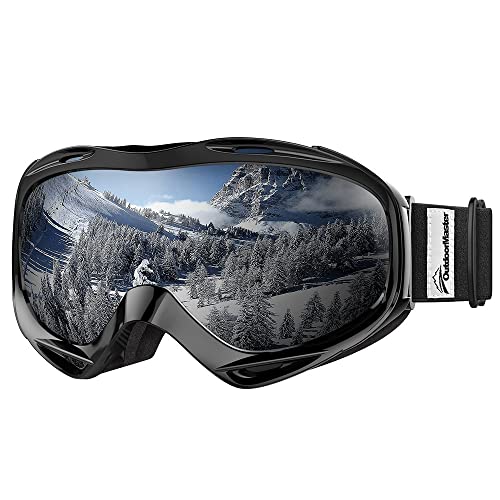
OutdoorMaster OTG Ski Goggles
Cloudy slopes can make every turn feel like a little guessing game. Snowbanks blur together, shallow ruts vanish, and that soft gray sky doesn’t give the eyes much to work with. The best ski goggles for low light conditions need to brighten the view without washing out terrain detail, and the OutdoorMaster OTG Ski Goggles aim right at that everyday problem with a VLT 60% light blue lens, OTG fit, and a simple helmet-friendly build.
OutdoorMaster OTG Goggles
OutdoorMaster OTG Goggles feel built for practical mountain days rather than showroom flexing. The design stays clean, familiar, and easy to understand, which honestly helps if ski gear already feels like a maze of tints, coatings, and frame shapes. The over-the-glasses design gives prescription glasses more breathing room under the frame. That matters because cramped goggles can turn a fun run into a nose-pinching headache fast.
VLT 60% light blue lens makes sense for low-light and mixed-cloud conditions because it allows more visible light through than darker sun lenses. That higher light transmission helps on gray afternoons, shaded beginner runs, and snow days where terrain definition starts fading. It won’t create sharp contrast like a specialized yellow storm lens, but it gives the eyes more brightness to work with. For casual resort riding, that’s a practical tradeoff.
Dual-layer lens technology helps separate warm air inside the goggles from cold mountain air outside. That design supports better fog control during lift rides, slow learning sessions, and repeated stops near trail signs. The anti-fog coated inner lens adds another layer of defense against moisture buildup. Still, face coverings pulled too high can push breath upward and challenge any goggle, no matter how well it’s built.
Soft TPU frame construction keeps the fit more forgiving in cold weather. A frame that flexes slightly can sit better against different face shapes and helmets without feeling brittle. This also helps during longer sessions where stiff plastic can start pressing into the cheeks or brow. Comfort isn’t flashy, but it’s the thing people notice once the novelty wears off.
Low Light Lens Behavior
Low-light visibility depends heavily on lens tint and visible light transmission. The OutdoorMaster setup uses a light blue lens with VLT 60%, which leans toward brightness rather than dark glare blocking. That makes it better suited for overcast skies, early evening laps, and mellow snow days than blazing bluebird afternoons. On bright reflective snow, some riders may want a darker backup lens.
Terrain reading feels easier when the lens lets enough light reach the eyes. Flat light often hides bumps, soft piles, and uneven packed snow, so extra brightness can reduce that washed-out feeling. The lens won’t magically sharpen every shadow, but it can make the view feel less dull. That’s especially useful during slower technical turns where small snow changes matter.
Optical clarity is helped by the dual-layer lens design and anti-fog coating. A clear lens surface matters more than people think because even mild haze can make low light feel worse. The OutdoorMaster goggles focus on keeping the view usable rather than overly dramatic. That straightforward approach suits resort days where comfort and visibility matter more than fancy lens swapping.
UV400 protection adds an important safety layer, even on cloudy days. Snow reflects light aggressively, and eye strain can creep in before it becomes obvious. The provided lens protection helps reduce exposure from reflected UV rays during long outdoor sessions. Gray skies don’t mean the eyes get a free pass.
OTG Fit And Helmet Comfort
OTG design is the main reason these goggles stand out for anyone wearing prescription glasses under ski gear. The frame is shaped to fit over glasses without squeezing them tightly against the face. That extra space helps reduce temple pressure, which can become brutal after a few chairlift cycles. Smaller and medium glasses should fit more naturally than oversized fashion frames.
Adult and youth compatibility gives the goggles a flexible fit range. The frame doesn’t feel overly specialized, so it can work across different helmet setups and face sizes. That said, very small faces may still notice extra volume around the cheeks. Fit always depends on face shape, glasses size, and helmet style.
Extra long elastic strap helps with helmet pairing. Short straps can pull goggles too tightly against the face or create awkward gaps along the forehead. OutdoorMaster’s longer strap gives more adjustment room, which is useful with bulkier ski and snowboard helmets. A stable strap also means fewer mid-run fixes with cold gloves.
Soft frame pressure makes the goggles easier to wear for longer stretches. The TPU frame has enough give to avoid that stiff, locked-in feeling cheaper hard-frame goggles sometimes create. Pressure around the nose bridge stays more manageable, especially with glasses underneath. That comfort matters on slow family ski days, group lessons, or casual weekend riding.
Fog Control And Daily Use
Anti-fog performance is one of the most useful parts of this model. The dual-layer lens and coated inner surface are designed to limit moisture buildup, which helps during temperature swings. Skiers moving from cold lift lines into warmer lodge air may still see temporary fogging. That’s normal, but the structure gives the goggles a better chance once airflow returns.
Breath management still plays a role. A neck gaiter tucked too high can send warm air straight into the lower edge of the goggles. Even solid anti-fog designs struggle with that setup. Keeping fabric just below the frame helps the lens stay clearer during heavier breathing or slower uphill walks near resort areas.
Carrying pouch storage is a small but useful inclusion. Tossing goggles into a ski bag with buckles, gloves, and helmet clips can scratch the lens quickly. The pouch gives the lens a little protection during travel or storage between trips. It’s not a hard case, so rough packing still needs some care.
Warranty support is listed as part of the package, which adds some reassurance without needing to pretend it proves durability by itself. Product support can matter with ski gear because straps, coatings, and fit issues sometimes show up after real use. The goggles still need normal care, especially around the lens surface. Wiping the inside lens aggressively can damage anti-fog coating over time.
Strengths And Weak Spots
Big strengths include the OTG-friendly frame, VLT 60% light blue lens, and easy helmet compatibility. The goggles feel approachable for everyday skiing rather than overly technical. They make sense for cloudy resort days, beginner-friendly slopes, and relaxed snowboard sessions. The brightness-focused lens choice gives them a useful role in low-light weather.
Comfort benefits show up most clearly during longer wear. The soft TPU frame and adjustable strap help reduce pressure, especially with glasses underneath. Riders who hate the squeezed feeling of narrow goggles will likely appreciate the roomier setup. Still, oversized glasses may not sit as neatly inside the frame.
Weaknesses come from the same simple design that makes the goggles easy to use. There’s no magnetic quick-swap system mentioned, so changing lens setups isn’t the main appeal here. The light blue lens may also feel too bright on harsh sunny days with strong snow reflection. For mixed mountain trips, a darker separate goggle or lens option may be worth having.
Real-world fit depends on helmet shape and glasses size more than product photos suggest. A roomy OTG frame can feel slightly bulky on smaller faces, while wider faces may enjoy the extra coverage. From a practical gear angle, frameless designs often change how riders think about peripheral view, and a related reference sits naturally in best frameless snowboard goggles for broader snow-goggle comparisons. The OutdoorMaster model stays more focused on simple OTG comfort than sleek frameless styling.
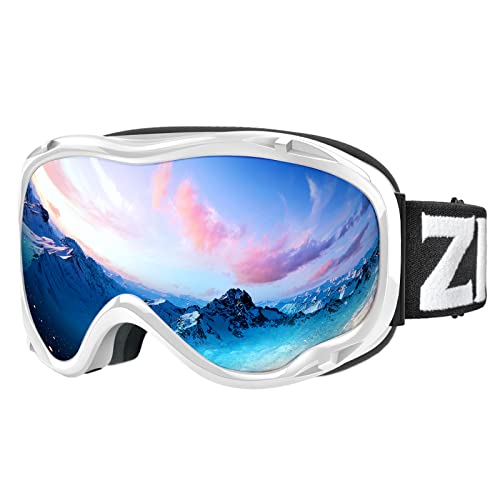
OutdoorMaster OTG Grey Lens Goggles
Bright snow can be sneaky, even under a pale winter sky. The eyes start squinting before the legs get tired, glare bounces off groomers, and a darker lens suddenly feels less like a luxury and more like relief. For the best ski goggles for low light conditions, though, this specific OutdoorMaster OTG Grey Lens Goggles setup needs a careful look because its VLT 10% grey lens with REVO silver leans darker than a typical storm-day lens.
OutdoorMaster OTG Grey Lens Goggles
OutdoorMaster OTG Grey Lens Goggles bring a familiar, practical shape to the mountain without acting like boutique gear. The frame is made for riders who need room for prescription glasses, a stable helmet strap, and basic fog control in one package. Nothing about the design feels overly complicated, and honestly, that can be a good thing. Ski gear gets fussy enough once gloves, helmets, gaiters, and freezing straps join the party.
OTG design is the big everyday advantage here. Glasses wearers know the little annoyances too well: pinched temples, lenses pressed against eyelashes, and frames shifting after every chairlift unload. This goggle shape gives prescription eyewear more space inside the frame, which helps reduce that boxed-in feeling. Adults and youth can both use the design, although very large glasses may still feel tight.
VLT 10% grey lens deserves a clear, no-nonsense explanation. A lower VLT means less visible light passes through the lens, so this grey REVO silver setup is better suited to bright snow, strong glare, and sunny conditions than dim storm light. It can still feel useful during partly cloudy weather with reflective snow, but it isn’t the first lens I’d reach for during foggy late-afternoon runs. That distinction matters for anyone chasing true low-light clarity.
Soft TPU frame construction keeps the goggles from feeling stiff and brittle in cold air. The frame has enough flexibility to sit against different face shapes without digging in aggressively. That helps during long resort days where minor pressure points turn into real distractions. Comfort, boring as it sounds, usually decides whether goggles stay on the face or end up shoved into a jacket pocket.
Lens Behavior In Low And Bright Conditions
Low-light performance is where this model needs a fair but firm reading. The keyword points toward best ski goggles for low light conditions, yet the included VLT 10% grey lens is darker than many riders would want for flat light. A darker lens can cut glare nicely, but it may also hide bumps and shallow grooves when clouds thicken. That makes this version more of a mixed-brightness or sunny-snow pick than a dedicated storm goggle.
REVO silver lens coating helps reduce harsh reflection off snow. On open groomers, especially with fresh snow and a brighter sky, that glare control can feel calming. The view looks more controlled and less harsh, which helps reduce eye strain during longer sessions. Still, reduced glare is not the same thing as boosted terrain contrast in dim weather.
Grey lens tint tends to keep colors more neutral than yellow, rose, or amber lenses. That can be pleasant for natural-looking visibility, but neutral tinting doesn’t always pull detail out of flat snow as strongly. Skiers who spend most days under heavy cloud cover may prefer a lighter lens with higher VLT. This grey option makes more sense where sunlight and reflection are bigger headaches than murky terrain.
Optical clarity benefits from the dual-layer lens structure and anti-fog coated inner surface. Clear vision isn’t only about tint; it also depends on keeping the inside surface dry and stable. A darker lens with fog on it becomes nearly useless in shaded sections. OutdoorMaster’s lens design aims to prevent that frustrating milky haze from taking over mid-run.
Fog Control And Glasses Fit
Anti-fog lens design uses a dual-layer setup with coating on the inner lens. That structure helps reduce the temperature clash between warm face air and cold mountain air. During normal downhill riding, this can keep the view cleaner than single-layer goggles. Slow lift lines and heavy breathing still create challenges, especially with glasses underneath.
Over-glasses comfort is one of the more convincing strengths. Prescription lenses already add another surface where fog can form, so spacing matters. A cramped goggle traps heat and moisture too quickly, while a roomier OTG shape gives air a better chance to move. The OutdoorMaster frame handles that practical problem better than narrow fashion-style goggles.
Face covering habits still make a huge difference. Pulling a neck warmer too high can send warm breath straight into the bottom of the goggles. Even with anti-fog coating, that’s asking for trouble. Leaving a small gap below the frame often helps more than people expect.
Carrying pouch protection adds a useful bit of day-to-day care. The pouch won’t protect like a hard shell case, but it helps reduce scratches from gloves, buckles, and helmet clips inside a ski bag. Lens coatings need gentle handling. Wiping the inner lens too aggressively can shorten anti-fog performance over time.
Helmet Compatibility And Trail Comfort
Universal helmet compatibility comes from the extra-long elastic strap and straightforward frame shape. A strap with more adjustment room helps the goggles sit over different helmet sizes without pulling too tightly. That matters because too much tension can press the frame into the nose and cheekbones. Too little tension, meanwhile, lets the goggles drift during bumpy runs.
Anti-slip stability isn’t listed as a fancy magnetic system or complex lock, but the long elastic strap still gives the fit some flexibility. The goggles stay easier to position across adult and teen helmet setups. That broad fit range is helpful for shared family gear, though it also means the frame may not feel custom-tailored to every face. Ski goggles rarely fit everyone the same way.
Soft TPU material gives the frame a more forgiving feel in freezing weather. Hard frames can press sharply along the brow once temperatures drop, especially during longer chairlift rides. This softer build helps reduce that rigid pressure. It also makes the goggles easier to settle against helmet padding without strange gaps.
All-day comfort depends on the balance between frame depth, strap tension, and glasses shape. Slim prescription frames will sit much better than thick, oversized eyewear. A wider glasses frame may rub or lift the goggles slightly away from the face. That’s not a dealbreaker, but it’s worth being realistic before expecting a perfect seal.
Pros And Cons
Pros start with the OTG-friendly frame, which solves a real mountain-day annoyance for anyone wearing prescription glasses. The goggles also offer 100% UV400 protection, a soft TPU frame, and a dual-layer anti-fog lens design. The dark grey REVO silver lens helps control strong glare on reflective snow. That combination works nicely for bright resort days and partly cloudy conditions.
More strengths show up in the easy helmet fit and simple gear handling. The extra-long elastic strap gives enough room for different helmet sizes without feeling overly specialized. The included carrying pouch helps protect the lens between trips. For casual ski and snowboard days, the setup feels practical and unfussy.
Cons mostly come from lens darkness. The VLT 10% grey lens is not the strongest match for heavy fog, storm skiing, or truly dim flat light. It can reduce too much brightness when terrain already lacks definition. Riders focused only on low-light contrast may want a lighter lens option instead.
Another tradeoff is the basic single-lens package described here. There’s no quick-change multi-lens system mentioned, so weather flexibility depends on owning another goggle or lens setup. In colder boot-and-goggle packing routines, comfort gear often overlaps, and one neutral reference is best thick socks for boots where winter warmth and fit tradeoffs follow a similar practical logic. The OutdoorMaster grey lens version fits best where glare control matters more than storm-day brightness.
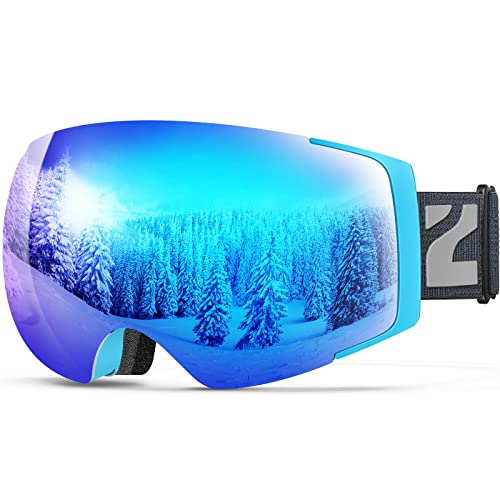
ZIONOR X4 Magnetic Ski Goggles
A bluebird lens can look slick in the lodge, then feel a little moody once clouds roll over the ridge. Snow turns flat, shadows smear together, and suddenly the trail asks for more attention than expected. The best ski goggles for low light conditions need to balance contrast, fog control, and eye protection without making the view feel cramped. The ZIONOR X4 Magnetic Ski Goggles bring a panoramic spherical lens, quick magnetic swaps, and a darker VLT 13.67% Revo blue lens that deserves a careful, honest read.
ZIONOR X4 Magnetic Goggles
ZIONOR X4 Magnetic Goggles have a sportier feel than many basic snow goggles, and the design clearly leans toward wide vision and fast lens changes. The 180+ degree panoramic view gives the eyes more room to scan side traffic, trail edges, and uneven snow. That matters on busier resort days because tunnel vision can make every merge feel slightly sketchy. With a wider visual window, quick checks feel more natural.
Magnetic lens technology is the feature that gives this model its most practical edge. The lens uses 8 magnets to hold it in place while still allowing replacement for different terrain and light conditions. That setup makes sense for riders who don’t want to fight tiny tabs with frozen fingers. Weather changes fast on the mountain, and a lens system that can adapt has real value.
Anti-fog treatment and optimized vent channels work together to keep the view cleaner during active riding. Fog usually shows up at the worst time, after a hard run, during a slow lift line, or while breathing through a neck gaiter. The venting helps move moist air away from the lens area before it builds into haze. Still, any goggle can fog if warm breath gets trapped under fabric and pushed straight upward.
UV400 protection adds a needed layer for snow sports because glare doesn’t disappear just because the air feels cold. Snow reflects light from every angle, and eye strain can sneak up after repeated runs. The ZIONOR X4 lens coating is designed to block harmful UV exposure while keeping the view usable outdoors. That combination matters on long mountain days where comfort and protection have to work together.
Lens Color And Low Light Reality
VLT 13.67% blue Revo lens is darker than what many riders usually prefer for deep fog, heavy snowfall, or dim late-day laps. A lower visible light transmission means less light reaches the eye, which can help on bright reflective snow but may feel too shaded in true low-light conditions. That’s the tradeoff here. This lens looks sharp and handles glare well, but it isn’t the most forgiving option for storm-only skiing.
Low-light performance depends heavily on matching the lens to the sky. The magnetic system helps because ZIONOR notes the lens can be replaced for different light conditions, so the frame itself has flexibility. With the included darker blue Revo lens, the goggles lean more toward bright-to-mixed conditions than soft gray afternoons. For flat light, a lighter replacement lens would likely make more sense than forcing this one into every weather situation.
Visual interference feels reduced thanks to the spherical shape. A rounded lens can give a more natural view than flatter designs, especially along the edges where cheaper goggles sometimes distort the snow line. That smoother field of vision helps during carving, quick direction changes, and scanning terrain ahead. Less visual weirdness means fewer distractions when the trail gets chopped up.
Glare control is where the blue Revo lens has a clearer advantage. Bright snow, exposed bowls, and sunny groomers can feel harsh through lighter lenses. This darker tint helps calm that brightness and keeps the view from feeling washed out. The catch is simple: glare control and low-light brightness don’t always live in the same lane.
Fog Control And Airflow Feel
Smooth venting gives the ZIONOR X4 a more breathable feel during movement. The optimized vent channels are designed to improve airflow and reduce fogging, which is especially useful during stop-and-go resort skiing. Moisture management matters because even a premium-looking lens becomes frustrating once haze starts spreading from the edges. Clear goggles beat fancy goggles every single time.
Anti-fogging treatment adds another layer of help on colder days. The lens coating is meant to resist condensation, which can be a lifesaver after a sweaty run or slow climb around the base area. That said, anti-fog coatings need gentle handling. Scrubbing the inner lens with rough fabric can shorten performance over time.
Face covering habits still matter more than most people want to admit. A balaclava tucked too high can funnel warm breath into the lower vents and overwhelm the system. Leaving the lower edge open enough for air to escape often makes a noticeable difference. Little setup choices can make or break fog control.
Cold-weather consistency feels like one of the better reasons to consider this frame. Venting, spherical coverage, and anti-fog treatment all point toward longer wear without constant lens wiping. The goggles are not magic, no snow goggle is, but the design shows attention to the real annoyance of fogged lenses halfway through a run.
Durability, Safety, And Fit
Enhanced Durability Tech gives the lens a tougher personality than a purely style-focused goggle. ZIONOR describes the ruggedized lens as impact resistant, which matters in a sport full of tree branches, ice chunks, crowded lift lines, and accidental drops. Nobody buys goggles hoping to test impact resistance, of course. Still, stronger lens construction adds peace of mind.
Solid frame feel pairs well with the magnetic lens setup. Some magnetic goggles raise concerns about lenses popping loose, but this model uses 8 magnets to hold the lens tight. That matters during fast descents, bumpy snow, and quick head movement. A magnetic system should feel convenient, not fragile.
Unisex snow goggle design makes the fit broad rather than overly niche. The product is designed for men and women, so the frame aims for a general adult fit. Very small faces may still find the frame visually large, while wider faces may appreciate the extra coverage. Goggle fit always comes down to face shape, helmet style, and strap tension.
Safety-focused design shows up through the UV coating, impact-resistant lens, and broader field of view. Those features don’t replace careful riding, obviously, but they help reduce distractions. Better visibility, less fog, and a stable lens all support calmer decision-making on the slope. That’s especially useful when the snow surface turns unpredictable.
Pros And Cons
Pros start with the magnetic lens system, which makes this model more adaptable than fixed-lens goggles. The 180+ degree panoramic view gives a wide, open feel that helps reduce visual restriction. Optimized venting and anti-fog treatment also make the goggles more practical for longer sessions. The ruggedized lens adds another useful layer for regular resort riding.
More strengths come from the sporty spherical design and UV400 protection. The lens shape helps reduce edge distortion, while the coating protects against reflected snow glare. The blue Revo look also has a clean, confident style without feeling too loud. For brighter snow days, the darker tint can feel comfortable and controlled.
Cons center mostly on the included VLT 13.67% lens. That tint may be too dark for serious flat light, fog-heavy mornings, or storm skiing where every bit of brightness matters. The frame may fit large on smaller faces too, especially with a helmet that already sits low. Riders focused only on dim conditions should think carefully about lens choice.
Best-fit situations include mixed weather, bright groomers, and riders who value magnetic lens flexibility. The frame has the right bones for changing light, but the included lens is not the softest option for low-light contrast. In outdoor setups where surface protection matters, a neutral side reference appears in how to protect grass from fire pit, which follows a similar practical idea of matching gear to the surface and conditions. The ZIONOR X4 feels strongest when used as an adaptable snow goggle rather than a single-purpose storm lens.


Best Green Ski Goggles 2026 For Clear Vision On Slopes
Best Ski Goggles Under 30 Inches For Crisp Vision And Comfort

Best Backcountry Ski Goggles 2026 For Crystal Clear Vision

Best Frameless Ski Goggles Men for Clear Vision and All-Day Comfort
best yellow ski goggles Snow Clarity

Best EXP Vision Ski Goggles 2026 Ultimate Clarity Picks

Discover the Best Mens Ski Goggles of 2026
Best Slim Ski Goggles for Clear Vision, Lightweight Comfort, and a Low-Profile Fit





