
Best ski goggles for night skiing 2026 picks

Best ski goggles for night skiing aren’t about flashy mirrored lenses or the darkest tint on the rack. Night laps need a lens that lets more light through while still giving snow texture enough contrast to read bumps, icy patches, and rutted turns. Clear, yellow, rose, or light amber lenses usually make more sense than smoke lenses because darkness already steals detail fast. Miss that detail, and even a mellow blue run can feel like skating on glass.
Low-light visibility matters most after the sun drops behind the ridge and the resort lights start throwing odd shadows across the snow. A lens with high VLT, usually in the clear-to-yellow range, helps the eyes pick up subtle changes instead of turning the slope into one flat sheet. Anti-fog coating also earns its keep here, because stopping every few minutes to wipe the inside of the lens gets old in a hurry. Well, it’s not just annoying, it can ruin the rhythm of a short night session.
Lens shape deserves a closer look too. Cylindrical lenses often cost less and can still work fine, but spherical or toric designs may reduce distortion around the edges. That wider, cleaner view helps on crowded evening runs where skiers, snowboarders, lift towers, and rope lines appear quickly. Still, bigger goggles aren’t always better if they leave gaps around the nose or press awkwardly against a helmet.
Helmet compatibility can make or break comfort. A goggle that seals neatly against the face without pinching helps keep cold air from sneaking in during chairlift rides. Triple-layer foam feels nicer during longer sessions, but fit matters more than fancy wording on a box. Loose goggles fog faster, while tight ones can leave pressure marks before the first hot chocolate break.
Interchangeable lenses sound tempting, especially for mixed day-and-night skiing. Still, a simple dedicated low-light lens can be the smarter buy if night skiing is the main plan. Magnetic lens systems are convenient, but they usually cost more, and that extra money may not matter if the clear lens stays in all season. Practical beats fancy here, especially for quick after-work laps or family nights under resort lights.
Anti-fog performance deserves real attention because cold air, warm breath, and stop-start riding create the perfect fog recipe. Double lenses, good venting, and clean foam channels help moisture escape before it clouds the view. A balaclava tucked too high can still push breath into the frame, so even a strong goggle has limits. Small habits, like drying goggles fully overnight, help more than most people expect.
Best ski goggles for night skiing should feel calm, clear, and predictable rather than dramatic. The right pair won’t magically turn icy groomers into soft powder, but it can make shadows less confusing and turns feel less like guesswork. Look for high VLT lenses, dependable fog control, a secure helmet fit, and enough peripheral vision to track movement around you. Skip the dark lens bragging rights, because night skiing rewards clarity, not swagger.

- BWP Score8.6
BWP Score is a ranking system developed by Bestwinterproducts.com. BWP score has no relationship or impact from any manufacturers or sales agent websites. Learn more
- BrandMAMBAOUT
- Prime

- BWP Score9.4
BWP Score is a ranking system developed by Bestwinterproducts.com. BWP score has no relationship or impact from any manufacturers or sales agent websites. Learn more
- BrandAKASO

- BWP Score9.0
BWP Score is a ranking system developed by Bestwinterproducts.com. BWP score has no relationship or impact from any manufacturers or sales agent websites. Learn more
- BrandOdoland

- BWP Score8.8
BWP Score is a ranking system developed by Bestwinterproducts.com. BWP score has no relationship or impact from any manufacturers or sales agent websites. Learn more
- BrandOdoland

- BWP Score9.0
BWP Score is a ranking system developed by Bestwinterproducts.com. BWP score has no relationship or impact from any manufacturers or sales agent websites. Learn more
- BrandCOPOZZ
- BWP Score9.4
BWP Score is a ranking system developed by Bestwinterproducts.com. BWP score has no relationship or impact from any manufacturers or sales agent websites. Learn more
- BrandJULI Eyewear
- Prime
- BWP Score9.4
BWP Score is a ranking system developed by Bestwinterproducts.com. BWP score has no relationship or impact from any manufacturers or sales agent websites. Learn more
- BrandEXP VISION
- Prime

- BWP Score9.0
BWP Score is a ranking system developed by Bestwinterproducts.com. BWP score has no relationship or impact from any manufacturers or sales agent websites. Learn more
- BrandCOPOZZ
- BWP Score9.2
BWP Score is a ranking system developed by Bestwinterproducts.com. BWP score has no relationship or impact from any manufacturers or sales agent websites. Learn more
- BrandZIONOR

- BWP Score8.4
BWP Score is a ranking system developed by Bestwinterproducts.com. BWP score has no relationship or impact from any manufacturers or sales agent websites. Learn more
- BrandSmith
Last update on 2023-05-05 / Affiliate links / Images, Product Titles, and Product Highlights from Amazon Product Advertising API
Best Ski Goggles For Night Skiing
Flat light can turn a smooth evening run into a guessing game fast. Shadows blur together, icy patches hide under artificial lights, and cheap lenses tend to fog right when the lift line slows down. That’s why the best ski goggles for night skiing usually lean toward practical visibility instead of flashy mirrored styling. The 2-Pack Snow Ski Goggles set lands in that practical lane with a surprisingly flexible setup for mixed weather, casual night riding, and families trying to avoid buying four different pairs of goggles in one season.
2-Pack Snow Ski Goggles
Versatility carries this package more than anything else. A lot of budget ski goggles lock you into one lens tint that struggles after sunset, but this set mixes lens options for different conditions. The yellow and orange lenses help brighten low-light terrain during night skiing, while the transparent option keeps visibility cleaner on cloudy afternoons. That flexibility matters more than people think because resort lighting changes from trail to trail, especially on older slopes with uneven floodlights.
Frame comfort feels surprisingly decent for a two-pack product. The sponge padding around the eyes softens pressure points that usually show up after an hour or two in colder temperatures. Some low-cost goggles develop that annoying forehead pinch or nose squeeze halfway through a session, yet these stay relatively easygoing if the strap is adjusted correctly. The foam also helps block stray wind from sneaking into the corners during chairlift rides.
Helmet compatibility lands somewhere in the middle, which honestly feels fair for the price category. The elastic adjustable strap stretches enough for most recreational ski helmets without constantly sliding upward. Bigger adult helmets may need a little fiddling before the fit settles down, though. Kids and teens usually get the cleanest seal because the frame size naturally suits smaller faces a bit better.
One detail that quietly helps during night skiing sessions is the lighter lens transmission. Dark mirrored lenses often look stylish in product photos, but they can turn dim slopes into visual mush after sunset. These goggles avoid that trap by offering lens colors better suited for lower visibility conditions. Snow texture becomes easier to read, especially around mogul edges and scraped-off icy sections near busy lift exits.
Visibility In Low-Light Conditions
Night skiing visibility usually depends less on sharpness and more on contrast balance. Bright resort lights create glare patches while darker corners flatten terrain details, so a lens that allows extra light through can make turns feel more predictable. The yellow and orange lens options in this set help reduce that washed-out effect many riders complain about after dark. They don’t magically create daylight clarity, but they do make shadows feel less aggressive.
Snow texture stays easier to recognize with these lighter tints than with heavily mirrored lenses. Packed powder, shallow ruts, and slick scraped areas remain more visible under artificial lighting. That subtle difference can help reduce hesitation on steeper evening runs where visibility shifts every few seconds. A lot of riders underestimate how tiring poor visibility becomes after multiple runs.
Peripheral vision also deserves some credit here. The frame doesn’t feel excessively bulky, so side visibility stays reasonably open while weaving through crowded nighttime traffic. That matters more during evening sessions because recreational riders tend to spread unpredictably across narrower lit trails. Quick side glances feel natural instead of tunnel-like.
Still, lens quality has limits at this price level. Strong floodlights reflecting off icy snow can create a little glare bloom at certain angles. Premium anti-glare coatings found on expensive goggles handle that better. These work best for recreational resort skiing rather than aggressive downhill racing under harsh lighting conditions.
Airflow And Fog Resistance
Anti-fog performance often separates wearable ski goggles from the pairs that end up stuffed into jacket pockets halfway through the night. These goggles use top air vents to improve circulation, and honestly, the airflow setup performs better than expected during moderate movement. Slow chairlift rides followed by quick descents usually stay manageable without constant lens wiping.
Breath management still matters, though. Pulling a face covering too high beneath the goggles can trap warm air directly under the lens, especially in humid weather. That problem hits almost every budget goggle eventually. Keeping a small gap between the mask and lower frame helps the vents do their job more effectively.
Cold-weather comfort stays fairly balanced thanks to the thick foam layer. Wind protection feels solid during routine resort skiing without creating an overly sealed, sweaty interior. Some heavily insulated goggles trap too much warmth and fog rapidly during stop-and-go movement. This pair avoids that heavy boxed-in feeling pretty well.
Longer sessions in wet snowfall can eventually overwhelm the ventilation system. Moisture buildup becomes more noticeable after repeated indoor-outdoor transitions inside ski lodges too. Drying the goggles overnight makes a noticeable difference before the next trip, especially if they’ve been exposed to melting snow around the vents.
Practical Use Beyond Ski Slopes
Multi-purpose use gives this set extra value compared to single-use ski goggles. The lightweight frame and impact-resistant lens design work for snowboarding, mountain biking, ATV riding, and even cold-weather construction tasks where blowing dust or debris becomes irritating. That broader usefulness helps justify keeping an extra pair in a car trunk or winter gear bag.
Kids tend to appreciate the simpler fit too. Complicated magnetic lens systems and oversized frames sometimes become frustrating during quick family outings. These goggles skip the complicated stuff and focus on basic usability instead. Toss them into a backpack, tighten the strap, and they’re usually ready to go without much fuss.
Durability sits in the realistic middle ground. The ABS frame flexes enough to survive ordinary bumps and drops around ski lodges or gear piles. The PC lenses resist minor scratches reasonably well, although rough handling inside crowded bags will still leave marks over time. Using the included protective sleeve or soft storage pouch helps more than people expect.
One example worth noting is best yarn for Sophie scarf, which highlights how outdoor comfort often depends on layering and cold-weather accessories working together instead of relying on one expensive item alone. The same logic applies here because comfortable goggles paired with proper winter gear usually matter more than chasing flashy branding.
Pros And Cons That Actually Matter
Strong low-light visibility stands out as the biggest strength for night skiing. The yellow and transparent lenses handle artificial lighting far better than darker mirrored styles commonly bundled into cheap multi-packs. That practical lens choice helps reduce eye strain during evening runs where terrain definition constantly shifts.
Budget-friendly value also deserves recognition because two goggles in one package naturally help families or casual riders stretch winter gear budgets. Keeping a backup pair nearby feels surprisingly useful after a lens gets scratched or forgotten in another vehicle. The broad age compatibility makes sharing easier too.
Comfort remains solid for shorter and medium-length sessions, especially with the thick foam padding around the eye area. Wind protection feels dependable without becoming overly tight or claustrophobic. The strap adjustment system stays simple enough for younger riders to manage without constant adult help.
Lens clarity limitations appear under harsher lighting conditions or during heavy snowfall. Premium ski goggles with advanced coatings still produce cleaner contrast and sharper detail in extreme conditions. Serious skiers logging frequent night sessions every week may eventually want something more refined, particularly for steep terrain or high-speed carving.
Frame sizing may also feel slightly small for adults with larger helmets or broader facial structure. The fit isn’t terrible, but it leans toward compact rather than oversized. Casual recreational use suits these goggles much better than demanding alpine conditions where ultra-wide vision and elite-level ventilation become more critical.
Best Ski Goggles For Night Skiing
Dim slopes have a sneaky way of exposing weak gear fast. One minute the trail looks manageable, then suddenly every patch of packed snow starts blending together under harsh floodlights. That’s where the best ski goggles for night skiing stop being just another accessory and start acting like survival equipment for your eyes. AKASO’s OTG Ski Goggles lean heavily into visibility, lens flexibility, and all-day comfort instead of chasing flashy marketing fluff that rarely matters once temperatures drop below freezing.
AKASO OTG Ski Goggles
Magnetic interchangeable lenses sit right at the center of this setup, and honestly, the system feels more polished than expected at this price level. AKASO uses eight magnets combined with four physical anchors, so the lens stays surprisingly stable during aggressive carving or choppy terrain. Some magnetic systems wiggle slightly after repeated use, but this one locks down firmly while still making swaps quick enough in a parking lot or lodge. That balance matters during night skiing because light conditions can change dramatically once snowfall rolls in.
Peripheral vision feels wide and open thanks to the extra-large spherical lens shape. Riders who hate that boxed-in tunnel effect common on cheaper goggles will probably appreciate the difference immediately. Side visibility stays clean while scanning crowded evening runs, especially near lift merges where snowboarders tend to drift unpredictably. Distortion also stays fairly controlled around the edges, which helps reduce eye fatigue during longer sessions.
Helmet compatibility deserves real praise here because awkward helmet gaps can ruin an otherwise solid pair of goggles. AKASO shaped the frame to sit closer against most ski helmets without creating pressure points near the temples. Cold wind sneaking through forehead gaps becomes less of an issue, particularly during windy chairlift rides. The silicone-backed strap also grips helmets securely instead of slowly creeping upward every few turns.
OTG functionality gives these goggles extra breathing room for people wearing prescription glasses underneath. Plenty of goggles claim to support glasses, then squeeze frames hard enough to create pressure around the nose after twenty minutes. These handle medium-sized eyeglasses noticeably better than most budget OTG designs. Bigger rectangular frames can still feel tight, though, so sizing matters.
Night Skiing Lens Performance
Low-light visibility becomes the real story once the sun disappears behind the mountain. Bright daytime lenses often struggle after dark because they block too much available light, leaving terrain flat and difficult to read. AKASO’s lighter lens options help preserve contrast instead of muting it, which makes icy sections and uneven snow easier to recognize under artificial lighting. That little improvement can calm down hesitant turns on steeper evening runs.
Anti-fog protection also plays a huge role in nighttime performance. Fogged goggles during night skiing feel twice as frustrating because visibility is already limited before condensation even enters the picture. AKASO uses a double-layer lens combined with hydrophilic inner coating technology to reduce moisture buildup. Add the top and bottom venting windows into the mix, and airflow stays fairly consistent during normal resort riding.
Warm lodge breaks followed by immediate exposure to freezing temperatures can still challenge the fog resistance. Nearly every ski goggle struggles under those conditions eventually. The good news is these recover fairly quickly once airflow picks back up during movement. Keeping the inside lens untouched also helps preserve the anti-fog coating much longer.
Lens swapping becomes genuinely useful for mixed weather trips instead of feeling like a gimmick. Riders who ski from late afternoon into full darkness often appreciate changing from mirrored daytime lenses into brighter low-light options without carrying a second pair of goggles. The magnetic release feels smooth enough to manage while wearing gloves, which honestly saves a surprising amount of hassle in freezing parking lots.
Comfort During Long Sessions
Triple-layer foam makes a noticeable difference after multiple hours on the slope. Thin foam tends to stiffen in colder temperatures and leaves painful marks around the cheeks or forehead. AKASO’s padding stays softer and adapts reasonably well to different face shapes without feeling overly bulky. That softer contact area helps reduce irritation during repetitive chairlift cycles.
Frame flexibility also improves comfort under pressure. The TPU frame bends enough to absorb minor impacts and adapt naturally to helmet positioning without feeling fragile. Some rigid frames become annoying during quick adjustments because they pinch unevenly against the face. This one maintains a balanced seal without creating too much tension near the nose bridge.
Long nighttime sessions expose weak ventilation quickly, especially for riders wearing neck gaiters or balaclavas. These goggles handle airflow better than many entry-level alternatives because the vent placement encourages steady circulation instead of trapping warm breath directly behind the lens. Moisture still builds gradually during wet snowfall, but not at the frustrating pace seen on poorly vented frames.
Weight distribution stays fairly balanced too. Oversized spherical goggles sometimes feel front-heavy after extended use, yet these remain manageable without constant repositioning. The medium-to-large fit works best for adults and older teens, though smaller faces may notice a little extra space around the cheeks.
Pros That Actually Matter Outdoors
Wide field of view changes the riding experience more than many people expect. Quick side glances feel natural instead of restricted, which helps during crowded evening runs where visibility already feels compromised. Snow texture also stays easier to interpret with the distortion-controlled spherical lens shape.
Reliable magnetic retention separates these goggles from bargain-bin magnetic systems that pop loose during rough movement. AKASO reinforcing the magnets with physical anchors adds a layer of trust that matters while moving at speed. Riders don’t constantly wonder whether the lens will shift after every sharp turn or small impact.
Fog resistance holds up surprisingly well during moderate resort conditions. The airflow system combined with the inner lens coating delays moisture buildup long enough for most casual sessions. That consistency matters during night skiing because even minor fogging becomes distracting under artificial lighting.
From a practical angle, best women gore tex walking shoes highlights a similar outdoor principle where comfort, weather protection, and long-session wearability matter more than flashy styling. The same tradeoff applies here because reliable vision and stable fit usually outperform cosmetic extras once temperatures plunge.
Tradeoffs And Small Frustrations
Extra lenses sold separately feels slightly annoying considering the interchangeable system is one of the main selling points. Riders planning to cover bright daytime conditions and night skiing will probably end up purchasing additional lenses eventually. That raises the overall cost higher than it first appears.
Large frame sizing may overwhelm smaller faces. Riders with narrower cheekbones or petite helmet setups could notice tiny airflow gaps near the lower corners during windy conditions. The fit isn’t terrible, but it clearly favors medium-to-large facial profiles more comfortably.
Lens scratches remain a realistic concern with spherical goggles in general. Tossing these loosely into gear bags alongside gloves, tools, or helmet buckles will eventually leave marks. The included microfiber pouch helps reduce damage, although careful storage still matters if long-term clarity is the goal.
Night skiing also exposes one small weakness with mirrored lenses under extremely dim resort lighting. The darker lens options look sharp during daytime riding, but lower-VLT versions naturally reduce visibility once conditions get truly dark. Riders spending most of their time under evening lights will likely prefer brighter lens options over cosmetic mirrored finishes.
Odoland Magnetic Ski Goggles
Night laps can feel calm until the trail lights start flattening every bump into the same pale blur. A dark blue lens may look sharp in daylight, yet it can feel too dim once shadows stretch across groomers. The Odoland Magnetic Ski Goggles fit into the best ski goggles for night skiing conversation because the set includes a high-light yellow lens with VLT 83%, plus a darker blue lens for bright daytime runs. That two-lens setup gives the goggles a more practical edge than single-lens snow goggles that only behave well in one type of weather.
Odoland Magnetic Ski Goggles
Lens flexibility is the first thing that makes this pair worth talking about. The included blue lens has a VLT 15%, which suits sunny snow days better than dim evening sessions. The bonus yellow lens has VLT 83%, so it allows much more light through and makes more sense for cloudy slopes, dusk riding, and night skiing. That difference is not just a spec sheet detail, because lens tint can change how quickly the eyes pick up scraped snow, ridges, and icy corners.
The magnetic lens system feels like the real convenience feature here. Swapping lenses is faster than wrestling with tiny tabs in freezing air, especially after gloves have already made your fingers clumsy. The interchangeable lens design helps this pair shift from afternoon brightness to evening visibility without carrying a second full goggle. Still, magnets need careful handling, so tossing the lens loose into a gear bag is asking for scratches or a bad day.
Frameless styling gives these goggles a cleaner look and a wider visual field than many boxy budget frames. The large spherical lens opens up side vision, which matters on crowded resort nights where people drift across trails without much warning. Odoland mentions more than 180-degree peripheral vision, and the practical benefit is simple: fewer blind spots around lift exits, trail merges, and slow zones. Wide vision won’t replace good awareness, but it does make the slope feel less boxed in.
Comfort also gets a fair shake from the overall shape. The frame sits wide enough for many adult faces without feeling like a tiny youth goggle stretched too far. The helmet-compatible strap has enough length to sit over common ski helmets, and that matters because forehead gaps invite cold air straight into the ride. A secure strap also keeps the goggles from creeping up during quick turns or small jumps.
Low-Light Lens Behavior
Night skiing performance depends heavily on using the yellow lens, not the blue one. The blue lens blocks more light, which can feel comfortable under harsh sun but too dark once the resort lights become the main source of visibility. The yellow lens, with its VLT 83%, gives the eyes more brightness to work with and helps prevent terrain from looking like one flat white sheet. That makes the set more useful for mixed schedules where skiing starts before sunset and continues into the night.
Snow texture can be tricky after dark because artificial lighting creates hard reflections and strange shadows. The yellow lens helps soften that problem by keeping details more readable without making everything overly tinted. Contrast feels more natural on groomers where small ridges and packed tracks can disappear quickly. I wouldn’t call it a miracle fix for icy black runs, but it can make ordinary evening trails feel less like guesswork.
The large spherical lens adds another helpful layer to low-light riding. A wider shape lets the eyes scan farther across the trail without turning the head constantly. That matters around slower riders, kids, and snowboarders sitting near the edge of lit runs. Peripheral clarity reduces that tunnel-vision feeling that cheaper narrow goggles often create.
There is a tradeoff, though. Yellow lenses are not always comfortable under strong daylight glare, especially on bright bluebird days with reflective snow. That is where the blue lens earns its place in the package. The two-lens setup works best when each lens is used for the right condition, not treated like one lens can handle every mountain mood.
Fog Control And Slope Comfort
Anti-fog design is a big deal here because night skiing already starts with reduced visibility. Any condensation inside the lens makes the whole ride feel messy and unsafe. Odoland builds these goggles with anti-fog intent, and the wide lens shape gives air a little more room to circulate than tight, compact frames. That helps during regular downhill movement, especially when body heat rises after repeated runs.
Fog can still show up if a face mask pushes warm breath directly into the lower edge of the goggles. That is not a rare problem, and honestly, even expensive goggles can struggle with it. The smarter setup is keeping the mask below the goggle foam so airflow can do its job. Ventilation works better when the rider does not accidentally trap moisture inside the frame.
OTG compatibility gives this pair more usefulness for glasses wearers. The frame design leaves enough space for many prescription glasses underneath, which saves the hassle of skiing half-blind or forcing contacts into cold, dry eyes. Larger glasses may still feel cramped, especially with thick arms near the temples. Medium-size frames usually make the cleanest fit.
The foam and strap comfort feel suited for longer casual sessions rather than one quick novelty run. The extra-long adjustable strap helps the goggles settle over a helmet without pulling too hard against the face. Pressure around the cheeks stays reasonable if the strap is not overtightened. Fit balance matters because a loose seal lets cold air in, while an over-tight seal can create soreness before the last chair.
Pros Worth Keeping In Mind
Two included lenses are the clearest advantage. Many goggles at this level ship with only one lens, which limits their usefulness as conditions shift. Odoland includes a darker blue lens for sunny conditions and a yellow lens for low-light riding. That makes the package feel more adaptable for weekend trips where the weather refuses to behave.
The magnetic lens system saves time and frustration. Lens swaps feel more natural than older clip-in systems, especially outside in the cold. Riders who move from sunny afternoon runs into lit evening trails will appreciate not fighting the frame. The magnetic design also encourages actually using the right lens instead of sticking with the wrong one out of laziness.
Wide spherical visibility gives the goggles a more open feel on the mountain. Narrow goggles can make busy runs feel tense because side movement appears late. These give better awareness around passing riders and trail edges. That wider field is especially helpful at night, where shadows and contrast changes already demand more focus.
One example worth noting is how to tie a pashmina scarf, since cold-weather comfort often comes down to small fit details around the face and neck. The same idea applies to ski goggles because gaps, pressure points, and blocked airflow can make good gear feel annoying fast. Comfort details are rarely glamorous, but they matter once the wind picks up.
Cons And Realistic Limits
The blue lens is not the night lens, and that distinction matters. Its VLT 15% blocks too much light for many true night skiing situations. It belongs on sunny days, not dim trails under resort lamps. Anyone buying these mainly for night laps should plan on using the yellow lens most of the time.
The frameless design looks sleek, but it can be less forgiving during rough storage. Exposed lens edges are easier to nick if the goggles get shoved into a packed boot bag. The microfiber pouch helps, but it is not the same as a hard case. Scratch protection depends heavily on habits, not just product design.
Magnetic lenses are convenient, yet they require a little care. Snow, grit, or ice around the connection points can interfere with a clean lens seat. A quick wipe before snapping the lens back on keeps the fit more reliable. Skipping that small step can leave the lens sitting unevenly, especially in wet snow.
Face fit may also vary more than the product photos suggest. The large spherical shape suits medium and wider faces better than very narrow faces. Smaller riders may notice small gaps near the nose or lower cheek area, depending on helmet shape. Best ski goggles for night skiing still need a proper seal, because even the right lens loses value if wind keeps sneaking in.
Odoland Detachable Lens Ski Goggles
Evening snow has a funny way of making decent gear feel suspicious. A trail that looked simple at 3 p.m. can turn patchy, shiny, and oddly flat once the lights take over. The Odoland Detachable Lens Ski Goggles step into the best ski goggles for night skiing space with a practical two-lens setup, including a yellow VLT 83% lens made for darker conditions. The purple VLT 25% lens handles brighter snow better, so the real value comes from switching lenses instead of forcing one tint to do every job.
Odoland Detachable Lens Ski Goggles
Lens swapping is the main reason this set feels more useful than a basic single-lens goggle. Odoland uses a magnetic detachable system with 10 magnets, which makes changing lenses less of a finger-numbing chore in the parking lot. The yellow lens gives the goggles a stronger night-skiing angle, while the purple lens makes more sense for sunny or mixed daylight. That kind of split personality is handy because winter light rarely behaves for a full day.
The package also feels better thought out than many budget-friendly snow goggles. It includes the goggles, a bonus detachable yellow lens, a case, and a pouch, so storage is not treated like an afterthought. That matters because interchangeable lenses scratch easily when they bounce around with gloves, snacks, and helmet buckles. A case will not save careless handling, but it gives the spare lens a fighting chance.
Panoramic vision gives these goggles a roomy feel on the slope. The spherical lens shape helps open the view to the sides, which is useful when trails get crowded after work or during family night sessions. Odoland claims over 180-degree peripheral vision, and the practical benefit is better awareness around passing riders and trail merges. Less tunnel vision means less head swiveling, and honestly, that makes night runs feel calmer.
The white frame and purple lens look clean without becoming the whole personality of the product. Some goggles lean too hard into style and forget visibility, but this set keeps the useful lens pairing front and center. The TPU frame feels like the right choice for cold-weather flex because rigid plastic can turn unpleasant once temperatures drop. Soft structure, wide vision, and lens choice give this model its real appeal.
Night Lens Performance
Low-light clarity depends on using the yellow lens. The purple VLT 25% lens is not useless, but it is not the lens most people will want under resort lights. The yellow VLT 83% lens lets much more light pass through, which helps the eyes read snow texture after dark. That matters on groomed trails where icy patches and shallow dips can disappear under flat lighting.
Night skiing rewards brightness and contrast more than dramatic tint. A lens that looks cool in daylight can feel like a mistake once the trail lights start bouncing off hardpack. The yellow lens keeps the scene brighter and helps pick up small terrain changes without making the view feel overly dark. Best ski goggles for night skiing should reduce guessing, not add another layer of visual confusion.
Spherical vision also helps because distortion near the edges can make turns feel slightly off. Odoland describes the lens as offering optical clarity and reduced distortion, and that fits the needs of night skiing well. Wide, clean vision helps spot ditches, obstructions, and riders drifting into your line. It is not the same as daylight, but the lens shape does support steadier scanning.
There is one realistic catch. The purple lens can feel too dim for true night conditions, especially on older resort lighting or cloudy evenings. It belongs more in bright snow, daytime runs, and situations where glare becomes tiring. For night laps, the yellow lens should stay close by, because that is the lens doing the heavy lifting.
Fog Control And Venting
Anti-fog protection is not a luxury on cold nights. Warm breath, face coverings, lift-line stops, and sudden temperature changes can fog goggles fast. Odoland uses a dual-layer lens with an anti-fog inner coating, plus a two-way ventilation system to move air through the frame. That design gives the goggles a better shot at staying clear during regular resort riding.
Fog control still depends on how the goggles are worn. Pulling a neck gaiter too high can push warm air straight into the lower frame, and no anti-fog coating enjoys that. Leaving a small breathing gap below the goggles can make the ventilation work much better. Airflow is a partnership between the product design and the way the face covering sits.
The two-way ventilation system makes the goggles feel less stuffy during repeated runs. Some sealed-feeling goggles trap warmth around the eyes until condensation builds up in patches. These are designed to keep air moving from more than one direction, which helps during chairlift pauses and stop-start riding. Wet snowfall can still overwhelm the system eventually, but normal cold air feels manageable.
Lens care matters here too. Wiping the inside lens aggressively can damage the anti-fog coating over time, especially when snow or grit is present. A soft drying approach is safer after a damp session. The included pouch helps, but the case is the better place for the spare lens if clarity is the goal.
Fit, Foam, And Helmet Feel
Comfort gets a boost from the triple-layer high-density sponge. Thin foam can feel fine for ten minutes, then start biting into the cheekbones once the cold stiffens everything. Odoland’s padding should feel more forgiving across longer sessions, especially around the eyes and upper nose. That softer seal also helps reduce cold air leaks without needing to crank the strap too tight.
The helmet-compatible design is another practical win. The extra-long adjustable strap gives enough room to fit over ski helmets without fighting the frame. A poor helmet fit can create a forehead gap, and that little gap turns into an icy wind tunnel on the lift. These goggles aim for a closer, steadier fit with common helmet setups.
The TPU frame brings some flexibility to the overall feel. Flexible frames tend to sit better against different face shapes than stiff frames, especially during cold-weather movement. That does not mean every face will get a perfect seal, though. Smaller or narrower faces may still notice gaps around the cheeks depending on helmet shape and strap tension.
Long-session comfort depends on balance. A strap that is too loose lets the goggles shift, but too much tension creates pressure around the nose and temples. The adjustable strap gives room to dial things in, which matters if the goggles are shared between different people. Shared gear always comes with tradeoffs, yet this frame feels more forgiving than many narrow snow goggles.
Strengths, Limits, And Daily Use
Two included lenses are the standout strength. The set covers bright conditions with the purple lens and low-light conditions with the yellow lens, which makes it more flexible for changing mountain weather. A lot of goggles claim all-weather usefulness but only include one tint. This set at least gives the right basic tools for different light levels.
The magnetic system saves time, but it also asks for cleaner handling. Snow, grit, or ice around the magnet area can affect how neatly the lens seats into place. A quick wipe before attaching the lens keeps the connection more reliable. That small habit matters more than people expect, especially during wet snow days.
UV400 protection is useful for daytime runs, even though the night-skiing lens is the big talking point here. Snow reflection can be harsh under bright sun, and the purple lens helps reduce that glare. The yellow lens, meanwhile, is better kept for cloudy, dusk, and night use. Swapping correctly is the whole point of owning this set.
In some cases, a related reference can be found in what is best crochet hook size for scarf, where small tool choices change comfort, control, and the finished result more than they seem to at first glance. Ski goggles work the same way in a cold-weather kit because lens tint, fit, and storage habits can change the whole ride. Practical details rarely sound exciting, but they shape the experience.
Realistic weakness shows up in storage and lens discipline. The frameless spherical lens looks open and modern, but exposed lens edges need more care than chunky framed designs. The spare lens should stay in the case, not loose in a boot bag. These goggles make the most sense for riders who will actually swap lenses and protect them between sessions.
COPOZZ G1 OTG Ski Goggles
Some night runs feel peaceful until the lights hit the snow at the wrong angle and every rut starts pretending it isn’t there. Amber lenses can help in that middle zone between bright reflection and low-light haze, though they still need the right conditions to shine. The COPOZZ G1 OTG Ski Goggles sit in the best ski goggles for night skiing category with a frameless spherical lens, VLT 40.2% amber tint, double-layer anti-fog build, and an over-the-glasses frame. They are not the brightest night lens setup on the mountain, but they bring enough comfort, coverage, and lens flexibility to make sense for mixed day-to-evening riding.
COPOZZ G1 OTG Ski Goggles
COPOZZ G1 OTG Ski Goggles feel built around practical slope comfort rather than a tiny race-style fit. The frameless spherical lens gives the front view a wide, open feel, which helps on busy resort trails where movement comes from every direction. That wide lens shape also makes the goggles feel less cramped over the face. For night skiing, that matters because reduced light already makes the brain work harder.
The amber lens with VLT 40.2% sits in a flexible middle range. It allows more light through than dark sunny-day lenses, but it is not as bright as a yellow or clear night lens. That means it can work nicely around dusk, cloudy days, and lit slopes with decent resort lighting. On very dim trails, though, a higher VLT replacement lens would likely feel easier on the eyes.
Double-layer lens construction is one of the more useful features here. A single-layer lens can fog fast once warm breath, cold wind, and lift-line pauses start mixing together. COPOZZ adds long-lasting anti-fog treatment to the lens, which helps reduce that annoying milky blur that creeps in at the worst time. The design does not make fog impossible, but it gives the goggles a better fighting chance.
The Revo mirror coating adds a reflective look and helps manage strong light during brighter parts of the day. That can be helpful on snowfields where glare bounces back from every direction. Still, mirror coating is a tradeoff for true night use because too much light reduction can make darker trail sections feel dull. The amber version works best as a mixed-condition lens rather than a dedicated deep-night lens.
Low-Light Visibility And Lens Feel
Night visibility with these goggles depends heavily on the resort lighting and snow condition. On well-lit runs, the amber lens can make the view feel warm and controlled instead of harsh and washed out. Scraped snow, packed tracks, and shallow grooves can appear more defined than they would through a darker lens. That calmer contrast is useful when the slope keeps switching between bright light pools and shadowy edges.
True night skiing often favors very high VLT lenses, so the VLT 40.2% rating needs realistic expectations. It is not the same as a clear lens, and it will not pull extra brightness from poorly lit trails. The strength is versatility, not maximum brightness. Riders who ski from late afternoon into evening may appreciate that balance more than someone riding only after dark.
The large spherical lens helps reduce that boxed-in feeling common with smaller goggles. Wider peripheral vision makes it easier to notice skiers beside you, especially near lift exits and trail intersections. At night, side awareness becomes even more important because shadows and helmet edges can narrow attention without warning. These goggles keep the view open enough for relaxed scanning.
Lens distortion also feels like an important topic with frameless spherical goggles. A broad curved lens can support smoother visual transitions from center to edge when designed well. COPOZZ describes the view as unobstructed and clear, and the provided features point toward that open-slope feel. The practical takeaway is simple: less visual clutter, more room to read the run.
Fog Control And Airflow
Anti-fog performance is a major selling point for this model because night riding punishes cloudy lenses fast. The double-layer lens and anti-fog treatment work together with the frame’s ventilation system. COPOZZ uses a two-way ventilation system to bring in fresh air and move moisture out. That airflow setup is especially useful during stop-and-go riding, where body heat builds during lift lines and drops quickly on descents.
The breathable foam also plays a role in moisture control. Multiple layers of foam help block wind while letting the frame sit more comfortably against the face. A fully sealed feeling can sound cozy, but too little airflow often creates fog. These goggles try to strike a middle ground between warmth and breathing room.
Face coverings can still cause trouble. Pulling a balaclava too high under the goggles may push warm breath straight into the lower lens area. Even strong anti-fog coatings can struggle when moisture gets trapped like that. Ventilation works best when the lower frame has space to breathe instead of being smothered by fabric.
Cold chairlift rides are another real test. The foam helps reduce wind bite around the eyes, while the anti-wind structure keeps the face from feeling too exposed. That comfort becomes noticeable during longer night sessions, when small pressure points and cold leaks start getting old. A stable seal matters just as much as lens tint once the temperature drops.
OTG Fit And Helmet Compatibility
OTG design gives the COPOZZ G1 a clear advantage for anyone wearing prescription glasses under snow goggles. The frame is shaped to fit over glasses without forcing them awkwardly into the temples. That matters because squeezed eyeglass arms can cause soreness faster than expected. A little extra room can turn a frustrating ski night into a much smoother session.
The fit still depends on glasses size. Slimmer or medium frames will likely feel more natural under the goggles than thick, oversized rectangular frames. OTG goggles always involve some compromise because two frames are sharing one sealed space. The COPOZZ shape gives more room than standard goggles, but it cannot erase every fit issue.
Helmet compatibility looks well considered here. The extra-long woven strap has enough stretch for ski helmets, and the non-slip backing helps keep the goggles from crawling upward. That is useful during faster runs, small jumps, or simple head turns in cold wind. A slipping strap becomes more than annoying when visibility already demands focus.
The adjustable buckle adds another layer of fit control. Shared gear often becomes a hassle because one setting rarely works for adults and youth together. This strap gives enough adjustment range to suit different helmet sizes and face shapes. The goggles are described for adults and youth, which makes the flexible strap more than a nice little extra.
Strengths For Mixed Resort Riding
Wide vision is one of the strongest reasons to consider these goggles. Frameless designs can feel cleaner because there is less visual interruption around the lens edge. On crowded slopes, that broader view can make passing riders easier to track. During night skiing, the extra awareness can reduce that tense, tunnel-vision feeling.
Comfort also feels like a real strength. Multiple-layer high-density breathable foam supports warmth while reducing hard pressure around the face. The goggles should feel better during longer sessions than thin-foam budget models that flatten quickly. Soft foam, a stable strap, and helmet compatibility all work together here.
Lens flexibility adds another practical benefit. COPOZZ notes that multiple replacement lenses are available for the G1 system, which matters for riders who want different setups for different light conditions. The amber lens can handle mixed light, while a brighter replacement lens may suit deeper night riding better. That option gives the goggles more room to grow with changing habits.
From a practical angle, a neutral outdoor reference can sit naturally beside best mens hiking water shoes, since both topics deal with comfort, grip, weather exposure, and gear that needs to behave in changing conditions. Ski goggles face the same kind of reality on snow, where one small weakness can bother you for hours. Fit, airflow, and visibility matter more than flashy looks once the weather turns moody.
Weaknesses And Real-World Limits
VLT 40.2% is the biggest limitation for strict night skiing. The amber lens is more flexible than a dark sunny lens, but it will not feel as bright as clear, yellow, or other higher-VLT lenses. On poorly lit trails, that can leave some terrain detail harder to read. The goggles make more sense for mixed conditions than pitch-dark resort corners.
The mirror coating also has a tradeoff. It helps manage strong reflections during daytime snow glare, but it can reduce brightness after dark. That is not a flaw so much as a lens-condition mismatch. Riders who ski mostly at night should think of replacement lenses as part of the long-term setup.
Interchangeable lenses are useful, but they also add responsibility. Extra lenses need safe storage, clean handling, and careful swapping to avoid scratches or fingerprints. The product description mentions replacement lenses available separately, so the base package may not cover every lighting need right away. That can raise the total cost for anyone building a full day-to-night kit.
OTG comfort can vary from face to face, especially with larger eyeglass frames. A roomy goggle still has limits around the nose bridge and temples. Some glasses may sit slightly closer to the lens than expected, which can increase fog risk if airflow gets blocked. Glasses fit is worth treating as a key factor, not a tiny side note.
Best ski goggles for night skiing need brightness first, then comfort, then fog control. COPOZZ handles comfort and airflow well from the provided feature set, and the wide lens shape helps with awareness. The amber lens is usable in the right evening conditions, but a brighter lens would be better for darker nights. That makes the G1 more of a flexible resort goggle than a pure night-only specialist.


Best Green Ski Goggles 2026 For Clear Vision On Slopes
Best Ski Goggles Under 30 Inches For Crisp Vision And Comfort

Best Backcountry Ski Goggles 2026 For Crystal Clear Vision

Best Frameless Ski Goggles Men for Clear Vision and All-Day Comfort
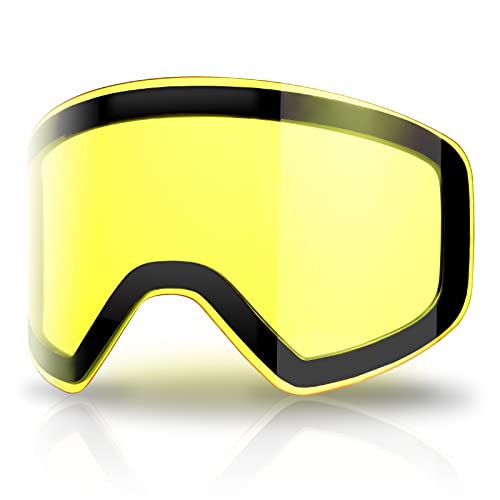
best yellow ski goggles Snow Clarity

Best EXP Vision Ski Goggles 2026 Ultimate Clarity Picks

Discover the Best Mens Ski Goggles of 2026
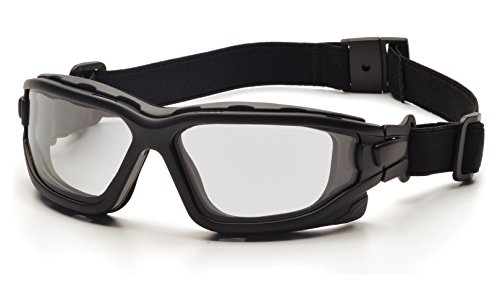
Best Slim Ski Goggles for Clear Vision, Lightweight Comfort, and a Low-Profile Fit





