
9 Best Ski Goggles For Snowboarding Under 100 of 2026 With Fog-Free Vision

A cold gust sweeps across the chairlift drop-off as a snowboarder bends down to ratchet the rear binding, exhaling a cloud of warm air straight into the face foam. Within seconds, cheap lens plastic fogs into an opaque white haze, turning the opening drop into guesswork. Riding sideways demands razor-sharp peripheral sight to spot tracked-out ruts and sudden ice patches, but poorly ventilated frames trap moisture against the inner shield and suffocate airflow. When chronic condensation blinds your downhill edge, every sudden bump becomes a crash hazard, and wiping the inside glass with a wet glove only leaves smeared ice that ruins the entire morning.
Clean mountain runs should be spent reading terrain features rather than scraping frozen moisture off your face. Clear vision stays intact when a frame combines a true dual-layer sealed lens with deep perimeter vents that draw fresh air across the brow even at low riding speeds. Flexible thermoplastic polyurethane shells mold easily against diverse helmet brims without pinching the nose bridge, while generous side cutouts accommodate prescription glasses without breaking the perimeter seal. Dialing in the right visible light transmission for changing skies keeps contour shadows visible in flat light, so let us explore which affordable pairs keep the descent crystal clear.

- BWP Score8.7
BWP Score is a ranking system developed by Bestwinterproducts.com. BWP score has no relationship or impact from any manufacturers or sales agent websites. Learn more
- BrandOutdoorMaster

- BWP Score9.5
BWP Score is a ranking system developed by Bestwinterproducts.com. BWP score has no relationship or impact from any manufacturers or sales agent websites. Learn more
- BrandOutdoorMaster

- BWP Score7.1
BWP Score is a ranking system developed by Bestwinterproducts.com. BWP score has no relationship or impact from any manufacturers or sales agent websites. Learn more
- BrandEXP VISION

- BWP Score7.5
BWP Score is a ranking system developed by Bestwinterproducts.com. BWP score has no relationship or impact from any manufacturers or sales agent websites. Learn more
- BrandInnerking
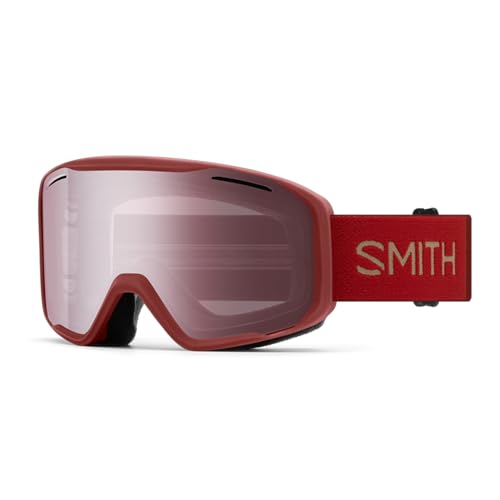
- BWP Score7.2
BWP Score is a ranking system developed by Bestwinterproducts.com. BWP score has no relationship or impact from any manufacturers or sales agent websites. Learn more
- BrandSMITH

- BWP Score8.5
BWP Score is a ranking system developed by Bestwinterproducts.com. BWP score has no relationship or impact from any manufacturers or sales agent websites. Learn more
- BrandSupertrip

- BWP Score7.1
BWP Score is a ranking system developed by Bestwinterproducts.com. BWP score has no relationship or impact from any manufacturers or sales agent websites. Learn more
- BrandRIOROO

- BWP Score9.5
BWP Score is a ranking system developed by Bestwinterproducts.com. BWP score has no relationship or impact from any manufacturers or sales agent websites. Learn more
- BrandEXP VISION

- BWP Score7.6
BWP Score is a ranking system developed by Bestwinterproducts.com. BWP score has no relationship or impact from any manufacturers or sales agent websites. Learn more
- BrandEXP VISION
Last update on 2026-09-15 / Affiliate links / Images, Product Titles, and Product Highlights from Amazon Product Advertising API
Do budget snow goggles stay clear and resist fogging during hard descents?
Yes, pairs built with dual-layer lens technology and dedicated perimeter channel vents effectively stop condensation from clouding your line. Dual-pane construction places an insulating air pocket between an outer shield and an anti-fog coated inner lens, which balances temperature differences between body heat and cold mountain air. Systems featuring two-way venting or active Airflow technology keep moisture moving out of the frame while you ride. For verified moisture management, check for European certifications such as CE EN174 markings on dual-layer Italian lenses before heading up the lift.
How do you confirm whether OTG goggles will fit your prescription glasses?
Measure the outer width and height of your spectacle frames and compare them directly to the internal dimensions of the goggle frame. Over-the-glasses models feature interior side notches to clear your temple arms without pinching, but internal clearance varies across frames. For example, some OTG frames accommodate spectacles up to 5 inches wide and 2 inches high, fitting small to medium glasses comfortably. Combining an OTG cavity with a flexible TPU frame and three layers of high-density foam prevents your eyeglass rims from pressing into the bridge of your nose.
Which VLT percentage should you select for sunny peaks versus flat light?
Select visible light transmission based on the specific sky conditions and shadow levels you expect to encounter on the mountain. For cloudless days with intense glare reflecting off hard snow, a low rating like 10 percent or 11 percent VLT in a grey or REVO silver finish shields your eyes from strain. Overcast skies and flat light require higher transmission, such as a 30 percent purple lens, to help you spot terrain ruts and variable snow texture. If you ride across changing alpine weather, picking an interchangeable lens design lets you swap tints when cloud cover moves in.
Does a spherical or cylindrical lens provide better peripheral vision for snowboarding?
Spherical lenses maximize peripheral and vertical awareness because their three-dimensional curvature mirrors the shape of the human eye. Because snowboarders ride with a sideways stance, an unobstructed frameless spherical layout makes it easier to monitor downhill traffic and side hazards without turning your neck. Cylindrical lenses curve horizontally across your face, offering wide panoramic vision with a lower vertical profile that tucks neatly beneath helmet brims. Both lens styles protect side vision on the slope, though frameless spherical shapes deliver the widest edge-to-edge optical field.
How do frame materials and face foam impact helmet integration?
Flexible frame construction and multi-layer padding allow goggles to contour closely beneath a helmet brim without breaking the perimeter seal. Pliable TPU construction bends to match diverse helmet curves without stiffening in freezing weather, while three layers of high-density foam distribute pressure evenly across your cheekbones. Ensuring the top edge of the goggle aligns flush against your helmet brow eliminates forehead drafts and keeps upper exhaust vents unobstructed. Riders aiming for minimal bulk across technical terrain can pair their setup with lightweight snow goggle profiles to prevent neck fatigue on all-day sessions.
What UV protection features are necessary for alpine snowboard runs?
Verify that the lens carries a certified UV400 rating that blocks 100 percent of UVA and UVB radiation. High-altitude environments expose your eyes to elevated levels of ultraviolet light, which reflects off the snow pack from every direction. Dual polycarbonate lenses equipped with complete UV400 filtering shield your vision against solar fatigue without compromising color balance. Multi-layer REVO surface coatings add further protection by deflecting harsh glare across exposed open bowls.


Best Green Ski Goggles 2026 For Clear Vision On Slopes

Best Ski Goggles Under 30 Inches For Crisp Vision And Comfort

Best Backcountry Ski Goggles 2026 For Crystal Clear Vision

Best Frameless Ski Goggles Men for Clear Vision and All-Day Comfort
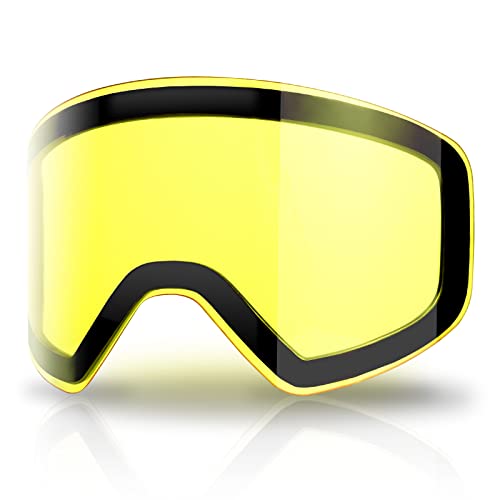
best yellow ski goggles Snow Clarity

Best EXP Vision Ski Goggles 2026 Ultimate Clarity Picks

Discover the Best Mens Ski Goggles of 2026
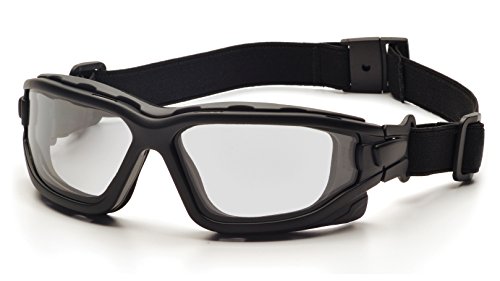
Best Slim Ski Goggles for Clear Vision, Lightweight Comfort, and a Low-Profile Fit





