
Best snow goggles for low visibility 2026 picks

Best snow goggles for low visibility matter most on those gray, milk-bowl days when the slope seems to disappear under your feet. Flat light hides bumps, ruts, icy patches, and soft piles, so the right lens isn’t just about comfort. It helps your eyes pick up texture faster, which can make each turn feel less like a coin toss. Nobody wants to ski by memory when the mountain looks like a blank sheet of paper.
Low-light lenses usually work better with rose, amber, yellow, or light copper tints because they boost contrast without making everything too dark. A super-dark sunny-day lens can feel stylish in the lift line, sure, but it can turn cloudy terrain into mush once the weather rolls in. So, lens choice becomes the real meat and potatoes here. The sweet spot is enough brightness to see clearly, with enough contrast to read snow changes before they bite.
Anti-fog performance deserves just as much attention, especially during stop-and-go riding, storm laps, or damp chairlift rides. Dual lenses, smart venting, and clean foam channels help keep moisture from building up inside the frame. Still, no goggle is magic if it’s shoved onto a wet helmet or wiped aggressively with a glove. Treat the inner lens gently, and it’ll usually return the favor.
Fit and field of view can make or break the experience. A wide lens helps spot rollers and traffic from the corners of your eyes, while a good nose seal keeps cold air from sneaking in. Helmet compatibility matters too, because a gap across the forehead gets old fast in blowing snow. Big frames can feel roomy, but smaller faces may need a lower-profile design to avoid pressure points.
Interchangeable lenses are handy if conditions swing from stormy morning to bright afternoon. Magnetic systems are quick, but they often cost more, and not everyone needs that upgrade. A fixed low-light lens can be the smarter call for riders who mostly head out in cloudy, snowy, or tree-heavy conditions. No fuss, no spare lens rattling in a pocket, just better vision when the mountain gets moody.
Photochromic snow goggles sound tempting because they adapt to changing light, but they’re not always the fastest answer in deep shade or sudden weather shifts. They can be convenient, especially on mixed-condition days, yet dedicated low-visibility lenses often feel clearer in true flat light. That’s the tradeoff. Convenience on one side, sharper storm-day contrast on the other.
Comfort still counts after the first hour. Softer face foam, adjustable straps, and balanced frame pressure help avoid that pinched feeling across the nose and cheeks. Over-the-glasses designs add room for prescription eyewear, but they can also fog faster without enough airflow. So, the better pick depends on how the goggles sit once the helmet is strapped down, not how they look in a product photo.
Best snow goggles for low visibility should make cloudy runs feel calmer, not darker or more complicated. The right pair won’t erase bad weather, but it can help reveal the shape of the snow, reduce eye strain, and make hesitant turns feel more controlled. Spend less energy squinting at shadows that aren’t there. Save that focus for the line ahead.

- BWP Score9.0
BWP Score is a ranking system developed by Bestwinterproducts.com. BWP score has no relationship or impact from any manufacturers or sales agent websites. Learn more
- BrandOutdoorMaster
- Prime

- BWP Score8.4
BWP Score is a ranking system developed by Bestwinterproducts.com. BWP score has no relationship or impact from any manufacturers or sales agent websites. Learn more
- BrandVatefery
- Prime
- BWP Score9.2
BWP Score is a ranking system developed by Bestwinterproducts.com. BWP score has no relationship or impact from any manufacturers or sales agent websites. Learn more
- BrandZIONOR
- Prime

- BWP Score9.2
BWP Score is a ranking system developed by Bestwinterproducts.com. BWP score has no relationship or impact from any manufacturers or sales agent websites. Learn more
- BrandOdoland
- BWP Score8.6
BWP Score is a ranking system developed by Bestwinterproducts.com. BWP score has no relationship or impact from any manufacturers or sales agent websites. Learn more
- BrandCOOLOO
- Prime

- BWP Score9.2
BWP Score is a ranking system developed by Bestwinterproducts.com. BWP score has no relationship or impact from any manufacturers or sales agent websites. Learn more
- BrandAVV
- Prime

- BWP Score9.2
BWP Score is a ranking system developed by Bestwinterproducts.com. BWP score has no relationship or impact from any manufacturers or sales agent websites. Learn more
- BrandOutdoorMaster
- Prime
Last update on 2023-05-05 / Affiliate links / Images, Product Titles, and Product Highlights from Amazon Product Advertising API
Best Snow Goggles For Low Visibility
Flat light has a nasty habit of turning ski runs into one giant white blur. Tiny ridges disappear, icy patches sneak up out of nowhere, and depth perception starts playing tricks on tired eyes halfway down the hill. That’s exactly where best snow goggles for low visibility become more than a comfort upgrade. The OutdoorMaster Ski Goggles lean heavily into visibility, anti-fog control, and all-day wearability without piling on flashy gimmicks that usually sound better on paper than they feel on snow.
OutdoorMaster Ski Goggles
Lens clarity stands out almost immediately with these goggles, especially during cloudy afternoons and snow-heavy mornings where contrast tends to vanish. The dual-layer lens setup helps keep terrain definition visible instead of flattening everything into the same dull shade. Snowboarders and skiers dealing with overcast conditions will probably appreciate how the lens treatment handles glare without darkening the entire field of view. Some goggles get too aggressive with tinting and end up making low-light riding even tougher, but this pair stays fairly balanced.
Anti-fog performance feels surprisingly dependable considering the price range. Warm breath, damp chairlift rides, and quick transitions between lodge heat and freezing wind usually expose weak ventilation systems fast. OutdoorMaster uses a triple-layer foam setup combined with airflow channels around the TPU frame, and honestly, it does a respectable job reducing moisture buildup inside the lens. Fogging can still happen during intense hikes or heavy face covering use, but the airflow recovers quicker than expected.
Visibility in tree runs also benefits from the wider lens feel. Peripheral vision matters more than people think once trails get crowded or narrow. Instead of constantly shifting your head around to scan the edges of the slope, the lens shape keeps more of the mountain naturally within view. That wider perspective becomes especially useful during flat-light afternoons when terrain changes appear late.
UV protection deserves some attention too because cloudy weather fools a lot of riders into ignoring eye strain. Bright snow reflects plenty of light even when the sky looks dull and gray. The treated lens helps soften harsh reflections while keeping the image sharp enough to spot texture changes in the snow. Eyes feel less fatigued after several hours outside, which matters more than flashy mirrored finishes.
Comfort During Long Sessions
Face foam quality can quietly ruin an otherwise decent pair of goggles if the pressure points start building around the nose or cheeks. OutdoorMaster avoids that stiff, plasticky feel that cheaper frames often develop in colder temperatures. The triple-layer foam feels soft without collapsing too much, so the seal stays comfortable against the skin instead of squeezing awkwardly after an hour or two. Little things like that tend to matter more near the end of the day.
Helmet compatibility works well thanks to the longer adjustable strap. Some goggles shift around constantly once paired with bulkier ski helmets, especially during quick turns or uneven terrain. This strap keeps the frame planted without needing constant readjustment. Riders switching between different helmets during the season probably won’t have much trouble dialing in the fit.
OTG support makes these goggles practical for people wearing prescription glasses, though there are realistic limits. Smaller to medium-sized frames fit comfortably underneath without smashing temples into the side of the head. Larger glasses may feel cramped depending on shape and thickness. Still, compared to many low-profile ski goggles that claim OTG compatibility while barely fitting reading glasses, this design feels more usable in real conditions.
Cold-weather comfort stays fairly consistent because the TPU frame remains flexible instead of turning stiff and brittle in freezing temperatures. Cheap plastic frames sometimes dig awkwardly into the forehead once temperatures drop hard. OutdoorMaster’s softer frame material helps avoid that problem while keeping enough structure to maintain a stable fit during movement.
Snow buildup management is another underrated strength here. Wet snow tends to cling around vents and edges during storm riding, eventually creating damp spots or airflow issues. The smoother frame design sheds buildup reasonably well, and the included protective cover doubles as a quick wipe-down cloth between runs. Small detail, sure, but handy when snow keeps sticking to everything in sight.
Protective Cover And Daily Use
The included goggle cover feels more useful than expected because ski goggles spend plenty of time getting tossed into bags, glove compartments, or lodge tables. Scratched lenses ruin visibility faster than almost anything else, especially in flat light where every smudge becomes noticeable. The elastic cover slips on quickly and protects the lens surface without adding bulk. No complicated clips, no weird folding process, just simple protection.
Lens durability holds up reasonably well for regular resort riding. OutdoorMaster mentions enhanced impact resistance technology, and while nobody should intentionally test that claim, the lens construction does feel sturdier than ultra-thin budget alternatives. Minor bumps against jackets, gloves, or helmet edges don’t immediately leave visible marks. That added confidence matters when gear gets tossed around during travel days.
Maintenance stays refreshingly low-effort too. Some ski goggles demand careful babying after every run or they fog, scratch, or peel prematurely. This pair feels more forgiving during regular winter use. Wiping away snow and moisture stays simple as long as the inner lens surface isn’t aggressively scrubbed.
Travel convenience also benefits from the lightweight frame design. Bulky goggles can become annoying once they’re hanging around the neck indoors or stuffed into smaller bags. OutdoorMaster keeps the profile streamlined enough for easier packing while still offering decent coverage across the face. Nothing overly fancy, but practical counts for a lot during ski trips.
Winter gear combinations sometimes create unexpected headaches, especially around scarves, neck gaiters, and helmet overlap. These goggles manage airflow reasonably well even with layered cold-weather gear around the face. In some cases, related winter outfit ideas naturally pair alongside best casual winter boots womens during colder resort travel and snowy town walks between sessions.
Tradeoffs Worth Knowing
Lens versatility may feel somewhat limited for riders constantly moving between bright bluebird mornings and darker afternoon storms. OutdoorMaster focuses heavily on low-light visibility and anti-fog performance, which works well in cloudy conditions, but dedicated sunny-day riders may prefer darker interchangeable lens systems. This setup feels more specialized toward overcast environments rather than all-condition optimization.
Frame size lands somewhere in the middle, which creates both strengths and compromises. Smaller faces avoid that oversized bug-eye look many modern ski goggles push too far. At the same time, people who prefer massive panoramic coverage might wish for slightly larger dimensions. The fit balance leans practical instead of flashy.
Ventilation openings help airflow considerably, though windy chairlift rides can occasionally let in a little cold air around the upper edges depending on helmet shape. That’s not uncommon with heavily vented goggles, honestly. Riders prioritizing maximum fog reduction often trade a bit of warmth for better airflow.
Style preferences may split opinions because the design stays relatively clean and straightforward instead of chasing oversized mirrored aesthetics. Some riders love understated gear that blends quietly into the rest of their setup. Others want louder styling that stands out more in photos and lift lines. OutdoorMaster clearly prioritizes usability first.
Daily resort use remains where these goggles make the most sense. They handle low visibility, moisture control, helmet compatibility, and comfort well enough to reduce frustration during long winter sessions. Instead of trying to reinvent ski eyewear with gimmicks and exaggerated claims, the focus stays centered on dependable clarity and wearable comfort. Frankly, that practical approach feels refreshing.
Best Snow Goggles For Low Visibility
Snowy afternoons can turn weird in a hurry. One minute the slope looks manageable, then suddenly every bump blends into the same pale blur and depth perception goes straight out the window. That messy flat-light problem is exactly why best snow goggles for low visibility matter more than flashy jackets or expensive boards. The Vatefery Ski Goggles 2-Pack focus on practical visibility, simple comfort, and broad usability without pretending to be luxury gear built for pro athletes.
Vatefery Ski Goggles 2-Pack
Panoramic lens design gives these goggles a noticeably open field of vision, which helps a lot during cloudy runs and snowy afternoons. Narrow lenses tend to create tunnel vision, especially once fog or snowfall starts building around the edges. Vatefery avoids that boxed-in feeling pretty well. Terrain changes become easier to spot before they turn into awkward surprises halfway downhill.
Anti-fog performance feels respectable for casual skiing, sledding, and general winter activities. The double-layer lens setup helps reduce condensation during cold-to-warm transitions, which usually wreck cheaper goggles within minutes. Warm breath still creates moisture during intense activity, naturally, but the lens recovers fairly quickly instead of staying cloudy for half the afternoon. That alone saves a lot of frustration during stop-and-go winter outings.
UV400 protection quietly handles one of the more overlooked parts of snow sports. Bright snow reflects sunlight aggressively even on gray days, and tired eyes can ruin a fun trip faster than sore legs. The lens blocks harsh glare while keeping visibility bright enough for low-light conditions. Some budget goggles go too dark and make flat light even harder to read, but these stay balanced enough for cloudy weather.
Frame padding deserves credit too. Thick foam around the edges softens cold wind exposure while helping the goggles sit comfortably against the face. Rough plastic edges or stiff foam can become irritating after an hour outdoors, especially in windy weather. Vatefery keeps things softer and more forgiving, which makes a difference during longer winter sessions.
Snow protection works surprisingly well during windy conditions and heavy snowfall. Fine snow has a nasty habit of sneaking through weak frame gaps, especially around the nose and cheek areas. The foam seal helps reduce that problem while also softening pressure against the skin. Not flawless in blizzard conditions, of course, but dependable enough for regular winter sports.
Practical Design For Everyday Winter Use
The two-pack setup changes the value conversation quite a bit. One pair can stay in the car while the second sits in a ski bag, or both can be shared during family trips and group outings. That flexibility feels more useful than people initially expect. Goggles tend to get scratched, misplaced, or borrowed constantly during winter travel.
Versatility becomes one of the strongest selling points here because these goggles aren’t locked into skiing alone. Snowboarding, skating, snowmobiling, biking, and even construction work in dusty wind conditions fit comfortably within their intended use. The lightweight design avoids feeling bulky during movement, which helps during active winter days where gear constantly shifts around. A lot of people simply want one pair that handles several situations without drama.
Lens clarity during snowfall stays fairly stable thanks to the anti-fog coating combined with the broad viewing angle. Fast-moving snow can overwhelm darker lenses quickly, making every turn feel uncertain. These lenses lean toward visibility instead of aggressive tinting, so terrain remains easier to track in cloudy conditions. That matters more than flashy mirrored finishes once the weather gets rough.
Face fit flexibility also helps these goggles appeal across different age groups. Smaller faces don’t feel swallowed by oversized frames, while adults still get enough coverage around the eyes and upper cheeks. Some budget ski goggles end up pinching at the temples or leaving forehead gaps that invite cold air inside. This pair stays reasonably balanced without requiring constant adjustments.
Winter trips often end up including more than ski slopes alone. Cozy seasonal setups and cold-weather décor naturally show up around the same time, and some festive cabin themes quietly connect with christmas glass candle holders during holiday ski weekends and snowy gatherings indoors.
Real Strengths And Honest Tradeoffs
Price-conscious buyers will probably appreciate the straightforward approach here. Vatefery doesn’t overload the goggles with magnetic lens systems, oversized branding, or interchangeable accessories that many casual riders never actually use. Instead, the focus stays centered on comfort, visibility, and decent eye protection. That practical direction gives the goggles a more approachable feel.
Heavy storm riders should still keep realistic expectations. Premium high-end goggles often offer sharper contrast technology and more advanced venting systems during brutal weather conditions. Vatefery performs solidly for recreational use, occasional ski trips, and general winter activities, but dedicated mountain riders spending every weekend in deep powder may eventually want more technical lens options. The difference mainly appears during extremely demanding visibility conditions.
Durability lands somewhere in the middle ground. The frame handles regular winter handling reasonably well, and the foam maintains comfort after repeated use. Still, tossing the goggles loose into crowded gear bags without protection will eventually leave scratches like almost any lens on the market. Treating them with basic care goes a long way.
Style leans energetic without becoming overly loud. Bright color options and the smooth curved frame shape feel playful enough for younger riders while still blending comfortably into adult gear setups. Some ski goggles push aggressive race-inspired styling that looks out of place during relaxed weekend outings. Vatefery stays casual and approachable instead.
Everyday usability probably sums these goggles up best. They reduce wind irritation, improve visibility during low-light snow conditions, and stay comfortable long enough for real winter use instead of quick photo ops. Nothing feels overly complicated. Honestly, that simplicity can be refreshing once temperatures drop and the weather starts acting up.
Where These Goggles Make The Most Sense
Family ski trips create a different set of priorities than hardcore alpine riding. Gear gets shared, packed quickly, tossed into trunks, and passed around between activities. The two-pack arrangement makes those chaotic winter mornings easier because there’s less pressure if one pair gets misplaced or fogged up temporarily. Having a backup pair nearby tends to solve more problems than expected.
Low-light conditions remain the environment where these goggles feel most comfortable. Flat afternoon skies, snowy hill parks, tubing lanes, and beginner slopes all benefit from brighter visibility instead of heavily tinted lenses. Riders struggling with contrast loss during cloudy weather will likely notice the difference quickly. Snow texture becomes easier to track instead of fading into one giant white surface.
Casual winter sports also fit naturally into the design philosophy. Not everybody needs expensive technical goggles loaded with interchangeable lens systems and aggressive performance branding. Plenty of people just want dependable eye protection, solid comfort, and enough visibility to enjoy winter without squinting through foggy lenses. Vatefery sticks fairly close to that lane.
Outdoor comfort improves noticeably once cold wind stops hammering directly into the eyes. Thick foam cushioning softens the frame against the face while helping block drifting snow around the edges. Even simple activities like sledding or snowball fights become more enjoyable once icy wind stops watering your eyes every few minutes. Small improvement, big difference.
General winter practicality ends up carrying these goggles further than flashy marketing language ever could. They’re simple to wear, broad enough for multiple activities, and forgiving during regular use. For cloudy weather, moderate slopes, and everyday snow outings, that straightforward approach honestly fits the mood better than overly technical gear loaded with features many people never touch.
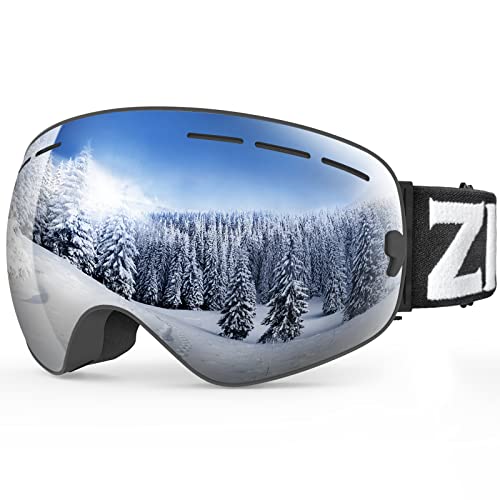
ZIONOR X Ski Snow Goggles
Whiteout mornings have a way of making decent riders feel oddly hesitant. The snow looks smooth until it isn’t, and one hidden rut can throw off an entire run before the chairlift has even faded behind you. That’s where best snow goggles for low visibility need to earn their place, not by looking dramatic, but by helping the slope look readable again. The ZIONOR X Ski Snow Goggles aim for that practical middle ground with a wide spherical lens, OTG room, anti-fog treatment, and a sturdier build meant for real resort use.
ZIONOR X Ski Snow Goggles
Panoramic visibility is the first thing that gives this pair its personality. The spherical detachable lens opens up the view more naturally than narrow flat lenses, especially on crowded slopes or tree-lined runs where side awareness matters. During low-contrast weather, that wider view helps reduce the boxed-in feeling that makes riders overcorrect. It doesn’t magically add sunlight, but it does make the mountain feel less like a guessing game.
Low-visibility riding depends heavily on how well a lens handles glare, haze, and snow texture. ZIONOR uses an optimized anti-fog and UV protection treatment, which fits the needs of cloudy runs where eyes tire quickly. Bright snow can still bounce light around even under gray skies, so the UV protection isn’t just a sunny-day bonus. It’s part of keeping vision comfortable when the weather refuses to behave.
Lens clarity feels especially important for skiers and snowboarders who don’t want to slow down every time the slope turns chalky. A clear field of view helps pick up rollers, chopped snow, and uneven patches before they’re right underfoot. The spherical shape also helps reduce that flat, window-like feeling some budget goggles have. Little by little, the ride feels more controlled.
Detachable lens design adds useful flexibility, though it also comes with a care requirement. Detachable lenses are handy when conditions change or cleaning becomes necessary, but they shouldn’t be handled like a glove liner tossed into a boot bag. Scratches, fingerprints, and rough wiping can still mess with visibility. Careful handling keeps the lens doing its job longer.
OTG Fit And Helmet Feel
OTG compatibility gives these goggles a clear advantage for anyone wearing prescription glasses under snow gear. ZIONOR lists a maximum glasses size of 5.5 inches long by 1.65 inches high, which gives a useful boundary instead of a vague promise. Smaller and medium frames should sit more comfortably underneath without pressing hard against the temples. Larger or thicker glasses may still feel tight, so fit expectations need to stay realistic.
Helmet compatibility also feels well considered. The curved, optimized frame is designed to sit with a helmet rather than fight against it, which matters once speed, wind, and head movement enter the picture. A goggle that shifts around mid-run gets annoying fast. This one is built to stay planted, especially when the strap is adjusted properly before heading downhill.
Frame comfort matters more after the first hour than it does during a quick try-on. Pressure around the nose, cheekbones, or forehead can turn a clean-looking goggle into a nuisance by lunchtime. The ZIONOR X shape seems aimed at balancing coverage with wearability, giving enough room for glasses while still keeping the frame secure. That balance is harder to pull off than it sounds.
Fast riding stability gets a specific nod in the product details, and that makes sense for slope conditions where hesitation can be risky. A goggle that stays in place lets the rider focus on edge control and line choice instead of adjusting gear every few turns. Still, strap tension matters. Too loose, and even a well-shaped frame won’t perform as intended.
Safety, Durability, And Lens Protection
Enhanced Durability Tech is one of the more meaningful parts of this design. ZIONOR describes the ruggedized lens as having better impact resistance, which is useful for skiing and snowboarding where falls, branches, poles, and packed gear are part of the routine. Nobody buys goggles hoping to test impact resistance, obviously. But a sturdier lens adds confidence during messy, unpredictable days.
Eye protection goes beyond blocking snowflakes from hitting the face. Wind, glare, ice crystals, and sudden spray from another rider can all make vision unstable. The lens and frame combination helps create a shielded viewing zone without making the goggle feel overly bulky. That’s a practical strength for low-visibility conditions where distractions pile up quickly.
Anti-fog treatment helps solve one of the most common winter gear headaches. Fog usually shows up at the worst moment, right after stepping out from a warm lodge or breathing hard through a neck gaiter. The optimized treatment helps reduce that buildup, though no anti-fog system is invincible if moisture is trapped against the lens. Keeping airflow open still matters.
Durability tradeoffs deserve a fair mention. Ruggedized lens construction can help with impact resistance, but lenses still need protection from scratches during storage. Tossing goggles loose next to keys, buckles, or boot hardware is asking for trouble. A soft pouch or careful packing habit can save the view long before the next storm day.
How It Handles Low-Visibility Days
Flat-light performance is where these goggles should feel most useful. Low visibility isn’t only about darkness, since the harder problem is losing texture in the snow. A wide, clear lens helps riders scan ahead without constantly turning their head from side to side. That smoother visual flow can make each turn feel less twitchy.
Snowboarders may appreciate the side visibility even more because stance naturally changes how the mountain is viewed. Peripheral awareness helps with passing riders, trail edges, and sudden terrain shifts. Skiers benefit too, especially on busy resort days where movement comes from every direction. The panoramic design feels practical rather than showy.
Cloudy conditions can expose weak goggles fast. Lenses that are too dark make the slope feel dull, while poorly treated lenses fog before the first real run settles in. ZIONOR’s focus on clarity, UV protection, and anti-fog treatment gives the X model a sensible foundation for mixed winter weather. It’s not trying to be everything at once, which is actually a good thing.
Cold-weather routines often extend beyond the slope, from dry skin in mountain air to small comfort habits after a long day outside. A neutral winter-care reference can sit naturally beside gear planning, such as best lip balm for soft lips, especially after wind and snow have been rough on exposed skin. The connection is practical, not forced.
Realistic Limits And Best Use Cases
Lens selection still matters, even with a clear and wide goggle design. The product details focus on the lens technology and protection, but they don’t give every tint behavior across all weather types. Riders who split time between harsh sun and heavy clouds may want to think carefully about the exact lens version they choose. Low visibility rewards brightness and contrast more than dark mirror style.
OTG sizing is another area where expectations should stay grounded. The listed glasses dimensions are helpful, but face shape, frame thickness, and helmet fit all change the real-world feel. Thin prescription frames should have an easier time than chunky fashion frames. Trying to force oversized glasses underneath any goggle usually ends with pressure marks and fog.
Service support is mentioned in the product details, with ZIONOR noting swift response customer service if something is needed. That’s reassuring, though it shouldn’t be confused with a performance feature. The real value still sits in visibility, frame fit, lens durability, and comfort during actual use. Support matters most if parts, defects, or fit questions come up later.
Practical value comes from how well the ZIONOR X matches real winter frustrations. It gives space for glasses, a wide spherical view, anti-fog treatment, UV protection, and a ruggedized lens without leaning on empty hype. Riders dealing with cloudy slopes, wind, snow spray, and helmet-fit annoyances will probably notice those details quickly. The goggles feel built for steady winter use, not just a clean product photo.
Odoland Magnetic Ski Goggles
A gray slope can feel like somebody turned the mountain’s contrast knob all the way down. Bumps flatten out, nearby riders seem to appear from nowhere, and night laps can turn ordinary turns into a squint-heavy guessing match. That’s where best snow goggles for low visibility need more than a decent-looking lens. The Odoland Magnetic Ski Goggles bring a two-lens setup, magnetic swapping, OTG room, helmet-friendly straps, and a wide frameless view that feels built for changing winter light instead of one narrow weather window.
Odoland Magnetic Ski Goggles
Lens flexibility gives this pair its strongest personality. The set includes a purple lens with VLT 25% plus a detachable yellow lens with VLT 83%, so the goggles aren’t stuck in one mood. Bright afternoons, cloudy runs, and night skiing all ask for different light handling. Having two lenses makes the setup feel more practical for mixed trips where the weather changes before lunch.
The yellow lens is the one that matters most for true low visibility. A higher VLT lets more light through, which helps on flat gray days, stormy afternoons, and darker evening sessions. That doesn’t mean it fixes every whiteout, because no lens can create terrain detail out of thin air. Still, it gives tired eyes a better shot at reading snow texture instead of staring into a pale blur.
The purple lens fits brighter conditions better, especially when glare bounces off packed snow. At VLT 25%, it lets in less light than the yellow option, so it makes more sense for clearer daytime runs than dim clouds or night laps. That split between lenses is useful because low-visibility goggles often become too specialized. Odoland gives more range without making the setup complicated.
Magnetic lens swapping is the feature that keeps the whole system from feeling fussy. Cold fingers and stiff gloves can make traditional lens changes annoying, especially outdoors. The magnetic design allows faster switching between day, night, sunny, and cloudy conditions. Care still matters, though, since magnetic lenses should be seated properly before riding hard.
Wide View And Slope Awareness
The frameless spherical lens gives the goggles a clean, open feel across the face. Peripheral vision matters a lot in low visibility because riders often notice movement at the edges before they see detail straight ahead. Odoland describes the view as over 180 degrees, which lines up with the wide-version design. That extra side awareness can help on busy slopes where skiers and snowboarders cross lines quickly.
Large lens coverage also helps reduce that tunnel-vision feeling cheaper goggles sometimes create. A narrow frame can make flat light feel even more cramped, especially in trees or on crowded resort trails. This wider shape gives the eyes more room to scan naturally. Less head turning, less second-guessing, smoother reactions.
Anti-fog design supports the visibility story without pretending fog disappears forever. Moisture can still build during hard riding, warm lodge transitions, or heavy face-cover use. Even so, the anti-fog treatment and broader lens area help reduce the cloudy interior mess that can ruin a run fast. Keeping vents clear of snow still matters, especially during wet storms.
UV400 protection rounds out the eye protection side. Snow can reflect harsh light even when the sky looks harmless, and that reflected glare wears eyes down over time. These goggles include 100% UV400 protection, based on the provided product details. That’s especially helpful on long days where conditions shift between bright patches and shaded runs.
OTG Fit And Helmet Compatibility
OTG design makes these goggles more useful for riders who wear prescription glasses. Sliding glasses under goggles can be a pain if the frame presses into the temples or squeezes the bridge of the nose. Odoland builds in over-the-glasses space, which helps reduce that cramped feeling. Larger glasses may still need careful fitting, since frame shape always matters.
Helmet compatibility looks well considered through the frame shape and extra-long adjustable strap. A good goggle should sit with a helmet instead of leaving a cold forehead gap or sliding down during turns. The strap gives enough adjustment room for youth, adults, teens, men, and women according to the product details. That broad fit range helps when gear gets shared during family trips.
Frame stability matters more once speed picks up. Loose goggles are annoying on gentle slopes, but they become distracting fast on steeper runs or windy chairlift rides. The adjustable strap helps keep the goggles planted, provided the fit is dialed in before heading downhill. Tightening too much can create pressure, so a balanced setup is the sweet spot.
Comfort expectations should stay grounded because larger frameless goggles feel different on every face. The wide lens gives better view, but it may feel oversized on very small faces. OTG spacing also adds volume around the eyes, which some riders like and others need time to get used to. Fit is personal, and this design clearly leans toward coverage and room.
Pros And Cons In Real Use
The biggest strength is the two-lens package. Many snow goggles force a compromise between sunny-day glare control and low-light brightness, but this pair gives separate tools for different weather. The yellow VLT 83% lens makes sense for cloudy days and night riding, while the purple VLT 25% lens fits brighter conditions. That’s a practical setup for winter trips where one lens usually isn’t enough.
Another advantage is the frameless wide view. The large spherical shape feels better suited for scanning slopes, spotting nearby riders, and keeping peripheral movement in sight. That can be especially helpful when visibility drops and reaction time gets shorter. The goggles feel less like a small window and more like open coverage across the face.
The main drawback is that magnetic lens systems require a little discipline. The lens needs to be seated correctly, and careless storage can still scratch either lens. Also, swapping lenses in blowing snow isn’t always as clean as it sounds, even with magnets. Gloves, wind, and wet hands can make any gear adjustment feel clumsy.
Low-light performance depends on actually using the yellow lens. The purple lens may look sharper in bright conditions, but it won’t be the better pick for dark clouds, night skiing, or stormy runs. That means carrying the spare lens becomes part of the routine. Forget it at the lodge, and the goggles lose part of their advantage.
- Pros: Two interchangeable lenses, magnetic swap system, wide spherical view, OTG design, helmet-friendly strap, UV400 protection, and useful low-light lens coverage.
- Cons: Larger frame may feel bulky on small faces, magnetic lenses need careful seating, and the spare lens adds one more thing to pack and protect.
Best Fit And Practical Limits
Changing weather is where these goggles make the most sense. A skier starting under bright sun and ending under gray clouds can switch lenses instead of fighting the wrong tint all afternoon. The yellow lens feels especially relevant for best snow goggles for low visibility because it lets in more light for darker conditions. The purple lens keeps the set from feeling limited to storm days only.
Night skiing is another strong match for the yellow lens. Dim resort lighting can make snow texture tricky, especially near trail edges or chopped-up patches around lift zones. A brighter lens helps avoid that closed-in feeling darker lenses create after sunset. Still, artificial lighting varies by resort, so expectations should stay realistic.
Casual resort riding fits the product better than highly specialized backcountry use. The broad field of view, OTG space, UV protection, and interchangeable lenses cover common resort headaches nicely. Hardcore riders may want more tint options or advanced contrast-specific lens tech. For mixed family trips, weekend snowboarding, and general mountain use, the feature mix feels sensible.
Winter comfort also extends past the slope, especially after cold air has tightened shoulders and dried out skin during a long day. From a practical angle, a related cold-weather comfort reference can sit naturally alongside best heated blanket for back during post-ski recovery routines at home or in a cabin. The link sits apart from goggle performance, but the seasonal connection still feels understandable.
Overall usability comes down to whether lens swapping sounds helpful or annoying. Riders who like simple gear may prefer one fixed low-light lens and call it a day. Riders who move between bright, cloudy, and night conditions will likely appreciate the added control. Odoland’s setup feels strongest for people who want visibility options without stepping into overly complicated technical eyewear.
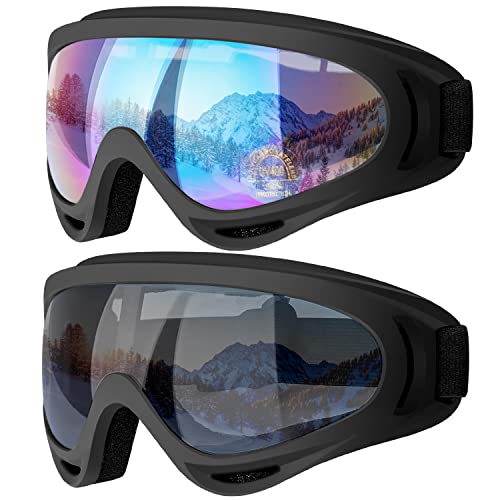
COOLOO Ski Goggles Review
Windy lift rides can make winter gear feel brutally honest. A jacket might be warm enough, boots might hold up fine, but fogged lenses and stinging eyes can wreck the mood before the first clean run. That’s where best snow goggles for low visibility need to solve real problems, not just sit nicely in a gear photo. The COOLOO Ski Goggles bring a simple two-pack setup, UV400 lens protection, airflow holes, anti-fog coating, flexible ABS frames, and enough everyday versatility for snow days that aren’t always neat or predictable.
COOLOO Ski Goggles
COOLOO Ski Goggles feel aimed at winter days where practicality beats fancy branding. The two-pack design makes sense for shared trips, backup storage, or keeping one pair in a bag while the other stays in the car. Gear disappears fast during family snow outings, and goggles are usually the first thing someone forgets. Having two pairs reduces that little pre-slope scramble.
Low-visibility performance depends heavily on the lens choice, and COOLOO gives a useful split between tinted and clear options based on the provided details. Tinted lenses help with UV400 protection and brighter glare, while clear lenses are better suited for cloudy days. That matters because dark lenses can make flat light feel even worse. For gray skies and softer contrast, a clearer lens often feels calmer on the eyes.
Anti-fog coating adds another layer of everyday usefulness. Fog doesn’t politely wait until the run is over, and it usually shows up after warm breath, damp snow, or a quick lodge break. COOLOO uses coated lenses with circular airflow holes around them to reduce fog to a certain extent. That phrase matters, because no budget-friendly goggle stays perfectly clear in every wet, sweaty, wind-packed situation.
Frame coverage helps protect against strong wind, heavy snow, dust, and cold air. The flexible ABS frame and PC lens construction give the goggles a protective feel without making them overly stiff. During sledding, skiing, or snowboarding, that shielded fit can make the difference between enjoying the run and constantly rubbing watery eyes. Simple, yes, but useful.
Comfort, Fit, And Winter Wear
The extra-long elastic strap is one of the more practical details here. Helmet compatibility can be a real headache when a strap is too short or too stiff, especially with thicker winter helmets. COOLOO’s longer strap gives more room for adjustment across teens, youth, men, and women. A better strap fit also helps keep goggles from sliding during turns or windy chairlift rides.
Face comfort gets support from the sponge layer around the frame. The product details describe it as lightweight while offering thickness comparable to multi-layer sponge, which sounds geared toward warmth without adding bulky pressure. Soft contact around the face matters after an hour outdoors. Hard edges and thin foam can turn a fun snow day into a forehead-pinching nuisance.
Warmth around the eyes may sound minor until freezing wind starts cutting across the slope. A better seal helps block that sharp, watery-eye feeling that makes people squint through half the day. COOLOO’s frame and sponge setup should help soften wind exposure during casual winter sports. Still, face shape affects sealing, so tiny gaps may happen depending on helmet and nose fit.
Lightweight wear also suits longer outdoor sessions. Heavy goggles can feel annoying around the bridge of the nose, especially for younger wearers or anyone switching between snow activities. COOLOO doesn’t lean into a bulky oversized style, which can make the goggles easier to wear for mixed winter use. Less fuss, fewer adjustments, better rhythm.
Pros And Cons For Real Snow Days
The biggest advantage is the two-pair package. One pair can handle a child, friend, spare kit, or second activity without needing another separate purchase. That’s handy for snowboarding trips, skating days, mountain biking in cold wind, or construction-site dust protection where eye coverage still matters. The value sits in flexibility more than luxury.
Clear lens usefulness deserves a nod for low-visibility conditions. Cloudy weather flattens snow texture, and overly dark lenses can make that worse. COOLOO’s clear lens option gives a better match for dull skies and gray afternoon light. For the keyword best snow goggles for low visibility, that practical lens choice is the part that carries the most weight.
The main limitation is that these goggles don’t sound built around advanced contrast lens technology. Premium snow goggles often use specialized tints, quick-swap systems, or more technical ventilation structures. COOLOO keeps things straightforward with anti-fog coating, airflow holes, UV400 protection, and durable materials. That’s fine for casual use, but demanding mountain conditions may ask for more specialized gear.
Fog control should be viewed realistically. The airflow holes and anti-fog coatings can help, but heavy breathing, wet neck gaiters, and warm-to-cold transitions can still create moisture. The phrase “prevent fog to a certain extent” is actually refreshingly honest. Keeping vents clear and avoiding aggressive wiping on the inner lens will matter.
- Pros: Two pairs included, clear lens option for cloudy days, UV400 protection, anti-fog coating, airflow holes, flexible ABS frame, PC lenses, helmet-friendly strap, and broad outdoor use.
- Cons: Fog resistance has limits, lens tech is basic compared with premium goggles, fit may vary by face shape, and the design favors practical use over advanced slope-specific tuning.
Multi-Scene Use And Practical Limits
Multi-scene use gives these goggles more reach than a single ski trip. The product details mention snowboarding, skiing, skating, mountaineering, motorcycle riding, mountain biking, parachuting, bungee jumping, tactical field use, lab experimenting, and construction sites. That’s a wide spread, so the realistic takeaway is simple: these goggles are built as protective eye coverage for wind, dust, cold air, snow, sunlight, and lights. They’re not limited to one weekend on the mountain.
Impact-resistant PC lenses add peace of mind for active settings. Snow days involve poles, branches, elbows, falling gloves, and gear bags packed like junk drawers. The lens material is meant to handle regular bumps better than flimsy plastic eyewear. Even so, scratch prevention still depends on careful storage.
The included handbag helps with that storage issue. Goggles tossed loose into backpacks often end up rubbing against zippers, keys, or helmet buckles. A carry bag keeps the lenses cleaner between uses and makes the two-pack easier to manage. That small accessory feels boring until it saves a lens from getting scuffed.
Winter home projects sometimes sit in the same seasonal routine as snow gear maintenance, especially when cold weather shifts attention indoors. From a practical angle, a related household reference can sit separately in how to measure for fireplace doors without pretending it affects goggle performance. The connection stays seasonal rather than technical.
Where The COOLOO Goggles Fit Best
Casual snow outings are the natural lane for this pair. Sledding hills, beginner ski days, school snow trips, skating sessions, and occasional snowboarding all fit the feature set well. The goggles protect against wind and snow while keeping the setup easy to share. That’s the kind of everyday practicality that often matters more than premium extras.
Cloudy-day visibility is strongest with the clear lens approach. Low visibility isn’t always about darkness, since flat light is usually the bigger troublemaker. A clear lens can help keep the view from becoming unnecessarily dim. Riders who mostly deal with gray skies and light snowfall may appreciate that more than a dramatic tinted lens.
Shared gear situations benefit from the flexible sizing and two-pack format. Families, friends, and mixed-age groups often need gear that fits more than one person without turning every adjustment into a project. The extra-long strap helps with helmets, while the soft sponge layer keeps contact more forgiving. Not custom-fit fancy, but easy to live with.
Performance expectations should stay grounded. COOLOO Ski Goggles provide protective coverage, UV400 shielding, basic anti-fog help, and broad activity use. They aren’t positioned as elite race goggles or specialized storm lenses. For practical winter protection with a spare pair included, the feature mix feels sensible and refreshingly uncomplicated.


Best Green Ski Goggles 2026 For Clear Vision On Slopes
Best Ski Goggles Under 30 Inches For Crisp Vision And Comfort

Best Backcountry Ski Goggles 2026 For Crystal Clear Vision

Best Frameless Ski Goggles Men for Clear Vision and All-Day Comfort
best yellow ski goggles Snow Clarity

Best EXP Vision Ski Goggles 2026 Ultimate Clarity Picks

Discover the Best Mens Ski Goggles of 2026
Best Slim Ski Goggles for Clear Vision, Lightweight Comfort, and a Low-Profile Fit





