
best vlt for ski goggles 2026: Clearer Runs

Picking the best vlt for ski goggles isn’t just about grabbing the darkest lens on the shelf and calling it good. VLT, or visible light transmission, tells you how much light passes through the lens, and that small number can make or break a run. Too dark on a cloudy afternoon, and every dip in the snow starts playing hide-and-seek. Too light on a bluebird day, and your eyes feel like they’re squinting through a camera flash.
A lower VLT percentage, usually around 5% to 20%, suits bright sun, open bowls, and glare bouncing off fresh snow. A mid-range lens, often around 20% to 40%, handles the messy middle pretty well, especially those days that start sunny and turn gray by lunch. Higher VLT lenses, around 40% to 80%, help in storms, tree runs, dusk laps, and flat light. Still, there’s a tradeoff, because lighter lenses can feel too bright once the clouds crack open.
Flat light deserves extra attention because it’s sneaky. Snow can look smooth from a distance, then suddenly reveal ruts, rollers, or chopped powder right under your skis. Amber, rose, copper, and yellow lenses often help bring back contrast without making the slope look muddy. Well, that’s the whole trick: more contrast, not just more brightness.
For all-day skiing, a medium VLT ski goggle lens often feels like the safest bet. Something in the 20% to 35% range can cover changing weather without forcing constant lens swaps at the lift. But storm-heavy resorts, night sessions, and spring glare all ask for different tools. That’s why many serious riders keep at least two lenses: one darker lens for sun and one lighter lens for low visibility.
Lens color matters, but don’t let it steal the whole show. Mirror coatings can reduce glare, while contrast-focused tints help read texture in soft snow. Photochromic lenses sound convenient because they adjust to light changes, though they can cost more and may not shift instantly in fast-changing conditions. Bottom line, the right ski goggle VLT should match the light you actually ride in, not the prettiest lens on the rack.

- BWP Score9.2
BWP Score is a ranking system developed by Bestwinterproducts.com. BWP score has no relationship or impact from any manufacturers or sales agent websites. Learn more
- Brandfindway

- BWP Score9.0
BWP Score is a ranking system developed by Bestwinterproducts.com. BWP score has no relationship or impact from any manufacturers or sales agent websites. Learn more
- BrandSuper Penguin
- BWP Score9.4
BWP Score is a ranking system developed by Bestwinterproducts.com. BWP score has no relationship or impact from any manufacturers or sales agent websites. Learn more
- BrandZIONOR
- BWP Score9.2
BWP Score is a ranking system developed by Bestwinterproducts.com. BWP score has no relationship or impact from any manufacturers or sales agent websites. Learn more
- BrandZIONOR

- BWP Score9.4
BWP Score is a ranking system developed by Bestwinterproducts.com. BWP score has no relationship or impact from any manufacturers or sales agent websites. Learn more
- BrandOutdoorMaster

- BWP Score9.0
BWP Score is a ranking system developed by Bestwinterproducts.com. BWP score has no relationship or impact from any manufacturers or sales agent websites. Learn more
- BrandOdoland

- BWP Score9.4
BWP Score is a ranking system developed by Bestwinterproducts.com. BWP score has no relationship or impact from any manufacturers or sales agent websites. Learn more
- BrandJULI Eyewear
- BWP Score9.2
BWP Score is a ranking system developed by Bestwinterproducts.com. BWP score has no relationship or impact from any manufacturers or sales agent websites. Learn more
- BrandZIONOR

- BWP Score9.0
BWP Score is a ranking system developed by Bestwinterproducts.com. BWP score has no relationship or impact from any manufacturers or sales agent websites. Learn more
- BrandKarsaer

- BWP Score9.2
BWP Score is a ranking system developed by Bestwinterproducts.com. BWP score has no relationship or impact from any manufacturers or sales agent websites. Learn more
- BrandOutdoorMaster
Last update on 2023-05-05 / Affiliate links / Images, Product Titles, and Product Highlights from Amazon Product Advertising API
Best VLT For Ski Goggles
Flat light can turn a smooth run into a guessing game fast. One minute the snow looks soft and readable, then suddenly every bump blends together like spilled paint on a white wall. That’s where best vlt for ski goggles conversations actually matter, especially with goggles like the findway Ski Goggles OTG. A lens can look flashy online, sure, but real mountain conditions expose weak contrast, poor ventilation, and uncomfortable frames in a hurry.
Findway OTG Ski Goggles
Findway’s oversized OTG design immediately stands out for one simple reason: it doesn’t squeeze prescription glasses into submission. Plenty of ski goggles claim they fit over glasses, then pinch the temples so hard they leave pressure marks halfway through the day. This setup feels noticeably roomier. The frame shape gives enough breathing space around medium-size glasses, which helps reduce that cramped tunnel feeling that usually ruins peripheral vision.
The double lens construction also pulls more weight than expected at this price range. Fogging tends to creep in during lift rides, especially after quick stops or sweaty tree runs. Findway’s ventilation channels push airflow surprisingly well, and the anti-fog inner lens helps keep moisture from sticking around too long. Conditions still matter, obviously. Wet snowstorms and face coverings pulled too high can overwhelm almost any budget-friendly goggle eventually.
Visual clarity feels solid without leaning overly technical. The spherical lens shape opens visibility around the edges, which helps while weaving through crowded slopes or checking uphill traffic near terrain park entries. Bright afternoon glare gets softened enough to reduce squinting, though super intense spring sunshine may still push some riders toward darker lenses with lower VLT percentages.
Strap comfort deserves a mention too because cheap goggles often fail there first. The silicone-backed adjustable strap grips helmets well without sliding around every few minutes. That wider jacquard band spreads pressure evenly instead of digging into the back of the head. Small detail, honestly, but long ski days make those annoyances impossible to ignore.
Lens Performance In Changing Light
Mountain weather loves mood swings. Morning sunshine can disappear behind gray clouds before lunch, and goggles that worked perfectly at 9 a.m. suddenly feel too dark by noon. The Findway revo mirror lens handles mixed conditions fairly well because it balances glare reduction with usable visibility. Riders chasing a single “do everything” lens will probably appreciate that middle-ground tuning.
VLT balance becomes the real story here. Extremely dark lenses often struggle in shaded trails or snowy afternoons, while ultra-light lenses can feel harsh under bluebird skies. Findway sits somewhere in the practical middle depending on lens option, which keeps snow texture visible without torching the eyes under direct sunlight. That balance matters more than flashy mirror coatings or aggressive marketing terms.
Storm skiing exposes limitations quickly, though. Heavy snowfall and dense fog flatten terrain contrast, and these goggles can lose some detail in those conditions compared with premium contrast-enhancing lenses. Skiers who spend most weekends in low-light resorts may want a dedicated high-VLT lens instead. Still, casual resort riding and mixed-weather weekends fall comfortably inside this goggle’s comfort zone.
Night skiing feels usable but not magical. Artificial slope lighting tends to bounce unpredictably off mirrored coatings, so visibility can feel slightly muted compared with clear or yellow-specific night lenses. That said, occasional evening runs won’t feel impossible. The lens remains readable enough for moderate speeds and relaxed riding sessions.
Comfort During Long Ski Days
Cold weather exposes cheap foam fast. Some goggles feel fine indoors, then stiffen up like frozen cardboard halfway up the mountain. Findway’s triple-layer foam stays softer against the face than expected, which helps avoid pressure points around the nose and cheekbones. After several hours, that softer contact becomes more noticeable than people expect.
Breathability helps prevent the swampy face feeling common in heavily insulated goggles. Heat escapes reasonably well around the frame edges without creating obvious cold drafts. Skiers wearing helmets and neck gaiters together often struggle with trapped moisture, but this setup handles airflow competently enough for most recreational runs.
The helmet compatibility also feels thoughtfully designed instead of slapped together for marketing purposes. Some goggles leave awkward forehead gaps once paired with a helmet, exposing skin to freezing wind. Findway’s shape lines up fairly cleanly with standard ski helmets, reducing that awkward “gaper gap” look while keeping warmth more consistent.
Weight distribution stays comfortable throughout longer sessions too. Bulky goggles can create subtle fatigue around the nose bridge after several hours, especially while wearing glasses underneath. These avoid that heavy-front sensation reasonably well. Not featherlight, but they don’t constantly remind you they’re sitting on your face either.
Pros And Cons That Actually Matter
Pros start with visibility and fit. The OTG space genuinely accommodates glasses better than many similarly priced goggles, and the airflow system helps reduce constant lens wiping during active runs. Wide peripheral vision improves awareness in crowded ski traffic, which feels especially useful near beginner slopes and terrain parks.
The anti-fog lens treatment performs better than bargain-bin goggles commonly sold in tourist ski shops. Fresh airflow through the vents helps maintain clarity during moderate activity levels. Riders dealing with fog-prone prescription glasses will likely notice the improvement right away.
Another upside sits in overall versatility. These goggles work across skiing, snowboarding, snowmobiling, and even colder ATV rides without feeling overly specialized. The frame doesn’t scream “race-only gear,” which honestly makes them easier to wear casually across different winter activities.
Cons deserve equal attention though. The mirrored lens coating can show scratches over time if stored loosely inside crowded gear bags. Care matters more with reflective finishes because cosmetic wear becomes visible quickly under sunlight. A proper microfiber pouch helps, but careless packing will catch up eventually.
Lens swapping also isn’t particularly fast compared with magnetic interchangeable systems. Riders who frequently change lenses throughout the day may find the process slower and slightly clunky. Premium systems definitely handle that task more elegantly, though they usually cost substantially more too.
Everyday Resort Experience
Ski gear often sounds impressive online until it meets slushy lift lines, melting snowbanks, and packed afternoon runs. Findway ski goggles feel built more for realistic resort use than flashy showroom appeal. They handle casual weekend trips, unpredictable weather shifts, and long chairlift sessions without constantly demanding attention.
The frame flexibility helps during quick adjustments with gloves on. Stiff frames can become annoying in freezing temperatures because every repositioning feels awkward and clumsy. These stay flexible enough to move comfortably without feeling fragile. Little things like that quietly improve the whole day.
One example worth noting is best tumbler for carbonated drinks, since cold-weather hydration setups matter more than people expect during long ski sessions. Warm lodge breaks and freezing chairlift rides can make poorly sealed drink containers frustrating fast.
UV protection rounds out the practical side nicely. Snow reflects sunlight aggressively, especially at higher elevations, and eye fatigue creeps in faster than many first-time skiers realize. Full UV coverage helps reduce that strained, dry-eye feeling after several hours outdoors. Not glamorous, maybe, but definitely noticeable after a full weekend on the mountain.
Best VLT For Ski Goggles
Bright snow can fool your eyes faster than people expect. One chairlift ride under harsh afternoon glare, and suddenly every shadow looks washed out while small bumps disappear into the slope. That’s exactly why the conversation around best vlt for ski goggles keeps coming up among skiers and snowboarders who spend long days outside. The Super Penguin Ski Goggles lean heavily into visibility control, lens flexibility, and practical comfort instead of flashy gimmicks that fall apart halfway through the season.
Super Penguin Snow Goggles
The first thing that grabs attention is the double-spherical lens design. Flat lenses sometimes create weird edge distortion, especially while weaving through crowded resort traffic or checking side visibility near tree runs. Super Penguin’s curved lens shape opens the field of view noticeably better than many basic cylindrical options. Peripheral awareness feels cleaner and less cramped, which helps during busy weekends when snowboarders seem to appear out of nowhere.
The 5% VLT silver lens clearly targets bright conditions. Bluebird mornings, reflective spring snow, and high-altitude sunshine are where this lens performs best. Harsh glare softens quickly without making the mountain look dull or muddy. Riders who spend most of their time under strong sunlight will probably appreciate how relaxed their eyes feel after several hours outside.
Low-light performance tells a different story though, and honestly, that’s expected with such a dark lens. Heavy storms, overcast afternoons, or late-evening runs can reduce contrast more than some skiers prefer. Terrain definition starts flattening once natural light drops off. That tradeoff comes with nearly every low-VLT setup, so the magnetic lens swap system becomes more important than just a cool feature.
Style also sneaks into the conversation here. The frameless look and reflective lens coating give the goggles a cleaner, sharper profile compared with bulky traditional frames. Ski gear doesn’t need to look boring, and Super Penguin clearly understands that balance between visual appeal and practical mountain use.
Magnetic Lens Swapping On Real Ski Days
Weather shifts fast in the mountains. Morning sunshine can disappear behind thick clouds before lunch, then bounce back again two runs later. The magnetic interchangeable lens system helps handle those unpredictable changes without forcing awkward fumbling in freezing parking lots. Lens swaps feel surprisingly quick once you get the hang of the alignment points.
Magnets alone don’t automatically guarantee security, though. Weak magnetic systems can pop loose after rough falls or aggressive carving sessions. Super Penguin’s setup holds firmly during normal skiing and snowboarding movement, which makes the goggles feel more dependable than some cheaper interchangeable models floating around online.
The lens removal process also feels easier with gloves than expected. Tiny clips and stiff tabs become frustrating fast in freezing temperatures, especially with numb fingers. This magnetic design reduces that hassle quite a bit. Quick swaps during changing weather feel practical instead of annoying.
Storage matters too because spare lenses scratch easily if tossed loosely into crowded ski bags. Thankfully, the included protective case and carrying pouch help reduce that issue. Small accessories like that often get overlooked until the first scratched lens ruins visibility halfway through the season.
Visibility And Anti Fog Performance
Fogged goggles can wreck a good run in seconds. Warm breath, wet snow, and sudden temperature changes create the perfect recipe for cloudy lenses, especially during lift rides. Super Penguin tackles that problem with a dual-layer anti-fog lens structure combined with hydrophilic coating technology. Airflow moves through the lens channel efficiently enough to keep moisture buildup under control during regular resort use.
The anti-fog performance feels strongest during active riding. Carving, downhill momentum, and natural airflow help push warm air out before condensation settles heavily inside the lens. Standing still too long in wet snow conditions can still create some fog buildup near the edges, though. No ski goggle completely escapes physics once humidity climbs high enough.
Clarity stays impressively sharp across the lens surface. Some mirrored lenses distort color balance or create visual warping near the edges, but these maintain fairly natural terrain definition. Snow texture remains readable under direct sun, which helps spot icy patches, tracked powder, and uneven terrain before things get sketchy.
One detail worth mentioning involves eye fatigue. Long exposure to bright reflective snow can leave eyes feeling strained and dry after hours outdoors. The 100% UV protection helps reduce that tired sensation noticeably during extended ski days, especially at higher elevations where sunlight intensity hits harder.
Comfort During Full Day Wear
Comfort issues usually show up after lunch. Tight frames, stiff foam, and sliding straps rarely bother anyone during the first chairlift ride, but several hours later they become impossible to ignore. Super Penguin handles long-session comfort fairly well thanks to its high-density breathable foam. The padding feels soft without trapping excessive heat against the face.
The OTG design deserves credit too because glasses compatibility often gets exaggerated in ski gear descriptions. Prescription frames up to the listed size fit securely underneath without crushing temples or creating constant pressure against the nose bridge. That extra room also improves airflow slightly, which indirectly helps fog resistance.
Helmet compatibility feels thoughtfully designed rather than slapped together as an afterthought. The silicone-lined strap grips firmly without sliding upward during movement. Skiers who constantly adjust slipping goggles every few runs will probably appreciate how stable this strap stays once tightened properly.
Cold-weather flexibility also matters more than people realize. Cheap TPU frames sometimes stiffen badly in freezing temperatures and feel brittle after repeated use. Super Penguin’s flexible frame construction stays comfortable during colder conditions while still maintaining enough structure to absorb minor impacts.
Where These Goggles Fit Best
The 5% VLT lens setup clearly favors bright alpine conditions over storm-heavy riding. Riders skiing mostly under sunny skies, glacier conditions, or reflective spring snow will likely appreciate the aggressive glare reduction. Those spending most weekends in foggy northeastern resorts may eventually want an additional higher-VLT lens for cloudy days.
Casual resort skiing and snowboarding feel like the natural fit for these goggles. They balance comfort, visibility, and convenience well enough for full-day use without drifting into ultra-expensive territory. Technical backcountry users chasing highly specialized optics might still lean toward premium contrast-enhancing systems instead.
From a practical angle, colder mountain trips often pair naturally with heavier winter gear, and a related reference appears in best boots for negative degree weather. Deep winter conditions usually expose weak insulation faster than expected once chairlift winds pick up.
The included accessories quietly add value without feeling like filler. A proper protective case, storage pouch, and user manual help the overall package feel more complete right out of the box. Little conveniences like that won’t transform the skiing experience overnight, but they do make gear management less annoying during busy winter weekends.
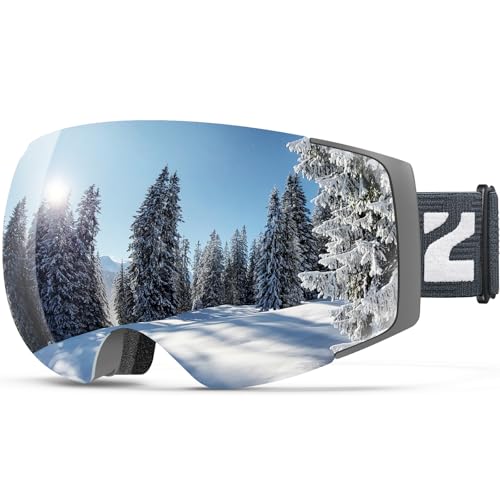
ZIONOR X4 Magnetic Ski Goggles
Sun glare on snow can feel rude, almost personal, especially after the first few runs when your eyes start working overtime. A dark lens helps, but the wrong dark lens can also turn shaded bumps into guesswork, which is why best vlt for ski goggles matters so much with the ZIONOR X4 Magnetic Ski Goggles. This model uses a VLT 8.59% Grey Revo Silver Lens, so it clearly leans toward bright days, sharp reflections, and wide-open slopes where glare reduction matters more than extra light intake.
ZIONOR X4 Magnetic Goggles
The shortened name, ZIONOR X4 Magnetic Goggles, fits the product better than the full mouthful. These goggles feel built around three practical ideas: bright-light control, fast lens changes, and broad visibility. The 8.59% VLT number is not a casual middle-ground lens. It’s a dark lens for sunny conditions, especially where snow glare bounces hard off groomers, bowls, and exposed ridgelines.
The grey frame with grey revo silver lens gives the goggles a clean, serious look without going cartoonish. More importantly, the silver lens coating helps soften intense light instead of letting every reflection blast straight into your eyes. On bluebird days, that kind of glare management can make a ski session feel calmer and less squinty. Still, this lens is not the friendliest pick for heavy clouds or night skiing.
The spherical profile gives the front of the goggles a rounded, open feel. That matters more than style because panoramic vision can reduce that boxed-in sensation cheaper goggles sometimes create. Side awareness feels especially useful around lift lines, busy resort runs, and snowboard traffic cutting across the hill. Nobody wants tunnel vision when the slope gets crowded.
The product description mentions 180+ degree panoramic view, and that lines up with the design goal. A wider view does not magically make every condition easy, but it does help the eyes relax a bit. Less edge interference means less head turning just to check what’s happening nearby. For fast turns and casual cruising alike, that’s a real benefit.
Bright Light Lens Behavior
The VLT 8.59% lens is the headline feature for anyone asking about the best vlt for ski goggles. Visible light transmission tells you how much light passes through the lens, and 8.59% sits firmly in the dark-lens category. That means the lens is better suited for bright sun than gray, stormy afternoons. In plain English, it’s made for glare, not gloom.
On sunny snow, a low-VLT lens can reduce eye strain in a way that feels obvious by midday. Squinting less means your face stays more relaxed, and terrain feels easier to read under harsh sunlight. The Grey Revo Silver Lens should be especially helpful where snow glare gets sharp and metallic. Spring skiing, open trails, and high-altitude brightness are the natural fit.
The tradeoff is low-light visibility. A lens this dark can make shaded tree sections, storm clouds, and late-day laps feel less forgiving. Snow texture may flatten when the sky turns dull, and small bumps can blend into the surface. That’s not a flaw so much as the nature of low VLT ski goggles.
The magnetic lens system helps soften that weakness, assuming other compatible lenses are available. Swapping to a lighter lens for cloudy weather makes more sense than trying to force one dark lens into every condition. The best VLT setup usually means having the right lens for the day, not pretending one tint can handle everything perfectly.
Magnetic Lens System
The 8-magnet lens technology is one of the stronger selling points here. Lens changes can be annoying with older clip systems, especially with cold hands and gloves that feel like oven mitts. Magnets make the process cleaner and faster. That matters when the weather shifts from bright sun to rolling cloud cover while everyone else is still fiddling with gear.
A magnetic system also makes the goggles feel more modern without adding needless complication. The lens sits tight through the magnet layout, according to the provided details, and the design supports replacement for different terrain and light conditions. That flexibility pairs nicely with the dark 8.59% lens. Bright days get the silver lens, while dimmer days call for something lighter.
The obvious concern with magnetic lenses is security. Nobody wants a lens popping loose after a hard bump, quick fall, or awkward chairlift bump from a ski pole. ZIONOR’s description notes that 8 magnets hold the lens tight, which suggests the system is built for real slope movement rather than just easy indoor swapping. Still, rough riders should treat any magnetic lens with a little care.
The bigger benefit is habit-building. Once lens changes become less annoying, people are more likely to use the right tint instead of suffering through the wrong one. That’s a quiet advantage for anyone serious about dialing in ski goggle VLT. Easy changes can mean better vision across more of the day.
Anti Fog And Venting
Fog is the sneaky villain of winter gear. It creeps in during lift rides, after hard runs, and whenever warm breath gets trapped under a face covering. The ZIONOR X4 uses anti-fogging treatment plus optimized vent channels to move air and reduce moisture buildup. That combination is practical because coating alone rarely does all the work.
The smooth venting design matters during stop-and-go resort skiing. Warm air needs a path out, or the inside of the lens can cloud up fast. Better airflow helps regulate temperature behind the lens, especially after a sweaty run. Fog control is not glamorous, but it can decide whether a run feels fun or frustrating.
The provided description also mentions UV400 protection coating. That’s valuable because snow reflects sunlight aggressively, and bright winter conditions can fatigue the eyes faster than people expect. UV protection is different from darkness, by the way. A dark lens reduces visible brightness, while UV protection helps block ultraviolet exposure.
Face coverings can still create problems if they push warm breath upward into the goggles. Even strong anti-fog designs struggle when moisture gets trapped with nowhere to go. Leaving a small breathing gap around the nose area often helps. Not fancy advice, but it saves plenty of runs.
Safety And Frame Feel
The ruggedized lens with ZIONOR’s Enhanced Durability Tech sounds aimed at impact resistance. Skiing and snowboarding bring plenty of small hits, from tree branches and flying ice chips to gear knocked around in the car. A tougher lens gives the goggles a more trustworthy feel. For mountain use, durability matters as much as lens tint.
The frame is built for both men and women, according to the product details. That broad fit approach makes sense for adult resort goggles, though face shape still matters. Some people need a narrower bridge, while others need more cheek clearance. A goggle can be well designed and still not fit every face perfectly.
The spherical build also plays into safety by widening sightlines. More visible space means fewer blind spots while scanning across the slope. Less visual interference can help with reaction time around changing terrain. That’s useful in crowded areas where smooth, predictable movement rarely lasts long.
Still, the dark lens should be respected. VLT 8.59% is not a forgiving number for dim light. A rugged frame and clear wide view won’t fully compensate if the lens is too dark for the weather. Smart lens choice remains part of safe riding.
Pros And Cons
Pros start with glare control. The dark Grey Revo Silver Lens makes sense for bright snow, high sun, and reflective slopes. Eye comfort can improve simply because the lens reduces how much visible light reaches the eyes. For sunny resort days, that’s the product’s strongest lane.
The magnetic lens system is another clear strength. Fast lens replacement supports changing weather without making the process feel like a chore. The 8-magnet setup adds confidence because the lens is designed to stay tight. Convenience and slope practicality meet nicely here.
Anti-fog treatment, UV400 coating, and optimized vent channels round out the functional side. Those features directly address common frustrations: cloudy lenses, harsh sunlight, and stale warm air trapped inside the frame. The panoramic spherical view also helps the goggles feel less restrictive. That wider sightline can make busy slopes feel a bit easier to read.
Cons center on the same dark lens that makes the goggles appealing. The 8.59% VLT may feel too dim for storm skiing, dusk, deep trees, or indoor-style night slope lighting. Riders who ski in mixed weather will likely need a lighter spare lens. Without one, these goggles become more specialized than all-purpose.
The magnetic design also asks for careful handling. Dust, snow, or careless storage around the lens seal could interfere with a clean lens fit over time. A protective pouch helps, but tossing goggles loose into a packed gear bag is asking for scratches. In a separate style-related reference, how to tie head scarf men sits apart from ski optics but still lives in the broader winter-wear conversation.
Best Use Cases
These goggles make the most sense for sunny ski days. The low VLT lens fits open groomers, high-reflection snow, and long chairlift days where glare keeps hammering your eyes. Skiers who mainly ride in clear weather will get the most natural benefit from the lens choice. Cloud-heavy resorts are a less obvious match unless another lens joins the setup.
Snowboarders may appreciate the wide spherical view during carving and side-to-side movement. Board riding often involves more sideways body positioning, so broader peripheral vision feels useful. The 180+ degree panoramic design supports that kind of scanning. It helps reduce the feeling of looking through a narrow slot.
Resort skiers who hate fussy gear may also like the magnetic design. Quick lens handling means less time messing around with clips and more time keeping vision matched to the day. The system feels especially handy for trips where weather changes between morning and afternoon. A spare lens would make the package far more flexible.
These goggles may not be the right pick for someone who only skis at night or mostly rides in foggy, stormy conditions. The dark lens simply has limits. But for bright weather, glare-heavy slopes, and anyone narrowing down the best vlt for ski goggles for sunny conditions, the ZIONOR X4 offers a focused mix of dark-lens control, magnetic convenience, and practical fog management.
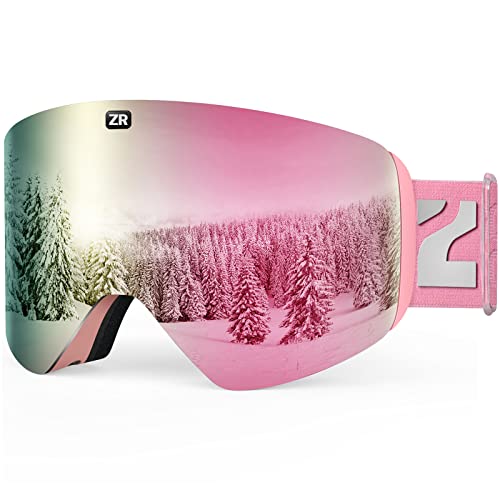
ZIONOR X11 Pink Lens Goggles
A bright ski day can look gorgeous from the lodge window, then punish your eyes the second you hit open snow. Glare bounces everywhere, shadows get weird, and cheap lenses can make terrain feel flatter than it really is. That’s where best vlt for ski goggles becomes more than a gear nerd topic, especially with the ZIONOR X11 Pink Lens Goggles. With a VLT 6% pink lens, magnetic lens changes, OTG spacing, and anti-fog treatment, this model is clearly built for strong sunlight, reflected snow glare, and long resort sessions.
ZIONOR X11 Pink Lens Goggles
The ZIONOR X11 takes a bolder route than many everyday ski goggles because that 6% VLT lens is seriously dark. It’s not trying to be a soft all-weather lens for every cloudy afternoon. It’s aimed at bright mountain days where snow reflection feels sharp and relentless. For skiers who hate squinting through wide-open groomers, that darker lens makes plenty of sense.
The full product name sounds like a gear catalog spilled onto the page, so ZIONOR X11 Pink Lens Goggles keeps things cleaner. The shortened name still captures the heart of the product: magnetic lens swapping, a cylindrical lens shape, and a pink low-VLT tint. That mix gives the goggles a practical identity without pretending they’re made for every possible condition. Clear expectations matter with ski optics.
The magnetic interchangeable lens system is the feature that keeps this dark-lens setup from feeling too boxed in. Since ZIONOR says the system uses 8 magnet spots, the lens is designed to sit tightly while still being easy to replace. That matters because a 6% lens can feel excellent under strong sun but too dim in gray weather. Swapping lenses becomes the smarter path instead of forcing one tint to do every job.
The overall design feels more slope-practical than flashy for the sake of being flashy. The oversized lens, soft foam, bendable TPU frame, and helmet-friendly strap all point toward comfort during longer wear. Not every part feels aimed at expert racers or backcountry purists. The bigger appeal sits in reliable resort use, especially on sunny days with aggressive glare.
VLT 6% And Bright Snow
The VLT 6% pink lens is the main reason these goggles belong in any discussion about the best vlt for ski goggles. Visible light transmission describes how much light passes through the lens, and 6% means very little light gets through. That’s a strength under bright skies. It’s also a limitation once the day turns flat, cloudy, or stormy.
Bright snow reflection can overwhelm the eyes, especially on wide trails with no trees to break the glare. A low-VLT lens helps calm that harsh brightness, so the face doesn’t stay locked in a squint for hours. The mercury-plated lens is described as helping reduce sunlight and reflected snow light, which fits the needs of sunny skiing. That detail matters because snow glare is often more tiring than cold air itself.
The pink lens color adds a bit of personality, but the number matters more than the shade. A 6% lens is not casual. It’s a dark filter for strong light, not a soft contrast lens for storm skiing. Anyone riding under thick clouds may want one of the extra replacement lens options mentioned in the product details.
This is the honest tradeoff: low VLT goggles reduce glare beautifully but can hide detail in weak light. Tree shadows, dusk runs, and heavy snowfall may feel less readable through this lens. That doesn’t make the goggles bad. It simply means the lens choice should match the day, not the other way around.
Magnetic Lens System
The quick change magnetic lens system gives the X11 a useful advantage over fixed-lens goggles. Weather can shift between runs, and nobody enjoys wrestling with frozen tabs while standing near a lift. ZIONOR’s 8 magnet spots are meant to hold the lens securely while keeping swaps simple. That kind of convenience can save a ski day from becoming a constant visibility compromise.
The extra replacement lens selection mentioned in the provided details adds another layer of flexibility. A darker lens can handle sun, while lighter options can better suit cloudy or snowy conditions. That setup makes more sense than chasing one so-called do-it-all lens. Skiing rewards matching gear to light, and goggles are no exception.
Magnetic lenses do require some care, though. Snow, grit, or careless storage around the contact points can make any lens system less pleasant over time. The user still needs to keep the lens area clean and avoid throwing the goggles loose into a packed boot bag. Practical gear stays practical only when it isn’t treated like spare laundry.
The magnetic system also changes the mood of lens ownership. People are more likely to swap lenses when the process doesn’t feel like a tiny engineering project. That’s where the X11 earns points. The design encourages better lens choices without turning every weather change into a gear-table moment.
Fog Control And Eye Protection
Fog can ruin a run before the slope even gets interesting. Warm breath, sweat, face coverings, and cold air all fight inside the goggle frame. The professional inner anti-fog coating is meant to help keep vision clearer during active use. Paired with the dual-layer lens, it gives moisture more resistance before it clouds the view.
The dual-layer cylindrical lens plays a practical role here. Dual-layer builds help reduce temperature differences between the inside and outside lens surfaces. That can slow condensation, especially during lift rides or stop-and-go skiing. It won’t defeat every wet storm, but it’s a sensible design for everyday snow conditions.
UV400 protection adds another important layer because dark lenses alone don’t tell the whole story. Visible darkness helps reduce brightness, while UV protection addresses ultraviolet rays. Snow reflection can make eye protection feel more urgent than it does on a normal cold day. The X11’s mirror coating and UV400 protection work together around that problem.
Face coverings can still create fog trouble if they channel breath straight upward. Even a strong anti-fog setup struggles when warm moisture has nowhere to escape. A small gap around the nose area can make a noticeable difference. Funny enough, tiny fit habits often matter as much as the coating printed on the box.
Fit, Foam, And Helmet Use
The heightening and thickened triple-layer foam gives the goggles a softer feel against the face. Long wear is where foam quality starts to show, because stiff padding can leave marks or pressure points after a few hours. ZIONOR describes the foam as breathable and sweat absorbent, which makes sense for active resort days. Comfort becomes more valuable after lunch than it seemed during the first run.
The bendable TPU frame adds flexibility in cold conditions. Rigid frames can feel harsh against the face, especially when temperatures drop and materials stiffen. A more flexible frame can sit closer and move with small face-shape differences. That helps comfort, but it also helps the seal feel less awkward around helmets and face coverings.
The OTG design makes the X11 more accommodating for prescription glasses. Glasses under goggles can be annoying if the frame pinches temples or presses lenses too close to the face. Extra space helps reduce that cramped feeling. Still, large glasses may not fit every OTG frame perfectly, so realistic sizing expectations matter.
The extra-long adjustable anti-slip strap supports helmet compatibility. A strap that slides around all day can make even good lenses feel irritating. The anti-slip design helps keep the goggles in place through turns, lift rides, and quick adjustments. Stable fit is boring in the best way: you notice it less because it’s doing its job.
Pros And Cons
Pros begin with strong glare control. The 6% VLT pink lens is well suited to bright sunlight, reflected snow, and open ski areas where lighter lenses can feel overwhelming. The mercury-plated lens design is described as helping block sunlight and harmful reflected light. That makes the X11 feel purpose-built for high-brightness days.
The magnetic lens system is another major strength. Lens changes are easier than old clip-style setups, and the 8 magnet spots support a tighter hold. Since there are multiple replacement lens choices mentioned, the goggles can cover more weather types with the right lens swap. That’s a smart answer to changing mountain light.
Comfort also lands in the plus column. Triple-layer foam, a flexible TPU frame, helmet compatibility, and OTG space all solve common annoyances that can ruin longer sessions. These details don’t sound dramatic on paper. On the hill, they decide whether goggles stay comfortable or become the thing you keep adjusting every five minutes.
Cons mostly come from specialization. The 6% VLT lens may feel too dark for storms, dusk, thick clouds, or heavily shaded trails. Riders wanting one simple lens for everything may feel limited unless they use the replacement lens options. Low-VLT goggles shine in sun, but they’re not magic in flat light.
The cylindrical lens shape can also feel different from spherical lenses. Cylindrical designs often look clean and modern, but some people prefer the rounded depth of spherical optics. This isn’t necessarily a dealbreaker. It’s more about visual preference, face shape, and how sensitive someone is to edge feel.
Real Slope Practicality
The X11 makes the most sense as a sunny-day workhorse with room to adapt. The best vlt for ski goggles depends heavily on weather, and this pair starts from the bright-light end of the spectrum. With the right lighter replacement lens, it can stretch into mixed conditions. Without that swap, the pink 6% lens stays best for strong sun.
Resort skiing feels like the natural setting. Lift lines, groomed trails, helmet use, and changing light all match the product’s feature list. The goggles don’t need a wild story to make sense. They simply address glare, fog, lens switching, and comfort in a way that suits everyday mountain use.
Winter gear decisions often overlap in strange little ways, especially once cold rooms, frozen boots, and early-morning starts enter the picture. In a separate cold-weather reference, best space heater that wont trip breaker sits outside ski optics but still relates to the broader problem of staying comfortable when temperatures drop hard.
The X11 should not be treated as a one-lens miracle. It’s better understood as a dark-lens goggle system with comfort features and quick swapping built in. That framing keeps expectations fair. Bright sun, reflected glare, and long wear are its strongest lanes, while storm days ask for a lighter lens and a bit more patience.
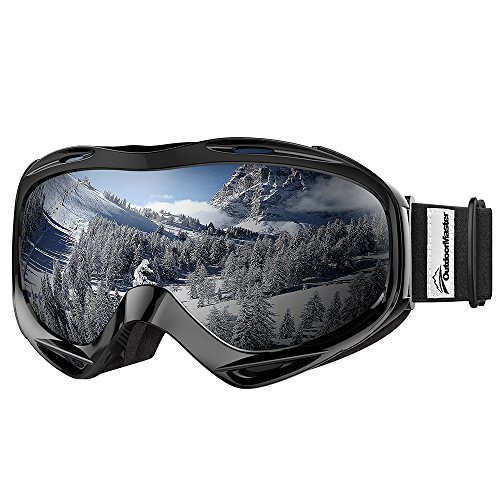
OutdoorMaster OTG Ski Goggles
Snow glare has a way of sneaking up on your eyes before your legs even get tired. A sunny slope can look crisp from the lift, then feel harsh once the light starts bouncing off every patch of packed powder. That’s why best vlt for ski goggles matters so much with the OutdoorMaster OTG Ski Goggles. With a VLT 10% grey lens with REVO silver, this pair sits firmly in bright-light territory while still keeping the design simple, comfortable, and friendly for glasses wearers.
OutdoorMaster OTG Goggles
The shortened name, OutdoorMaster OTG Goggles, gets straight to the point. These goggles are built around over-the-glasses fit, glare control, anti-fog support, and helmet compatibility. That mix makes sense for resort days where comfort can matter just as much as lens tint. A goggle that fights your glasses all day can ruin the mood faster than icy lift seats.
The OTG design is the most practical feature here. Prescription glasses under ski goggles often create pressure around the temples, nose bridge, or cheeks. OutdoorMaster’s frame gives extra space so glasses can sit underneath without feeling jammed into place. That matters for adults and youth alike, especially during longer ski sessions.
The black frame and grey REVO silver lens keep the look clean rather than loud. More importantly, the 10% VLT lens reduces intense brightness on sunny slopes. This is not a soft storm lens or a night-skiing lens. It’s meant for bright days, reflective snow, and outdoor conditions where squinting gets old fast.
The overall build feels focused on everyday usability instead of complicated lens systems. There’s no magnetic lens swap feature in the provided details, so expectations should stay realistic. These goggles lean more toward grab-and-go convenience than frequent lens changes. For many casual resort days, that straightforward approach can be a strength.
VLT 10% Lens Behavior
The VLT 10% grey lens places these goggles in the low-light-transmission category. In plain terms, only a small amount of visible light passes through, which helps soften glare from snow and sun. That makes them a good match for clear weather and bright alpine runs. The lens choice fits the best vlt for ski goggles discussion because it shows how specific conditions should guide the pick.
Bright groomers, spring snow, and open runs can be tiring with the wrong lens. The REVO silver coating helps cut brightness so the eyes don’t feel like they’re constantly bracing against sunlight. Grey lenses also tend to keep colors more natural compared with strongly tinted lenses. That can make the slope feel calmer and less visually noisy.
The tradeoff is obvious once clouds roll in. A 10% VLT ski goggle lens may feel too dark in heavy overcast weather, shaded trees, dusk conditions, or night skiing. Small bumps and shallow ruts can become harder to read when natural light fades. That’s not a product flaw so much as the basic compromise of a darker lens.
Anyone expecting one lens to handle every mountain mood may feel limited here. OutdoorMaster’s provided setup is strongest under sun, not storm. For mixed-weather trips, a lighter lens option would be helpful, though this specific detail was not included in the product information. Fair enough, because not every goggle needs to be a full lens ecosystem.
Fog Control And Optical Clarity
Fog is where many budget-friendly goggles stumble. Warm breath, sweaty climbs from the parking lot, and sudden lift-line stops can all cloud the inside of the lens. OutdoorMaster uses dual-layer lens technology with an anti-fog coated inner lens. That combination targets one of the most common frustrations on snow.
The dual-layer lens helps separate cold outside air from warmer air near the face. That design can reduce condensation compared with a single-lens setup. The anti-fog coating adds another layer of defense, especially during normal downhill movement when airflow keeps things moving. Still, wet storms and face coverings pulled too high can challenge almost any ski goggle.
Optical clarity matters because glare reduction alone isn’t enough. A dark lens that smears details or distorts the edges can make skiing feel awkward. The provided description highlights excellent optical clarity, and that feature fits the needs of riders who want a cleaner view without fussing over technical jargon. Clear terrain reading keeps confidence higher on busy runs.
The UV400 protection adds a practical safety layer. Snow reflects sunlight hard, and long exposure can leave eyes feeling tired even when the air feels cold. UV protection should not be confused with lens darkness, though. Darkness reduces visible brightness, while UV400 protection addresses ultraviolet rays.
Comfort Over Glasses
Glasses compatibility sounds simple until the goggles are actually on your face. Tight frames can push glasses into the nose, bend the arms, or create hot spots around the temples. The over-the-glasses design gives OutdoorMaster a real comfort advantage for anyone who needs prescription frames on the slope. Less pressure means fewer mid-run adjustments.
The soft TPU frame also helps the goggles sit more forgivingly against the face. A stiff frame can feel fine for ten minutes, then start nagging after a few lift rides. Soft TPU has enough flexibility to reduce that rigid, clamped-down feeling. That’s especially useful in colder weather, where hard plastics can feel less friendly.
Youths and adults both appear in the provided fit description, which makes these goggles a practical shared-gear option for families. Fit will still depend on face shape, helmet style, and glasses size. Smaller faces may feel more covered, while larger glasses might need extra checking before a trip. Ski gear always has a little “try it with the whole setup” reality baked in.
The carrying pouch is a small but useful addition. Mirrored lenses can pick up scratches if tossed loose into a gear bag with buckles, tools, or snack wrappers. A pouch won’t replace careful handling, but it helps prevent careless damage. Little storage habits often decide how long goggles stay pleasant to use.
Helmet Compatibility And Fit
The extra-long elastic strap gives these goggles better flexibility with different helmets. Helmet fit can be fussy because some straps slide, stretch awkwardly, or pull goggles too high on the forehead. OutdoorMaster’s strap is designed for universal helmet compatibility, which matters for both adults and teens. A stable strap keeps the lens sitting where it should.
Helmet gaps are more than a style issue. A poorly matched goggle can leave cold air hitting the forehead all day, which gets annoying fast. These goggles aim for easier pairing across helmet styles. That kind of simple compatibility can make rental trips, family trips, and casual weekends much smoother.
The frame shape also supports the everyday resort feel. It doesn’t sound like a race-specific goggle or a technical backcountry model based on the provided details. Instead, the focus stays on comfort, UV protection, anti-fog performance, and glasses-friendly fit. That makes the product feel approachable without pretending to solve every niche problem.
Strap durability matters over time too. Stretchy straps can loosen if stored badly or pulled too aggressively around oversized helmets. The provided information does not claim anything extreme here, so it’s better to keep expectations grounded. Normal care, proper drying, and storage away from sharp gear should help preserve the setup.
Pros And Cons
Pros start with the OTG fit. Glasses wearers often deal with pressure, fog, and awkward spacing, so extra room under the frame is genuinely useful. The goggles are described as suitable for adults and youth, which adds flexibility for shared winter gear. That practical fit advantage is the clearest strength.
The VLT 10% grey REVO silver lens is another strong point for bright weather. Sun glare and snow reflection can wear out the eyes, and this darker lens helps reduce that harshness. The grey tint should also keep the view from feeling overly color-shifted. For sunny resort skiing, that’s a sensible lens choice.
Anti-fog support and UV400 protection add to the usable package. The dual-layer lens with anti-fog coated inner lens targets condensation, while UV protection helps address bright mountain exposure. The soft TPU frame and helmet-friendly strap round out the comfort side. From a practical gear angle, the feature set feels balanced.
Cons begin with low-light limits. A 10% VLT lens can feel too dark in storms, shaded woods, dusk, or night skiing. Riders who often face cloudy weather may want a lighter lens setup instead. This model is better understood as a bright-day goggle, not a one-lens answer for every condition.
The lack of provided interchangeable lens details also matters. Some ski goggles in this category use magnetic or quick-swap systems, but that isn’t part of the supplied OutdoorMaster description. So, lens flexibility should not be assumed. In a separate weather-related reference, best running shoes for wet pavement sits outside ski optics but still relates to grip, visibility, and comfort in slippery outdoor conditions.
Best Fit On The Mountain
The OutdoorMaster OTG Goggles make the most sense for bright ski days where glasses compatibility is a priority. The best vlt for ski goggles depends on weather, and this 10% VLT lens clearly favors sun over flat light. Open groomers, reflective snow, and casual resort laps are where the lens choice feels most natural. Cloud-heavy days ask for more caution.
Adults and teens who wear glasses may get the clearest benefit from the frame design. Comfort over prescription frames is not glamorous, but it can decide whether a ski day feels smooth or irritating. The goggles reduce the need to choose between seeing clearly and wearing eye protection properly. That’s a practical win.
These goggles also suit anyone who prefers simple gear over complicated swaps. No need to manage magnets, spare lenses, or tiny clips based on the provided description. The tradeoff is less adaptability, but the upside is fewer moving parts and a more straightforward routine. Sometimes plain gear earns its place by not being a headache.
Storm riders, night skiers, and people who spend most of their time in thick tree shade should think carefully about the lens darkness. The VLT 10% lens will not be the friendliest option once light drops. For sunny days, though, the mix of OTG comfort, glare reduction, anti-fog design, and helmet compatibility gives the OutdoorMaster model a clear role on the mountain.


Best Green Ski Goggles 2026 For Clear Vision On Slopes
Best Ski Goggles Under 30 Inches For Crisp Vision And Comfort

Best Backcountry Ski Goggles 2026 For Crystal Clear Vision

Best Frameless Ski Goggles Men for Clear Vision and All-Day Comfort
best yellow ski goggles Snow Clarity

Best EXP Vision Ski Goggles 2026 Ultimate Clarity Picks

Discover the Best Mens Ski Goggles of 2026
Best Slim Ski Goggles for Clear Vision, Lightweight Comfort, and a Low-Profile Fit





