
How Do Animals Survive in the Winter?

Animals survive by moving, sleeping, or adapting. Some birds and insects fly south toward reliable food and warmth, while bears and frogs tuck away to rest until spring. The creatures that stay active brave the sub-zero chill by relying on thick winter insulation, hidden pantries of seeds, and sheltered hollows out of the wind.
Which path a creature takes depends on its biology and the local conditions. Warm-blooded mammals and birds burn fuel to generate body heat, whereas cold-blooded reptiles and amphibians survive by letting their heart rates slow to a crawl underground. The amount of snowfall also matters, because a fluffy snowpack traps ground heat to shield tiny mice and voles from bitter air. Learning how outdoor wildlife handles the deep cold explains where backyard animals go and how they thrive without human help.
The Three Main Survival Paths in Cold Weather
When the first severe freeze hits, wild animals do not just cross their fingers and hope for the best. Every creature you see in your backyard or local woods relies on one of three basic survival strategies. They either leave the area, shut their bodies down to wait out the cold, or change their daily habits to face the weather head-on.
The path an animal takes depends heavily on how its body creates heat. Warm-blooded creatures, such as deer, foxes, rabbits, and cardinals, burn food calories to keep their internal body temperature steady. When food disappears, keeping that internal furnace burning becomes an urgent daily battle.
Cold-blooded creatures face an entirely different set of rules. Frogs, toads, turtles, snakes, and insects cannot generate their own warmth. Their bodies take on the exact temperature of the surrounding air, pond water, or soil. If they stay out in sub-zero air, they will freeze solid, so their survival depends on finding frost-free hiding spots or using natural biological tricks to keep their cells intact.
Migration and Moving On to Warmer Ground
The most dramatic way to survive winter is simply to pack up and leave. Many people assume animals migrate just to escape the biting chill, but the primary driver is almost always food. When leafy greens die, berries drop, and insects vanish underground, the landscape stops offering the calories that active animals need to stay alive.
Songbirds, such as warblers and swallows, take flight toward the southern states, Central America, or South America where flying insects remain plentiful. Waterfowl head south as soon as northern lakes and rivers freeze into solid ice, which locks them out of their underwater plant and fish diet. Even monarch butterflies embark on long journeys toward warmer forests in Mexico.
Migration carries immense risk and burns huge reserves of energy. Flying hundreds or thousands of miles through winter storms leaves birds vulnerable to predators, exhaustion, and habitat loss. Yet for species that eat only live insects or water plants, leaving is the only option that prevents guaranteed starvation.
Not all migrations cover thousands of miles. Some mountain animals, like elk and bighorn sheep, practice seasonal elevation shifts. They spend balmy summers grazing high on alpine peaks and then walk down into protected valleys when heavy snow piles up on the heights.
Hibernation and Torpor: How Animals Rest Through the Freeze
Animals that stay in cold climates without migrating must deal with low food supplies and brutal temperatures. Many solve this by putting their bodies into a suspended state. But there is a major difference between a true winter shutdown, a light nap, and a temporary daily slowdown.
Some smaller birds and mammals use torpor (a short deep sleep that saves energy for a few hours or days). Black-capped chickadees and white-footed mice use torpor on bitter nights. They drop their heart rates and allow their body temperatures to drop several degrees. This brief slowdown cuts their calorie burn dramatically, letting them survive until the sun warms the air the following morning.
True hibernation is a much deeper biological commitment. Groundhogs, jumping mice, and certain bats enter this state for months at a time. A hibernating groundhog slows its heart rate from eighty beats per minute down to just four or five. Its body temperature drops from near one hundred degrees Fahrenheit down into the low forties. These animals appear completely lifeless, and waking up takes hours of heavy shivering and energy use.
Bears do not enter true hibernation, even though people often describe them that way. Instead, bears enter a deep winter sleep called denning. Their body temperature drops only slightly, which allows a mother bear to wake up, defend her den, and care for newborn cubs during the dead of winter.
Cold-blooded creatures take winter rest even further. Frogs and turtles burrow into the soft mud at the bottom of ponds, where the water stays at a steady thirty-nine degrees Fahrenheit under the ice. Wood frogs spend winter resting directly under fallen leaves on the forest floor. Their bodies produce natural sugars that act like internal antifreeze, protecting their vital organs even while their skin, blood, and eyes freeze solid until the spring thaw arrives.
Winter Coats and Natural Insulation for Active Wildlife
Animals that stay awake and hunt all winter rely heavily on insulation (a thick layer that traps body warmth so it cannot escape into the air). Just as people pile on warm clothing, animals grow their own specialized thermal barriers during late autumn.
Mammals like red foxes, coyotes, and white-tailed deer grow a dense double coat. The bottom layer consists of short, crinkly wool that traps warm air right against the skin. The outer layer features long, coarse guard hairs that shed rain, repel sleet, and break the wind. Much like humans discover when learning how to keep warm in winter outdoors, keeping dry air trapped close to the body is the secret to surviving harsh wind chills.
Birds use a similar trick with their plumage. A bird will trap warm air by fluffing up its downy feathers, making itself look like a round, feathery ball on a freezing branch. You might also wonder why a duck or duckling does not freeze its bare webbed feet when swimming in slush or standing on ice. Ducks and gulls use a specialized circulatory system where warm blood traveling down from the heart warms the cold blood returning from the feet. While people must figure out ways to keep feet warm during winter, birds naturally keep their feet just above freezing to avoid heat loss without damaging their tissue.
Staying warm requires constant fuel, which is why active winter animals are obsessive planners. Squirrels, nuthatches, and blue jays spend the autumn building a cache (a hidden stash of winter food tucked away under leaves, tree bark, or dirt). A single gray squirrel can bury hundreds of nuts across a yard, returning throughout the winter to dig them up using an incredible spatial memory and a sharp sense of smell.
Living Under the Snow in Secret Warm Pockets
To our eyes, a foot of fresh snow looks like a barren, frozen wasteland. But to small creatures on the ground, deep snow is a life-saving blanket. Snowflakes contain huge amounts of trapped air, making fresh snow cover one of nature's best insulators.
Small mammals spend almost their entire winter inside the subnivean zone (a warm air pocket under the snow where ground heat stays trapped). As snow falls and piles up, heat radiating up from the soil melts the bottom layer of flakes. That melted moisture refreezes into a thin, icy ceiling just an inch or two above the dirt, leaving a network of open runways.
While the open air above the snowdrift might plunge to twenty degrees below zero with brutal wind chills, the temperature down inside the subnivean runways stays right around thirty-two degrees Fahrenheit. Voles, shrews, and field mice live in these protected tunnels all season long. They chew on tender grass roots, eat buried seeds, and stay completely out of the wind.
Predators know all about this hidden world. Red foxes and great horned owls walk or fly slowly across snowfields with their ears angled toward the crust. They can pinpoint the faint rustling of a mouse moving under twelve inches of snow. When a fox spots the sound, it leaps high into the air and dives headfirst through the snow crust to catch its meal.
Steps to Safely Support Backyard Wildlife Without Harming Them
Seeing wild animals brave freezing storms often makes caring homeowners want to step in. But well-meaning human actions can accidentally harm animals by spoiling their wild instincts, disrupting their natural body clocks, or spreading disease. Follow these steps to help local wildlife safely through the coldest months.
- Offer high-fat foods that will not freeze or spoil. Black oil sunflower seeds, plain suet cakes, and unsalted peanuts give backyard birds the dense calories they need to survive freezing nights without spoiling in wet weather.
- Provide an open, unfrozen water dish. Animals burn precious body heat eating frozen snow to hydrate, so keeping a pet-safe heated water bowl outside gives them access to water without draining their energy.
- Use clean, dry straw instead of hay for outdoor animal shelters. If you build an insulated shelter box for outdoor or feral animals, pack it with dry straw, because straw has hollow stalks that trap body heat and repel moisture, whereas hay absorbs wet snow, molds quickly, and freezes into a solid cold block.
- Leave brush piles and fallen leaves in garden beds until spring. Thick piles of sticks and undisturbed leaf mulch create essential shelters where native bumblebees, toads, and small songbirds can hide from bitter winds.
- Keep your distance from known animal dens and brush shelters. Disturbing a resting mammal forces it to burn irreplaceable calories through panic and movement, so stay back and let sleeping animals conserve their strength.
- Never bring healthy wild animals into a heated room to warm them up. Sudden dramatic temperature swings cause severe thermal shock, and warming an animal artificially can cause it to shed natural protective oils from its coat; if an animal is clearly injured, call a licensed local wildlife rehabilitator instead of handling it yourself.
Choosing Winter Wildlife Books for Curious Kids and Classrooms
Teaching children about animal survival transforms a cold, barren winter yard into a living science lesson. When choosing illustrated books about winter wildlife for your home or classroom, look for titles that show real habitat cross-sections rather than just cartoon animals in winter hats.
Check that the book explains all three survival methods: migration, hibernation, and adaptation. Books that feature clear cutaway artwork showing how creatures live under the snow or down in the mud help kids visualize what is happening out of sight. Verify that the book is sized well for little hands, uses durable binding, and provides straightforward explanations of how nature keeps creatures safe.

- BWP Score10.0
BWP Score is a ranking system developed by Bestwinterproducts.com. BWP score has no relationship or impact from any manufacturers or sales agent websites. Learn more
- BrandMajosta

- BWP Score9.8
BWP Score is a ranking system developed by Bestwinterproducts.com. BWP score has no relationship or impact from any manufacturers or sales agent websites. Learn more
- BrandBrand: Crabtree Pub
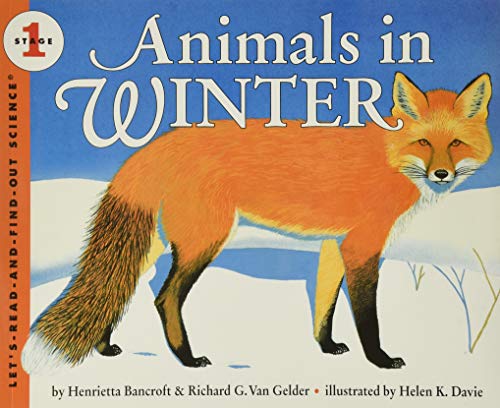
- BWP Score9.6
BWP Score is a ranking system developed by Bestwinterproducts.com. BWP score has no relationship or impact from any manufacturers or sales agent websites. Learn more
- BrandHarperCollins

- BWP Score9.6
BWP Score is a ranking system developed by Bestwinterproducts.com. BWP score has no relationship or impact from any manufacturers or sales agent websites. Learn more
- BrandCapstone Press

- BWP Score9.6
BWP Score is a ranking system developed by Bestwinterproducts.com. BWP score has no relationship or impact from any manufacturers or sales agent websites. Learn more
- BrandMillbrook Press (Tm)

- BWP Score9.4
BWP Score is a ranking system developed by Bestwinterproducts.com. BWP score has no relationship or impact from any manufacturers or sales agent websites. Learn more
- BrandOwlkids

- BWP Score9.4
BWP Score is a ranking system developed by Bestwinterproducts.com. BWP score has no relationship or impact from any manufacturers or sales agent websites. Learn more
- BrandBrand: Creative Teaching Pr

- BWP Score9.4
BWP Score is a ranking system developed by Bestwinterproducts.com. BWP score has no relationship or impact from any manufacturers or sales agent websites. Learn more
- BrandKids Can Press

- BWP Score9.0
BWP Score is a ranking system developed by Bestwinterproducts.com. BWP score has no relationship or impact from any manufacturers or sales agent websites. Learn more
- BrandBrand: Ideals Childrens Books

- BWP Score8.6
BWP Score is a ranking system developed by Bestwinterproducts.com. BWP score has no relationship or impact from any manufacturers or sales agent websites. Learn more
- BrandMajosta
Last update on 2026-10-05 / Affiliate links / Images, Product Titles, and Product Highlights from Amazon Product Advertising API
FAQs
Where do backyard birds go during blizzards?
Birds seek out dense evergreen trees, hollow tree cavities, or thick brush piles to escape the wind. They fluff their down feathers to trap warm body air and often huddle together in small groups to share warmth. Their feet pull up close to their bellies, and they tuck their beaks into their shoulder feathers to prevent heat loss.
Do squirrels remember where they bury their nuts?
Squirrels use a mix of memory and scent to find their hidden food. They remember the general zones where they buried their caches and rely on their sharp sense of smell to pinpoint the exact location through the snow. Even when they miss a buried nut, that forgotten acorn often sprouts into a new oak tree in the spring.
Why do frogs not freeze to death at the bottom of ponds?
Ponds freeze from the top down because ice is less dense than liquid water. The heavy water near the bottom of a pond stays right around thirty-nine degrees Fahrenheit, which is above freezing. Frogs rest in this bottom mud, absorbing tiny amounts of oxygen directly through their skin from the surrounding water until the surface ice melts.
Should you put blankets inside outdoor shelters for winter wildlife?
Never put blankets, towels, or folded fabric inside an outdoor animal shelter. Fabric absorbs moisture from the air, from melting snow, and from the animal's own breathing, quickly turning into a frozen, wet sheet that pulls body heat away from the creature. Always use clean, dry straw, which repels water and traps air in its hollow stems.


Best Warm Winter Scarves 2026 For Cozy Comfort

Best Green Ski Goggles 2026 For Clear Vision On Slopes

12 Best Corner Electric Fireplace 2026: My Ultimate Guide To Pick One

Best Battery Powered Snow Blower 2026 For Effortless Snow Clearing

Best Ski Goggles Under 30 Inches For Crisp Vision And Comfort

Best Cooling Scarf 2026 For Instant Relief And Comfort

Fake Snow for Grass: Create a Realistic Winter Lawn Display

Dimplex Prism Wall Mount Fireplace: Sleek Heat With Modern Flame Style





