
How to Keep Feet Warm During Winter Without Discomfort

How to keep feet warm during winter isn't simply about piling on thicker socks and hoping for the best. Cold feet often come from a combination of moisture, poor circulation, the wrong footwear, and small daily habits that quietly work against comfort. Fixing those problems takes a little strategy instead of guesswork, and that's exactly where lasting warmth begins.
Warmth starts before stepping outside. Dry feet trap heat far better than damp skin, so breathable socks made from wool blends or other moisture-managing fabrics usually outperform bulky cotton pairs. Even the warmest boot can't compensate if sweat gets trapped inside, because moisture pulls heat away surprisingly fast once temperatures drop.
Boot fit deserves just as much attention. Tight footwear squeezes insulation flat and slows natural blood flow, leaving toes chilly even with expensive winter gear. A slightly roomier fit allows insulating air to stay around your feet while giving thick socks enough space to work the way they're supposed to.
Small routines often change everything. Standing still for long periods lets feet cool rapidly, while gentle movement keeps circulation active without much effort. Wiggle your toes, shift your weight occasionally, or take a short walk whenever possible. Those tiny actions may seem insignificant, yet they help your body continue sending warmth toward your feet.
Indoor habits matter too. Cold floors quietly drain heat through thin slippers or bare feet, especially on tile or concrete surfaces. Wearing insulated house shoes or placing rugs where you spend the most time creates a noticeable difference without changing the thermostat.
Layering works better than simply choosing the thickest materials. Pairing moisture-wicking liner socks with insulated outer socks can provide steady warmth while limiting sweat buildup. The result feels balanced instead of bulky, making everyday activities much more comfortable throughout the colder months.
How to keep feet warm during winter also depends on realistic expectations. Spending hours outside in freezing temperatures may require insulated boots, removable liners, or disposable foot warmers, while quick errands usually don't demand that level of protection. Matching your footwear to the weather avoids unnecessary discomfort and prevents overheating indoors.
Little details add up faster than many people expect. Dry boots overnight, replace worn insoles before they flatten completely, and avoid wearing damp footwear again the next morning. Those practical habits help maintain insulation, reduce odor, and keep your feet consistently comfortable whenever cold weather rolls around.

- BWP Score9.2
BWP Score is a ranking system developed by Bestwinterproducts.com. BWP score has no relationship or impact from any manufacturers or sales agent websites. Learn more
- BrandHotHands

- BWP Score9.2
BWP Score is a ranking system developed by Bestwinterproducts.com. BWP score has no relationship or impact from any manufacturers or sales agent websites. Learn more
- BrandHotHands
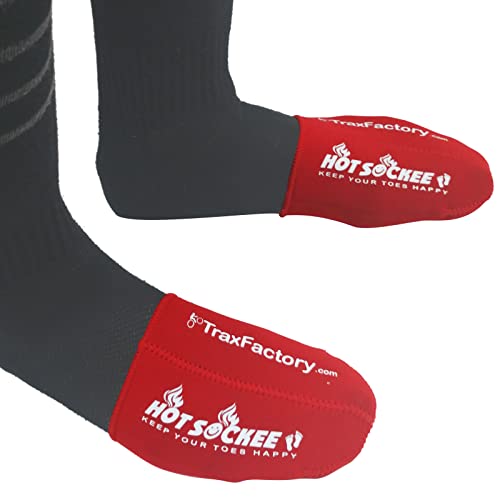
- BWP Score8.4
BWP Score is a ranking system developed by Bestwinterproducts.com. BWP score has no relationship or impact from any manufacturers or sales agent websites. Learn more
- BrandHot Sockee
- BWP Score8.2
BWP Score is a ranking system developed by Bestwinterproducts.com. BWP score has no relationship or impact from any manufacturers or sales agent websites. Learn more
- BrandHot Sockee

- BWP Score8.2
BWP Score is a ranking system developed by Bestwinterproducts.com. BWP score has no relationship or impact from any manufacturers or sales agent websites. Learn more
- BrandPAMASE

- BWP Score-
BWP Score is a ranking system developed by Bestwinterproducts.com. BWP score has no relationship or impact from any manufacturers or sales agent websites. Learn more
- BrandSunnyBay

- BWP Score-
BWP Score is a ranking system developed by Bestwinterproducts.com. BWP score has no relationship or impact from any manufacturers or sales agent websites. Learn more
- BrandKLADNDER

- BWP Score-
BWP Score is a ranking system developed by Bestwinterproducts.com. BWP score has no relationship or impact from any manufacturers or sales agent websites. Learn more
- BrandNEWGO

- BWP Score-
BWP Score is a ranking system developed by Bestwinterproducts.com. BWP score has no relationship or impact from any manufacturers or sales agent websites. Learn more
- BrandHappy Hippo

- BWP Score-
BWP Score is a ranking system developed by Bestwinterproducts.com. BWP score has no relationship or impact from any manufacturers or sales agent websites. Learn more
- BrandSfcddtlg

- BWP Score-
BWP Score is a ranking system developed by Bestwinterproducts.com. BWP score has no relationship or impact from any manufacturers or sales agent websites. Learn more
- BrandMR.ICE

- BWP Score-
BWP Score is a ranking system developed by Bestwinterproducts.com. BWP score has no relationship or impact from any manufacturers or sales agent websites. Learn more
- BrandHotHands
Last update on 2026-07-31 / Affiliate links / Images, Product Titles, and Product Highlights from Amazon Product Advertising API
How To Keep Feet Warm During Winter Without Sweaty Toes
Cold toes can ruin an otherwise manageable winter day, whether you’re clearing the driveway, standing at a chilly train platform, or working beside a drafty window. Throwing on the thickest socks in the drawer seems sensible, but that move often creates sweat, cramped footwear, and feet that feel even colder later. Learning how to keep feet warm during winter means controlling moisture, preserving circulation, and matching insulation to the activity instead of blindly adding bulk. The right routine keeps warmth steady without leaving your feet clammy, squeezed, or desperate for relief by lunchtime.
Start With Dry Feet And Dry Gear
Moisture steals warmth faster than many people expect. Damp skin loses heat quickly, especially once activity slows and sweat begins cooling inside the shoe. Dry your feet fully after bathing, including the spaces between the toes, before putting on winter socks. That small habit gives insulation a dry foundation instead of trapping leftover moisture against the skin.
Boots also need time to dry between outings. A pair that feels only slightly damp in the morning can become cold and clammy within minutes, particularly around the toe box and removable liner. Pull out the insoles, loosen the laces, and place the boots in a ventilated indoor area after use. Dry footwear holds insulating air more effectively and is less likely to develop stubborn odors.
Avoid placing wet boots directly against intense heat from a radiator, wood stove, or open flame. Excessive heat can dry leather unevenly, weaken adhesives, and damage waterproof membranes. A boot dryer that uses gentle air can help, but plain airflow and patience often do the job. Stuffing boots loosely with dry newspaper can also absorb moisture, though the paper may need to be changed more than once.
Carry a spare pair of socks during long shifts, winter hikes, or outdoor events. Changing into a dry pair midway through the day can feel far more effective than adding another layer over damp fabric. Store the spare socks in a sealed bag so snow, spilled drinks, or condensation can’t reach them. A dry sock change is simple, low-cost, and surprisingly effective when the day stretches longer than planned.
Choose Socks That Manage Sweat
Cotton socks feel familiar, yet they tend to hold moisture once feet begin sweating. That moisture stays close to the skin and can leave toes feeling chilled as soon as movement slows. Wool and wool-blend socks usually manage moisture better while continuing to insulate when slightly damp. Merino wool is especially popular because it feels softer than traditional coarse wool and handles temperature changes without excessive bulk.
Sock thickness should match the space inside the shoe. A thick expedition sock stuffed into a snug everyday boot can compress the toes and restrict blood flow, defeating the purpose of the insulation. Medium-weight socks often perform better in fitted work boots, while heavier socks suit roomier winter footwear. Proper sock thickness matters more than simply choosing the chunkiest pair available.
Liner socks can help during long, active days. A thin synthetic or wool-blend liner moves moisture away from the skin while an outer sock provides insulation and cushioning. This two-layer setup may also reduce friction around the heel during extended walking. Still, it only works if the boot has enough room for both layers without squeezing the foot.
Replace socks that have become thin at the heel, flattened under the forefoot, or stretched around the cuff. Worn fibers trap less air, so an old thick sock may insulate worse than a newer medium-weight pair. Keep seams smooth and avoid bunching near the toes, where pressure points quickly become annoying. Fresh, well-fitting socks support warmth while making the whole shoe feel more comfortable.
Protect Circulation Inside Your Boots
Warm feet need more than insulation; they also need steady blood flow. Tight laces, narrow toe boxes, and too many sock layers can squeeze the foot enough to reduce circulation. Toes should be able to wiggle slightly without sliding around inside the boot. Room around the toes creates space for insulating air while reducing pressure across the forefoot.
Loosen the lower laces if numbness begins near the toes, but keep the ankle secure enough to prevent heel movement. Many boots allow separate tension across the forefoot and upper shaft, so the entire boot doesn’t need to feel equally tight. Experiment indoors before heading into deep cold. A secure heel paired with a relaxed toe area often feels warmer and more stable than a uniformly tight fit.
Foot swelling can also change fit throughout the day. Long periods of standing, heavy walking, and warm indoor breaks may cause boots that felt fine in the morning to become restrictive later. Pay attention to tingling, pressure, or numbness rather than assuming the cold alone is responsible. Adjusting the fit early can prevent a minor annoyance from turning into painfully cold toes.
Heavy winter conditions call for footwear designed with insulation and room for thicker socks. To handle deep snow, slush, and long periods outdoors, compare mens pac boots built with removable liners and weather-resistant shells. Pac-style construction can provide stronger protection than a regular leather work boot, though the extra weight may feel cumbersome for fast walking or indoor use. Match the boot to the conditions instead of wearing maximum insulation for every winter errand.
Match Insulation To Your Activity
A brisk walk generates more body heat than standing beside a sports field or waiting for a bus. Wearing heavily insulated boots during constant movement may lead to sweating, while lightly insulated shoes can feel miserable during stationary tasks. Consider how much time will be spent moving versus standing still. Activity level should guide insulation just as much as the outdoor temperature.
Short errands usually don’t require the same setup as snow removal or a full day outside. For quick trips, dry wool-blend socks and weather-resistant shoes may be enough. Longer exposure may call for insulated boots, thermal insoles, gaiters, or foot warmers. Building the setup around the actual outing keeps feet warm without making them overheat indoors.
Office environments create a different problem. Heavy boots may handle the commute but become sweaty and uncomfortable beneath a desk for several hours. Keep indoor shoes at work, change out of damp commute socks, or use a small footrest to lift feet away from a cold floor. For broader desk comfort, consider a heated blanket for office use so the whole body stays warmer without relying only on thick footwear.
Whole-body warmth affects the feet more than people sometimes realize. The body protects its core first, so cold legs, hands, and torso can lead to reduced warmth in the extremities. Wear a proper coat, protect the head and neck, and use insulated pants when conditions demand them. A warm core makes it easier for the body to maintain comfortable circulation all the way down to the toes.
Add Insulation Under The Foot
Cold often enters from below, especially while standing on concrete, frozen ground, tile, or metal flooring. Standard insoles may provide cushioning but very little thermal resistance. Felted wool, foam, or reflective winter insoles can reduce heat loss through the sole. Underfoot insulation is particularly useful for warehouse floors, ice fishing, outdoor vending, and long waits at winter events.
Extra insoles reduce interior volume, so check the fit carefully after adding them. A thick thermal insole that pushes the foot upward can create pressure across the top of the toes or heel. Remove the original liner if the boot design permits rather than stacking multiple insoles without checking space. The warmest insert won’t help if it makes the boot uncomfortably tight.
Reflective insoles are often marketed as if they create heat, but they mainly slow heat transfer and reflect some warmth back toward the foot. Their performance depends on boot fit, activity, outside temperature, and the materials around them. A reflective layer may feel useful in a roomy boot, yet it can’t replace adequate insulation in severe cold. Realistic expectations prevent disappointment and help build a balanced setup.
At home, cold floors deserve the same attention. Thick-soled slippers, wool house shoes, and area rugs create a barrier between the feet and tile or concrete. Thin socks alone often lose heat quickly against a cold surface, no matter how warm the room feels higher up. Breaking contact with the floor can provide more comfort than raising the thermostat several degrees.
Use Foot Warmers Without Creating Hot Spots
Disposable air-activated foot warmers can help during outdoor work, hunting, stadium events, or long periods of standing. Place them according to the manufacturer’s directions, usually on top of the sock near the toes rather than directly against bare skin. They require oxygen to function, so extremely tight footwear may reduce their effectiveness. Correct placement also lowers the chance of uncomfortable hot spots.
Toe warmers shouldn’t compensate for soaked socks or poorly fitting boots. Heat added to a damp, cramped environment may feel good briefly, but the underlying moisture and circulation problems remain. Treat warmers as a supplemental tool rather than the entire strategy. Dry socks, enough toe room, and suitable insulation should still do most of the work.
Rechargeable heated socks offer adjustable warmth, though they bring tradeoffs. Batteries add bulk around the calf or ankle, charging becomes another task, and aggressive heat settings can increase sweating. Start on a lower setting and raise it only if needed. Moderate steady heat often feels better than running maximum warmth until the socks become damp.
People with reduced sensation, circulation concerns, or certain medical conditions should be especially cautious with heated products. Skin may become too hot before discomfort is noticed, particularly during long stationary periods. Follow product instructions and inspect the skin regularly during use. Heat should feel gentle, never sharp, burning, or irritating.
Keep Warmth From Escaping At The Ankles
Snow and cold air often enter through the boot opening. Pants that ride up while walking can expose the ankle, while loose cuffs allow wind to move inside the footwear. Tuck base-layer cuffs neatly into socks or use gaiters over the boot opening during deep snow. Sealing the ankle area helps preserve the warm pocket of air inside the boot.
Avoid stuffing bulky pant legs deep into fitted boots. Extra fabric can create pressure points, trap moisture, and interfere with circulation around the ankle. Slim thermal layers fit more comfortably beneath most winter boots. Outer snow pants can sit over the boot shaft to shed moisture away from the opening.
Gaiters are useful for shoveling, hiking through powder, or walking across wet brush. They prevent snow from falling into the boot and help keep socks and pant cuffs dry. Low gaiters suit slushy sidewalks and light snow, while taller models provide better coverage in deeper conditions. Dry ankles and cuffs make it easier to maintain warmth throughout the entire foot.
Indoor drafts can create similar trouble around the ankles. Long socks, cuffed slippers, or a lap blanket can stop cool air from moving up pant legs while sitting still. Separately, a television installed above a fireplace can affect room layout and heat exposure, so review how to mount tv over gas fireplace before arranging electronics near a major heat source. Balanced room heating should warm the sitting area without placing sensitive equipment too close to rising heat.
Move Enough To Maintain Natural Heat
Standing still lets feet cool rapidly, even inside well-insulated boots. Gentle movement activates the calf muscles, which help support blood flow back through the legs. Shift weight from foot to foot, perform small heel raises, or walk a short loop whenever the setting allows. Regular movement can restore warmth without requiring a full workout.
Toe wiggling helps, but it shouldn’t be the only motion. Bend and straighten the ankles, lift the heels, and flex the calves to involve more of the lower leg. These movements fit easily into a bus stop wait, a sideline shift, or a long workday on concrete. A minute of movement every so often may feel more useful than waiting until the toes are already numb.
Take breaks before discomfort becomes severe. Step indoors, remove wet outer layers, loosen the boots, and let trapped moisture escape. Replace damp socks if needed rather than trying to warm them while they remain on the feet. Early intervention is easier than recovering after cold has settled deep into the toes.
Movement has limits in severe weather. Strong wind, wet conditions, and long exposure can overwhelm ordinary footwear despite frequent walking. Shorten the outing, add shelter breaks, or switch to footwear made for harsher conditions rather than relying on activity alone. Warmth is a system, and movement works best alongside dryness, insulation, circulation, and weather protection.
How To Keep Feet Warm During Winter At Home And Outside
A solid sock-and-boot setup solves only half the problem if daily habits keep undoing the warmth you’ve built. Cold floors, damp entryways, overheated rooms, forgotten boot care, and long stretches of sitting can all send your toes right back to square one. A practical approach to how to keep feet warm during winter needs to work across the whole day, from the first chilly steps out of bed to the moment your boots come off at night. The next steps focus on keeping heat steady, correcting common mistakes, and knowing when ordinary cold discomfort deserves closer attention.
Build A Warmer Routine At Home
Cold feet often begin before anyone steps outside. Tile, hardwood, concrete, and poorly insulated floors pull warmth through thin socks, especially during quiet mornings or long evenings on the couch. Wear insulated slippers with a real sole rather than soft fabric booties that flatten against the floor. A cushioned barrier under the foot reduces direct heat loss and makes the room feel more comfortable without pushing the thermostat higher.
Rugs help most in the places where feet stay planted for several minutes. Put them beside the bed, beneath a desk, near the kitchen sink, and in front of a favorite chair. Small washable rugs are easier to dry and clean after wet winter footwear passes through the room. Strategic floor coverage often matters more than covering every inch of the house.
Keep slippers and indoor socks dry throughout the day. Wearing the same pair after stepping onto a damp bathroom floor or handling snow near the entryway traps moisture against the skin. Swap damp socks early instead of waiting for them to feel obviously cold. Dry indoor layers preserve warmth and help prevent that clammy feeling that lingers long after the moisture source is gone.
Room heating should warm the space evenly rather than blasting one chair with intense heat. Sitting too close to a heater may warm the front of the feet while leaving the soles and heels cold, and it can encourage sweating inside thick socks. Gentle room heat, a footrest, and a light blanket over the legs create a more balanced setup. Steady warmth usually feels better than alternating between overheated skin and a cold draft.
Prevent Sweat During Indoor And Outdoor Transitions
Winter errands create an awkward cycle. Heavy boots feel comfortable outdoors, yet they quickly become hot inside grocery stores, offices, restaurants, and heated cars. Sweat collects while the body is warm, then cools as soon as the person returns outside. Managing transitions stops that moisture from turning a decent pair of boots into a cold, damp enclosure.
Loosen boot laces during long indoor periods so heat and moisture can escape. Remove a hat or coat before the body overheats, since excess core heat often increases foot perspiration too. If the indoor stay will last several hours, change into lightweight shoes and let the boots air out. Temperature control works better when the whole outfit adjusts, not just the footwear.
Keep spare shoes under a desk or in a locker during the workweek. Lightweight indoor footwear gives winter boots time to dry and prevents heavy insulation from feeling oppressive in a warm building. Pair those shoes with a dry set of socks after a wet commute. This simple switch protects foot comfort while extending the useful life of boot liners and insoles.
Plan clothing around the coldest and warmest parts of the day. Removable layers make it easier to cool down before sweat builds, then bundle up again before stepping outside. That approach may seem fussy at first, but it quickly becomes second nature. Preventing moisture takes less effort than trying to rewarm damp feet after the temperature drops.
Solve Sock Seams And Pressure Points
A thick sock won’t feel warm for long if a seam presses against the toes. Raised stitching can rub inside a snug boot, creating irritation that makes every step more noticeable. It may also encourage someone to curl or reposition the toes in ways that restrict natural circulation. Smooth sock construction matters during long walks, standing shifts, and any outing that keeps footwear on for hours.
Turn problem socks inside out and inspect the toe area before assuming the boot is at fault. Bulky seams, loose threads, or fabric bunching can create pressure even when the overall fit seems correct. People who regularly feel rubbing near the nails or toe tips may benefit from seamless toe socks that reduce raised stitching in sensitive areas. The goal is less friction, not simply adding more padding around an already crowded foot.
Sock cuffs deserve attention as well. A tight elastic band can leave deep marks around the calf or ankle and may feel uncomfortable during long periods of sitting. Look for cuffs that stay up without digging into the skin. Gentle support keeps the sock in position while allowing the lower leg to move naturally.
Keep toenails trimmed so they don’t press into neighboring toes or the front of the boot. Long nails can make a correctly sized shoe feel too short, especially while walking downhill or descending stairs. Trim straight across and smooth sharp edges rather than cutting deeply into the corners. Basic foot care removes small sources of pressure that become much more irritating in winter footwear.
Warm Cold Feet Gradually And Safely
Coming indoors with numb toes can create a strong urge to use the hottest available heat source. Placing feet against a radiator, heating vent, fireplace, or very hot water may warm them quickly, but numb skin can’t always judge temperature accurately. Start by removing wet footwear and replacing damp socks with dry ones. Gradual rewarming is more controlled and reduces the chance of overheating sensitive skin.
Use comfortably warm water rather than water that feels hot to the hands. Dry the feet thoroughly afterward, then put on clean socks and insulated slippers. Gentle ankle movement and a warm drink may also help the body settle back into a comfortable temperature. Slow, even warmth is the aim, not an intense burst of heat.
Fireplaces can make a room feel cozy while leaving areas near exterior walls or floors surprisingly chilly. Drafts, damaged seals, and neglected masonry may create uneven heating around the sitting area. To correct aging surfaces and improve the space around an existing hearth, review how to restore a fireplace before attempting repairs that involve cracked mortar, damaged brick, or worn finishes. Safe fireplace upkeep supports a more comfortable room without encouraging anyone to sit dangerously close to direct heat.
Avoid rubbing numb toes aggressively. Strong friction can irritate cold skin, particularly if it’s already swollen, pale, or tender. Instead, use dry layers, mild movement, and a protected indoor environment. Gentle care gives sensation time to return without adding unnecessary pressure.
Recognize When Cold Feet Need More Attention
Ordinary winter chill usually improves after changing socks, moving around, or entering a warm space. Persistent numbness, severe pain, unusual skin color, or a loss of coordination deserves more caution. White, gray, bluish, or waxy-looking skin can signal that the tissue has become too cold. Visible skin changes shouldn’t be brushed off as a routine winter annoyance.
Seek medical help if feeling doesn’t return after careful rewarming or if blisters appear after cold exposure. Don’t walk unnecessarily on a foot that remains numb or painful, because reduced sensation can hide additional injury. Keep the area protected and avoid direct high heat while arranging appropriate care. Early attention can reduce the risk of a more serious cold-related injury.
Repeatedly cold feet in mild conditions may have causes beyond the weather. Footwear fit, limited movement, medication effects, circulation issues, and other health factors can all influence temperature sensation. Keep track of when the cold occurs, how long it lasts, and whether one foot feels different from the other. Consistent patterns give a healthcare professional more useful information than a vague description of occasional cold toes.
People with diabetes, reduced sensation, circulation problems, or previous cold injuries need to be especially careful with heated socks, pads, and foot warmers. A product may become too hot without producing a strong warning sensation. Check the skin often and follow any care guidance already provided by a clinician. Extra caution matters more than pushing for maximum heat.
Create A Simple Daily Winter Foot Checklist
Morning preparation should begin with dry skin, clean socks, and footwear that has fully aired out overnight. Check the forecast and think about the day’s actual activity before grabbing the heaviest boots available. A long outdoor shift needs more insulation than a quick drive to a heated building. Matching gear to the day prevents both cold exposure and unnecessary sweating.
Before leaving, wiggle the toes and walk around for a minute to test the fit. Pressure across the top of the foot, cramped toes, or tingling means the setup is too tight. Remove an extra sock layer or loosen the forefoot lacing before the problem follows you outside. A quick fit check saves far more time than stopping later to fix numb feet.
During the day, respond to dampness and pressure early. Change socks, adjust laces, move the legs, or step indoors before discomfort becomes intense. Waiting until the toes feel painfully cold makes recovery slower and can cut an outing short. Small corrections keep minor problems from snowballing.
At night, remove insoles, open the boots wide, and place everything in a dry area with good airflow. Wash socks according to their care instructions so wool fibers, elastic cuffs, and moisture-managing materials keep doing their jobs. Inspect the soles and liners for wear, since flattened cushioning and cracked materials allow more cold to reach the feet. Daily boot care prepares the same gear to perform reliably the next morning.
Adjust The Plan For Different Winter Situations
Walking a dog calls for flexible footwear that handles movement, wet sidewalks, and brief stops. Medium insulation, moisture-managing socks, and dependable traction usually feel more practical than oversized expedition boots. Keep the pace steady enough to maintain body heat without working up heavy sweat. Moderate protection suits routines that mix walking with short stationary periods.
Standing at a game, parade, worksite, or outdoor market requires more insulation because the body generates less heat. Use a roomy boot, thermal insole, dry wool-blend socks, and scheduled movement breaks. A foam pad or piece of insulated material beneath the feet can reduce heat loss into frozen concrete or metal platforms. Stationary cold needs a stronger barrier underfoot than active walking does.
Driving presents a different tradeoff. Extremely bulky boots may feel warm outside but interfere with smooth pedal control or become uncomfortable in a heated vehicle. Keep driving footwear flexible and change into heavier boots after parking if conditions require them. Safe movement should never be sacrificed merely to wear the warmest boot available.
Indoor desk work often responds well to a footrest, dry socks, lined slippers, and regular walking breaks. Avoid tucking the feet beneath the chair for hours, since that position may increase pressure behind the knees and make the lower legs feel colder. Stand, stretch, and walk briefly between tasks. Frequent light movement supports warmth without turning the workspace into a sauna.
Balance Warmth With Comfort And Practicality
The warmest possible setup isn’t automatically the most useful one. Heavy boots, doubled socks, heated insoles, and toe warmers may feel excessive during short errands or active chores. Too much insulation can create sweat, fatigue, and restricted movement. Balanced warmth keeps the feet comfortable without making ordinary tasks awkward.
Budget matters, but warmth doesn’t require replacing every piece of winter gear at once. Start with dry socks, better boot care, enough toe room, and an insulated insole if the footwear allows it. Replace worn items based on the weakest point in the current setup. Targeted upgrades often produce a bigger improvement than buying several random accessories.
Comfort also depends on personal sensitivity and daily conditions. One person may need a thick wool sock at the same temperature where another prefers a lightweight blend. Pay attention to sweat, pressure, and recovery time rather than copying someone else’s exact setup. Your own feedback is the most useful guide for adjusting layers.
Keep the routine simple enough to repeat. Dry the gear, protect circulation, manage sweat, insulate against cold surfaces, and move before numbness begins. Those habits address the common reasons warmth disappears instead of relying on a single product to do everything. Consistent winter foot care turns cold-weather comfort into a repeatable process rather than a daily guessing game.

Best Warm Winter Scarves 2026 For Cozy Comfort

Best Green Ski Goggles 2026 For Clear Vision On Slopes

12 Best Corner Electric Fireplace 2026: My Ultimate Guide To Pick One

Best Battery Powered Snow Blower 2026 For Effortless Snow Clearing
Best Ski Goggles Under 30 Inches For Crisp Vision And Comfort

Best Cooling Scarf 2026 For Instant Relief And Comfort

Fake Snow for Grass: Create a Realistic Winter Lawn Display

Dimplex Prism Wall Mount Fireplace: Sleek Heat With Modern Flame Style





