
How Do Horses Stay Warm in the Winter?

Fill the hay feeder before reaching for a heavy blanket. A horse stays warm primarily from the inside out, because digesting fibrous hay acts like an internal furnace that constantly radiates core heat. On the outside, their dense winter hair puffs up to trap an insulating layer of warm air directly against the skin.
That built-in defense relies on a few critical basics. Cold rain and howling wind can soak and flatten the hair, which destroys that warm air pocket and leaves a horse shivering without a dry run-in shed. Older horses, thin animals, or horses without clean, unfrozen water also lose body heat much faster. Here is how their natural heating system works, along with the clear signs that reveal when to step in.
Does eating hay really keep a horse warm?
Horses generate most of their winter body heat from the inside out. When freezing weather arrives, many people assume a horse needs extra grain, sweet feed, or corn to build warmth. In reality, digesting hay in the gut is what powers a horse's internal heating system. A horse has a massive digestive chamber called the cecum and large colon, located in the hindgut. This chamber is filled with billions of beneficial microbes that break down fibrous plant stems through fermentation.
This digestive process works just like a slow-burning wood stove. As these gut microbes break down long-stem forage like grass hay, orchard grass, or timothy, they produce heat as a natural byproduct. That heat radiates outward through the horse's internal organs, warming the blood and keeping the core body temperature steady. Grains and sugary concentrates do not work this way. Starch and sugars break down quickly in the stomach and small intestine, giving the horse a quick burst of energy with very little heat release.
The amount of hay matters just as much as the type. For every drop in temperature below a horse's comfort zone, usually around 18°F to 30°F depending on their coat, their energy needs rise. You can expect a horse to need roughly 15 to 20 percent more forage for each drop of 10 degrees below that threshold. Tossing out extra flakes of coarse grass hay before an icy night gives the horse fuel to burn all night long.
Digesting all that dry fiber requires a constant supply of water. If a horse stops drinking because their water trough is frozen solid, the internal furnace shuts down. Dry forage packs tightly inside the intestines without moisture, which can cause impaction colic and stop digestion completely. Providing clean, unfrozen water between 45°F and 65°F ensures the horse drinks enough to keep their digestive fire burning steadily.
Why does a horse fluff its coat in snow?
If you look out across a snowy paddock, you might see horses looking twice as wide as they did in the summer. This puffiness comes from hair standing on end to trap heat. Every individual hair follicle has a tiny muscle attached to its root. When the air turns crisp, the horse's nervous system signals those muscles to tighten, lifting the hair shafts straight up away from the skin surface.
This upright hair creates a thick cushion of trapped, still air around the body. Trapped air is one of the best thermal insulators in nature, working on the exact same principle as a down winter coat or double-pane window glass. The horse heats that trapped air with their own body warmth, creating an invisible thermal barrier that stops freezing winds from touching the skin. Managing body temperature in this way lets a healthy horse stand comfortably in sub-zero weather without losing body heat.
A horse's coat also contains natural grease called sebum. Sebaceous glands produce this waxy oil, which coats each hair shaft from root to tip. This oil creates a water-repellent seal across the outer edge of the fur. Snow that lands on the horse rests on the hair tips without melting, because no body heat escapes through the trapped air layer to melt the flakes.
Seeing an unbroken layer of white snow sitting across a horse's back and hips is actually a great sign. It proves that the horse's natural insulation is working perfectly. The skin underneath stays dry and warm, while the snow above acts like an extra protective roof. If snow falls on a horse and melts immediately into a wet, slushy sheen, that means valuable heat is escaping through a thin or compromised coat.
Is winter rain or deep snow worse for horses?
Dry snow rarely bothers a healthy horse, but cold winter rain can become dangerous very quickly. Deep snow simply rests on top of dry guard hairs, easily brushed off by a quick roll or a brisk shake. Cold drizzle or sleet between 33°F and 40°F, on the other hand, soaks past the natural oils and mats the hair flat against the skin.
When hair mats flat, the trapped air pockets collapse completely. Without that layer of trapped dead air, the horse loses all natural thermal protection. Water conducts body heat away from the skin roughly 20 to 25 times faster than dry air. Once a horse is soaked to the bone, their core body temperature can drop fast, forcing them to burn through body fat reserves at an alarming speed.
Biting wind makes a wet horse's situation far more severe. Wind parts the flattened hair strands and blows straight against wet, cold skin, multiplying the chill factor. A calm, dry day at 10°F is far easier for a horse to manage than a windy, rainy afternoon at 38°F. While you might be focusing on how to keep warm in winter outdoors during barn chores, your horse relies on their surroundings to escape that wet chill.
Horses must have access to a windbreak or a three-sided run-in shed to stay safe from wet weather. The shelter should face away from prevailing winter winds so driving rain cannot blow inside. Bedding the shed floor with clean, dry straw provides a warm, dry refuge. Clean straw has hollow stalks that trap body heat and repel moisture, whereas hay absorbs moisture, molds quickly, and freezes into a solid cold block if used as bedding.
Which horses actually need a winter turnout blanket?
Many well-meaning owners put heavy blankets on their horses simply because the owner feels freezing in a light jacket. Putting blankets on horses that do not need them can do more harm than good. A heavy rug flattens a horse's natural hair coat, destroying its ability to trap warm air. If the afternoon sun comes out, a blanketed horse can easily sweat, and that trapped sweat leaves them damp and chilled once nighttime temperatures drop.
Some horses do just fine without any blankets at all, while others depend on human help to survive the winter safely. Use this quick checklist to decide whether your horse needs a protective winter coat:
- Unclipped, healthy adults: Do not need a blanket. If they have a thick, natural winter coat, good body weight, constant hay, and access to a run-in shelter, their natural defenses are enough.
- Body-clipped horses: Must have a blanket. If you shave a horse's coat for winter training, you have removed their built-in insulation, so you must replace it with a waterproof outdoor horse coat.
- Senior horses and hard keepers: Often need a blanket. Older horses with worn teeth cannot chew enough fibrous hay to power their hindgut furnace, and thin horses lack insulating body fat.
- Horses without shelter: Need a waterproof turnout sheet during prolonged cold rain or wet snow to prevent their coats from soaking through to the skin.
- Unacclimated horses: Need blanket protection. A horse moved suddenly from a warm southern climate to a northern winter pasture has not had time to grow a dense, protective coat.
How do you check if your horse is too cold?
Horses are stoic herd animals that hide discomfort until they are in serious distress. You cannot tell if a horse is comfortable just by glancing across the field from your kitchen window. You need to walk out, touch the horse, and check specific warning signs every day.
- Feel the base of the ears and behind the elbow. Do not judge a horse's temperature by touching their nose, hooves, or lower legs. Horses naturally reduce blood flow to their extremities to protect core organs. Slide your bare hand into the armpit behind their front elbow or press your fingers against the base of their ears. If those spots feel cold or clammy, the horse is losing core body heat.
- Watch for shivering and tense posture. A comfortable horse stands relaxed with their head at a natural height. A cold horse clamps their tail tightly against their rump, hunches their back, and turns their hindquarters directly into the wind. If you see visible muscle tremors or shivering across their flank and chest, the horse is burning critical energy reserves to generate emergency warmth.
- Reach beneath blankets to inspect for moisture. If your horse wears a turnout blanket, slide your hand all the way under the shoulder and along the back every single day. The skin should feel comfortably warm and dry. If the coat feels wet or slick with sweat, the blanket is too heavy, and you must switch to a lighter sheet to avoid chilling.
- Press your fingers firmly through the winter hair. A dense winter coat can easily disguise severe weight loss. You cannot rely on your eyes alone to track body condition in the winter. Press your fingertips flat against the horse's ribs, spine, and withers at least once a week. If the ribs feel sharp or the spine sticks up like a ridge, the horse is burning more calories than they are consuming.
- Inspect the water buckets and manure consistency. Taking care of your herd while learning how to keep feet warm during winter on icy barn floors gives you time to look at the paddock details. Check the manure in the stall or turnout area. Manure balls should be soft and moist. If droppings are hard, small, and dry, your horse is not drinking enough water, putting them at direct risk of gut shutdowns and hypothermia.
What should you look for in a winter turnout blanket?
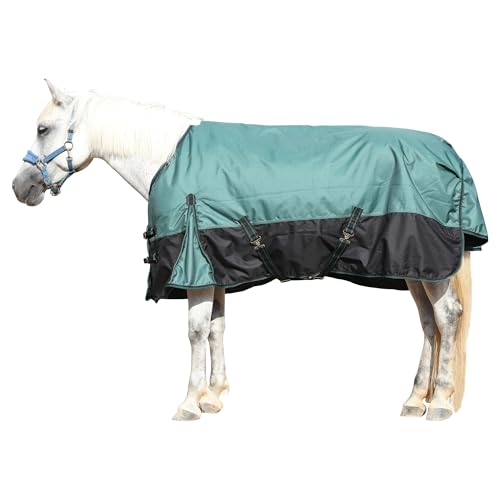
If your horse falls into a category that requires human clothing, choosing the right gear prevents dangerous rubs, leaks, and chills. Always buy a true turnout rug or turnout sheet for outdoor use. Never turn a horse outside in an indoor stable blanket. Stable blankets lack waterproof coatings and act like giant sponges in the rain, soaking up water and chilling the horse to the bone.
Look for an outer shell made from tough, rip-resistant fabric with high denier ratings, like 600D, 1200D, or 1680D. Horses roll in gravel, scratch against fences, and playfully bite each other in the field, so a fragile shell will tear open within days. The outer shell must also be fully breathable, allowing internal body humidity to escape while blocking rain and driving sleet from getting in.
Match the fill weight to your horse's specific physical needs. A light turnout sheet with zero polyfill works well as a wind-blocking rain shell for unclipped horses caught in freezing sleet. Medium-weight blankets with 200g to 300g of filling provide steady thermal protection for clipped horses, seniors, or thin animals during deep freezing spells. For horses with sensitive skin, verify that the blanket includes smooth lining along the shoulders, adjustable cross belly straps, and secure leg straps to keep the rug from shifting out of place during pasture play.

SteeDear 1200D Horse Blanket Turnout Sheet Waterproof and Breathable Lightweight/Medium
View on Amazon- BWP Score9.4
BWP Score is a ranking system developed by Bestwinterproducts.com. BWP score has no relationship or impact from any manufacturers or sales agent websites. Learn more
- BrandSteeDear

- BWP Score9.0
BWP Score is a ranking system developed by Bestwinterproducts.com. BWP score has no relationship or impact from any manufacturers or sales agent websites. Learn more
- BrandTough 1

- BWP Score9.0
BWP Score is a ranking system developed by Bestwinterproducts.com. BWP score has no relationship or impact from any manufacturers or sales agent websites. Learn more
- BrandGallopoff
- BWP Score8.8
BWP Score is a ranking system developed by Bestwinterproducts.com. BWP score has no relationship or impact from any manufacturers or sales agent websites. Learn more
- BrandGallopoff

- BWP Score8.8
BWP Score is a ranking system developed by Bestwinterproducts.com. BWP score has no relationship or impact from any manufacturers or sales agent websites. Learn more
- BrandTough 1

- BWP Score8.2
BWP Score is a ranking system developed by Bestwinterproducts.com. BWP score has no relationship or impact from any manufacturers or sales agent websites. Learn more
- BrandRESISTANCE

- BWP Score7.8
BWP Score is a ranking system developed by Bestwinterproducts.com. BWP score has no relationship or impact from any manufacturers or sales agent websites. Learn more
- BrandJranter

- BWP Score7.8
BWP Score is a ranking system developed by Bestwinterproducts.com. BWP score has no relationship or impact from any manufacturers or sales agent websites. Learn more
- BrandXUANNIAO

- BWP Score7.8
BWP Score is a ranking system developed by Bestwinterproducts.com. BWP score has no relationship or impact from any manufacturers or sales agent websites. Learn more
- BrandBIGANTTOW

- BWP Score7.0
BWP Score is a ranking system developed by Bestwinterproducts.com. BWP score has no relationship or impact from any manufacturers or sales agent websites. Learn more
- BrandNIUTRIP
Last update on 2026-10-05 / Affiliate links / Images, Product Titles, and Product Highlights from Amazon Product Advertising API
FAQs
Can horses live outside in sub-zero winter temperatures?
Yes, healthy horses can live outside in temperatures well below zero without issues. As long as they have a full, dry winter coat, a windbreak shelter, and unlimited access to clean water and hay, their bodies thrive. Their hindgut fermentation and thick hair layer create more than enough heat to keep them comfortable in dry cold.
Why do horses get snow piling up on their backs?
Snow piles up on a horse's back because their natural winter coat acts as an incredible heat barrier. Tiny muscles fluff the hair to trap a layer of warm air near the skin, while natural oils keep the hair dry. Because internal body heat cannot escape through that trapped air, the snow on the outside never melts.
Should you feed grain or extra hay during cold snaps?
You should always feed extra hay rather than extra grain when temperatures plunge. Digesting fibrous hay in the hindgut releases sustained body heat over many hours, warming the horse from the inside. Grain digests too quickly in the stomach and small intestine, producing very little body heat and increasing the risk of colic.
What bedding keeps a horse warmest in a cold stall?
Clean, dry straw is the best bedding choice for keeping a horse warm in a cold winter stall. Straw stalks are hollow, which allows them to trap pockets of warm air and insulate the horse against frozen concrete or dirt floors. Straw also lets wet urine drain down to the base while the top bedding layer stays dry and fluffy.


Best Warm Winter Scarves 2026 For Cozy Comfort

Best Green Ski Goggles 2026 For Clear Vision On Slopes

12 Best Corner Electric Fireplace 2026: My Ultimate Guide To Pick One

Best Battery Powered Snow Blower 2026 For Effortless Snow Clearing

Best Ski Goggles Under 30 Inches For Crisp Vision And Comfort

Best Cooling Scarf 2026 For Instant Relief And Comfort

Fake Snow for Grass: Create a Realistic Winter Lawn Display

Dimplex Prism Wall Mount Fireplace: Sleek Heat With Modern Flame Style





