
How Do Plants Survive Freezing Winter Weather?

Plants survive freezing by shutting down safely. They enter a deep resting state, moving water out of tender cells so expanding ice crystals do not tear them apart. At the same time, roots and branches pack their cells with concentrated sugars that work as natural antifreeze. This clever shift keeps delicate plant tissue alive even when the surrounding ground freezes hard.
How well a plant weathers the cold depends on where and how it grows. Hardy perennials let their top stems die back while soil insulates their roots, but potted plants freeze much faster because cold air hits the container from every side. Dry winter winds can also pull moisture straight out of leaves when frozen earth blocks the roots from drinking. Once you understand how dormancy works, it is much easier to tell whether a brittle brown branch is merely resting or gone for good.
The Short Version
- Plants survive sub-zero weather by entering dormancy (a deep resting state), shifting free water out of their cells, and packing their fluids with natural sugars that act like built-in antifreeze.
- Soil and undisturbed snow act as thick insulating blankets, keeping root systems significantly warmer than the freezing air above ground.
- Different species use distinct habits to endure the cold: deciduous trees (trees that lose their leaves in fall) drop their leaves, evergreens seal moisture behind waxy needles, perennials (plants that come back every spring) hide underground, and annuals (plants that live one season and survive as seeds) leave seeds behind.
- You can easily confirm whether a bare winter shrub is resting or dead by gently scraping the outer bark with your thumbnail to check for moist green tissue underneath.
How Plant Cells Avoid Freezing Damage
If you leave a glass bottle full of water outside on a freezing night, the water expands as it turns to ice and shatters the glass. Plant cells are mostly water enclosed by outer walls. If ice crystals formed rapidly inside those living cells, the jagged sharp edges would puncture the inner membranes and kill the plant instantly. Hardy plants prevent this disaster through a precise biological process triggered by shorter daylight hours and dropping autumn temperatures.
As winter approaches, plants move water across their cell walls and push it into the empty spaces between the cells. If ice crystals form in these outer pockets, they grow where they cannot puncture vital internal cell structures. The flexible walls of cold-hardy plants can gently bend around external ice crystals without rupturing.
At the same time, the liquid that stays trapped inside the living cell turns into a concentrated solution. The plant converts stored starches into natural sugars, dissolved minerals, and specialized proteins. Just like salt lowers the freezing temperature of water on a driveway, this thick sugary fluid lowers the freezing point of the cell interior. The inside of the cell can chill well below 32 degrees Fahrenheit without solidifying into ice. The plant essentially manufactures its own antifreeze before the first severe cold wave arrives.
Four Different Survival Strategies
Not every plant uses the exact same playbook to survive the winter months. Depending on their growth habits and natural habitat, outdoor plants rely on one of four main strategies to make it through until spring.
Deciduous trees: Broad leaves are broad solar panels in summer, but they lose massive amounts of moisture to the atmosphere through microscopic breathing pores. In winter, frozen soil prevents roots from drinking up fresh water. To prevent deadly desiccation (drying out from winter wind), trees that lose their leaves in fall seal off the base of each leaf stem with a protective layer of cork-like cells. The leaves drop away, and the bare branches rest with tightly wrapped, waterproof buds that protect next year's leaves.
Evergreen trees and shrubs: Pines, spruces, and firs keep their foliage all year, but their needles look nothing like broad tree leaves. Needles have very little surface area, deeply sunken pores, and a thick waxy coating that locks in every drop of water. Broadleaf evergreens like rhododendrons use another clever trick. When temperatures drop below freezing, their leaves droop and curl up tightly like cigars. This reduces the leaf surface exposed to bitter winter winds and direct winter sunlight, keeping the foliage from drying out.
Perennials: Many flowering garden plants and grasses avoid winter weather entirely by letting their top stems die back right to the soil line. They surrender their above-ground foliage to the frost after pulling all their valuable starches and moisture down into their root crowns, bulbs, or tubers. The parts above ground may look completely brown and dead, but the underground crown remains alive and insulated beneath the dirt, ready to push up fresh green shoots as soon as the ground warms up in April.
Annuals: Some flowering plants and garden vegetables do not have the cellular tools to endure prolonged freezing weather. Instead of keeping their main bodies alive, they spend their summer energy producing hundreds of hardy seeds. The parent plant dies with the first hard freeze, but the seeds have hard, waterproof shells that resist freezing temperatures and wet snow. These seeds rest silently in the soil through the coldest months and sprout on their own when spring sunshine heats the topsoil.
Underground Protection: Soil and Snow as Blankets
While tree branches and shrubs must brave freezing winds, the root system of a plant enjoys a far milder climate under the earth. Garden soil has high thermal mass, which means it absorbs heat slowly and releases it just as slowly. Even when the air temperature drops into single digits or sub-zero numbers, the soil several inches beneath the surface usually stays right around the freezing mark or slightly warmer.
Snow also plays a massive role in plant survival. Light, fluffy snow is mostly trapped air. Just like the insulation in your attic or a puffy winter coat, an undisturbed layer of snow prevents the stored warmth of the earth from escaping into the open sky. Gardeners often refer to snow as poor man's mulch because a continuous snow blanket of four to six inches can keep soil temperatures ten to twenty degrees warmer than exposed ground. Perennial crowns and shallow roots that might perish under bare, freezing winds easily survive when tucked beneath a snow layer.
This natural insulation explains why plants growing in outdoor pots face much greater danger than the same plants growing in the garden. In the open ground, cold air only touches the top surface of the dirt. In an outdoor planter or container, sub-zero air surrounds the pot on the bottom and all four sides. The small volume of potting mix freezes completely solid within hours, chilling the delicate feeder roots to the exact temperature of the surrounding air. Plants rated for your local winter climate can easily die in pots if their containers are left exposed on a cold deck or patio.
The Scratch Check: How to Tell if a Branch Is Sleeping or Dead
Every late winter, many homeowners look at their bare, gray shrubs and assume the cold weather killed them. Before you cut back thick stems or dig up a bush, use the simple scratch check to confirm whether the plant is resting or dead.
- Select an outer branch: Choose a twig or branch that looks questionable. Start near the outer tip of the branch where cold damage usually shows up first.
- Gently scrape the outer bark: Use your thumbnail, a clean garden knife, or a small coin to lightly peel away a tiny sliver of the thin top bark layer. You only need to uncover a spot about a quarter-inch long.
- Examine the color underneath: Look at the thin cambium layer directly under the bark. If you see moist, bright green wood, that stem is completely alive and simply resting in dormancy. If the wood underneath is dry, brittle, and dull brown, that specific section of the stem is dead.
- Work your way inward: If the tip of the twig is brown and dry, move four to six inches closer to the center of the plant or down toward the main trunk and repeat the scratch. Extreme winter cold often kills the delicate tips of branches while the thick inner branches and main base stay healthy.
- Perform a bend test: Take a small pencil-sized stem and gently bend it between your fingers. Living wood is supple and bends smoothly into a curve. Dead wood feels stiff, offers no flexibility, and snaps cleanly in two with a dry crack.
Winter Plant Hazards: What Actually Causes Damage
Healthy native plants easily handle normal winter chills, but specific weather patterns can overwhelm their natural defenses. If you understand what actually harms cold-hardy plants, you can take simple steps to shield your yard before bad weather hits.
- Desiccation from dry winter winds: Plants lose moisture through their bark and needles even in winter. When the ground is frozen hard, roots cannot drink up water to replace what the wind strips away. This causes winter burn, leaving brown, scorched foliage on the windward side of evergreens by February.
- Freeze-thaw cycles and frost heaving: In late winter, sunny days melt the surface soil, and freezing nights lock it back up. This constant expanding and contracting of wet soil can physically lift shallow perennials out of the ground, exposing bare roots to drying air and freezing winds.
- Sudden autumn flash freezes: Plants need several weeks of gradually cooling weather to move water out of their cells and build up natural sugars. If a freak sub-zero freeze strikes right after an unseasonably warm autumn, plant cells get caught full of plain water, causing widespread bark splitting and branch death.
- Heavy ice and wet snow accumulation: While light snow protects roots, heavy wet snow and thick ice coatings weigh down branches until they crack. Upright evergreens like arborvitae can splay apart or split down their main trunks under the strain of freezing rain.
- Standing water during winter thaws: Saturated, poorly draining soil during a warm spell cuts off oxygen to dormant root systems. Roots need air to breathe even when resting, and sitting in freezing mud for weeks can lead to root rot.
Simple Steps to Protect Vulnerable Plants
You do not need to wrap your entire yard in plastic to help your greenery survive the coldest months. Focusing your efforts on young plantings, shallow perennials, and sensitive evergreens prevents most common winter injuries.
- Water thoroughly before the ground freezes: Give your trees, shrubs, and perennials a deep, slow soaking in late autumn before the dirt freezes solid. Moist soil holds heat significantly longer than dry dirt, and well-hydrated plants tolerate harsh winds much better than moisture-starved ones. If you are spending hours preparing the garden beds in cold weather, take care of yourself too; learning how to keep warm in winter outdoors ensures you can finish the job comfortably without cutting corners.
- Apply a clean mulch blanket: Spread a two to three-inch layer of wood chips, shredded leaves, or clean straw over your garden beds. Wait until after the first hard freeze so small field mice do not build warm nests in the fresh mulch. Keep the material pulled back two inches from woody tree trunks to prevent bark decay, but cover the root zones well to smooth out damaging freeze-thaw cycles.
- Shield sensitive evergreens with burlap: Build a temporary wind screen on the north and west sides of sensitive boxwoods, young hollies, or dwarf conifers. Drive three wooden stakes into the ground around the bush and staple burlap to the stakes to block drying gusts. Never wrap burlap so tightly that it crushes the branches. Walking on frozen ground to install these winter screens can make your feet ache from the cold ground, so review practical methods on how to keep feet warm during winter before tackling yard chores.
- Protect outdoor container pots: Move potted perennials, shrubs, and dwarf trees into an unheated garage, shed, or sheltered corner against the south wall of your home. If pots must stay outside in garden beds, sink the pots directly into the soil up to their rims, or push them together and pack dry leaves or straw between them to insulate the exposed pot walls.
- Gently brush off heavy snow: When heavy, wet snow settles onto flexible branches, take a soft broom and sweep upward from the bottom of the plant toward the top to dislodge the weight. Never shake frozen branches violently or chip thick ice off bark, as cold wood is brittle and snaps easily under sudden force.
Choosing Winter Garden Gear to Shield Your Plants
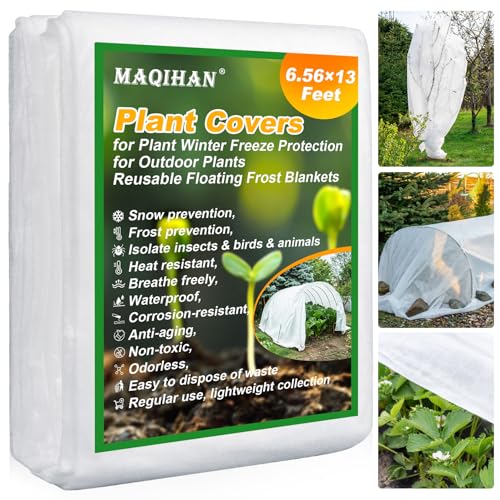
If you grow cool-season vegetables, tender shrubs, or delicate perennials, having the right cold-weather supplies on hand makes winter garden care simple. The most versatile tool for winter plant protection is a breathable, non-woven fabric frost blanket. Unlike plastic tarps, breathable fabric allows air, moisture, and gentle light to filter through while trapping the warm air radiating up from the soil.
When shopping for frost covers and floating row blankets, look for fabric weight ratings suited to your local climate. Lightweight row covers protect cool-season crops against light overnight frost, while heavier non-woven covers offer protection against deeper freezes and biting winter wind. Always choose covers large enough to drape loosely over your plants and reach all the way down to the soil on every side. Heat comes from the earth, not from the sky, so anchoring the edges of the fabric with soil, stones, or garden pins is essential to seal that warmth inside.
Gardening guides focusing on cold-season harvests and container care are also great investments for cold-weather gardeners. A clear manual helps you plan cold frames, set up unheated hoop tunnels, and manage winter watering routines so you never have to guess how low temperatures can drop before your specific varieties need emergency shelter.

- BWP Score9.8
BWP Score is a ranking system developed by Bestwinterproducts.com. BWP score has no relationship or impact from any manufacturers or sales agent websites. Learn more
- BrandCollins

- BWP Score9.6
BWP Score is a ranking system developed by Bestwinterproducts.com. BWP score has no relationship or impact from any manufacturers or sales agent websites. Learn more
- BrandCedar Fort

- BWP Score9.6
BWP Score is a ranking system developed by Bestwinterproducts.com. BWP score has no relationship or impact from any manufacturers or sales agent websites. Learn more
- BrandJump!

- BWP Score9.4
BWP Score is a ranking system developed by Bestwinterproducts.com. BWP score has no relationship or impact from any manufacturers or sales agent websites. Learn more
- BrandChelsea Green Publishing Company

- BWP Score9.4
BWP Score is a ranking system developed by Bestwinterproducts.com. BWP score has no relationship or impact from any manufacturers or sales agent websites. Learn more
- BrandGreen Books

- BWP Score9.4
BWP Score is a ranking system developed by Bestwinterproducts.com. BWP score has no relationship or impact from any manufacturers or sales agent websites. Learn more
- BrandWilderness Press

- BWP Score9.4
BWP Score is a ranking system developed by Bestwinterproducts.com. BWP score has no relationship or impact from any manufacturers or sales agent websites. Learn more
- BrandFox Chapel Publishing

- BWP Score9.2
BWP Score is a ranking system developed by Bestwinterproducts.com. BWP score has no relationship or impact from any manufacturers or sales agent websites. Learn more
- BrandN/A
- BWP Score8.8
BWP Score is a ranking system developed by Bestwinterproducts.com. BWP score has no relationship or impact from any manufacturers or sales agent websites. Learn more
- BrandMAQIHAN

- BWP Score8.4
BWP Score is a ranking system developed by Bestwinterproducts.com. BWP score has no relationship or impact from any manufacturers or sales agent websites. Learn more
- BrandStorey Publishing

- BWP Score8.0
BWP Score is a ranking system developed by Bestwinterproducts.com. BWP score has no relationship or impact from any manufacturers or sales agent websites. Learn more
- BrandRoyal Botanic Gardens Kew

- BWP Score-
BWP Score is a ranking system developed by Bestwinterproducts.com. BWP score has no relationship or impact from any manufacturers or sales agent websites. Learn more
- BrandMajosta
Last update on 2026-10-03 / Affiliate links / Images, Product Titles, and Product Highlights from Amazon Product Advertising API
FAQs
Why do my outdoor evergreen shrubs turn brown on only one side during winter?
This browning is winter burn caused by drying winds and bright sunlight hitting the plant when the ground is frozen solid. The sun and wind pull moisture out of the needles on the exposed side, but the roots cannot pull replacement water from the frozen dirt. The shaded, sheltered side of the shrub stays green because it loses far less water.
Should I shovel snow off my garden beds to keep plants warm?
No, you should always leave snow on top of your garden beds. Fluffy snow is one of nature's best insulators because it holds countless pockets of trapped air that shield the soil from sub-zero air temperatures. Shoveling snow off perennial beds exposes the ground to bitter cold, deep frost lines, and damaging freeze-thaw cycles.
Can I prune dead-looking branches off my bushes in the middle of winter?
It is best to leave questionable branches alone until late spring when new growth starts. What looks gray and dead in January might simply be dormant wood holding live buds, and premature cutting removes healthy growth. Waiting until the plant wakes up makes it obvious which wood is truly dead and which parts are thriving.
How do potted plants survive freezing temperatures outside?
Outdoor container plants rarely survive severe freezes without extra help because cold air chills the potting soil from all sides. To help them survive, move the containers into an unheated shed or garage, sink the pots into garden soil, or pack thick mulch around the containers. Keeping the potting soil lightly moist also helps, as dry roots freeze and desiccate much faster than hydrated roots.


Best Warm Winter Scarves 2026 For Cozy Comfort

Best Green Ski Goggles 2026 For Clear Vision On Slopes

12 Best Corner Electric Fireplace 2026: My Ultimate Guide To Pick One

Best Battery Powered Snow Blower 2026 For Effortless Snow Clearing

Best Ski Goggles Under 30 Inches For Crisp Vision And Comfort

Best Cooling Scarf 2026 For Instant Relief And Comfort

Fake Snow for Grass: Create a Realistic Winter Lawn Display

Dimplex Prism Wall Mount Fireplace: Sleek Heat With Modern Flame Style





