
How Do Rabbits Stay Warm in Winter?

Morning frost coats the wire hutch outside, yet the family bunny sits quietly in the cold without shivering. Rabbits survive freezing temperatures by growing a dense underfur coat that traps warm air right against their skin. They also stay warm by eating dry hay around the clock, which works like a tiny internal furnace to produce steady body heat while they rest.
A rabbit's comfort depends heavily on shelter conditions and dry bedding. Wild rabbits take shelter underground, but domestic rabbits rely entirely on a draft-free hutch and unfrozen drinking water. Damp straw or biting wind will strip away their natural insulation in hours. Here is a closer look at how their cold defenses function and how to protect them properly.
Natural Winter Defenses: Dense Coats and the Tucking Posture
Wild rabbits and domestic rabbits handle cold weather far better than hot summer heat, mostly because their bodies come built with cold-weather insulation. As autumn days grow shorter, a rabbit sheds its light summer fur and grows a thick double coat. This coat consists of two separate layers working together. On the outside, longer guard hairs shed rain, block wind, and keep dirt away from the skin. Right beneath those guard hairs lies the underfur (soft, dense hair close to the skin that holds warm air). This underfur acts just like a down jacket or a thermal base layer, creating a thick barrier of dead air that stops body warmth from drifting away into the freezing breeze.
Fur is only the first line of defense. A rabbit changes its physical shape when the temperature drops. In warm weather, a rabbit sprawls out flat across the floor to dump excess heat. In winter, you will see a rabbit pull its body into what owners call a loaf position. The rabbit tucks its front and back paws completely under its chest, pulls its tail tight against its rump, and presses its chin close to the ground. This tight, rounded posture shrinks the animal's exposed surface area, which cuts down on heat loss and protects sensitive paw pads from cold surfaces.
A rabbit also uses its ears to manage its body temperature. Rabbit ears have a large network of tiny blood vessels close to the surface. During hot weather, blood rushes through the ears to cool the body down. In winter, those blood vessels narrow tightly. This process keeps warm blood concentrated deep inside the chest and belly where vital organs need it most. Because of this natural response, a healthy rabbit's ear tips often feel quite cool to your touch on a chilly morning. As long as the base of the ear where it meets the head remains warm and cozy, the rabbit is actively managing its internal heat balance.
Not every domestic breed has the same natural armor. Wild cottontails and European wild rabbits have generations of outdoor survival bred into their genetics, allowing them to dig underground burrows where temperatures stay above freezing. Domestic rabbits, however, vary widely. Giant breeds like the Flemish Giant have thick, dense coats and plenty of body mass to retain heat. In contrast, smaller breeds like Netherland Dwarfs lose core heat much faster because of their small body size. Rex rabbits have velvety coats without long guard hairs, and hairless or single-coated breeds lack the deep underfur needed to stop freezing air. Knowing your rabbit's specific coat type tells you how much extra help they will need from you once the temperature drops.
The Digestive Furnace: Why Constant Hay Generates Internal Body Heat
Rabbits cannot rely on fur alone to stay warm. Unlike humans who can put on a heavier coat, rabbits must generate continuous heat from the inside out. They do not maintain their core temperature through shivering for long periods because shivering burns through energy reserves far too quickly. Instead, a rabbit stays warm in winter by eating dried grass and hay throughout the day and night.
This internal warming process happens through cecal fermentation (gut bacteria breaking down hay to produce body heat). A rabbit has an enlarged digestive pouch called the cecum, located between the small and large intestines. The cecum houses millions of active microbes that break down tough plant fibers. As these beneficial bacteria ferment the cellulose in grass hay, the chemical reaction releases steady, gentle heat. You can think of the cecum as a miniature compost pile or a slow-burning woodstove running inside the rabbit's belly. As long as the rabbit keeps munching on fibrous hay, that internal digestive furnace pumps radiant heat directly through the rabbit's bloodstream to its vital organs.
Because digestion creates heat, rabbits eat significantly more food during cold weather. Outdoor rabbits often need up to a third more calories in winter just to maintain their normal body weight while keeping their internal furnace running. While you might consider how to keep warm in winter in the house by adjusting your thermostat, an indoor or sheltered rabbit relies entirely on you keeping their feeding rack stuffed with fresh, dry grass hay.
Many well-meaning owners confuse feeding hay with bedding straw, which causes serious problems. You must understand the difference: hay is green, nutrient-packed food, while clean straw has hollow stalks that trap body heat and repel moisture. Never substitute hay for bedding. Hay absorbs moisture, mats down, and rots quickly when damp, turning into a freezing cold clump. Clean golden straw is the ideal bedding because the hollow stems trap warm air pockets and push moisture down to the floor, leaving the top dry.
This internal furnace also depends completely on fresh drinking water. A rabbit cannot digest dry hay without drinking large amounts of water. If a water bottle nozzle freezes solid or a water crock turns to ice, the rabbit stops eating hay within just a few hours. When eating stops, cecal fermentation slows down, the internal furnace shuts off, and the rabbit's body temperature can drop dangerously within a single night. Checking water sources multiple times a day or providing a heated, pet-safe water crock is just as important as supplying hay.
Winterizing the Living Space: Simple Steps for a Draft-Free Shelter
Rabbits handle dry, still cold remarkably well, but dampness and moving air will cut straight through their thick coats. Wet fur loses its loft, flattening the underfur and eliminating the insulating air barrier that protects the skin. Just as people learn how to keep warm in winter outdoors by blocking the biting wind, you must protect your rabbit's shelter from drafts, snow, and ground dampness.
- Elevate the living space off the frozen ground. If your rabbit lives in an outdoor hutch or a shed enclosure, raise the floor at least a foot off the bare dirt or concrete. Cold ground pulls heat directly out of the wooden floor, and splashing winter rain or drifting snow can soak the wood. Sturdy wooden legs or cinder blocks keep the base dry and out of frost lines.
- Shield the enclosure walls against winter winds. Wind is far more dangerous to a rabbit than cold temperatures alone. Cover open wire mesh sides with durable wood panels, thick marine canvas, or clear plastic sheeting. Fasten these covers securely on the sides facing prevailing winter winds, but always leave a sheltered gap near the top of the hutch for cross-ventilation. Sealing a hutch completely airtight traps moisture from breath and urine, which causes respiratory infections and damp fur.
- Pack an enclosed nesting box with clean, dry straw. A rabbit needs an enclosed sleeping box inside its larger cage where drafts cannot reach. Line the bottom with thick layers of clean cardboard or newspaper, then pack the box full of golden straw. Give the rabbit enough straw so it can burrow completely down into the center, creating a warm pocket of trapped body heat. Check this bedding daily and immediately scoop out any damp corners, replacing them with fresh, dry straw.
- Inspect and winterize the drinking station. Check metal sipper tubes on water bottles twice daily, because the small metal ball inside the spout freezes solid long before the water in the bottle turns to ice. Tap the ball with your finger on every visit to confirm water flows freely. If freezing temperatures persist, swap frozen bottles with warm spares twice a day, or switch to a heavy ceramic bowl placed on an insulated wooden block.
If you keep your rabbit indoors, you still need to guard against subtle winter hazards. Drafty baseboards, uninsulated garage floors, and cold air leaking under exterior doors can chill an indoor pen. Set your rabbit's indoor pen away from drafty entryways and cold windows, but keep it at least three feet away from space heaters, radiators, and forced-air heating vents. Sudden bursts of hot, dry artificial heat dry out a rabbit's nasal passages and make their thick winter fur uncomfortably warm.
Recognizing Cold Stress and Safely Choosing Winter Enclosure Gear
Even with good coats and proper shelters, severe winter storms or sudden temperature drops can overwhelm a rabbit's natural defenses. You need to know the physical warning signs that tell you an animal is in distress so you can step in before mild discomfort turns into a medical emergency.
Check on your rabbit at least twice every day during cold snaps. Keep an eye out for this checklist of cold stress signs:
- Cold ear bases: Touch the thick base of the rabbit's ears right where they join the skull. If the ear base feels chilled to your bare fingers instead of warm, the rabbit's circulatory system is struggling to protect its core organs.
- Persistent whole-body shivering: While brief shivering helps generate quick heat, continuous trembling or shaking that does not stop indicates the rabbit is burning through energy reserves too fast.
- Hunched lethargy: A chilled rabbit sits tightly balled up in a corner, refuses to move when you approach, keeps its eyes half-closed, and ignores fresh food or favorite treats.
- Pale or bluish gums: Lift the upper lip gently and check the color of the gums. Healthy rabbit gums are a soft salmon-pink; pale, greyish, or purplish gums indicate poor blood flow and severe chill.
These warning signs point toward hypothermia (body temperature dropping dangerously below normal). If you notice these symptoms, bring the rabbit inside your home immediately. Never plunge a cold rabbit into warm water, never place them directly on a high-heat human heating pad, and never use a hot hair dryer. Rapid warming causes blood vessels in the skin to dilate all at once, which can trigger fatal circulatory shock. Instead, wrap the rabbit in a dry, room-temperature fleece blanket, hold them against your chest to share gentle body heat, and call your exotic-animal veterinarian right away.
To keep rabbits safe and warm before cold stress happens, many owners turn to winter cage accessories. However, standard heating devices made for humans or other pets can be deadly to rabbits. Clamp-style heat lamps hung over hutches pose an extreme fire hazard near dry straw and wooden walls. They also create concentrated hot spots that cause heat exhaustion, and rabbits can jump up and suffer severe burns. Electrical heating cords are equally hazardous because rabbits naturally chew through plastic coatings in seconds, risking electric shock and electrical fires.
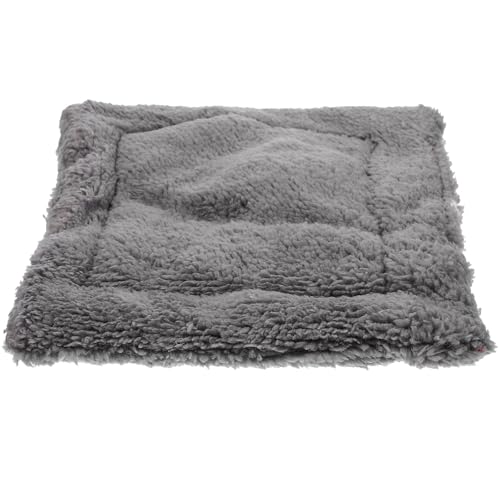
Safe winter accessories rely on passive warmth and chew-resistant designs. Self-warming thermal pet mats work exceptionally well for rabbits. These mats feature an internal layer of heat-reflecting foil film enclosed between soft, insulating fleece. As the rabbit lies down, the reflective interior bounces the animal's own radiant body heat back up toward them without using any electrical cords, plugs, or batteries. Padded fleece hideaway caves and plush tunnel beds also work well for indoor rabbits and enclosed shed setups, creating an extra micro-climate that blocks stray breezes.
Before purchasing cold-weather accessories for your rabbit, check the construction carefully. Look for mats with removable, machine-washable covers, because rabbits will occasionally track wet straw or urine onto their sleeping pads. Verify that the bottom fabric includes an anti-slip, moisture-resistant barrier so damp cage floors cannot soak through into the padding. Choose hideaways with wide entrances that allow your rabbit to enter, turn around, and exit easily without getting stuck, and inspect seams regularly to ensure your pet is not chewing and swallowing loose fleece fibers.

- BWP Score9.4
BWP Score is a ranking system developed by Bestwinterproducts.com. BWP score has no relationship or impact from any manufacturers or sales agent websites. Learn more
- BrandHomimp

- BWP Score9.0
BWP Score is a ranking system developed by Bestwinterproducts.com. BWP score has no relationship or impact from any manufacturers or sales agent websites. Learn more
- BrandBWOGUE

- BWP Score9.0
BWP Score is a ranking system developed by Bestwinterproducts.com. BWP score has no relationship or impact from any manufacturers or sales agent websites. Learn more
- BrandMygeromon

- BWP Score8.8
BWP Score is a ranking system developed by Bestwinterproducts.com. BWP score has no relationship or impact from any manufacturers or sales agent websites. Learn more
- BrandJetec

- BWP Score8.8
BWP Score is a ranking system developed by Bestwinterproducts.com. BWP score has no relationship or impact from any manufacturers or sales agent websites. Learn more
- BrandKAYCOWZA

- BWP Score8.2
BWP Score is a ranking system developed by Bestwinterproducts.com. BWP score has no relationship or impact from any manufacturers or sales agent websites. Learn more
- BrandBMMN

- BWP Score8.0
BWP Score is a ranking system developed by Bestwinterproducts.com. BWP score has no relationship or impact from any manufacturers or sales agent websites. Learn more
- BrandMygeromon

- BWP Score7.8
BWP Score is a ranking system developed by Bestwinterproducts.com. BWP score has no relationship or impact from any manufacturers or sales agent websites. Learn more
- Brandkathson
- BWP Score-
BWP Score is a ranking system developed by Bestwinterproducts.com. BWP score has no relationship or impact from any manufacturers or sales agent websites. Learn more
- BrandGATHINESS

- BWP Score-
BWP Score is a ranking system developed by Bestwinterproducts.com. BWP score has no relationship or impact from any manufacturers or sales agent websites. Learn more
- BrandGATHINESS
- BWP Score-
BWP Score is a ranking system developed by Bestwinterproducts.com. BWP score has no relationship or impact from any manufacturers or sales agent websites. Learn more
- BrandToyvian
Last update on 2026-10-03 / Affiliate links / Images, Product Titles, and Product Highlights from Amazon Product Advertising API
FAQs
How cold is too cold for a domestic rabbit to stay outside?
Healthy adult rabbits with thick winter coats can comfortably handle dry temperatures down to freezing (32°F) as long as their shelter is completely dry and shielded from wind. Once temperatures fall below freezing, especially into the 20s or lower with high wind chill, the risk of frozen water and hypothermia increases dramatically. Elderly rabbits, young kits, sick pets, or thin-coated breeds should always be moved into a garage, shed, or indoor room whenever temperatures approach 45°F to 50°F.
Should pet rabbits wear sweaters or coats in the winter?
No, you should never dress a rabbit in coats, sweaters, or fabric vests for warmth. Clothing flattens the rabbit's natural underfur, which destroys the trapped air pocket that keeps them warm. Sweaters also trap moisture against the skin, restrict natural grooming, and cause panic that can lead to severe spinal injuries if the rabbit kicks violently to escape the fabric.
Can I use blankets or old towels instead of straw in an outdoor hutch?
You should avoid using towels and fabric blankets as bedding in outdoor hutches. Woven cotton and fleece fabrics absorb dampness from rain, snow, and urine very quickly, turning into freezing cold, wet sheets that chill your pet. Clean golden straw is far superior for outdoor shelters because its hollow stalks resist moisture and create warm, insulating air pockets that keep your rabbit dry and comfortable.


Best Warm Winter Scarves 2026 For Cozy Comfort

Best Green Ski Goggles 2026 For Clear Vision On Slopes

12 Best Corner Electric Fireplace 2026: My Ultimate Guide To Pick One

Best Battery Powered Snow Blower 2026 For Effortless Snow Clearing

Best Ski Goggles Under 30 Inches For Crisp Vision And Comfort

Best Cooling Scarf 2026 For Instant Relief And Comfort

Fake Snow for Grass: Create a Realistic Winter Lawn Display

Dimplex Prism Wall Mount Fireplace: Sleek Heat With Modern Flame Style





