
How Do Ticks Survive the Winter?

Freezing weather does not kill ticks. Instead, these pests burrow beneath fallen leaves and snow to enter a quiet winter resting state. A blanket of autumn leaves and fresh powder acts like attic insulation, keeping the ground damp and shielding ticks from bitter winds. Some even cling to wild animals, soaking up constant body heat all season long.
Their survival depends heavily on snow cover, moisture in the soil, and the specific tick species. Deep snow actually protects them by blocking lethal sub-zero air, while thick leaf piles keep them from drying out. Most surprisingly, blacklegged deer ticks wake up to bite anytime a winter afternoon climbs above freezing. Understanding how these pests endure the cold helps you spot hidden risks and keep your pets safe until spring.
Where Ticks Hide: The Natural Insulation of Fallen Leaves and Snow
When winter cold snaps arrive and temperatures sink well below freezing, it is easy to assume that outdoor pests die off until spring. But ticks have adapted to survive cold winters through smart shelter choices. Instead of staying out in exposed areas where bitter winds can freeze and dry them out, ticks move down into the soil line or garden beds before the ground freezes solid.
Their primary winter refuge is leaf litter, which is the layer of fallen dead leaves, decaying twigs, and damp mulch covering the soil. This thick layer of forest debris traps moisture and blocks the wind, functioning like a natural layer of insulation. When snow covers the ground, it forms a protective blanket over the leaf litter. The space beneath the snowpack stays much warmer than the freezing air above it. Even when air temperatures dip into the single digits or drop below zero, the ground surface beneath several inches of snow often stays steady around thirty-two degrees Fahrenheit.
Scientists call the small air gap between the soil and the bottom of the snowpack the subnivean zone, but you can think of it as a natural greenhouse. Snow traps the earth's residual warmth, creating a sheltered pocket where temperatures rarely drop far below freezing. This space protects ticks from killing cold, but more importantly, it keeps them moist.
Ticks are vulnerable to dry air. Exposed to winter winds, their bodies lose water quickly and dry out, which is what truly kills them. Staying buried under wet oak leaves, pine needles, or thick mulch shields them from both dry air and severe freezes. In yards without deep snow, ticks search for similar ground cover. They crawl under woodpiles, slip beneath stone walls, hide under low evergreen branches, or tuck into unraked flower beds. As long as they have a damp barrier separating them from dry winter air, ticks can wait out weeks of freezing weather safely.
The Winter Resting State: How Tick Bodies Pause in the Cold
Surviving sub-freezing weather requires more than a good hiding spot. Ticks also change how their bodies function as the cold sets in. When autumn days grow short and temperatures drop, ticks enter diapause, which is a winter resting state similar to hibernation in larger animals.
During this winter resting state, a tick pauses development and slows its breathing and metabolism to near zero. It stops hunting for food and conserves its stored energy reserves. If a nymph, which is a young, immature tick, has not fed before winter, it halts its growth entirely. It stays dormant under the soil, waiting for spring warmth and longer daylight hours before seeking a meal to molt into an adult.
Ticks also produce natural compounds that act like biological antifreeze. These compounds lower the freezing point of the water inside their cells, preventing sharp ice crystals from forming. Because ice crystals would tear cell walls and damage vital organs, this internal antifreeze keeps the tick pliable and alive even when surrounding soil temperatures hover right at the freezing mark.
Other ticks survive the winter by hitching a ride on a host, which is the animal or person a tick bites for blood. When a tick latches onto a white-tailed deer, an outdoor dog, or a raccoon during late autumn, it finds both food and shelter in one place. The animal's thick fur traps body heat, while its warm blood provides continuous nourishment. Attached ticks can feed and stay warm for weeks, completely shielded from freezing winds and blizzards outside.
The Winter Thaw Hazard: Why Mild Days Bring Surprise Bites
The widespread belief that winter kills ticks leads many pet owners to let their guard down once frost arrives. People stop checking pets after walks and pause monthly preventative treatments. But tick activity does not stop completely. How a tick behaves during cold months depends on its species and minor shifts in daily weather.
Common wood ticks, such as American dog ticks and lone star ticks, do shut down almost entirely in the cold, remaining asleep in leaf litter until sustained spring warmth arrives. Blacklegged ticks, also widely known as deer ticks, behave very differently. Adult blacklegged ticks are cold-hardy parasites that actually thrive in cool autumn and mild winter weather. In fact, adult deer ticks do much of their active host searching from October through March.
Whenever temperatures climb above thirty-two degrees Fahrenheit and snow begins to melt, adult blacklegged ticks wake from their winter resting state. They climb up dry grass stalks or low brush along trails and reach out their front legs, waiting for a passing animal or person to brush against them so they can climb aboard. This behavior is called questing, and adult deer ticks can perform it on any sunny winter afternoon.
This cold-weather questing means a bright, forty-degree day in January or February brings real bite risks. A dog running along a brushy trail or an owner clearing fallen tree limbs can easily pick up an active deer tick. Because blacklegged ticks transmit Lyme disease and other infections, an undetected winter bite can cause serious health problems before anyone realizes an exposure happened.
Steps for Staying Safe From Ticks During Winter Months
Protecting your home and animals from winter tick encounters takes simple consistency. Follow these practical steps throughout the cold months to keep your family and pets safe from bites.
-
Maintain pet tick preventatives every month of the year.
Mild winter thaws wake deer ticks quickly, leaving untreated pets unprotected during ordinary backyard walks.
-
Check your dog's warm spots by hand after every walk.
Ticks seek out thin skin and body heat, targeting areas like armpits, between toes, inside ears, under chins, and beneath collars.
-
Clear thick piles of dead leaves along lawn edges and walkways.
Removing leaf litter strips away the moist shelter dormant ticks need to survive cold snaps near your home, pushing them farther from daily footpaths.
-
Wear snug layers that cover your skin on wooded paths.
Tucking pant legs into wool socks stops ticks from reaching skin, while knowing how to keep legs warm in winter and how to keep warm in winter outdoors keeps you comfortable in cold woods.
-
Pull attached ticks straight out using steady pressure with a removal tool.
Twisting, jerking, or squeezing the abdomen can break off mouthparts in the skin or force stomach fluids into the bite.
-
Clean the bite area right away with soap and water or rubbing alcohol.
Washing the puncture site promptly reduces the risk of secondary surface bacteria infecting the broken skin.
-
Save the removed tick in a sealed bag or container.
Preserving the tick allows a veterinarian or doctor to verify the species if your pet or family member develops illness weeks later.
Choosing a Tick Removal Tool for Winter Outdoor Walks
Finding an attached tick during cold weather can catch you off guard. When that happens, reaching for household bathroom tweezers or using bare fingers often causes serious issues. Blunt cosmetic tweezers tend to crush the tick's swollen abdomen, which can force germ-laden body fluids into the bite wound. They also tend to slip off, tearing the body away while leaving the mouthparts lodged in the skin.
A dedicated manual tick removal tool is designed specifically to grip the tick right against the surface of the skin without squeezing its body. Fine-tipped tick tweezers slide cleanly under the tick's mouthparts for a secure grip. Alternatively, slotted tick keys or curved scoop tools slide under the tick from the side, lifting it out smoothly using gentle lever action that does not pinch the bug's abdomen.
When choosing a tick tool for winter walks, check the material and grip. Look for sturdy stainless steel or thick, rigid plastic that will not turn brittle or snap in freezing weather. Narrow tips are necessary for gripping tiny nymph ticks or small adult deer ticks. A textured handle helps you keep a steady grip even when your fingers are cold and stiff. Selecting a compact tool that features a key ring hole, carabiner loop, or protective case makes it easy to clip to your leash or jacket zipper so it is always within reach.

- BWP Score10.0
BWP Score is a ranking system developed by Bestwinterproducts.com. BWP score has no relationship or impact from any manufacturers or sales agent websites. Learn more
- BrandN/A

- BWP Score9.6
BWP Score is a ranking system developed by Bestwinterproducts.com. BWP score has no relationship or impact from any manufacturers or sales agent websites. Learn more
- BrandAHHOMATATA

- BWP Score9.4
BWP Score is a ranking system developed by Bestwinterproducts.com. BWP score has no relationship or impact from any manufacturers or sales agent websites. Learn more
- BrandTickCheck

- BWP Score9.2
BWP Score is a ranking system developed by Bestwinterproducts.com. BWP score has no relationship or impact from any manufacturers or sales agent websites. Learn more
- BrandDimsem
- BWP Score9.2
BWP Score is a ranking system developed by Bestwinterproducts.com. BWP score has no relationship or impact from any manufacturers or sales agent websites. Learn more
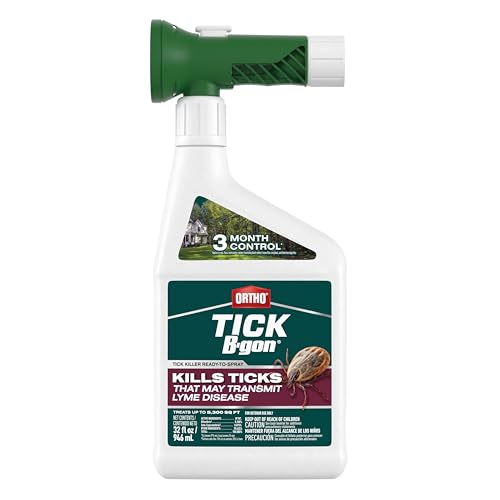
- BrandOrtho

- BWP Score7.6
BWP Score is a ranking system developed by Bestwinterproducts.com. BWP score has no relationship or impact from any manufacturers or sales agent websites. Learn more
- BrandTiCK MiTT

- BWP Score7.0
BWP Score is a ranking system developed by Bestwinterproducts.com. BWP score has no relationship or impact from any manufacturers or sales agent websites. Learn more
- BrandCREATESPACE

- BWP Score6.0
BWP Score is a ranking system developed by Bestwinterproducts.com. BWP score has no relationship or impact from any manufacturers or sales agent websites. Learn more
- BrandMajosta

- BWP Score-
BWP Score is a ranking system developed by Bestwinterproducts.com. BWP score has no relationship or impact from any manufacturers or sales agent websites. Learn more
- BrandCREATESPACE

- BWP Score-
BWP Score is a ranking system developed by Bestwinterproducts.com. BWP score has no relationship or impact from any manufacturers or sales agent websites. Learn more
- BrandN/A

- BWP Score-
BWP Score is a ranking system developed by Bestwinterproducts.com. BWP score has no relationship or impact from any manufacturers or sales agent websites. Learn more
- BrandN/A
Last update on 2026-10-03 / Affiliate links / Images, Product Titles, and Product Highlights from Amazon Product Advertising API
FAQs
Do freezing temperatures actually kill ticks?
Sub-zero air can kill ticks if they are trapped in the open, but ticks rarely stay exposed. They shelter under snowpack and fallen leaves, where ground temperatures remain near freezing. Without that snow and leaf insulation, prolonged sub-zero cold and dry winter winds can kill them.
Can a tick survive inside a warm house during winter?
Most outdoor ticks cannot survive in a heated home because indoor winter air is too dry. Ticks need humidity to survive and usually dry out within a few days of entering a house. While brown dog ticks can occasionally live indoors, blacklegged deer ticks dehydrate and die quickly.
At what temperature do ticks become active again in winter?
Blacklegged ticks become active whenever outdoor temperatures climb above thirty-two degrees Fahrenheit. During winter thaws with sunshine and temperatures in the upper thirties or forties, these ticks wake up and seek hosts. Other species, like American dog ticks, generally stay dormant until temperatures top fifty degrees.
What should you do if a tick's head breaks off in the skin?
If mouthparts break off in the skin, do not dig into the flesh with tweezers or needles. Wash the area thoroughly with soap and water or rubbing alcohol, then let it heal. The skin will gradually push out the tiny mouthparts over time, much like a small wood splinter.
Do ticks drown when winter snow melts into slush?
Ticks do not drown easily in melting snow or puddles because they have a very slow respiration rate. Their bodies can survive submerged under cold water for several days. Once the water drains away and the ground begins to dry, surviving ticks resume normal winter behavior.


Best Warm Winter Scarves 2026 For Cozy Comfort

Best Green Ski Goggles 2026 For Clear Vision On Slopes

12 Best Corner Electric Fireplace 2026: My Ultimate Guide To Pick One

Best Battery Powered Snow Blower 2026 For Effortless Snow Clearing

Best Ski Goggles Under 30 Inches For Crisp Vision And Comfort

Best Cooling Scarf 2026 For Instant Relief And Comfort

Fake Snow for Grass: Create a Realistic Winter Lawn Display

Dimplex Prism Wall Mount Fireplace: Sleek Heat With Modern Flame Style





