
How Long Do Skunks Spray in the Winter?

Skunks can spray all winter long. They do not truly hibernate, taking only short resting naps instead of sleeping straight through until spring. That means defensive spraying continues through freezing weather, jumping sharply from late January into February when restless males search for mates.
Exactly how much action you see depends on the thermometer and the calendar. Deep freezes keep skunks tucked safely in their dens, but mild evening thaws draw them right into your yard. Once that musk hits your porch or pet, the oily odor can linger for weeks because cold air slows down evaporation, while wet snow easily revives stale scents. Learning their cold-weather routine helps you protect your pets and clear the air fast.
The Short Version
- Skunks do not truly hibernate; they enter torpor (a deep resting sleep that animals wake up from on mild winter days) and leave their dens whenever freezing temperatures ease.
- Spraying peaks sharply between late January and February because winter breeding season drives males to roam, fight rivals, and chase reluctant females.
- Cold winter air preserves the oily spray for weeks outdoors because sub-freezing temperatures prevent volatile sulfur compounds from evaporating.
- You can neutralize the smell on dogs indoors without freezing hoses by applying a degreasing deskunking solution to dry fur before rinsing with lukewarm water.
Do Skunks Hibernate in Winter?
Many people expect all wildlife to vanish once snow blankets the ground. True hibernators, such as woodchucks or bats, drop their body temperatures near freezing and sleep straight through until spring. Skunks do not hibernate in this manner. Instead, they rely on torpor (a deep resting sleep that animals wake up from on mild winter days) to conserve energy during the harshest months.
During torpor, a skunk slows its heart rate and breathing while lowering its internal temperature by just a few degrees. This state allows the animal to burn its stored body fat slowly. A skunk might stay huddled underground for one or two weeks during an intense blizzard or deep freeze. But when a winter thaw pushes temperatures above freezing, skunks wake up, stretch, and venture out to forage for grubs, berries, and small rodents.
Females often den together in communal burrows during the cold months to share warmth, sometimes packing up to a dozen animals into a single underground space. Males tend to stay solitary or occupy separate nearby shelters. Because these animals wake up periodically throughout December, January, and February, their defense mechanisms remain fully armed. A sudden late-night trip to the backyard can easily startle a foraging skunk that just emerged from a week of sleep.
Why Skunk Spraying Peaks in Late Winter
If you catch a sudden wave of skunk odor near your home in mid-February, you are witnessing peak skunk breeding season. In most parts of North America, skunk mating season runs from late January through March. This seasonal biological clock changes skunk behavior dramatically.
During these weeks, male skunks abandon their quiet winter routines and travel up to several miles every night searching for mates. This massive spike in movement leads to territorial clashes. When two males cross paths near the same den or along the same scent trail, intense fights break out. Skunks will hiss, stomp their front feet, and spray each other directly at close range.
Female skunks cause plenty of winter spray as well. When an aggressive male pursues a female that is not receptive or has already mated, she will promptly fire a defensive blast to drive him away. Because dozens of these courtship battles take place in neighborhood yards, along fence lines, and under garden decks, winter spraying reaches its highest point of the entire year between late January and late February.
All of this nighttime movement puts skunks directly in the path of domestic pets and passing vehicles. Skunks have poor eyesight and cannot see clearly past ten feet. When a family dog charges out into the darkness to investigate a rustling noise, the terrified skunk relies on its scent glands (small twin sacs under the tail that store spray) to fire an oily stream up to fifteen feet.
How Long the Odor Lasts in Cold Weather
Summer skunk smells are bad, but winter skunk odors can feel almost impossible to eliminate. In warm weather, high heat, direct sunlight, and outdoor air circulation break down the oily musk within a few days. Freezing winter conditions do the exact opposite by locking the scent in place.
The foul liquid skunks discharge contains thiols (sulfur oils in the spray that make it smell like rotten eggs). Thiols are heavy, oily chemical compounds that stick tightly to wood, concrete, pet fur, and clothing. Sub-freezing temperatures slow the evaporation rate of these oils to a crawl. The cold air essentially preserves the sulfur compounds, meaning an untreated spray on a porch, fence, or snow drift can linger for three to four weeks without losing strength.
Snow creates its own set of problems. A fresh layer of snow can temporarily mask the smell by trapping the oils against the cold soil. However, as soon as the afternoon sun melts the crust, moisture reactivates the thiols. The evaporating water carries the sulfur molecules right back into the air, creating a fresh wave of stench weeks after the actual incident.
When skunk oil gets tracked indoors on paws or jackets, modern home heating makes the situation worse. Furnaces circulate dry, warm air that causes trapped oils to vaporize rapidly, filling every room with eye-watering odor. If you are airing out rooms while trying to avoid massive heating bills, look into how to keep warm in winter in the house without waste so your living space stays comfortable during cleanup.
Cleaning Winter Spray off Pets and Siding in Freezing Weather
Handling a sprayed dog in the dead of winter is stressful. You cannot hook up an outdoor garden hose without risking burst pipes or turning your pet into an icicle. Cleaning your pet requires an organized indoor routine that keeps the oils from spreading to your furniture.
- Isolate your pet immediately: Keep your dog in an uncarpeted space, such as an attached garage, mudroom, or empty bathtub. Do not allow your pet to roll on rugs, blankets, or upholstery, because sulfur oils transfer on contact.
- Wipe away the wet oil before adding water: Use dry paper towels to blot the direct spray zone, which is usually the face, chest, or neck. Discard the paper towels in an outdoor trash bin immediately. Adding water before wiping simply spreads the greasy oils across a wider area of the coat.
- Apply an odor-neutralizing wash to dry fur: Rub a specialized skunk shampoo or a mixture of one quart three-percent hydrogen peroxide, one-quarter cup baking soda, and one teaspoon grease-cutting liquid dish soap directly into the dry coat. Work the lather deep down to the skin while avoiding the eyes and mouth.
- Let the wash sit for ten minutes: The soap dissolves the thick grease, while the oxidizing wash neutralizes the sulfur thiols chemically. Give the mixture sufficient time to work before touching it.
- Rinse with lukewarm water indoors: Wash the mixture out thoroughly using lukewarm water in your shower or tub. Never use hot water, because warm heat opens skin pores and drives skunk oil deeper into your dog's skin.
- Dry thoroughly before letting your pet outside: Towel dry your pet inside the warm house and keep them indoors until their undercoat is completely dry. Sending a damp dog into sub-freezing winds can cause dangerous chills.
To remove spray from house siding, concrete walkways, or deck railings, scrub the surface with a mixture of warm water, household degreaser, and liquid dish soap using a stiff utility brush. Rinse with buckets of clean lukewarm water. Clear away excess moisture on walkways so the runoff does not freeze into dangerous patches of black ice.
How to Prevent Skunks from Denning Under Porches and Sheds
Because frozen ground makes digging burrows difficult in midwinter, skunks look for existing shelters. The voids beneath low porches, backyard sheds, crawl spaces, and raised decks offer warm, wind-free refuge. Taking proactive steps around your home keeps wandering skunks from claiming your foundation as their winter bedroom.
- Check for foundation gaps: Walk your home's perimeter during the day. Look for animal paths in the snow, openings under deck stairs, and cracked foundation lattice. If you need to spend extra time outside inspecting low crawl spaces in biting winds, check how to keep warm in winter outdoors with ease to stay protected against wind chill.
- Install buried mesh fencing: Fasten heavy-duty galvanized wire mesh (hardware cloth) along the bottom edge of decks and outbuildings. Bury the lower edge six inches deep and bend it outward in an L-shape to stop skunks from squeezing through the soil underneath.
- Verify the space is empty before sealing: Never board up a hole without checking if an animal is already resting inside. Cover the suspected entry point loosely with dry straw or balled-up newspaper. If the material remains in place for three nights of mild weather, the den is vacant and safe to seal shut.
- Distribute scent repellents in crawl spaces: Skunks possess highly sensitive noses. Hanging repellent pouches that use natural essential oils like peppermint, garlic, and clove around crawl spaces creates an irritating scent barrier that encourages wildlife to den elsewhere.
- Remove winter food sources: Clean up fallen seeds underneath backyard bird feeders, secure your trash cans with locking bungee cords, and never leave pet food bowls outside after dark.
Choosing the Right Winter Odor Removers and Repellents
Preparing for winter skunk problems before they happen saves hours of frustration. When freezing winds are blowing outside, you want reliable supplies stored in your utility room rather than making midnight runs to emergency stores.
When selecting a pet wash for skunk musk, look for solutions that specifically target and neutralize sulfur thiols. Ordinary dog shampoos only wash away surface dirt, leaving the oily musk trapped against the hair shafts. Choose veterinarian-grade or enzymatic formulas that break down oil without irritating cold, sensitive skin. Confirm on the product label that the wash rinses away easily with lukewarm water.
For yard and perimeter defense, select weather-resistant repellent pouches or sprays formulated with natural plant oils. Ingredients like peppermint oil, garlic oil, and cedarwood create strong scent zones that disrupt skunk navigation. Check that any outdoor repellent you choose specifies safe use around family pets and children when applied as directed.

- BWP Score10.0
BWP Score is a ranking system developed by Bestwinterproducts.com. BWP score has no relationship or impact from any manufacturers or sales agent websites. Learn more
- BrandMotrapso

- BWP Score10.0
BWP Score is a ranking system developed by Bestwinterproducts.com. BWP score has no relationship or impact from any manufacturers or sales agent websites. Learn more
- BrandMotrapso

- BWP Score10.0
BWP Score is a ranking system developed by Bestwinterproducts.com. BWP score has no relationship or impact from any manufacturers or sales agent websites. Learn more
- BrandMotrapso

- BWP Score8.6
BWP Score is a ranking system developed by Bestwinterproducts.com. BWP score has no relationship or impact from any manufacturers or sales agent websites. Learn more
- BrandNature's Miracle

- BWP Score8.4
BWP Score is a ranking system developed by Bestwinterproducts.com. BWP score has no relationship or impact from any manufacturers or sales agent websites. Learn more
- BrandOdorcide

- BWP Score8.2
BWP Score is a ranking system developed by Bestwinterproducts.com. BWP score has no relationship or impact from any manufacturers or sales agent websites. Learn more
- BrandOdorcide

- BWP Score8.0
BWP Score is a ranking system developed by Bestwinterproducts.com. BWP score has no relationship or impact from any manufacturers or sales agent websites. Learn more
- BrandBonide
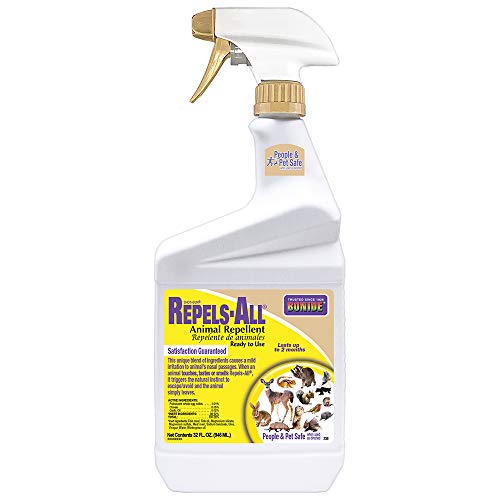
- BWP Score7.6
BWP Score is a ranking system developed by Bestwinterproducts.com. BWP score has no relationship or impact from any manufacturers or sales agent websites. Learn more
- BrandBonide

- BWP Score7.6
BWP Score is a ranking system developed by Bestwinterproducts.com. BWP score has no relationship or impact from any manufacturers or sales agent websites. Learn more
- BrandPredatorPee

- BWP Score7.6
BWP Score is a ranking system developed by Bestwinterproducts.com. BWP score has no relationship or impact from any manufacturers or sales agent websites. Learn more
- BrandNatureStop

- BWP Score7.4
BWP Score is a ranking system developed by Bestwinterproducts.com. BWP score has no relationship or impact from any manufacturers or sales agent websites. Learn more
- BrandNatural Armor

- BWP Score6.6
BWP Score is a ranking system developed by Bestwinterproducts.com. BWP score has no relationship or impact from any manufacturers or sales agent websites. Learn more
- BrandStinkBlitz
Last update on 2026-10-03 / Affiliate links / Images, Product Titles, and Product Highlights from Amazon Product Advertising API
FAQs
How many times can a skunk spray before running out?
A skunk carries enough fluid in its scent sacs for roughly five or six consecutive discharges. Because it requires up to ten days for the animal to regenerate a full supply of musk, skunks avoid spraying unless they feel trapped. They almost always warn intruders first by stamping their paws, hissing, and raising their tails.
Can a skunk spray while it is sleeping during winter torpor?
A skunk cannot discharge its spray while asleep. Spraying requires voluntary muscle contraction around the twin scent glands beneath the tail. However, if a curious pet enters an active winter den and disturbs the sleeping skunk, the animal will wake up quickly and spray defensively to protect its space.
Why does my dog smell like skunk again whenever it snows or rains?
Skunk thiols bond tightly to the microscopic layers of pet hair. If even tiny remnants of the sulfur oils remain on the coat after washing, they dry out and go dormant. When your dog walks outside into wet snow or damp air, the humidity reactivates those leftover compounds, releasing the familiar rotten odor all over again.
When should I call a professional wildlife removal specialist?
You should call a licensed wildlife professional if a skunk establishes a winter den beneath an inhabited room and refuses to leave, or if an animal appears aggressive, unsteady, or active during daylight hours. Never try to trap, corner, or handle a wild skunk on your own inside a confined crawl space.


Best Warm Winter Scarves 2026 For Cozy Comfort

Best Green Ski Goggles 2026 For Clear Vision On Slopes

12 Best Corner Electric Fireplace 2026: My Ultimate Guide To Pick One

Best Battery Powered Snow Blower 2026 For Effortless Snow Clearing

Best Ski Goggles Under 30 Inches For Crisp Vision And Comfort

Best Cooling Scarf 2026 For Instant Relief And Comfort

Fake Snow for Grass: Create a Realistic Winter Lawn Display

Dimplex Prism Wall Mount Fireplace: Sleek Heat With Modern Flame Style





