
How Long Do Winter Seeds Take to Grow?

Many gardeners assume that planting during chilly weather is hopeless because cold soil will kill the seeds. That worry is rarely true: hardy winter seeds sprout in 7 to 21 days in cool conditions, and most are ready to pick in 30 to 90 days. Seeds placed in freezing outdoor ground do not die; they simply rest until the first mild days awaken them.
A few basic factors change this schedule. Soil temperature is the biggest driver, acting like a pause button until the ground warms up. Plant type also plays a role, since quick leafy greens sprout much faster than slow root vegetables. Finally, your setup shifts the clock, whether you use outdoor milk jugs, indoor trays, or a cold frame (a clear covered box that protects plants). Here is what is happening under the dirt and when those first green shoots will appear.
Sprouting Takes Weeks While Harvest Takes Months in Winter
When you plant seeds during cold weather, you must track two completely different timelines. The first timeline is sprouting, which is the time it takes for a seed to crack open and push its first green leaf through the dirt. The second timeline is the days until ready to pick, which covers the entire span from that first green shoot to a full plant on your dinner plate.
Seed packets often print numbers that assume warm spring soil. A packet might promise sprouts in seven days, but that estimate relies on soil temperatures around 65 degrees Fahrenheit. When soil temperatures drop into the 40s or low 50s, those same seeds can take 14 to 28 days just to show their first green leaves. The seed is not struggling or dying; it is simply moving slowly because cool soil slows down every cellular process.
The time needed to reach a usable harvest stretches out even further in cold months. Fast-growing crops like radishes might take 25 days to finish in mild weather, but they can easily take 40 to 50 days in late autumn or winter. Heartier vegetables like spinach, kale, and winter cabbage often take anywhere from 60 to 90 days or longer before you can pick a bowl of fresh leaves.
Much of this delay comes down to daylight rather than cold temperatures alone. When days drop below 10 hours of sunlight in deep winter, most vegetables stop actively growing and simply hold their size in the garden. Once day length increases again in late winter, those mature plants kick back into gear, allowing you to harvest crisp, sweet greens long before spring-sown crops even wake up.
Cold Soil Keeps Winter Seeds Sleeping Instead of Growing
A common fear among gardeners is that freezing weather kills seeds sitting in the ground. You plant seeds in autumn or early winter, weeks pass without any green sprouts, and you worry that a hard frost turned them into lifeless dust. In reality, healthy seeds have built-in survival switches that prevent them from waking up into freezing air that would kill tender young leaves.
This natural resting state is called dormancy, which is simply resting through cold weather until conditions improve. Seeds sense two key signals before they start growing: steady moisture and sustained warmth. If the ground drops below 40 degrees Fahrenheit, the natural enzymes inside the seed stay switched off. The seed sits quietly under the dirt, protected by its hard outer shell, waiting for the earth to warm up.
Frozen soil acts much like a freezer drawer in your kitchen. In nature, wild plants drop their seeds onto the ground in October and November. Those seeds endure snowstorms, freezing rain, and hard ice without suffering damage. When you spend cold mornings checking your beds, learning how to keep warm in winter outdoors lets you inspect the soil carefully without rushing your garden chores.
The biggest mistake you can make during this cold period is disturbing the earth. Anxious gardeners often dig around with their fingers or a trowel to look for seeds that have not surfaced. Digging can easily snap the microscopic root tip that a seed has just pushed out, or bury the seed too deep for it ever to reach the sunlight. If your soil is cold, let the seeds sleep in peace.
Quick Salad Greens and Radishes Produce Food First
If you want fresh food from your cold-weather planting as quickly as possible, you must choose crops bred to grow in chilly conditions. Some vegetables handle cold soil with ease, while warm-season crops like tomatoes or beans will simply rot if planted in winter dirt. Focus on these dependable cool-season vegetables for the fastest results:
- Radishes: These are the fastest vegetables you can grow in cool weather. They can sprout in 7 to 10 days if the soil stays above 45 degrees Fahrenheit, and roots are often ready to pull in 25 to 35 days.
- Arugula and Asian Greens: Arugula, tatsoi, and mizuna thrive in brisk temperatures. They generally sprout in 7 to 12 days and produce tender baby salad leaves in 30 to 40 days.
- Spinach: Spinach is remarkably cold-hardy and can sprout in soil as cold as 35 to 40 degrees Fahrenheit. It takes 10 to 18 days to sprout and 40 to 50 days until baby leaves are ready to pick.
- Leaf Lettuce: Loose-leaf and butterhead varieties sprout in 8 to 14 days in cool conditions. They provide harvestable baby greens in 35 to 45 days, especially when grown under a protective cover.
- Turnips: Turnip seeds sprout in 6 to 10 days in cool dirt. You can harvest the tender green tops in 30 days, while the small, sweet roots take about 45 to 55 days to mature.
By contrast, heading crops like broccoli, cauliflower, cabbage, and winter leeks require patience. Even though they survive heavy frost, they typically require 70 to 110 days to form full heads or thick stems. Plant quick-growing salad greens alongside your slow brassicas so you have fresh food to enjoy while the larger crops take their time.
Indoor Warmth Speeds Growth While Outdoor Sowing Waits
How you plant your winter seeds dramatically changes how long you must wait for sprouts. Starting seeds indoors on a warm seedling mat produces green shoots in days, while sowing them outdoors in the cold produces plants that wait for spring. Both methods work well, but they require very different expectations.
Indoor seed starting uses artificial warmth and controlled moisture. In a room kept at 65 to 70 degrees Fahrenheit, cool-season seeds wake up rapidly. Spinach, kale, and lettuce can sprout in as little as 4 to 7 days inside. When starting seedlings indoors, knowing how to keep warm in winter in the house without creating hot, dry drafts near window sills protects your young plants from drying out prematurely.
However, indoor winter seedlings demand daily care. They need bright grow lights positioned just two inches above their leaves to prevent them from growing tall, pale, and weak. Before you move indoor seedlings outside into real winter weather, you must spend a week gradually exposing them to cold air and wind, a process known as hardening off. If you skip this step, the sudden shock of freezing wind can ruin weeks of work.
Outdoor winter sowing takes the opposite approach. Gardeners plant seeds directly into milk jugs with drainage holes, unheated plastic tunnels, or a cold frame, which is a clear covered box protecting plants from harsh winds. These containers sit outside in freezing snow and rain all winter. The seeds stay dormant through January and February, freezing and thawing naturally with the weather.
With outdoor winter sowing, you might wait 60 to 90 days before you see a single sprout. But when early spring sunshine warms the inside of the container, the seeds wake up naturally. These outdoor seedlings grow thick, stocky stems and dense root systems that are completely adapted to cold winds from day one. You trade fast indoor sprouting for hardy outdoor plants that require almost no babying.
Firm Seeds Are Sleeping While Mushy Seeds Have Rotted
While cold soil rarely harms dormant seeds, soggy soil is another story. If winter dirt stays completely waterlogged for several weeks, oxygen cannot reach the seed coat. Without oxygen, harmless soil fungi and bacteria multiply and attack the seed, causing it to rot before it ever gets a chance to sprout. You can easily confirm whether your seeds are still alive or gone by following a simple inspection checklist:
- Check the soil moisture: Touch the surface of the soil. It should feel like a damp sponge that has been thoroughly wrung out. If water pools on the surface or the soil smells sour and stagnant, excess moisture is a threat.
- Uncover a test spot: Pick one tiny corner of your garden bed or one corner of your planting container. Use a clean popsicle stick or your fingertip to gently scrape back the top quarter inch of dirt until you find a seed.
- Look closely at the seed coat: A healthy seed looks very similar to the day it came out of the packet, though it may be slightly swollen with water. A dead or rotting seed often looks dull, discolored, or covered in white or gray fuzz.
- Perform the gentle squeeze test: Lift the seed and press it gently between your thumb and index finger. If the seed feels firm, solid, and resists light pressure, it is alive and resting through cold weather. If it collapses easily, feels like soft mush, or squirts out a watery paste, the seed has rotted.
If your squeeze test confirms that the seed is firm, gently set it back in place, cover it with a light layer of soil, and leave it alone. The seed is simply waiting for warmer soil temperatures. If your test reveals mushy, rotted seeds, clear out the affected row, loosen the soil to improve drainage, and plant fresh seeds once the bed is no longer waterlogged.
Cold-Hardy Seeds and Growing Guides Simplify Winter Gardening
Succeeding with winter gardening starts with selecting the right plant varieties and consulting reliable growing timelines. Standard summer seed packets often lack the frost resistance needed to survive freezing soil and short daylight hours. Choosing seed collections specifically packaged for cool-season planting ensures that your varieties can withstand frosty mornings without bolting or dying.
When selecting seeds for winter planting, look for collections that emphasize cold tolerance, bolt resistance, and frost resilience. Varieties such as savoy-leafed spinach, winter cabbage, flat-leaf kales, and rugged root vegetables develop higher natural sugar contents in cold weather, which acts like natural antifreeze in their plant cells. Check seed packets to ensure they list realistic days until ready to pick in cool weather and state minimum germination temperatures.
Gardening handbooks focused on winter growing provide realistic weekly planting calendars that take the guesswork out of cold-season schedules. A good winter gardening guide helps you map your local frost dates against daylight hours, showing you exactly when to plant so your crops reach picking size before deep freezes arrive. By pairing cold-hardy varieties with clear seasonal advice, you can harvest crisp vegetables from your garden throughout the coldest months.

- BWP Score9.4
BWP Score is a ranking system developed by Bestwinterproducts.com. BWP score has no relationship or impact from any manufacturers or sales agent websites. Learn more
- BrandStorey Publishing
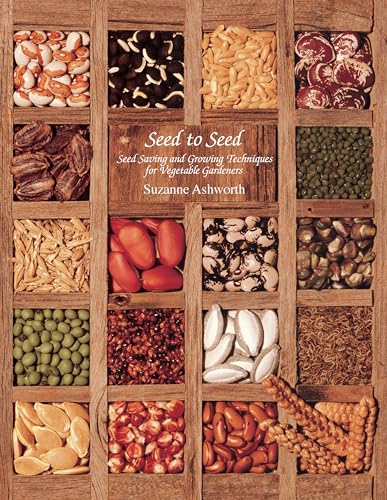
- BWP Score9.4
BWP Score is a ranking system developed by Bestwinterproducts.com. BWP score has no relationship or impact from any manufacturers or sales agent websites. Learn more
- BrandSeed Savers Exchange

- BWP Score9.4
BWP Score is a ranking system developed by Bestwinterproducts.com. BWP score has no relationship or impact from any manufacturers or sales agent websites. Learn more
- BrandStorey Publishing
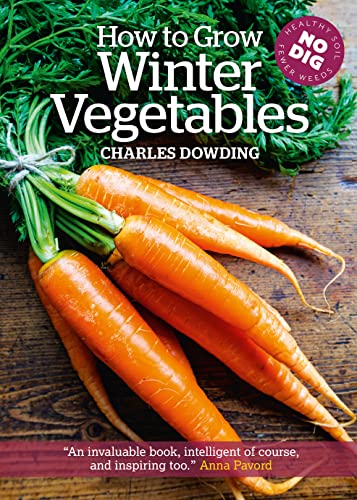
- BWP Score9.4
BWP Score is a ranking system developed by Bestwinterproducts.com. BWP score has no relationship or impact from any manufacturers or sales agent websites. Learn more
- BrandGreen Books

- BWP Score9.2
BWP Score is a ranking system developed by Bestwinterproducts.com. BWP score has no relationship or impact from any manufacturers or sales agent websites. Learn more
- BrandFAMILY SOWN

- BWP Score9.2
BWP Score is a ranking system developed by Bestwinterproducts.com. BWP score has no relationship or impact from any manufacturers or sales agent websites. Learn more
- BrandHOME GROWN

- BWP Score9.0
BWP Score is a ranking system developed by Bestwinterproducts.com. BWP score has no relationship or impact from any manufacturers or sales agent websites. Learn more
- BrandNatureZ Edge

- BWP Score9.0
BWP Score is a ranking system developed by Bestwinterproducts.com. BWP score has no relationship or impact from any manufacturers or sales agent websites. Learn more
- BrandStorey Publishing

- BWP Score8.8
BWP Score is a ranking system developed by Bestwinterproducts.com. BWP score has no relationship or impact from any manufacturers or sales agent websites. Learn more
- BrandSWEET YARDS

- BWP Score8.6
BWP Score is a ranking system developed by Bestwinterproducts.com. BWP score has no relationship or impact from any manufacturers or sales agent websites. Learn more
- BrandSURVIVAL GARDEN SEEDS

- BWP Score8.4
BWP Score is a ranking system developed by Bestwinterproducts.com. BWP score has no relationship or impact from any manufacturers or sales agent websites. Learn more
- BrandHOME GROWN

- BWP Score8.4
BWP Score is a ranking system developed by Bestwinterproducts.com. BWP score has no relationship or impact from any manufacturers or sales agent websites. Learn more
- BrandHOME GROWN
Last update on 2026-10-03 / Affiliate links / Images, Product Titles, and Product Highlights from Amazon Product Advertising API


Best Warm Winter Scarves 2026 For Cozy Comfort

Best Green Ski Goggles 2026 For Clear Vision On Slopes

12 Best Corner Electric Fireplace 2026: My Ultimate Guide To Pick One

Best Battery Powered Snow Blower 2026 For Effortless Snow Clearing

Best Ski Goggles Under 30 Inches For Crisp Vision And Comfort

Best Cooling Scarf 2026 For Instant Relief And Comfort

Fake Snow for Grass: Create a Realistic Winter Lawn Display

Dimplex Prism Wall Mount Fireplace: Sleek Heat With Modern Flame Style





