
How Long Should You Heat Up Your Car in Winter?

Most drivers believe a freezing car needs ten or fifteen minutes of idling in the driveway before it is safe to pull away. In reality, modern engines need only 30 to 60 seconds to circulate oil and prepare for the road. Sitting parked with the motor running wastes fuel and actually delays the heat, because an engine warms up much faster when moving gently down the street.
A few morning realities will change that quick timeline. Heavy frost or thick ice on the windshield means staying parked until your glass is completely clear, since driving blind is dangerous. Bitter sub-zero temperatures also call for an extra minute so motor fluids can flow smoothly through the system. Older classic models built before computer-controlled fuel systems also need several minutes to prevent stalling. Understanding these simple differences helps you stay warm and protect your vehicle all winter long.
The 60-Second Idling Rule for Modern Vehicles
Running your vehicle in the driveway for fifteen or twenty minutes before leaving is an outdated habit. For almost all passenger vehicles built in the last three decades, modern fuel injection (a computer system feeding fuel in modern cars) eliminates the need for prolonged warmups. An engine only needs 30 to 60 seconds of idle time to build steady oil pressure and distribute motor oil to all moving parts. Once that minute passes, the engine is fully lubricated and ready to move.
In older cars built decades ago, carburetors mixed fuel and air through mechanical jets that required warm metal to vaporize fuel properly. Modern fuel injection systems rely on electronic sensors and an engine computer. The system monitors air and engine temperatures continuously, adjusting the fuel spray within milliseconds to keep the engine running smoothly from the moment you turn the key.
Idling (running the engine while parked) for long stretches actually causes unnecessary engine wear. When an engine idles cold, the computer injects extra fuel into the cylinders to keep the idle stable. Because the engine is not working under load and warms up slowly, some of that extra gasoline fails to ignite. This unburned fuel washes over cylinder walls, stripping away the thin layer of protective motor oil that coats the pistons.
Over time, this fuel wash leads to cylinder wall wear and dilutes your motor oil in the oil pan below. Thin, fuel-soaked oil loses its ability to protect high-friction components properly. Extended idling also wastes expensive gasoline while traveling zero miles per gallon, and fouls spark plugs with carbon deposits.
Extreme sub-zero weather changes this timeline only slightly. If the temperature drops below zero degrees Fahrenheit, motor oil thickens and moves sluggishly. In those bitter conditions, waiting 60 to 90 seconds gives the oil pump enough time to circulate fluid through tight engine channels. After that brief pause, shifting into gear and driving away gently is the best choice for the vehicle.
Why Driving Gently Warms Your Cabin Faster Than Idling
Many drivers stay parked because their heater blows frigid air, assuming they must wait until the vents turn hot. But sitting in park is the slowest way to warm up your vehicle cabin. Your car heating system depends directly on your engine coolant (fluid that transfers engine heat to your cabin). That fluid circulates through the engine block, absorbs heat from combustion, and carries it into a small dashboard radiator called the heater core.
When your car is parked at idle, the engine runs at low speed with zero strain. It burns very little fuel, which means it produces very little waste heat. Because almost no heat enters the coolant, your dashboard vents continue blowing cold air for ten to fifteen minutes. You end up shivering while your vehicle burns fuel without warming the cabin.
Driving creates an immediate mechanical workload. Moving thousands of pounds of vehicle forces the engine to burn more fuel and generate heat quickly. That extra energy warms the circulating coolant rapidly, warming your cabin three to four times faster than idling in place.
Driving gently means keeping your foot light on the accelerator pedal and keeping engine speeds low for the first five to ten minutes. Avoid aggressive passing, heavy towing, or high-speed highway merges until your dashboard temperature needle reaches its normal center position. Smooth neighborhood driving allows the engine, transmission, and steering fluids to warm up together in harmony.
If your vehicle has heated seats or a heated steering wheel, turn them on immediately. These features rely on electric heating elements powered by the alternator rather than engine coolant. They provide direct surface warmth within a minute while the engine warms the cabin air.
The Quickest Way to Defrost Your Windshield Step by Step
Modern engines are ready to roll within a minute, but you must never drive before your glass is completely clear. Driving with frosted glass creates severe blind spots and safety hazards. Here is the quickest sequence to clear frozen glass without wasting time.
- Start the engine and set climate controls to full defrost. This routes air directly against the windshield base, establishing airflow before interior humidity can freeze onto cold glass.
- Turn the temperature knob to maximum heat and set the fan to high. Pushing maximum airflow across the heater core transfers warmth straight onto the glass to weaken exterior ice.
- Switch the air conditioning (A/C) button on. The air conditioning system acts as a dehumidifier, stripping moisture from cabin air so it cannot condense into window fog.
- Turn off the air recirculation button to bring in fresh outside air. Winter outside air is dry, whereas recirculating cabin air traps breath moisture and delays clearing.
- Crack your side windows open roughly half an inch. A small opening gives humid cabin air an immediate exit path so moisture does not settle on cold glass.
- Step outside with a plastic scraper to remove exterior ice and snow. Scraping clears heavy outer ice so the defroster only handles light film, ensuring clear visibility before driving.
While scraping ice in freezing winds, staying warm makes morning vehicle prep much easier. You can review our advice on how to keep warm in winter outdoors to protect your hands and face from wind chill. Choosing warm footwear also prevents numb toes on frozen pavement, and you can explore how to keep feet warm during winter for reliable cold-weather comfort.
Common Winter Warmup Habits That Waste Gas and Cause Damage
Morning cold often leads drivers to adopt routines that seem helpful but cause mechanical wear or create safety risks. Here are the most common warmup mistakes to avoid.
Leaving your car idling unattended in the driveway invites trouble. In many areas, leaving an unattended running car with keys inside violates local anti-idling laws. Running vehicles are easy targets for thieves, and auto insurance policies frequently deny claims if you left keys in an unattended vehicle.
Pouring hot or boiling water over frozen glass is a costly mistake. Automotive windshields are made of laminated safety glass that expands rapidly when heated. Freezing glass exposed to hot water suffers violent thermal shock, cracking across the entire pane or shattering within seconds. Always use a plastic ice scraper or a commercial de-icer spray instead.
Blasting the heater blower fan on high immediately after starting backfires. When the engine is cold, running the cabin fan pushes freezing air across the heater core. This pulls away the initial heat the engine is trying to generate, prolonging warmup time for both engine and cabin. Keep the fan off or on low for the first minute.
Revving the engine while parked in neutral or park causes severe wear. Stomping the gas pedal forces fast rotation on cold internal bearings before motor oil establishes a protective film. Cold revving causes metal-on-metal friction on bearings, camshafts, and piston skirts. Let the engine idle at its normal speed.
Scraping a small peephole on the windshield is dangerous and illegal. Driving with only a tiny cleared opening blinds your peripheral vision, hiding pedestrians, cyclists, and cross traffic. Take the extra two minutes to clear every window, both mirrors, and all vehicle lights completely before shifting into drive.
Auxiliary Heating Gear for Extreme Winter Climates
In regions where temperatures remain far below freezing, factory vehicle heaters can take several miles to overcome the chill. Supplemental cold-weather accessories can bridge that gap by providing targeted warmth and speeding up the defogging process.
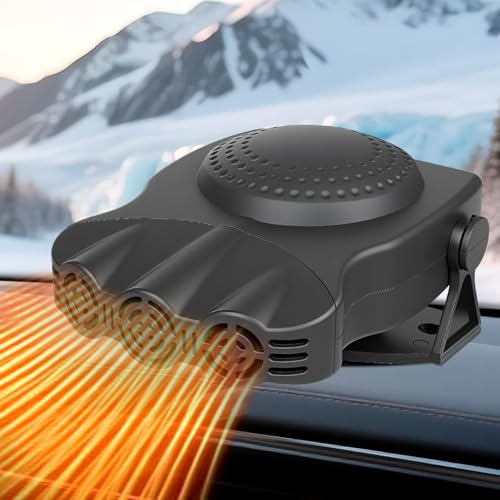
Portable 12-volt defroster units deliver focused warm air to stubborn areas of glass. These compact units plug into your cigarette lighter socket and begin warming within seconds using ceramic heating elements. They help clear driver sightlines while engine coolant warms up. Before purchasing, verify the wattage rating against your car auxiliary power port. Most 12-volt vehicle sockets use a 10-amp or 15-amp fuse, which supports accessories between 120 and 200 watts. Look for models made from heat-resistant rigid plastic with a sturdy base or suction mount to keep the unit secure on your dashboard.
Personal electric travel blankets offer immediate warmth for passengers on freezing mornings. Made from soft polyester fleece, these blankets plug into a 12-volt port and warm your lap or legs while cabin air heats up. Before buying, verify that the power cord is long enough to reach rear seats, and confirm the blanket includes an automatic shut-off timer to prevent battery drain.
Engine oil pan heating pads and block heaters are invaluable for cars parked outdoors in sub-zero climates. Silicone heating pads stick to the metal oil pan and plug into a 120-volt household outlet with an extension cord. Keeping motor oil warm overnight reduces startup friction, protects the battery, and helps the cabin heater produce warmth sooner. Confirm that the pad includes built-in thermal protection to regulate heat safely.
If your vehicle heater blows cold air even after fifteen minutes of steady driving, inspect the mechanical cooling system rather than buying accessories. A stuck thermostat, low coolant levels, or a clogged heater core will prevent heat from reaching your vents. Have a qualified technician inspect the cooling circuit to fix the problem safely.

- BWP Score10.0
BWP Score is a ranking system developed by Bestwinterproducts.com. BWP score has no relationship or impact from any manufacturers or sales agent websites. Learn more
- BrandQEPJO

- BWP Score10.0
BWP Score is a ranking system developed by Bestwinterproducts.com. BWP score has no relationship or impact from any manufacturers or sales agent websites. Learn more
- BrandKairueics

- BWP Score10.0
BWP Score is a ranking system developed by Bestwinterproducts.com. BWP score has no relationship or impact from any manufacturers or sales agent websites. Learn more
- BrandLLWAN

- BWP Score10.0
BWP Score is a ranking system developed by Bestwinterproducts.com. BWP score has no relationship or impact from any manufacturers or sales agent websites. Learn more
- BrandQEPJO
- BWP Score10.0
BWP Score is a ranking system developed by Bestwinterproducts.com. BWP score has no relationship or impact from any manufacturers or sales agent websites. Learn more
- BrandLLWAN

- BWP Score10.0
BWP Score is a ranking system developed by Bestwinterproducts.com. BWP score has no relationship or impact from any manufacturers or sales agent websites. Learn more
- BrandPPDAMN

- BWP Score8.8
BWP Score is a ranking system developed by Bestwinterproducts.com. BWP score has no relationship or impact from any manufacturers or sales agent websites. Learn more
- BrandMtsooning

- BWP Score8.4
BWP Score is a ranking system developed by Bestwinterproducts.com. BWP score has no relationship or impact from any manufacturers or sales agent websites. Learn more
- BrandStalwart

- BWP Score8.2
BWP Score is a ranking system developed by Bestwinterproducts.com. BWP score has no relationship or impact from any manufacturers or sales agent websites. Learn more
- BrandDXNQ

- BWP Score4.6
BWP Score is a ranking system developed by Bestwinterproducts.com. BWP score has no relationship or impact from any manufacturers or sales agent websites. Learn more
- BrandSTATABSTA

- BWP Score-
BWP Score is a ranking system developed by Bestwinterproducts.com. BWP score has no relationship or impact from any manufacturers or sales agent websites. Learn more
- BrandKzoom
Last update on 2026-10-03 / Affiliate links / Images, Product Titles, and Product Highlights from Amazon Product Advertising API
Frequently Asked Questions
Why does my car heater blow cold air when I stop at a red light?
At a red light, your engine returns to idle speed, causing the water pump to circulate hot coolant through the heater core more slowly. Because the engine is under minimal load, heat output drops, which can cause vent air to cool down slightly. If the air turns completely freezing at every stop, check your coolant level or have a mechanic inspect your water pump and thermostat.
Is idling for ten minutes necessary if the temperature is below zero?
Idling for ten minutes is unnecessary even in sub-zero weather. Modern fuel injection systems and winter-weight motor oils need only one to two minutes of idle time to circulate lubrication through the engine block. Driving gently after that brief pause warms both your engine and your cabin much faster than sitting parked.
Can I warm up my car inside a garage if the garage door is open?
Never run a vehicle inside a garage, even with the main garage door wide open. Dangerous carbon monoxide gas accumulates in enclosed spaces within minutes and seeps into living areas through interior doors, walls, and vents. Always back your vehicle completely out into the open driveway before letting the engine run for even thirty seconds.
How long should you warm up an older car with a carburetor?
Older vehicles built before the late 1980s that use carburetors generally need three to five minutes of warmup time in freezing weather. Carburetors rely on mechanical chokes that require warm engine metal to balance fuel and air properly without stalling. Once the choke disengages and the idle smooths out, you can begin driving at a gentle pace.


Best Warm Winter Scarves 2026 For Cozy Comfort

Best Green Ski Goggles 2026 For Clear Vision On Slopes

12 Best Corner Electric Fireplace 2026: My Ultimate Guide To Pick One

Best Battery Powered Snow Blower 2026 For Effortless Snow Clearing

Best Ski Goggles Under 30 Inches For Crisp Vision And Comfort

Best Cooling Scarf 2026 For Instant Relief And Comfort

Fake Snow for Grass: Create a Realistic Winter Lawn Display

Dimplex Prism Wall Mount Fireplace: Sleek Heat With Modern Flame Style




