
How to Heat a Greenhouse in Winter for Free

Most growers assume that protecting greenhouse plants through subfreezing weather requires running electric heaters or burning costly fuel. In reality, you can guard tender greens for free by using dark water barrels to store daytime sun and letting an active indoor compost pile radiate natural heat through the dark hours.
The exact temperature boost you achieve depends on how low your local night temperatures plunge and how many sunny hours hit the panels each day. Thin panels and cracked joints dump warmth rapidly into the wind, so blocking drafts is just as vital as having enough floor room for water drums or organic mulch. Here is how to combine these zero-cost methods to shelter your beds through the coldest months.
The Short Version
- Store sun heat in water: Place dark water barrels along the north interior wall to absorb daytime sunlight and radiate warmth overnight.
- Build an active compost pile: Set up a decomposing heap of straw and plant scraps in a corner to release biological heat.
- Stop cold drafts: Seal frame leaks with scrap tape or cloth, and press salvaged bubble wrap against cold walls to block heat loss.
- Cover crops directly: Drape old bedsheets or clear plastic over low hoops to trap a warm pocket of air right against the soil.
Storing Daytime Sun with Dark Water Barrels
Water is an effective tool for passive solar heating, which means trapping natural sunlight without electric fans or heaters. Water acts as thermal mass, which refers to dense items like water or stone that soak up day heat and release it at night. Water holds roughly four times as much heat per pound as concrete and twice as much as stone. During a clear winter day, sunshine passes through greenhouse glazing. If that energy hits bare ground or light framing, it turns into warm air, rises to the roof peak, and leaks away.
Placing water containers inside captures that warmth before it escapes. You do not need to buy specialized equipment. Bakeries and restaurants often discard five-gallon food buckets or fifty-five-gallon drums. Paint them with leftover dark exterior paint, since dark colors absorb solar radiation much faster than white or clear plastic.
Set your water containers against the north wall. In North America, the low winter sun cuts through south-facing panels and hits the north wall all day. Setting barrels there captures direct sunlight without shading your crops. Water weighs about 8.3 pounds per gallon, so a fifty-five-gallon drum weighs over 450 pounds when full. Place barrels on level ground or pavers so they remain stable. Position smaller buckets right beside planting beds so the stored warmth radiates into the soil root zone all night.
Generating Warmth with an Indoor Compost Pile
An active compost pile acts like a natural heater. When beneficial bacteria break down organic materials, their digestion produces biological heat. A working pile can reach internal temperatures between 120°F and 150°F within days. Setting up a compost bin inside your greenhouse captures that thermal energy without fuel costs.
Build a bin measuring at least three feet wide, three feet long, and three feet tall in a corner or under a bench. Piles smaller than that lose heat faster than microbes generate it. You can build the bin for free using old wooden shipping pallets tied with scrap wire.
Layer your pile using three parts brown carbon material to one part green nitrogen material. For browns, use dry leaves, shredded cardboard, or clean dry straw. Clean dry straw has hollow stalks that trap air and hold heat. Avoid hay, because hay absorbs moisture, molds, and freezes into a solid cold block in low temperatures. For greens, use kitchen vegetable trimmings, coffee grounds, and fresh garden waste.
Moisten the pile until it feels like a damp, wrung-out sponge. If the pile is dry, bacteria go dormant. If it is soaking wet, water drowns the air pockets and creates foul odors. Turn the pile once a week with a pitchfork to supply fresh oxygen. Because decomposing matter releases moisture vapor, open a roof vent for fifteen minutes on sunny afternoons to let out damp air while preserving internal heat.
Finding Drafts and Insulating Greenhouse Walls
Greenhouse covers lose heat quickly after sunset, but unsealed air leaks cause far worse damage. A small gap beneath a door frame can drain warm air from your greenhouse in less than an hour.
Use this checklist to find and fix drafts using scrap materials:
- Spot drafts with smoke: On a windy afternoon, close the door and hold a smoking incense stick or small candle near door edges, vents, and corners. Where the smoke flickers, cold air is blowing inside. You can also run a damp hand along seams to feel cold drafts instantly.
- Seal gaps with scrap items: Tape panel joints with packaging tape or fill cracks with leftover silicone caulk. For wide gaps where the bottom frame meets the ground, pack old towels or burlap sacks tightly against the sill. Just like you stop air leaks when discovering how to keep warm in winter in the house, blocking air movement in a greenhouse prevents rapid heat loss.
- Line cold walls with bubble wrap: Collect scrap bubble wrap from package deliveries. Mist interior glass or plastic panels with water, then press the flat side of the bubble wrap against the wet wall. Surface tension holds it in place without glue. These air pockets slow heat loss through cold panels while still admitting diffused daylight.
Creating Warm Pockets with Internal Row Covers
Warming an entire greenhouse air volume is difficult without an electric heater. Instead of heating the empty space near the roof peak, build a microclimate around your plants. A microclimate is a smaller, warmer pocket of air around your plants.
You can build a greenhouse inside your greenhouse using flexible branches, stiff wire, or scrap plastic pipe bent over your garden beds. Drape covers over these low hoops before sundown while the soil is still holding daytime warmth, then anchor the edges with rocks or soil.
Choose your cover materials carefully:
- Old fabric sheets: Cotton bedsheets or burlap sacks breathe well while trapping soil warmth. They can safely touch hardy crops like kale and spinach without freezing the foliage.
- Plastic drop cloths: Clear painter plastic traps heat well, but moisture condensation freezes on it during deep cold. Never let plastic film touch plant leaves. If frozen plastic presses against wet foliage, it kills leaf cells. Always keep plastic covers suspended on hoops several inches above your plants.
- Soil mulch blankets: Spread two to three inches of clean dry straw or shredded leaves over the soil surface. This mulch shields root crowns from freezing, helping plants recover even if leaf tips take a light frost.
Spotting the Limits of Passive Heat During Deep Freezes
Passive solar heating relies on sunlight and local weather. If your area sees several cloudy, overcast days in a row, water barrels cannot soak up enough daytime heat to recharge.
An unheated greenhouse protected by water barrels, bubble wrap, and inner covers generally stays 5°F to 10°F warmer than the outdoor air overnight. If outdoor temperatures fall to 28°F, the greenhouse interior stays around 33°F to 38°F, keeping cold-tolerant crops safe. But if an arctic blast pushes outdoor temperatures down to 10°F or lower, passive methods alone cannot keep indoor air above freezing.
Watch your crops for these warning signs of freeze damage:
- Leaves turning dark, limp, and glassy as plant cells burst.
- Soil in pots freezing into a solid crust.
- Stems collapsing right at the soil surface.
When extreme cold threatens, move prized potted plants into your basement or garage for the night. You can also lay an extra blanket over inner row hoops or place plastic jugs of hot tap water under row covers beside vulnerable crops. When heading outside in bitter winds to secure these covers, knowing how to keep warm in winter outdoors will keep you safe and comfortable.
Backing Up Free Methods When Temperatures Plummet
While zero-cost passive methods protect winter crops during typical freezes, backup gear prevents total plant loss during historic cold waves. Gardeners who want reliable harvests often read a detailed winter gardening handbook to learn planting calendars, cold-hardy vegetable varieties, and structural protection methods.
When you only need to protect small seed flats, heating the entire greenhouse air volume is unnecessary. Low-wattage seedling heat mats sit directly beneath plant trays to deliver warmth straight to root zones. When choosing a heating mat, confirm that it carries a certified waterproof rating for wet greenhouse benches and includes a thermostat probe to monitor soil warmth accurately.
For larger spaces holding mature, cold-sensitive plants during deep sub-zero nights, a dedicated electric greenhouse heater acts as an emergency safeguard. These heaters should sit idle during normal conditions and activate only when passive heat runs out. Look for heaters with digital thermostats that turn on automatically only when temperatures drop near 34°F. Confirm that the heater includes tip-over protection, automatic overheat shut-offs, and water-spray-resistant metal housing so high humidity does not cause an electrical hazard.

- BWP Score9.4
BWP Score is a ranking system developed by Bestwinterproducts.com. BWP score has no relationship or impact from any manufacturers or sales agent websites. Learn more
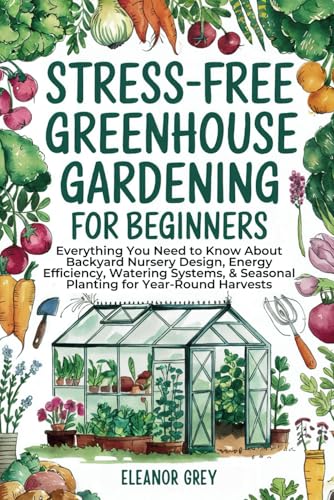
- BrandChelsea Green Publishing Company
- BWP Score9.4
BWP Score is a ranking system developed by Bestwinterproducts.com. BWP score has no relationship or impact from any manufacturers or sales agent websites. Learn more
- BrandMajosta

- BWP Score9.4
BWP Score is a ranking system developed by Bestwinterproducts.com. BWP score has no relationship or impact from any manufacturers or sales agent websites. Learn more
- BrandCool Springs Press

- BWP Score9.2
BWP Score is a ranking system developed by Bestwinterproducts.com. BWP score has no relationship or impact from any manufacturers or sales agent websites. Learn more
- BrandNew Society Publishers

- BWP Score9.0
BWP Score is a ranking system developed by Bestwinterproducts.com. BWP score has no relationship or impact from any manufacturers or sales agent websites. Learn more
- BrandBN-LINK

- BWP Score9.0
BWP Score is a ranking system developed by Bestwinterproducts.com. BWP score has no relationship or impact from any manufacturers or sales agent websites. Learn more
- BrandRui Cheng

- BWP Score8.0
BWP Score is a ranking system developed by Bestwinterproducts.com. BWP score has no relationship or impact from any manufacturers or sales agent websites. Learn more
- BrandBio Green

- BWP Score8.0
BWP Score is a ranking system developed by Bestwinterproducts.com. BWP score has no relationship or impact from any manufacturers or sales agent websites. Learn more
- BrandVEVOR

- BWP Score8.0
BWP Score is a ranking system developed by Bestwinterproducts.com. BWP score has no relationship or impact from any manufacturers or sales agent websites. Learn more
- BrandOxxggkao

- BWP Score2.6
BWP Score is a ranking system developed by Bestwinterproducts.com. BWP score has no relationship or impact from any manufacturers or sales agent websites. Learn more
- BrandGeneric

- BWP Score-
BWP Score is a ranking system developed by Bestwinterproducts.com. BWP score has no relationship or impact from any manufacturers or sales agent websites. Learn more
- BrandN/A
Last update on 2026-10-04 / Affiliate links / Images, Product Titles, and Product Highlights from Amazon Product Advertising API
FAQs
Can five-gallon buckets of water work as well as fifty-five-gallon drums?
Five-gallon buckets work very well because they are easier to source and move around tight pathways. While a single large drum holds heat longer due to total mass, several smaller buckets offer more overall surface area to absorb sunlight quickly. You can tuck five-gallon buckets directly between raised beds or beneath potting benches right beside your crops.
Will an indoor compost pile attract pests or make the greenhouse smell?
A properly balanced compost pile smells like fresh earth and will not attract mice or insects. Bad odors and pests only appear when a pile is overly wet or contains animal proteins. Stick to a clean recipe of three parts brown leaves or clean straw to one part vegetable scraps, and never add meat, grease, or pet waste.
Do candles under clay flower pots produce enough heat for a greenhouse?
Clay pot candle heaters do not generate enough heat to protect a greenhouse, and they present a serious fire danger. A tiny candle flame puts out minimal thermal energy that dissipates across the room within minutes. Using an open flame near dry straw bedding, wooden frames, and plastic covers creates a major fire risk for negligible warmth.
How much warmer does bubble wrap keep an unheated greenhouse?
Lining greenhouse walls with salvaged bubble wrap generally raises the nighttime interior temperature by 2°F to 4°F compared to bare panels. While a few degrees may seem small, that difference frequently keeps interior air above the critical 32°F freezing mark. The bubble layer also dampens cold drafts and stops wind from stripping warmth off the exterior glazing.


Best Warm Winter Scarves 2026 For Cozy Comfort

Best Green Ski Goggles 2026 For Clear Vision On Slopes

12 Best Corner Electric Fireplace 2026: My Ultimate Guide To Pick One

Best Battery Powered Snow Blower 2026 For Effortless Snow Clearing

Best Ski Goggles Under 30 Inches For Crisp Vision And Comfort

Best Cooling Scarf 2026 For Instant Relief And Comfort

Fake Snow for Grass: Create a Realistic Winter Lawn Display

Dimplex Prism Wall Mount Fireplace: Sleek Heat With Modern Flame Style





