
How to Keep a Bunny Warm in the Winter?

Deep straw and wind protection keep rabbits warm. A healthy rabbit handles cold weather surprisingly well if you block icy drafts and pack their sleeping quarters with clean, dry straw to trap body heat. The real danger is dampness combined with freezing wind. Keeping the space fully dry and providing safe, chew-proof warmth during freezing nights protects them without running dangerous electrical cords.
How much extra help your bunny needs depends on their living setup and physical condition. Indoor rabbits in chilly rooms often need only a draft-free box and a fleece blanket. Outdoor rabbits face biting winds, damp air, and frozen water bowls. Young bunnies, senior rabbits, and thin pets also lose body heat much faster than thick-coated adults. Here is how to insulate their home safely and keep them warm all winter long.
The Short Version
- Block wind and moisture: Seal the sides of an outdoor hutch (an outdoor wooden rabbit house) against freezing wind and driving rain, but always leave protected ventilation gaps near the roofline to let damp air and ammonia escape.
- Insulate with golden straw: Pack sleeping areas deep with clean, dry straw instead of hay. Straw stalks are hollow, which traps your rabbit's radiant body heat like a down jacket while repelling dampness.
- Protect water and food: Water bottles freeze quickly at the metal sipper tube. Check drinking water multiple times daily, use insulated covers or pet-safe heated bowls, and provide unlimited grass hay to fuel your rabbit's inner furnace.
- Avoid exposed cords and open heat lamps: Never use human heating pads or hanging heat lamps, which create deadly fire and electrocution hazards. Stick to cordless microwavable heat discs or small-animal heating pads fitted with chew-proof cord protectors.
Safe Temperature Ranges: How Much Cold Can a Bunny Handle?
Healthy adult rabbits handle cold weather far better than summer heat. As daylight shrinks in the fall, rabbits naturally shed their summer fur and grow a dense undercoat that traps warm air right against their skin. If your rabbit lives in a sheltered space that stays dry and completely out of the wind, an acclimated adult can comfortably manage temperatures down to 40°F. When temperatures dip toward freezing (32°F) or drop into the teens and twenties, your rabbit needs active help from you to stay comfortable and safe.
Every rabbit handles winter differently. Young kits, senior rabbits, thin animals, and rabbits recovering from illness lack the body mass and circulation needed to fight off severe chill. Breeds with thin or unusual coats, such as Rex rabbits with their short plush fur or Lionheads with uneven wool distribution, lose body heat much faster than standard breeds. If your rabbit lives outdoors year-round, their coat adapts gradually. But if your pet lives indoors in a heated home, you must never suddenly put them outdoors in freezing weather. An indoor rabbit has a lightweight household coat and will chill rapidly in low temperatures.
Wind chill and dampness alter the math entirely. A dry, calm day at 30°F is far safer for a rabbit than a wet, windy day at 42°F. When moisture penetrates a rabbit's fur, the hair mats down and loses its insulating pocket of warm air. Once wet, a rabbit cannot maintain its normal internal temperature of 101°F to 103°F. Knowing how to keep warm in winter outdoors starts with understanding wind chill, and the exact same principle protects outdoor pets from bitter cold.
Winterizing the Hutch: Blocking Wind and Damp While Keeping Air Fresh
An outdoor hutch needs thoughtful seasonal weatherproofing before the first hard freeze arrives. You can protect your rabbit's living quarters without trapping harmful fumes by taking these steps in order:
- Raise the hutch off the ground: Place sturdy wooden blocks or concrete pavers under the legs to lift the base of the hutch at least several inches off frozen soil or wet grass. Lifting the unit stops cold ground damp from soaking upward into the wooden floorboards.
- Shield open wire doors against wind: Cold wind whistling through wire mesh strips away warmth instantly. Fit durable clear vinyl sheeting, heavy-duty tarps, or sheets of corrugated plastic over the exposed mesh fronts. Secure the covers tightly, leaving a small sight window so your rabbit still gets natural daylight.
- Insulate the solid exterior walls: Line the outside walls and roof with insulating materials like thick corrugated cardboard panels, silver bubble insulation wrap, or thick blankets. Always cover these insulating layers with a waterproof outer tarp securely fastened down so rain and melting snow cannot soak the insulation.
- Preserve high ventilation gaps: Never wrap a hutch completely airtight. Rabbits produce urine that releases ammonia, and their breathing fills enclosed spaces with humid air. If you seal every opening, that damp air condenses on the ceiling and drips back down onto the bedding and fur. Leave a sheltered 2-inch ventilation gap near the roofline, angled away from prevailing winds, so stale, humid air vents out while drafts stay above your pet's head.
Straw vs. Hay: Choosing Bedding That Traps Body Heat
Many owners confuse straw and hay, but using the wrong one in winter creates a soggy, freezing mess. Hay is food, while straw is shelter.
Golden straw is the premier winter bedding for rabbits. The stalks of grain straw are hollow, creating thousands of microscopic dead-air pockets that trap your rabbit's body heat. Straw also has a waxy outer coating that sheds moisture rather than soaking it up. When your rabbit burrows into a dense layer of clean straw, their body warmth stays trapped inside the burrow, keeping them warm through bitter nights.
Hay, such as Timothy hay, orchard grass, or meadow grass, consists of solid, leafy plant matter. Hay is an absolute dietary requirement, but it makes poor cold-weather bedding. Hay absorbs urine, spilled drinking water, and air moisture like a sponge. Once wet, hay mats down flat, loses all warming ability, molds quickly, and can freeze into an icy solid block that chills your bunny from below.
The best approach combines both materials in their proper places. Line the sleeping compartment of the hutch with a thick base of newspaper or pet-safe cardboard, then pack it 4 to 6 inches deep with dry golden straw so your bunny can dig a snug sleeping nest. Place generous heaps of clean feeding hay in an elevated hay rack or a separate clean litter tray, keeping their dinner crisp, dry, and separate from their insulated bed.
Winter Food and Water: Fueling Calories and Beating Frozen Bowls
Rabbits generate their internal body heat by digesting fiber. During cold snaps, your bunny burns through calories rapidly just to maintain a normal body temperature. You can support their metabolism and keep hydration steady with these daily routines:
- Provide unlimited grass hay: Keep feeding racks overflowing with fresh, dry hay around the clock. The continuous fermentation of long-strand fiber inside your rabbit's digestive tract acts as a natural furnace that radiates warmth outward through the body.
- Increase food portions slightly: Outdoor rabbits often need a small increase in their daily pellet ration during prolonged freezes to offset their higher calorie burn. Consult your exotic veterinarian before making dramatic diet changes, but an extra tablespoon of plain timothy pellets helps active outdoor bunnies maintain their fat reserves.
- Check water points multiple times daily: Standard gravity water bottles with metal spout balls freeze solid within an hour during hard frosts. The tiny steel ball inside the spout freezes first, locking the tube shut even if the water inside the main reservoir remains liquid. A thirsty rabbit cannot lick ice through a frozen metal tube.
- Use thermal protection on drinking stations: Slip insulated thermal sleeves over water bottles to delay freezing. Alternatively, switch to heavy ceramic crocks or pet-safe rubber feeding bowls, which freeze slower than narrow metal spouts and will not crack if ice expands. Offer warm, fresh water at least twice a day, every morning and evening.
Safe Heating Options: Adding Warmth Without Chew Hazards or Fire Risks
When sub-freezing temperatures drag on for days, adding supplemental heat brings welcome relief. However, rabbits chew anything they can reach, including wood, plastic, fabric, and electrical wiring. Using the wrong heat source can easily cause house fires or fatal electrical shocks.
Never hang an open, clamp-style heat lamp inside or directly above a rabbit enclosure. These agricultural brooder lamps run extremely hot, and a sudden hop can kick dry straw into the bulb, sparking an instant fire. Clamp fixtures can also slip, crashing down into the hutch. Similarly, never use standard human heating pads, space heaters, or heated blankets inside your rabbit's area. Space heaters dry out the air, create severe fire risks near straw, and carry thin electrical cords that a curious bunny can slice through in seconds. If you are winterizing a drafty home room for indoor bunnies, learn how to keep warm in winter in the house safely without placing high-draw electrical heaters close to pet pens or soft bedding.
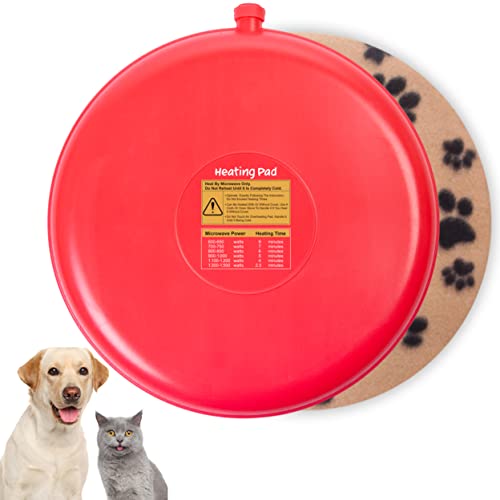
Safe supplemental heat relies on pet-specific designs made to resist chewing and moisture. Hard-sided microwavable heat discs work wonderfully because they are completely cordless. Made of bite-resistant, non-toxic materials, you simply warm them in a microwave, tuck them inside their included washable fleece cover, and nestle them under a thick layer of straw. They provide steady radiant warmth for hours without wires.
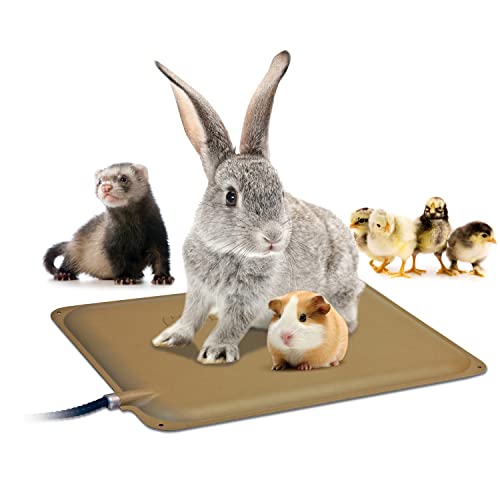
If you prefer an electric pad for a sheltered porch or garage, choose low-voltage warming pads certified specifically for small animals. These models feature rigid, water-resistant outer shells and come with steel-wrapped, chew-resistant cords that shield wires from curious teeth. Always feed the cord directly out through the wire mesh wall so none of it dangles inside the rabbit's living zone. Finally, always position heat pads so they cover only one half of the sleeping compartment. Your rabbit must always have enough unheated floor space to step off the pad if they feel too warm.
Cold-Stress Warning Signs: When Your Bunny Needs Immediate Help
Rabbits are prey animals that instinctively hide pain and discomfort until they are dangerously sick. Regular physical checks are necessary to spot winter distress early. Watch for these warning signs:
- Ice-cold ear bases: A rabbit uses its large ears to regulate body temperature. Cool ear tips are normal on a brisk day, but if the thick base of the ears right where they meet the skull feels cold to the touch, your rabbit is losing core heat.
- A hunched, puffed posture: A freezing rabbit curls into a tight, tense ball with their feet tucked completely beneath their belly and their fur fluffed out to trap air. They will often sit facing into a corner, refusing to interact or move.
- Shivering or complete lethargy: Rabbits rarely shiver. If you see visible tremors or shivering, the animal has reached an emergency stage of cold stress. If they become limp, sluggish, or glassy-eyed, hypothermia (a dangerous drop in body temperature) has set in.
- Loss of appetite and tiny droppings: Extreme cold stress diverts blood flow away from the gut to protect vital organs. This rapid slowdown can cause GI stasis (a life-threatening gut slowdown caused by cold stress). If your rabbit ignores their favorite greens, stops eating hay, or stops producing round, uniform droppings, treat it as a medical emergency.
If you suspect hypothermia, bring your rabbit indoors immediately. Wrap them gently in a clean, dry towel that has been warmed in the clothes dryer, holding them close to your body to transfer gentle, steady warmth. Never plunge a freezing rabbit into hot water, and never place them directly on bare, scorching heating devices, as rapid temperature swings can trigger cardiovascular shock. Once the rabbit begins to warm up and respond, contact an exotic pet veterinarian right away for professional assessment and supportive care.
What to Look for in Winter Bunny Warming Gear
When selecting winter gear to protect your rabbit from cold temperatures, look for materials built specifically for small animals and their natural chewing behaviors. The right cold-weather gear provides dependable warmth while protecting curious bunnies from dangerous hazards.
Look for low-wattage, thermostatically controlled warming pads designed to run at safe, gentle temperatures that mimic a rabbit's natural body heat. Ensure the pad has a rigid, water-resistant outer casing that wipes clean easily and resists scratching claws. The power cord must have a full-length, flexible steel sleeve to prevent chewing damage. If your rabbit hutch does not have safe access to an electrical outlet, focus on reusable microwavable thermal discs made with non-toxic internal gel and thick, bite-resistant plastic casings.
For resting pads and soft shelters, choose dense, machine-washable fleece mats or enclosed cave-style hideouts that trap body heat without accumulating excess dampness. Look for hideout beds with thick padded floors and supportive walls that block drafty floor breezes in indoor playpens. When buying outdoor accessories, always verify the overall dimensions against your hutch sleeping compartment to make sure the pad leaves ample unheated floor space for your bunny to move freely.

- BWP Score9.2
BWP Score is a ranking system developed by Bestwinterproducts.com. BWP score has no relationship or impact from any manufacturers or sales agent websites. Learn more
- BrandAmakunft
- BWP Score9.2
BWP Score is a ranking system developed by Bestwinterproducts.com. BWP score has no relationship or impact from any manufacturers or sales agent websites. Learn more
- BrandK&H Pet Products

- BWP Score9.0
BWP Score is a ranking system developed by Bestwinterproducts.com. BWP score has no relationship or impact from any manufacturers or sales agent websites. Learn more
- BrandPetTemp
- BWP Score8.8
BWP Score is a ranking system developed by Bestwinterproducts.com. BWP score has no relationship or impact from any manufacturers or sales agent websites. Learn more
- BrandGelbesty

- BWP Score8.8
BWP Score is a ranking system developed by Bestwinterproducts.com. BWP score has no relationship or impact from any manufacturers or sales agent websites. Learn more
- BrandYUEPET

- BWP Score8.6
BWP Score is a ranking system developed by Bestwinterproducts.com. BWP score has no relationship or impact from any manufacturers or sales agent websites. Learn more
- BrandJetec

- BWP Score8.6
BWP Score is a ranking system developed by Bestwinterproducts.com. BWP score has no relationship or impact from any manufacturers or sales agent websites. Learn more
- BrandRodizoo

- BWP Score8.0
BWP Score is a ranking system developed by Bestwinterproducts.com. BWP score has no relationship or impact from any manufacturers or sales agent websites. Learn more
- BrandYUYUSO

- BWP Score8.0
BWP Score is a ranking system developed by Bestwinterproducts.com. BWP score has no relationship or impact from any manufacturers or sales agent websites. Learn more
- BrandMygeromon
Last update on 2026-10-02 / Affiliate links / Images, Product Titles, and Product Highlights from Amazon Product Advertising API
Frequently Asked Questions
How cold is too cold for an outdoor pet rabbit?
Healthy, adult rabbits with full winter coats can comfortably handle temperatures down to 40°F if their enclosure is completely dry and shielded from wind. Once outdoor readings fall below freezing (32°F), rabbits require insulated bedding and wind blocks. Temperatures dropping into the teens or below zero create severe health risks, and rabbits should be moved into a sheltered shed, garage, or indoor room.
Can I bring an outdoor rabbit inside just for the night during a freeze?
Bringing an outdoor rabbit into a fully heated 70°F living room for one night and putting them back out into 20°F weather the next morning can trigger dangerous temperature shock. If an extreme cold snap forces you to move an outdoor rabbit, house them in an unheated garage, enclosed porch, or cool utility room running around 45°F to 50°F. This shields them from deadly freezes without ruining their winter coat acclimation.
Why should I never use an open heat lamp in a rabbit hutch?
Hanging clamp-style heat lamps pose an extreme fire hazard in rabbit housing. A startled rabbit can easily kick dry straw or bedding into the bulb, or knock the clamp loose from the wall, sparking a hutch fire in seconds. Heat lamps also create intense, concentrated heat spots that can overheat a trapped rabbit who cannot escape the glare.
How often should I change winter straw bedding?
Check your rabbit's sleeping straw daily and replace any damp or soiled sections immediately. Even small amounts of trapped urine or spilled water will freeze, stripping the bedding of its insulating warmth. A complete clean-out and restuffing with clean, dry straw should happen at least once a week to keep nesting boxes warm and odor-free.
.jpg)

Best Warm Winter Scarves 2026 For Cozy Comfort

Best Green Ski Goggles 2026 For Clear Vision On Slopes

12 Best Corner Electric Fireplace 2026: My Ultimate Guide To Pick One

Best Battery Powered Snow Blower 2026 For Effortless Snow Clearing

Best Ski Goggles Under 30 Inches For Crisp Vision And Comfort

Best Cooling Scarf 2026 For Instant Relief And Comfort

Fake Snow for Grass: Create a Realistic Winter Lawn Display

Dimplex Prism Wall Mount Fireplace: Sleek Heat With Modern Flame Style





