
How to Keep a Cat Warm Outside in Winter

Cold weather is a serious danger for community and barn cats, but keeping them safe is entirely manageable with the right setup. The most effective approach is a compact, elevated shelter packed with dry straw, which traps the animal's natural body heat while keeping damp ground frost away.
The exact setup depends on your yard and the cat you are protecting. Having access to a weatherproof outdoor outlet allows for heated pet mats, while remote spots rely strictly on deep layers of straw and heat-reflecting pads. Shy or feral cats also require an extra escape door so they never feel trapped by predators. Severe local winds and heavy snow will also dictate how high you raise the box and where you position the entrance. Here is how to create a dry, warm haven that shields outdoor cats all season long.
Shelter Sizing, Elevation, and Safe Placement
Outdoor cats survive freezing temperatures by heating their shelter with their own body warmth. If a shelter is too large, like an open shed or oversized dog crate, the cat cannot produce enough heat to warm that dead air space. The cold air inside quickly overpowers them. A good winter shelter must stay compact. It only needs to be large enough for the cat to walk in, turn around, and curl into a tight ball. A box roughly 14 to 18 inches wide and 15 to 20 inches long fits a single cat well, while a slightly larger box lets bonded cats huddle together.
Cold ground drains body heat through direct contact faster than freezing air. Frozen soil, concrete slabs, and packed snow pull warmth straight through the floor of an outdoor shelter. Always elevate the cat house at least 2 to 4 inches off the ground. Set the shelter on wooden pallets, bricks, or solid cinder blocks, or choose a model with built-in legs. Raising the floor also keeps melting slush and rainwater from seeping into bottom seams.
Where you place the shelter determines whether a cat will actually use it during a storm. Follow these steps to position and secure the house safely:
- Face the door away from prevailing winds: Winter winds in North America typically blow from the north and west. Turn the shelter door toward the south or southeast, tucked against a garage wall, porch, or house eave to block freezing gusts from blowing inside.
- Provide a secondary escape door: Outdoor and feral cats watch constantly for predators like stray dogs or raccoons. If a cat feels trapped inside a single-door box, they may avoid it entirely. A secondary door lets the cat slip out the back if another animal blocks the front entrance.
- Hang flexible door flaps: Open entryways let body heat escape into the night. Clear plastic or vinyl flaps act like draft stoppers, trapping warm air inside while allowing the cat to see through and push inside easily.
- Anchor the shelter against heavy gusts: Lightweight plastic or foam cat houses can slide across frozen ground in high winds. Place a heavy brick or clean patio paver across the roof so the shelter stays put during winter storms.
Safe Bedding Choices: Why Dry Straw Beats Blankets and Hay
When sub-freezing temperatures arrive, many caring people put folded blankets, towels, or dog beds inside outdoor cat houses. While fabric bedding feels warm indoors, using it outside is one of the most dangerous winter mistakes you can make.
Fabrics absorb moisture from cold air, melting snow on cat paws, and water vapor from a cat's breath. Cotton and fleece soak up this water like a sponge. Once damp, fabric loses all insulating ability and flattens out. As temperatures drop below freezing, that damp towel freezes into a rock-hard block of ice. The cat ends up lying on an ice sheet, drastically raising the danger of hypothermia (dangerously low body temperature) or frostbite.
Clean dry straw is the safest and most effective bedding you can provide. Straw consists of hollow yellow stalks left over after grain harvests. Because the stems are hollow, they trap dead air inside each tube, acting like tiny thermal pockets. Straw also repels water, so moisture drops to the bottom while the top stays warm and dry. Cats can burrow into loose straw to create a snug nest that locks their body warmth around them.
Never confuse straw with hay. Hay is green livestock feed made of cut grass or alfalfa. Unlike straw, green hay absorbs water quickly, rots within days, grows dangerous mold, and freezes solid when wet. Always confirm that you are buying clean yellow straw rather than green animal feed.
If you want to add extra warmth beyond straw, specialized pet warmers can help. Just as humans rely on insulated layers to keep warm in winter outdoors, outdoor cats benefit from thermal barriers placed beneath their bedding.
A self-warming thermal pet pad is the best cordless choice for shelters without power. These mats use an inner layer of reflective foil to capture the cat's natural body heat and bounce it back toward their belly. If you have an outdoor electrical outlet, you can use an electric heating pad instead. Never use a human heating pad outside. Human pads can overheat, short-circuit in wet snow, and lack chew-proof cords. Always choose an outdoor-rated pet heating pad with a water-resistant cover, a constant low-heat setting, and a steel-wrapped cord that prevents animals from chewing through live wires.
Winter Food, Fresh Water, and Spotting Cold Distress
Outdoor cats burn tremendous energy maintaining their normal core body temperature in freezing weather. During winter months, increase their daily dry food portions by at least a third to supply the extra calories they need to generate warmth. Wet canned food provides valuable moisture and rich protein, but it can freeze into a solid block within an hour of being placed outside. Serve wet food during the warmest midday hours, or place bowls on a pet-safe warming dish so the meal stays edible.
Finding unfrozen drinking water is often an outdoor cat's biggest winter struggle. When natural puddles freeze over, cats become dehydrated, and eating snow lowers their body temperature dangerously fast. Avoid using lightweight metal bowls, which freeze quickly and can cause a cat's tongue to stick painfully to the frozen surface. Use deep plastic bowls instead, which hold heat longer and do not crack when ice expands. If you have outdoor power, a pet-safe heated water bowl plugged into an exterior outlet keeps fresh water liquid around the clock. Without power, nestle a plastic water bowl inside a wider bucket packed with straw insulation, and refill it twice daily with warm water.
Even with good shelter and steady food, bitter wind chills can push an outdoor cat into physical distress. Watch for these clear warning signs of hypothermia and frostbite:
- Violent shivering or sudden stillness: Shivering is the body's natural reflex to generate warmth. If a freezing cat stops shivering completely while remaining weak or limp, their hypothermia has reached a critical stage.
- Slow, clumsy movements and lethargy: A cat suffering from extreme cold will appear disoriented, stumble when walking, or stare with glassy, unresponsive eyes.
- Pale, gray, or brittle skin on extremities: Frostbite strikes the areas with the lowest blood flow first. Check the ear tips, tail tip, and paw pads for pale skin that feels stiff or cold to the touch.
- Curling up tightly without responding to food: If a cat stays tightly curled in a corner, breathing shallowly, and refuses to lift their head even when food arrives, they are struggling to survive.
If you spot these warning signs, bring the cat into an unheated garage, porch, or bathroom immediately to begin slow rewarming. If you are housing an outdoor cat inside a utility area during an ice storm, you can keep warm in winter in the house without wasting heating energy by closing doors to drafty back rooms while keeping the cat secure. Never warm a hypothermic cat with boiling water, human heating blankets, or intense rubbing, which can burn fragile skin and send the animal into shock. Wrap the cat gently in a dry room-temperature towel, place warm water bottles wrapped in washcloths beside them, and contact a veterinarian or local animal rescue right away.
What to Look for in Outdoor Winter Shelters and Warmers
Selecting durable winter shelter gear requires looking closely at materials, moisture defense, and practical weatherproofing. A high-quality cat house must stand up to heavy winter winds and drifting snow without collapsing, leaking, or letting freezing drafts inside.
Start by checking the exterior shell and roof structure. Look for shelters constructed from heavy-duty, water-resistant fabrics like thick Oxford cloth, dense treated wood, or molded hard plastic. The roof should feature a distinct slope rather than a flat top. A slanted roof allows rain and heavy snow to slide off immediately, preventing standing water from pooling and leaking through roof seams into the bedding below.
Next, examine the internal insulation and floor clearance. Reliable winter shelters use multi-layer composite walls that pair foam padding with aluminum reflective foil to seal in rising heat. Make sure the shelter includes sturdy raised legs or an elevated platform that holds the base 2 to 4 inches above the ground. Elevating the floor blocks damp soil and rising slush from leaching warmth out of the shelter.
Finally, check safety certifications on any electrical heating accessories. If you choose an insulated shelter with an included electric pad, confirm that the pad is rated and listed for outdoor use by recognized safety marks like UL. The cord must have a flexible metal wrap or heavy chew-resistant cover to guard against animal bites. For off-grid setups, verify that cordless thermal pads have removable, machine-washable covers that are easy to shake out and clean when wet weather hits.

- BWP Score10.0
BWP Score is a ranking system developed by Bestwinterproducts.com. BWP score has no relationship or impact from any manufacturers or sales agent websites. Learn more
- BrandSmartTail

- BWP Score9.2
BWP Score is a ranking system developed by Bestwinterproducts.com. BWP score has no relationship or impact from any manufacturers or sales agent websites. Learn more
- BrandMora Pets

- BWP Score9.2
BWP Score is a ranking system developed by Bestwinterproducts.com. BWP score has no relationship or impact from any manufacturers or sales agent websites. Learn more
- BrandK&H Pet Products

- BWP Score9.0
BWP Score is a ranking system developed by Bestwinterproducts.com. BWP score has no relationship or impact from any manufacturers or sales agent websites. Learn more
- BrandPETYELLA
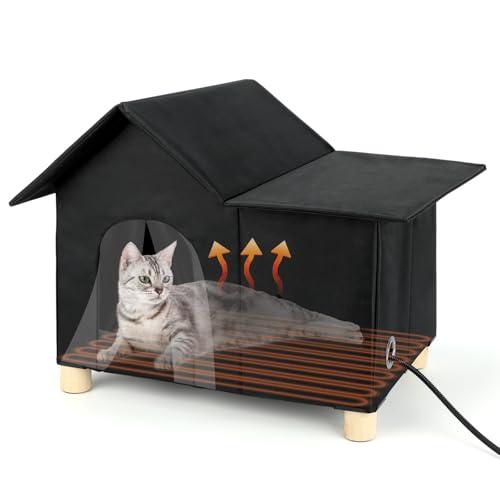
- BWP Score9.0
BWP Score is a ranking system developed by Bestwinterproducts.com. BWP score has no relationship or impact from any manufacturers or sales agent websites. Learn more
- BrandLonepetu

- BWP Score8.8
BWP Score is a ranking system developed by Bestwinterproducts.com. BWP score has no relationship or impact from any manufacturers or sales agent websites. Learn more
- BrandTECHTAIL

- BWP Score8.4
BWP Score is a ranking system developed by Bestwinterproducts.com. BWP score has no relationship or impact from any manufacturers or sales agent websites. Learn more
- BrandPETIMBER

- BWP Score8.4
BWP Score is a ranking system developed by Bestwinterproducts.com. BWP score has no relationship or impact from any manufacturers or sales agent websites. Learn more
- BrandMarquess

- BWP Score8.2
BWP Score is a ranking system developed by Bestwinterproducts.com. BWP score has no relationship or impact from any manufacturers or sales agent websites. Learn more
- BrandTailTastic

- BWP Score7.8
BWP Score is a ranking system developed by Bestwinterproducts.com. BWP score has no relationship or impact from any manufacturers or sales agent websites. Learn more
- BrandSolvify
Last update on 2026-10-01 / Affiliate links / Images, Product Titles, and Product Highlights from Amazon Product Advertising API
FAQs
Can an outdoor cat survive freezing temperatures without a heated shelter?
Outdoor and feral cats can survive freezing winter weather if they have a dry, windproof shelter packed with clean straw. Their dense winter undercoats hold body warmth well when they are shielded from wind, damp snow, and direct contact with frozen soil. But during prolonged sub-zero freezes or heavy winter storms, an insulated shelter or supplemental thermal mat provides the extra protection they need to avoid dangerous cold distress.
How often should you change the straw in an outdoor cat house?
Check the straw inside the shelter once a week by feeling deep into the bottom of the nest with your bare hand. If the straw feels damp, smells stale, or has broken down into crushed debris, remove it and pack the shelter with fresh, dry straw right away. Moisture tracked inside on wet paws quickly ruins the straw's insulating power and creates a breeding ground for mold.
Why do outdoor cat shelters need two separate doors?
A second doorway gives outdoor cats an immediate exit route if a predator, such as a raccoon or stray dog, blocks the front opening. Outdoor cats rely heavily on clear sightlines and easy escape paths, and they will often refuse to sleep in a warm shelter if they feel trapped inside. Installing clear plastic flaps over both doors keeps winter drafts out while maintaining a safe exit route.


Best Warm Winter Scarves 2026 For Cozy Comfort

Best Green Ski Goggles 2026 For Clear Vision On Slopes

12 Best Corner Electric Fireplace 2026: My Ultimate Guide To Pick One

Best Battery Powered Snow Blower 2026 For Effortless Snow Clearing

Best Ski Goggles Under 30 Inches For Crisp Vision And Comfort

Best Cooling Scarf 2026 For Instant Relief And Comfort

Fake Snow for Grass: Create a Realistic Winter Lawn Display

Dimplex Prism Wall Mount Fireplace: Sleek Heat With Modern Flame Style





