
How to Keep a Greenhouse Warm During Winter

Start by checking the frame for drafty air leaks and hanging a layer of bubble wrap against the interior walls. Cold wind pulls heat out through tiny gaps in minutes, so sealing air leaks and insulating the panels is the single fastest way to protect your plants. Once the shell holds air, adding water barrels or a thermostatically controlled heater keeps the room safely above freezing without driving up your power bill.
How much extra warmth you need depends on your setup. A thin plastic sheet in a sub-zero climate demands far more protection than a double-walled greenhouse during a mild frost. Hardy winter greens can easily survive near freezing, while potted citrus and tender perennials need steady warmth. Your access to safe, grounded outdoor power also dictates whether passive heat storage can work alone. Here is how to lock in daytime heat, protect cold roots, and keep your plants alive all winter.
Seal Drafts and Layer Your Panels Before the First Hard Frost
Greenhouses capture warmth effectively when the sun shines, but thin panels lose that heat rapidly after dark. Air leaks are the primary culprit. Gaps beneath doors, loose frame corners, or cracked vents allow warm air to escape upward while drawing freezing air across plant benches. Sealing these openings preserves more heat than adding extra heaters.
Check your wall panels first. Single-layer plastic film or standard glass panes offer minimal insulation against freezing winds. If your structure uses twin-wall panels (double-layer panels with an insulating air pocket), you have built-in thermal resistance, but the joints can still leak. Adding a layer of horticultural bubble wrap or clear plastic film creates an air pocket that slows heat loss through the walls.
Follow this checklist before the first hard freeze:
- Walk inside at dusk with a bright light outside to spot gaps around the frame and foundation.
- Seal leaking panel joints with UV-resistant greenhouse tape or silicone caulk rather than duct tape, which loses adhesion in damp cold.
- Line interior north-facing and east-facing walls with large-bubble wrap to cut heat loss where winter sun rarely hits.
- Place an under-door draft stopper or stick-on foam weatherstripping along the door threshold.
- Inspect automatic roof vent openers to confirm the vents close tightly as evening temperatures fall.
Taking time to stop drafts keeps ambient temperatures several degrees higher on windy nights. Just like preparing yourself by learning how to keep warm in winter outdoors, keeping a greenhouse warm starts with blocking icy wind before it cuts through your protective barrier.
Store Daytime Sunshine Using Barrels of Water
Passive solar heating uses thermal mass (water barrels or dark stones that store daytime heat) to balance temperature swings. Water has a high capacity to absorb heat without a rapid rise in temperature. During sunny winter days, water soaks up solar energy that would otherwise overheat the room. When the sun goes down and greenhouse air chills, that stored heat slowly radiates back into the space.
Large plastic containers, such as clean 55-gallon drums, offer an inexpensive way to stabilize night temperatures. Arrange these barrels along the north wall of your greenhouse. The north wall gets southern sunlight during winter but loses heat rapidly to the cold outdoors. Lining that wall with water barrels creates a warm buffer between cold exterior panels and your plant benches.
Paint the barrels matte black or dark blue to maximize heat absorption. Fill them completely with clean water and seal the lids tightly. Leaving barrels open is a mistake because evaporating water raises humidity, leading to condensation and leaf mold. A sealed barrel stores heat without creating damp air.
Thermal mass works best when charging under direct sunlight. After several consecutive overcast days, water drums cool to match the surrounding air. They soften temperature drops on sunny days, but you should not rely on them alone during extended winter freezes.
Run Thermostat Controlled Heaters to Handle Deep Freezes
When prolonged freezes arrive, passive solar storage and bubble wrap may not protect tender citrus, geraniums, or winter vegetables. In severe weather, an active heat source is necessary. The goal is to use a heater with a reliable thermostat so it runs only when temperatures dip near freezing, keeping operating costs low. In the same way you manage power bills when learning how to keep warm in winter in the house, greenhouse heating requires targeted warmth rather than running power continuously.
Electric fan heaters work well for home greenhouses with safe electrical access. The fan circulates warm air to eliminate cold, stagnant pockets near the floor. Place the temperature sensor near your most vulnerable plants at bench level, not near the ceiling where trapped heat gives a false reading. Setting the thermostat to 38°F or 40°F protects cold-sensitive plants without wasting electricity heating empty space.
Consider how different heater styles fit your setup:
- Electric fan heaters provide clean heat, circulate air, and shut off automatically with thermostat controls.
- Propane or kerosene heaters operate without electrical cords, but unvented models release heavy moisture and exhaust gases that harm plants if fresh air runs low.
- Sealed oil-filled radiator heaters run quietly, but they lack a blower fan to distribute warm air evenly across larger structures.
Electrical safety is vital in damp greenhouse settings. Plug heaters directly into an exterior-rated GFCI outlet (a ground fault circuit interrupter that shuts off power instantly during a fault). Avoid using light-duty indoor extension cords or unprotected power strips on wet surfaces. If your greenhouse lacks a grounded outlet, hire a licensed electrician to install outdoor-rated wiring.
Warm the Root Zones Directly Instead of Heating Empty Air
Heating the entire air volume of a greenhouse requires significant energy. Most plants care more about root temperature than ambient air temperature. If the root system stays comfortably above freezing, plants can handle cold air dipping into the high thirties without lasting damage.
Soil warming cables and seedling heat mats direct heat specifically where roots absorb nutrients. You can bury waterproof heating cables in a layer of moist sand under plant trays or route them along the soil of raised beds. The cable gently warms the root zone, keeping root systems active while surrounding air stays cool. This method works well for overwintering potted herbs, tender greens, and early spring cuttings.
Pair root heating with a floating row cover (a light fabric blanket laid over plants to hold ground warmth). Laying a lightweight non-woven frost blanket over your greenhouse benches creates a secondary shelter. The cloth holds warmth rising from the soil beds and keeps frost from settling directly on foliage.
Support the frost cloth with wire hoops or wood stakes so it does not touch damp leaves. If condensation freezes on the blanket, leaves pressed against the fabric can suffer freeze burn. Fold back the cloth on bright, warm days so plants receive proper airflow and full winter sunlight.
Crack Open the Vents to Stop Moisture and Fungal Rot
Opening vents in freezing weather seems counterproductive, but stagnant, damp air kills more overwintering plants than cold temperatures. Plants give off water vapor, and damp soil continually evaporates into the air. When that warm, humid air meets cold greenhouse panels at night, heavy condensation drips down onto plant crowns. This damp environment invites botrytis (gray mold) and root rot.
Managing moisture requires a brief, regular venting routine:
- Check your temperature and humidity monitors around mid-morning after the sun has warmed the interior.
- Open a roof vent or high window by an inch or two for 15 to 30 minutes on sunny mornings to exhaust damp air.
- Run a small oscillating circulation fan on low to keep air moving around foliage and prevent stagnant damp zones.
- Water plants sparingly in the morning only when the top layer of soil dries, keeping foliage dry before evening.
- Close all vents tightly an hour before sunset to capture remaining solar warmth before outdoor temperatures crash.
If you spot gray mold on stems or leaves, reduce greenhouse humidity immediately. Prune away damaged foliage, space containers farther apart to improve airflow, and vent the space during sunny midday hours.
Pick Splash-Proof Heating Equipment Built for Wet Greenhouse Environments
Selecting winter heating gear requires avoiding standard household space heaters designed for dry living rooms. A greenhouse contains mist, watering hoses, and dripping condensation that can damage indoor electronics. Using equipment engineered for wet environments protects your plants and eliminates fire hazards.
Choose electric fan heaters with an IPX4 splash-proof rating (certified splash-proof against hose or spray water). This rating indicates that water splashing from any direction will not penetrate electrical housings. Verify that any heater includes automatic overheat shut-off switches to prevent damage if airflow is restricted. External digital thermostats with sealed sensor probes let you measure temperatures directly at the plant canopy.
For root heating, look for heavy-duty rubberized soil warming cables and waterproof seedling mats carrying recognized electrical safety certifications. Ensure the cables are rated for direct burial in damp soil. When selecting frost blankets and row covers, check the fabric weight to balance frost defense with sunlight transmission. Always confirm that cords are heavy-duty and rated for damp outdoor locations before setting up winter heating systems.

- BWP Score10.0
BWP Score is a ranking system developed by Bestwinterproducts.com. BWP score has no relationship or impact from any manufacturers or sales agent websites. Learn more
- BrandLAIAMER

- BWP Score9.4
BWP Score is a ranking system developed by Bestwinterproducts.com. BWP score has no relationship or impact from any manufacturers or sales agent websites. Learn more
- BrandJUNKOGO

- BWP Score9.2
BWP Score is a ranking system developed by Bestwinterproducts.com. BWP score has no relationship or impact from any manufacturers or sales agent websites. Learn more
- BrandVIVOSUN

- BWP Score9.0
BWP Score is a ranking system developed by Bestwinterproducts.com. BWP score has no relationship or impact from any manufacturers or sales agent websites. Learn more
- BrandRui Cheng
- BWP Score8.8
BWP Score is a ranking system developed by Bestwinterproducts.com. BWP score has no relationship or impact from any manufacturers or sales agent websites. Learn more
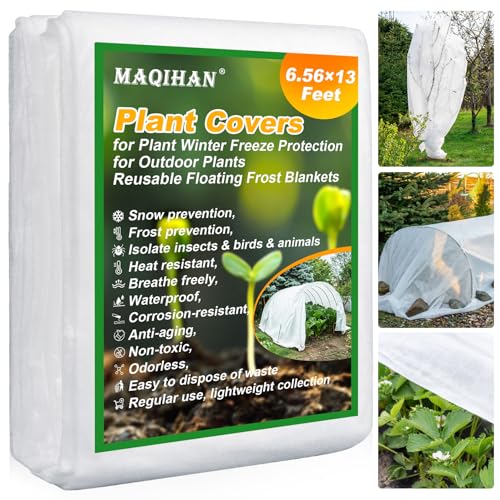
- BrandMAQIHAN

- BWP Score8.8
BWP Score is a ranking system developed by Bestwinterproducts.com. BWP score has no relationship or impact from any manufacturers or sales agent websites. Learn more
- BrandVEVOR

- BWP Score8.0
BWP Score is a ranking system developed by Bestwinterproducts.com. BWP score has no relationship or impact from any manufacturers or sales agent websites. Learn more
- BrandBio Green

- BWP Score8.0
BWP Score is a ranking system developed by Bestwinterproducts.com. BWP score has no relationship or impact from any manufacturers or sales agent websites. Learn more
- BrandTAFALAA

- BWP Score7.2
BWP Score is a ranking system developed by Bestwinterproducts.com. BWP score has no relationship or impact from any manufacturers or sales agent websites. Learn more
- BrandLHUKSGF

- BWP Score-
BWP Score is a ranking system developed by Bestwinterproducts.com. BWP score has no relationship or impact from any manufacturers or sales agent websites. Learn more
- BrandVEVOR

- BWP Score-
BWP Score is a ranking system developed by Bestwinterproducts.com. BWP score has no relationship or impact from any manufacturers or sales agent websites. Learn more
- BrandHyuduo
Last update on 2026-10-02 / Affiliate links / Images, Product Titles, and Product Highlights from Amazon Product Advertising API
FAQs
How cold can an unheated greenhouse get overnight compared to outside?
An unheated greenhouse without thermal mass usually stays only 2°F to 5°F warmer than the outdoor air by early morning. Glass and thin plastic lose heat quickly once the sun sets. Adding water barrels, bubble wrap insulation, and row covers can increase that buffer, keeping plants 5°F to 10°F warmer than outside temperatures.
What temperature should I aim to maintain for winter plants?
For hardy vegetables like kale, spinach, and overwintering perennials, keeping the greenhouse between 35°F and 40°F prevents freezing damage. Tender crops, citrus trees, and young seedlings require temperatures maintained between 45°F and 50°F to stay healthy and active. Check the temperature requirements of your specific plant varieties to set your thermostat accurately.
Can I use candles or terra cotta pots to heat my greenhouse?
Candle heaters produce minimal warmth and cannot protect a greenhouse during freezing winter conditions. Burning multiple candles also creates smoke and soot that coats greenhouse panels and reduces sunlight transmission. An open flame left unattended in a greenhouse presents a severe fire risk around dry plant matter and plastic covers.
Will bubble wrap block the sunlight my plants need to survive winter?
Clear horticultural bubble wrap lets in roughly 75% to 80% of natural sunlight while providing an insulating air barrier. Overwintering plants grow slowly and require less intense light than actively fruiting summer crops. Lining north and east walls with bubble wrap conserves warmth without depriving plants of necessary daylight.


Best Warm Winter Scarves 2026 For Cozy Comfort

Best Green Ski Goggles 2026 For Clear Vision On Slopes

12 Best Corner Electric Fireplace 2026: My Ultimate Guide To Pick One

Best Battery Powered Snow Blower 2026 For Effortless Snow Clearing

Best Ski Goggles Under 30 Inches For Crisp Vision And Comfort

Best Cooling Scarf 2026 For Instant Relief And Comfort

Fake Snow for Grass: Create a Realistic Winter Lawn Display

Dimplex Prism Wall Mount Fireplace: Sleek Heat With Modern Flame Style





