
How to Keep a Stray Cat Warm in Winter?

Set up a small, draft-free shelter packed with clean, dry straw in a quiet corner away from the wind. This gives an outdoor cat an immediate pocket of trapped body heat while keeping out wet snow and drafts. Avoid lining the floor with blankets, towels, or folded cardboard. Soft fabrics absorb moisture from the air and ground, turning into frozen sheets that cause hypothermia (a dangerous drop in internal body temperature).
A few details change your setup. A wary feral cat often needs a second escape door so it never feels trapped by predators. Heavy snow drifts and deep freezes require lifting the shelter onto wood pallets to block ground frost. Access to an outdoor electrical outlet also lets you plug in a heated bowl to keep drinking water from freezing. Here is how to build a dry, warm refuge that protects community cats through freezing weather.
Set Up an Elevated Shelter in a Quiet, Blocked-Off Spot
Freezing ground steals body heat through direct contact. When an outdoor cat curls up on cold soil or concrete, thermal conduction pulls warmth away from its body. You can stop this heat loss by lifting the shelter two to four inches off the ground using flat bricks, cinder blocks, or a wooden pallet. This small air space underneath stops rising ground chill and prevents melting slush from soaking through the floor.
Placement determines whether a cat uses the shelter. Pick a quiet spot shielded from prevailing winds. Tucking the box against a south-facing exterior wall, under a porch, or inside an open shed protects it from freezing rain and drafts. Angle the door away from north winds so air does not blow straight inside.
Keep shelter sizing snug rather than spacious. A stray cat warms its winter home using only its own body heat. An ideal shelter for one or two cats measures roughly sixteen to twenty-four inches long and fifteen inches high. If the shelter is too large, the cat cannot warm that volume of air.
Think about security and escape routes for feral cats. A feral cat is an unsocialized outdoor cat that stays fearful of people and alert to predators. If a shelter has only one entry hole, a feral cat may refuse to enter because it feels cornered. Adding a second door on an adjacent wall provides a safe escape route. Cover both doors with clear vinyl flaps to block biting drafts while keeping visibility clear.
Pack the Bed with Clean Straw Instead of Blankets or Hay
Putting old blankets, towels, or folded fleece jackets inside an outdoor shelter seems caring, but it is a dangerous cold-weather mistake. Cotton fabrics and folded cardboard absorb moisture from humid air, melting snow, and exhaled breath. Because outdoor shelters lack central heating, damp fabric cannot dry out. In sub-freezing weather, wet blankets freeze into stiff sheets of ice. Instead of insulating, frozen fabric acts like an ice pack against the cat's body, quickly causing hypothermia, which is a dangerous drop in internal body temperature.
Clean straw is the best bedding you can give an outdoor cat. Straw consists of dry, hollow yellow stalks left behind after grain harvesting. Because the stalks are hollow, they trap tiny pockets of warm air inside, creating natural insulation. Straw also has a waxy surface that repels water rather than soaking it up. Moisture drains down past the stalks, leaving the top layer dry and warm against the cat's fur.
Never confuse clean straw with hay. Hay consists of green, leafy grass cut while moist to feed livestock. Hay absorbs water from the air, packs down flat, molds quickly, and freezes solid into a cold clump. Mold spores in damp hay also trigger serious respiratory illness in cats. When buying bedding at a farm supply store, look specifically for dry yellow straw.
Fill the shelter halfway with loose straw so the cat can burrow down into the center, creating a small hollow surrounded by an insulating wall of stalks.
Serve Extra Calories Daily and Stop Drinking Water from Freezing
Outdoor cats burn through stored calories rapidly in winter to maintain their core body temperature. Staying hydrated and well-fed is vital during deep freezes.
- Feed extra calories and adjust food types for freezing weather. Outdoor cats require extra protein and fat in cold weather to generate metabolic heat. Offer nutrient-dense dry kibble alongside canned wet food. Wet food provides valuable moisture, but it freezes solid within minutes in sub-freezing temperatures. Serve wet food when the cat is present so it can eat right away. Keep dry kibble available throughout the day because dry food does not freeze.
- Choose thick plastic or heavy rubber bowls for food and water. Never serve outdoor cats food or water in metal bowls during winter. A cat's moist tongue can stick instantly to frozen metal, causing painful tissue damage. Thin ceramic and glass bowls will crack when expanding ice forms inside them. Use thick, dark-colored plastic bowls or flexible rubber dishes. Dark colors absorb ambient daylight to slow ice formation, and flexible rubber makes it easy to pop out frozen ice discs each morning.
- Use safe heated dishes or simple insulating tricks to keep water liquid. A cat cannot survive without water, and eating snow lowers its internal body temperature dangerously fast. If you have an outdoor electrical outlet, plug in a pet-safe heated water bowl. Without outdoor power, place a deep plastic bowl inside an insulated box and float a clean ping-pong ball on the surface. Gentle breezes keep the ball moving, which breaks surface tension and slows ice formation.
- Set up a covered feeding station separate from the sleeping shelter. Never place food and water dishes inside the cat's sleeping box. Spilled water will soak the straw bedding, ruining its insulation. Leftover wet food also attracts raccoons, possums, or neighborhood dogs straight to the cat's sleeping quarters. Place dishes in a separate covered feeding station a few yards away.
Add Safe Heat with Reflective Foil Mats or Outdoor-Rated Pads
Supplemental warmth provides valuable relief during sub-zero cold snaps, but your heating method must be completely safe from electrical and fire hazards.
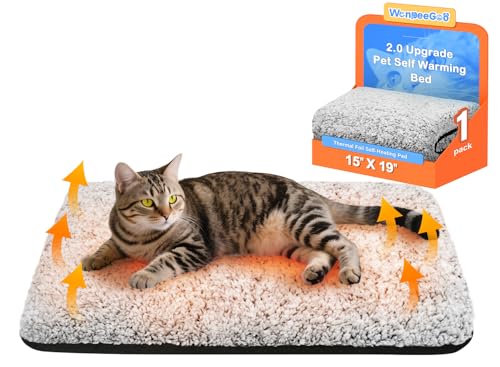
Passive body-heat mats offer simple, safe warmth without cords. These self-warming thermal pet mats feature an internal layer of heat-reflecting foil beneath a soft fleece cover. When a cat curls up on the pad, the foil layer captures the animal's radiated body warmth and bounces it directly back upward. This passive reflection works much like the thermal layers people rely on when learning to keep warm in winter outdoors in freezing weather. Self-warming mats need no electrical plugs, carry zero fire risk, and stay effective even if humidity levels rise.
Outdoor-rated electric pet pads provide constant heat when you have a safe power connection. If you run power to an outdoor cat house, use only a pad certified for outdoor pet use, plugged into a ground-fault circuit interrupter (GFCI) outlet. These specialized outdoor heating pads feature water-resistant sealed casings, internal thermostats that prevent burns, and steel-wrapped chew-proof cords that protect animals from electrical shocks. Place the pad on one side of the floor so the cat can move off it if it gets too warm.
Avoid common household heat sources that put outdoor animals in danger. Never place standard human indoor heating pads outside. Indoor pads lack water protection, short-circuit when exposed to melting snow, and can cause severe burns. Never hang clamp-style heat lamps over an outdoor shelter. Clamp lamps get knocked loose easily by wind or startled animals, quickly igniting dry straw into a deadly fire.
Follow a Daily Cold-Weather Safety Routine Around Your Yard
Keeping neighborhood cats safe through severe weather requires a few quick checks every day around your property.
- Bang firmly on your vehicle hood before starting the engine. Outdoor cats regularly climb into warm car engine bays or curl over tires in wheel wells to escape freezing winds. Slap your hood firmly with your hand, wait thirty seconds, and listen for meowing before turning the ignition key.
- Clear snow and slush away from shelter entryways. Heavy snowdrifts can quickly block low cat doors, trapping animals inside or locking them out in freezing conditions. Sweep away packed snow daily and check that vinyl door flaps swing open freely without sticking to frozen ice.
- Inspect bedding for dampness and replace soiled straw. Reach inside the shelter every few days to check the bottom layer of straw. If blowing snow or wet paws have dampened the bedding, pull it out completely and replenish the nest with clean, dry yellow straw stalks.
- Spread pet-safe ice melt on nearby walkways. Standard rock salt contains harsh chemicals that irritate sensitive paw pads. Cats lick their paws clean after walking through salt, which can cause chemical burns and internal poisoning. Just as people learn how to keep feet warm during winter with insulated gear, outdoor cats need clean pathways that protect their bare footpads from chemical burns.
- Watch for warning signs of frostbite or severe hypothermia. Check the cat's ears, nose, and tail tips for pale, gray, or blackened skin that indicates frostbite. If an outdoor cat is trembling violently, seems unusually sluggish, or walks with a stiff gait, its core temperature has dropped to dangerous levels and it needs immediate veterinary attention.
Look for Weatherproof Materials and Safe Wiring When Shopping for Shelters
If you decide to buy a manufactured shelter rather than building one from scratch, focus on moisture protection and secure structural materials. Look for an outer shell made of durable, water-resistant Oxford fabric or solid molded plastic that shields the interior against blowing snow and freezing rain. A seamless bottom is especially important because it stops standing ground water, slush, and melting snow from seeping up through needle holes or floor joints.
Insulation and safety features make manufactured shelters dependable in severe cold. Choose models with built-in foam or sponge insulation lining the walls and roof to trap escaping heat. If you pick a heated shelter, confirm that it includes an outdoor-rated heating pad with thick, water-resistant wrapping and an armored, chew-proof cord. Make sure the shelter includes an escape door if you are housing feral cats, and choose a size that fits your outdoor visitors snugly without creating drafty, unused space.

- BWP Score9.6
BWP Score is a ranking system developed by Bestwinterproducts.com. BWP score has no relationship or impact from any manufacturers or sales agent websites. Learn more
- BrandHXPLN

- BWP Score9.4
BWP Score is a ranking system developed by Bestwinterproducts.com. BWP score has no relationship or impact from any manufacturers or sales agent websites. Learn more
- BrandEursurePet

- BWP Score9.2
BWP Score is a ranking system developed by Bestwinterproducts.com. BWP score has no relationship or impact from any manufacturers or sales agent websites. Learn more
- BrandMora Pets

- BWP Score9.2
BWP Score is a ranking system developed by Bestwinterproducts.com. BWP score has no relationship or impact from any manufacturers or sales agent websites. Learn more
- BrandK&H Pet Products
- BWP Score9.0
BWP Score is a ranking system developed by Bestwinterproducts.com. BWP score has no relationship or impact from any manufacturers or sales agent websites. Learn more
- BrandWanpeeGoo

- BWP Score8.8
BWP Score is a ranking system developed by Bestwinterproducts.com. BWP score has no relationship or impact from any manufacturers or sales agent websites. Learn more
- BrandWn's Day

- BWP Score8.8
BWP Score is a ranking system developed by Bestwinterproducts.com. BWP score has no relationship or impact from any manufacturers or sales agent websites. Learn more
- BrandGeneric

- BWP Score8.2
BWP Score is a ranking system developed by Bestwinterproducts.com. BWP score has no relationship or impact from any manufacturers or sales agent websites. Learn more
- BrandTailTastic

- BWP Score7.6
BWP Score is a ranking system developed by Bestwinterproducts.com. BWP score has no relationship or impact from any manufacturers or sales agent websites. Learn more
- BrandFhiny
Last update on 2026-10-01 / Affiliate links / Images, Product Titles, and Product Highlights from Amazon Product Advertising API
FAQs
Can I use a cardboard box as a temporary outdoor cat shelter?
A cardboard box works only as a short-term shelter for a single dry night if placed in an area protected from wind, such as a covered porch. Plain cardboard absorbs moisture from damp ground and humid air, quickly becoming soggy and losing all insulating power. If you must use cardboard temporarily, wrap the exterior in heavy plastic bags, lift it with wooden blocks, and fill the inside with clean dry straw.
How cold is too cold for an outdoor cat to survive without shelter?
Most cats manage temperatures down to 45°F without distress, but once temperatures fall below 32°F, the danger of hypothermia and frostbite rises sharply. Freezing rain and wind chill make cold weather far more dangerous because wet fur cannot trap warm air. Outdoor cats need insulated shelters, liquid water, and extra calories as soon as freezing weather arrives.
Will a feral cat use a shelter placed right next to my back door?
Most feral cats avoid shelters placed near high-traffic human entrances because they fear close contact with people and household pets. You will have much better success setting the shelter in a quiet, secluded corner of your yard, such as behind a garden shed, underneath a low deck, or tucked against a fence line. Keep the opening pointed away from human walking paths so the cat feels secure and hidden.
Can I put hot water bottles or warm bricks inside the cat shelter?
A hot water bottle wrapped in a wool sock provides helpful warmth, but it stays warm for only two to three hours in freezing conditions. Once the water cools down, it turns into a cold, heavy object that draws body heat out of the shelter. Unless you are able to refresh the hot water bottle every few hours throughout the night, rely on self-warming thermal mats that reflect the cat's own body heat indefinitely without cooling off.


Best Warm Winter Scarves 2026 For Cozy Comfort

Best Green Ski Goggles 2026 For Clear Vision On Slopes

12 Best Corner Electric Fireplace 2026: My Ultimate Guide To Pick One

Best Battery Powered Snow Blower 2026 For Effortless Snow Clearing

Best Ski Goggles Under 30 Inches For Crisp Vision And Comfort

Best Cooling Scarf 2026 For Instant Relief And Comfort

Fake Snow for Grass: Create a Realistic Winter Lawn Display

Dimplex Prism Wall Mount Fireplace: Sleek Heat With Modern Flame Style





