
How to Keep Cats Warm During Winter Indoors and Out

Cats stay warm with dry, draft-free bedding. For indoor pets, that means lifting beds off cold floors and tucking cozy resting spots away from chilly window drafts. For outdoor cats, staying safe through freezing weather requires insulated shelters packed with loose straw rather than fabric blankets that absorb moisture and freeze. Trapping natural body heat safely keeps cats comfortable without running the risk of electrical burns.
The exact steps depend on the cat's living environment and physical condition. Senior cats, young kittens, and short-haired breeds lose core body heat quickly, making them vulnerable even inside a drafty house. Outside, wet fur and bitter winds rob body heat much faster than still, dry cold. Knowing how to spot early chills and set up safe warm zones ensures every feline stays protected all season long.
Cats Feel Cold Below Forty-Five Degrees
Cats hide weakness naturally. In the wild, showing that you feel chilled makes you an easy target. Because of that instinct, cats rarely cry when temperatures drop. Instead, they quietly endure the cold until their core body temperature drops to dangerous levels.
A healthy cat maintains a normal body temperature between 100.5°F and 102.5°F. Because cats run warmer than humans, they work harder at thermoregulation, which simply means balancing natural body heat against cold air. When an indoor room drops below 65°F, senior pets, short-haired breeds, and kittens burn extra calories just to stay warm.
For outdoor cats, cold air becomes a serious hazard once temperatures drop below 45°F. Once the temperature drops below freezing at 32°F, the risk of frostbite and hypothermia (a dangerous drop in core body heat) rises sharply. If freezing rain or wet snow soaks their coat, even a 40°F day can trigger hypothermia. Wet fur loses its natural loft, and without trapped pockets of warm air, a cat loses body heat rapidly.
Look for these subtle signs that your cat feels chilly:
- Sitting in a hunched loaf position with paws, legs, and tail tucked firmly beneath the chest.
- Ears, nose leather, and paw pads feeling cold or stiff when you touch them gently.
- Seeking heat sources around the house, such as appliances, heating vents, or the space behind a refrigerator.
- Curling into a tight ball rather than sprawling on their side.
- Shivering. Shivering is unusual for cats, so visible tremors mean your cat is cold and needs immediate help.
Lift Indoor Beds Off Cold Floors And Block Drafts
Cold winter air sinks straight to the floor. Even if your wall thermostat reads 70°F, the first few inches above tile, hardwood, or basement concrete can register five to ten degrees colder. A cat resting directly on a bare floor loses heat through conduction, where cold flooring pulls warmth right out of their belly.
Lifting sleep spots off the ground is one of the easiest ways to keep cats warm. Move cat beds onto sturdy low tables, wide chairs, or low shelves. If your cat loves window perches, be careful during winter nights. Cold window glass radiates a continuous chill. Move perches slightly away from the glass, or close curtains at dusk to block drafts.
You can also tackle drafts throughout your home to create warm pockets of air. Just as you might look for ways to keep warm in winter in the house, simple adjustments make rooms cozy for pets too:
- Slide an under-door draft stopper or a rolled towel against the bottom of exterior doors.
- Place cardboard boxes lined with soft fleece on their sides in quiet corners to trap warm air around your cat.
- Provide cat sleeping bags or cave beds with supportive entrances so your cat's own body heat warms the interior.
- Keep beds away from heat registers to avoid blocking airflow or overheating your pet.
- Maintain a strict 3-foot clearance from curtains, pet beds, and furniture if you run a space heater. Always plug space heaters directly into a wall outlet, and never leave them running unattended around pets.
Human Heating Pads Burn Cats But Pet Pads Stay Safe
When owners see their cats shivering, reaching for a standard human heating pad seems like a quick solution. But human heating pads are a leading cause of pet burns and household fires. You should never use a human heating pad for a cat.
Human heating pads are designed for adult humans and short sessions. They quickly reach temperatures over 120°F, which burns delicate cat skin. Cats with stiff joints, sleeping seniors, and kittens often fail to move away in time. Over time, that concentrated heat causes severe contact burns beneath the fur. Thin electrical cords also invite chewing, creating a serious shock hazard.
Pet-specific warming options solve this problem through dedicated safety features:
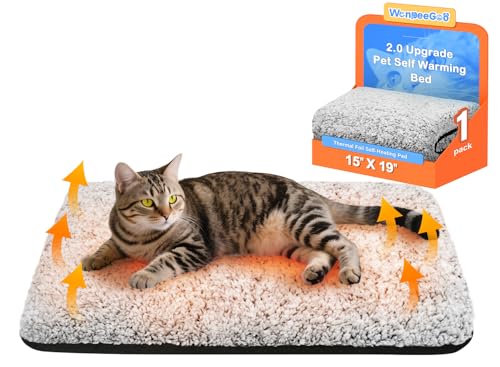
- Self-warming thermal mats: These pads contain no electrical cords or heating elements. Inside the fabric, a layer of thermal foil (a heat-reflecting sheet sewn inside fabric beneath soft fleece) bounces your cat's own body heat straight back to them. Because they rely on natural reflection, they cannot overheat, burn skin, or cause an electrical fire. You can safely leave them on furniture, in beds, or inside carriers all day.
- Low-voltage electric pet pads: Pet-rated electric pads are thermostatically controlled. They idle at a gentle temperature and only rise to a cat's natural body warmth (around 102°F) when the pet lies down. They also feature steel-wrapped, chew-resistant cords and water-resistant inner liners to protect against spills or accidents.
Build Outdoor Shelters With Insulated Walls And Dry Straw
Feral cats and outdoor pets face harsh winter conditions. If you care for an outdoor cat, set up safe housing before the first hard freeze hits. While people keep warm in winter outdoors by layering clothing, outdoor cats depend entirely on dry, windproof shelter to survive.
The single most important rule of outdoor cat bedding is to use clean, dry straw, and never use hay, blankets, or towels:
- Clean dry straw: Straw is the dried stalk of harvested grain. Each stalk is hollow, creating tiny natural air tubes that trap body heat. Straw repels moisture, stays dry when cats track in snow, and allows cats to burrow into a warm nest.
- Hay: Hay is green grass cut for animal feed. Hay absorbs moisture like a sponge, grows mold, and rots. In freezing weather, wet hay freezes solid into an icy block that drains warmth straight from an animal.
- Blankets and towels: Cotton and wool blankets absorb moisture from damp air and breathing. They quickly become wet, freeze rock-hard, and leave the cat sleeping on an ice sheet.
Follow these numbered steps to build a safe outdoor shelter:
- Select a compact container: A plastic storage tote bin, a wooden shelter, or a dense styrofoam cooler works well. Keep it compact, roughly 16 to 24 inches wide. If the box is too large, the cat's body heat disperses into empty air.
- Cut a small, raised entry: Cut an opening 5 to 6 inches in diameter, placed 2 to 3 inches above the bottom to stop rain runoff. Add a flexible vinyl flap to block wind. If predators are in your area, install a second escape door on the opposite side.
- Insulate the interior: Line the inside walls, floor, and lid with 1-inch thick rigid foam board. Seal all seam gaps with foil tape to eliminate drafts.
- Elevate the box: Prop the container up on wooden pallets, bricks, or 2x4 lumber. Raising the shelter stops ground moisture and prevents conductive cold from chilling the floor.
- Pack loosely with dry straw: Fill the box about halfway with clean straw. Keep it loose so the cat can hollow out a burrow that hugs their body.
- Position away from wind: Point the entry door away from prevailing winter winds, facing a wall or tucking the box beneath a covered porch or deck eave.
- Provide heated water: Dehydration speeds up hypothermia because cats need water to maintain body heat. Use a pet-safe heated water bowl plugged into an outdoor outlet. Keep the bowl outside the shelter so spills do not soak the straw. Never hang clamp-style heat lamps in outdoor shelters, because an accidental bump can ignite dry straw.
Watch For Shivering Lethargy And Rewarm Cats Slowly
When a cat's core temperature drops below 100°F, bodily systems begin shutting down. Hypothermia can happen indoors if an elderly cat gets trapped in an unheated room, or outdoors when wind and freezing precipitation soak a cat's coat. Recognizing a medical crisis allows you to act before organ failure occurs.
Look for these critical warning signs:
- Mild hypothermia: Shivering, cold extremities (ears, paws, tail), sluggish movement, and hunched posture.
- Moderate to severe hypothermia: Shivering stops entirely because energy reserves are gone. The cat becomes weak, stumbles, and appears unresponsive. Breathing turns shallow, pupils dilate, and muscles become stiff.
- Frostbite signs: Frostbite frequently accompanies severe cold. Affected skin on ear tips, tail tips, and paw pads looks pale, gray, or bluish white, and feels cold and hard. In later stages, frostbitten tissue turns black and dry.
If you find a cat suffering from severe cold, follow these emergency steps to rewarm them safely:
- Move the cat indoors into a warm room immediately.
- Gently blot wet fur with dry towels. Do not rub roughly, because chilled skin is brittle and easily damaged.
- Wrap the cat in dry towels that have been warmed in a clothes dryer.
- Rewarm the cat gradually. Never place a chilled cat into hot water, and never apply a hair dryer or human heating pad directly to their body. Rapid heating forces surface blood vessels to open suddenly, causing a dangerous drop in blood pressure that can trigger heart shock.
- Fill plastic bottles with warm tap water, wrap them in clean socks or thin towels, and tuck them against the cat's belly and chest.
- Call your veterinarian or an emergency animal hospital immediately. Severe cold causes electrolyte imbalances and heart complications that require professional veterinary care, IV fluids, and heated oxygen therapy.
Choose Safe Thermal Mats Designed Specially For Cats
If you want to give your pet extra warmth indoors or upgrade an outdoor shelter, dedicated pet warming gear is the safest choice. While standard blankets flatten and absorb floor chill, pet pads isolate your cat from cold surfaces without the fire and burn risks of human appliances.
When shopping for winter warming mats, look for these practical features to ensure they fit your cat's living space:
- Self-warming reflective construction: If you want a zero-maintenance option that requires no electrical outlets, look for self-heating pads built with internal thermal foil. These lightweight mats work anywhere, from unheated mudrooms and garage shelters to sofas, crates, and window sills. Check that the foil layer is securely encased inside padding so it does not crinkle loudly and scare cautious cats.
- Low-voltage safety certifications: If you choose an electric heated pet pad for indoor use or an outdoor enclosed shelter, ensure it features an integrated thermostat that holds the pad at natural body temperature. Verify that the power cord has a chew-resistant steel wrap and that electrical components carry recognized safety listings for pet use.
- Washable, removable covers: Winter brings mud, wet paws, and shedding fur. Choose pads with removable, machine-washable outer covers, preferably made with soft faux fur or fleece for immediate cozy appeal.
- Non-slip backing: Look for a pad with a rubberized or textured non-skid bottom. This keeps the mat from sliding across slick hardwood or tile floors when your cat pounces or stands up.
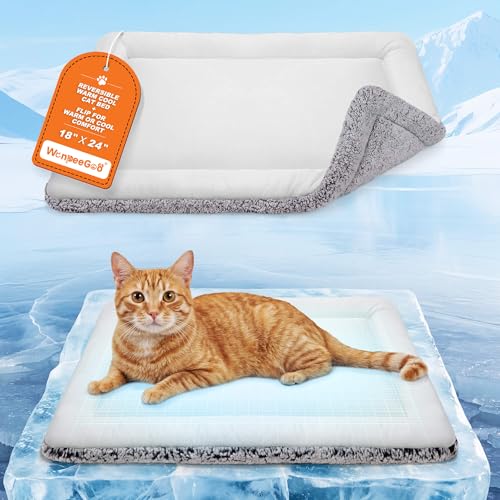
- Appropriate sizing: Measure your cat's favorite sleeping shape before buying. A mat that is 18 to 24 inches long gives most average-sized cats plenty of room to curl up tightly or stretch out comfortably without hanging off the warm surface.

- BWP Score9.2
BWP Score is a ranking system developed by Bestwinterproducts.com. BWP score has no relationship or impact from any manufacturers or sales agent websites. Learn more
- BrandFurhaven

- BWP Score9.2
BWP Score is a ranking system developed by Bestwinterproducts.com. BWP score has no relationship or impact from any manufacturers or sales agent websites. Learn more
- BrandMora Pets

- BWP Score9.2
BWP Score is a ranking system developed by Bestwinterproducts.com. BWP score has no relationship or impact from any manufacturers or sales agent websites. Learn more
- BrandK&H Pet Products

- BWP Score9.0
BWP Score is a ranking system developed by Bestwinterproducts.com. BWP score has no relationship or impact from any manufacturers or sales agent websites. Learn more
- BrandPETYELLA
- BWP Score9.0
BWP Score is a ranking system developed by Bestwinterproducts.com. BWP score has no relationship or impact from any manufacturers or sales agent websites. Learn more
- BrandWanpeeGoo
- BWP Score9.0
BWP Score is a ranking system developed by Bestwinterproducts.com. BWP score has no relationship or impact from any manufacturers or sales agent websites. Learn more
- BrandWanpeeGoo

- BWP Score8.8
BWP Score is a ranking system developed by Bestwinterproducts.com. BWP score has no relationship or impact from any manufacturers or sales agent websites. Learn more
- BrandGeneric

- BWP Score8.6
BWP Score is a ranking system developed by Bestwinterproducts.com. BWP score has no relationship or impact from any manufacturers or sales agent websites. Learn more
- BrandINVENHO

- BWP Score8.6
BWP Score is a ranking system developed by Bestwinterproducts.com. BWP score has no relationship or impact from any manufacturers or sales agent websites. Learn more
- BrandClysee
Last update on 2026-10-01 / Affiliate links / Images, Product Titles, and Product Highlights from Amazon Product Advertising API
.jpg)

Best Warm Winter Scarves 2026 For Cozy Comfort

Best Green Ski Goggles 2026 For Clear Vision On Slopes

12 Best Corner Electric Fireplace 2026: My Ultimate Guide To Pick One

Best Battery Powered Snow Blower 2026 For Effortless Snow Clearing

Best Ski Goggles Under 30 Inches For Crisp Vision And Comfort

Best Cooling Scarf 2026 For Instant Relief And Comfort

Fake Snow for Grass: Create a Realistic Winter Lawn Display

Dimplex Prism Wall Mount Fireplace: Sleek Heat With Modern Flame Style





