
How to Keep a Chicken Coop Warm Safely in the Winter

Chickens rarely need artificial heat in winter. Healthy adult birds wear thick down coats that trap body warmth far better than human winter jackets. What they truly need is shelter from biting winds and damp air. Block drafts down low along the roosting bars, but leave vents open up near the roof so humid air escapes. Laying down thick, dry bedding over the floor will stop ground chill from rising up into the coop.
A few details can change how much winterizing your setup requires. Deep sub-zero freezes test a flock harder than mild cold spells, and breeds with large, upright combs risk frostbite much faster than cold-hardy types. Your coop design also matters, since fresh air must always travel high above sleeping hens. Here is how to keep the coop snug and dry through the worst weather without risking a fire.
Do Chickens Really Need a Heater in Freezing Weather?
Adult chickens handle cold weather much better than people expect. A healthy chicken maintains a natural body temperature between 105°F and 107°F. Chickens stay warm by trapping pockets of heated air inside their soft down feathers, puffing up like an insulated coat. At night, they huddle together on roosts, tuck their heads under their wings, and cover their bare legs with their warm breast feathers. In most climates, a dry coop with proper airflow protects a standard flock without extra heat.
Adding artificial heat often causes serious hazards. Hanging clamp-style heat lamps cause devastating coop fires every winter. Chickens flutter their wings, kick up dry litter, and knock loose fixtures down into bedding. In a wooden coop filled with dry straw and feather dust, a hot 250-watt bulb can ignite bedding within seconds.
Supplemental heat also prevents chickens from building natural cold tolerance. When exposed to gradually falling autumn temperatures, birds grow denser under-down and adjust their metabolism. If a heater runs continuously inside the coop and a winter storm knocks out your electrical power, the flock faces a sudden temperature drop. That abrupt shock can kill birds that never acclimated to the cold.
Artificial warmth is only necessary in extreme situations. Flocks facing sustained sub-zero temperatures (temperatures dipping below 0°F), birds recovering from a late molt, or breeds with thin feathers and large combs may need mild support. For most backyard birds, a draft-free coop keeps them safe on its own.
Steps to Stop Freezing Drafts Without Trapping Moisture
The biggest threat to wintering chickens is damp air combined with wind. A direct draft blowing across roosting birds strips away their warm air pocket. At the same time, sealing a coop airtight traps moisture from chicken breath and droppings. That trapped humidity settles on cold skin, causing frozen skin on combs and wattles (frostbite). You must block low wind while keeping vents that let out damp air (ventilation) open high above the flock.
Follow these steps to balance warmth and fresh airflow inside your coop:
- Check for moving air at roost height on a blustery night. A direct draft blowing across perching birds ruffles their feathers and strips away trapped body heat.
- Seal all gaps and wall seams below the roosting bars. Closing low wall openings stops cold ground-level gusts from swirling through the sleeping quarters where birds rest.
- Keep roofline vents and upper gables open. High vents let warm, humid air escape before moisture condenses on the ceiling and drips onto the flock.
- Install wide roosting bars with the flat side facing up. A flat wooden board at least two inches wide allows chickens to sit flat so breast feathers cover their toes completely.
- Position fresh air intakes on the sheltered side of the coop. Bringing in air away from prevailing winds prevents sudden blasts of freezing air during winter storms.
Understanding moisture helps explain why airtight coops fail. Chickens exhale humidity with every breath, and their droppings consist mostly of water. When damp air cannot escape out the top of the coop, it rises, condenses into ice droplets on the ceiling, and drips down. When comb tissue stays wet in freezing conditions, frostbite sets in rapidly.
Perch shape matters just as much as drafts. While humans learn how to keep feet warm during winter with thick socks, chickens rely entirely on their breast feathers to warm their toes. A narrow round bar forces birds to curl their toes around the bottom where icy air reaches them. A flat two-by-four lets them sit squarely over their feet to stay warm all night.
Deep Bedding Methods for Natural Floor Warmth
The ground beneath your coop acts like a massive cold sink that pulls heat from the air. Using thick layered bedding that generates gentle floor warmth (known as the deep litter method) provides a natural thermal cushion for your flock. Instead of cleaning out the floor every week, you build up a thick, absorbent carbon base that breaks down waste naturally.
Selecting the right bedding material is critical. Always choose clean, dry straw or kiln-dried pine shavings. Clean straw has hollow stalks that trap body heat and repel moisture, whereas hay absorbs moisture, molds quickly, and freezes into a solid cold block. Pine shavings also absorb liquids quickly and break down cleanly under moving chicken feet.
Start your bedding base in late autumn with a layer roughly four to six inches deep. Turn the bedding once a week with a pitchfork to work droppings downward and aerate the pack. Add a fresh, thin layer of shavings whenever the top looks soiled. By mid-winter, the bedding should stand eight to twelve inches deep. Microbes working in the bottom layer generate gentle ambient floor warmth that keeps the coop floor from freezing solid.
Winterizing the Chicken Run and Protecting Drinking Water
Locking chickens inside a dark coop all winter causes stress, boredom, and feather pecking. Chickens need daylight and fresh air, but they refuse to walk on deep snow. Enclosing parts of the outdoor run turns a snow-covered pen into a dry, wind-free area where birds can exercise and dust bathe safely.
Wrap the sides of the run that face prevailing winter winds with heavy-duty clear tarps or thick vinyl covers. Clear materials stop biting wind and snowdrifts while letting natural sunlight warm the ground. Leave the downwind side open or leave wide gaps near the top so outdoor air circulates freely. Scatter dry straw or wood mulch over the ground so birds can walk without touching frozen dirt.
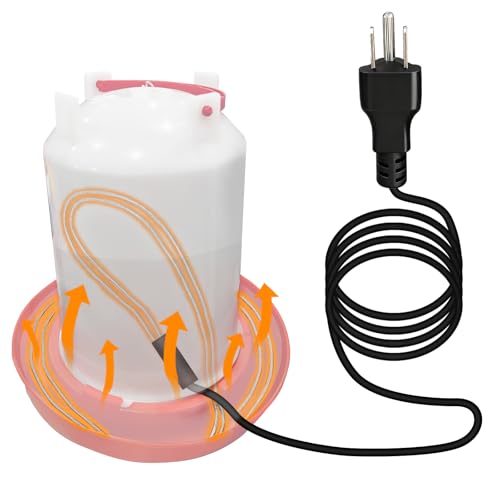
Keeping water from freezing is equally essential. Chickens cannot drink ice, and without water, they stop eating within hours. Chickens produce body heat by digesting feed overnight, so dehydration quickly leads to hypothermia. Use a low-watt heating cable submerged in your waterer or place the fount on an electric heated base. Always route electrical cords outside the wire so birds cannot peck at the insulation.
Taking care of outdoor chores in freezing wind can be exhausting. Knowing how to keep warm in winter outdoors helps you stay safe and patient while managing water heaters and checking on your flock during winter freezes.
Spotting Cold Stress and Using Safe Supplemental Heat
Watching flock behavior tells you exactly how well your birds handle the cold. Healthy chickens stay active and forage through their bedding. Birds feeling severe cold stress show clear distress signs: they puff their feathers out continuously, pull their heads tight into their shoulders, and stand motionless on one foot for hours. If chickens shiver or huddle together on the coop floor during daylight, the coop is either too drafty or too cold.
Inspect combs and wattles daily for signs of frostbite. Frostbite starts as pale or grayish-white patches on comb tips and wattle edges where circulation slows. As damaged tissue dies, those patches swell, turn black, and eventually drop off. If you spot frozen skin, never rub the area or apply direct heat. Rewarm numb skin with lukewarm water (never hot water, heating pads, or vigorous rubbing) to prevent tissue damage. Coat large combs with a thick barrier ointment, such as petroleum jelly, before extreme storms to shield bare skin from moisture.
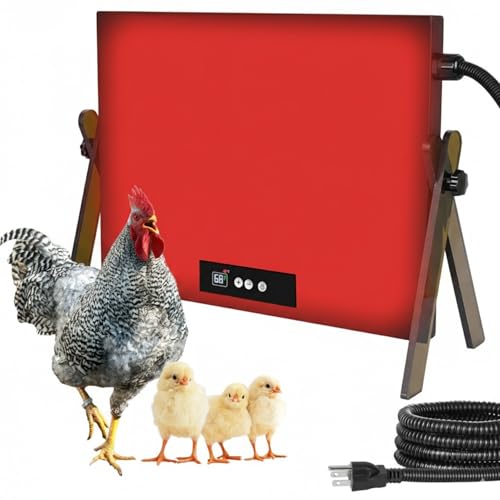
If severe sub-zero cold forces you to add heat, choose a flat warming panel with no open bulb (radiant heater). Radiant panels give off gentle, localized warmth without glowing elements or scorching surfaces. Chickens can stand next to the panel to take the chill off without burning their feathers or creating a coop fire. Mount the panel firmly to the coop wall next to the roost so birds can move close or walk away as needed.
Choosing Winter Equipment for Your Chicken Coop
Choosing proper cold-weather equipment protects your flock without introducing fire hazards. For the run, look for heavy-duty clear vinyl or polyethylene covers with reinforced edges and rust-proof grommets. Clear covers block freezing gusts and driving snow while allowing sunshine to warm the ground.
For water management, look for low-watt submersible heating cords or enclosed heated drinker bases with grounded, outdoor-rated wiring. Ensure the heater features automatic shut-off safety controls so it runs only when temperatures dip near freezing. If you need supplemental heat for extreme sub-zero weather, choose a wall-mounted radiant heater panel designed for poultry. Verify that the unit uses low wattage, contains no open bulbs or heated coils, and includes solid mounting brackets.

- BWP Score9.2
BWP Score is a ranking system developed by Bestwinterproducts.com. BWP score has no relationship or impact from any manufacturers or sales agent websites. Learn more
- BrandJoddguu

- BWP Score9.0
BWP Score is a ranking system developed by Bestwinterproducts.com. BWP score has no relationship or impact from any manufacturers or sales agent websites. Learn more
- BrandPJT

- BWP Score9.0
BWP Score is a ranking system developed by Bestwinterproducts.com. BWP score has no relationship or impact from any manufacturers or sales agent websites. Learn more
- BrandMEWTOGO
- BWP Score8.6
BWP Score is a ranking system developed by Bestwinterproducts.com. BWP score has no relationship or impact from any manufacturers or sales agent websites. Learn more
- BrandZoblise
- BWP Score8.6
BWP Score is a ranking system developed by Bestwinterproducts.com. BWP score has no relationship or impact from any manufacturers or sales agent websites. Learn more
- BrandJoddguu

- BWP Score8.6
BWP Score is a ranking system developed by Bestwinterproducts.com. BWP score has no relationship or impact from any manufacturers or sales agent websites. Learn more
- BrandAhpuhtan

- BWP Score8.4
BWP Score is a ranking system developed by Bestwinterproducts.com. BWP score has no relationship or impact from any manufacturers or sales agent websites. Learn more
- BrandSohveta

- BWP Score7.8
BWP Score is a ranking system developed by Bestwinterproducts.com. BWP score has no relationship or impact from any manufacturers or sales agent websites. Learn more
- BrandZEMIRO CHARGE
- BWP Score7.6
BWP Score is a ranking system developed by Bestwinterproducts.com. BWP score has no relationship or impact from any manufacturers or sales agent websites. Learn more
- BrandFoandbevi

- BWP Score4.0
BWP Score is a ranking system developed by Bestwinterproducts.com. BWP score has no relationship or impact from any manufacturers or sales agent websites. Learn more
- BrandGeneric
Last update on 2026-10-02 / Affiliate links / Images, Product Titles, and Product Highlights from Amazon Product Advertising API
FAQs
Can I use a household space heater inside my chicken coop?
No, you should never place a household space heater inside a coop. Space heaters pull high electrical wattage and feature glowing elements that ignite dry bedding, feathers, and dust. They also heat the coop too much, preventing your chickens from developing natural cold tolerance.
At what temperature do chickens start to feel cold?
Most cold-hardy chicken breeds do not feel cold until temperatures drop below 32°F, and many tolerate temperatures down to 0°F easily in a dry coop. Breeds with small combs and thick feathering handle deep freezes without trouble. Breeds with large combs or thin feathering show signs of chill much sooner.
Does petroleum jelly protect chicken combs from frostbite?
Petroleum jelly helps protect combs by creating a barrier against moisture and frost. Apply a thin coating to combs and wattles before a major freeze to keep damp air from settling on bare skin. But keeping high coop vents open is far more effective at stopping frostbite than any ointment.
Why is there frost or moisture on the inside of my coop windows?
Frost or heavy condensation on coop windows means the coop has trapped humidity and poor airflow. Chicken breath and droppings release moisture that has nowhere to escape. Open your upper roof vents wider to let the damp air exhaust before it causes frostbite or respiratory illness.


Best Warm Winter Scarves 2026 For Cozy Comfort

Best Green Ski Goggles 2026 For Clear Vision On Slopes

12 Best Corner Electric Fireplace 2026: My Ultimate Guide To Pick One

Best Battery Powered Snow Blower 2026 For Effortless Snow Clearing

Best Ski Goggles Under 30 Inches For Crisp Vision And Comfort

Best Cooling Scarf 2026 For Instant Relief And Comfort

Fake Snow for Grass: Create a Realistic Winter Lawn Display

Dimplex Prism Wall Mount Fireplace: Sleek Heat With Modern Flame Style





