
How to Keep Chickens Laying Eggs in Winter Safely

A sudden drop in winter egg production is completely normal and nothing to worry about. Hens naturally pause when daylight fades, so adding a gentle morning light to provide 14 hours of light is the most reliable way to keep your nesting boxes full. Combining that extra light with fresh, unfrozen drinking water and a bit more protein gives birds the fuel they need without turning to risky heat lamps.
How you handle the season depends on the age of your hens and whether they are still regrowing feathers after their fall molt (the yearly shedding of old feathers). Bitter regional freezes, wind exposure, and whether you prefer giving your flock a natural winter rest also factor into the choice. A few simple coop adjustments will keep your hens comfortable, warm, and laying safely all season.
Why Did My Chickens Suddenly Stop Laying Eggs?
Hens do not stop laying eggs simply because winter arrived. The primary trigger behind empty nesting boxes is the changing calendar. Chickens depend on light to stimulate their reproductive hormones. Specifically, a tiny gland behind their eyes called the pituitary gland responds to daily daylight hours (known as the photoperiod). When natural daylight drops below 14 hours each day in autumn, the hen receives a hormonal signal that winter has begun. Her body responds by slowing or stopping egg production until spring.
At the same time, your flock goes through their annual molt (the yearly process of shedding old feathers and regrowing new plumage). Regrowing feathers demands heavy amounts of protein, since chicken feathers consist almost entirely of keratin. A hen cannot grow a thick coat of winter down while simultaneously producing eggs. Her body directs all available dietary protein and minerals toward feather regrowth.
Cold temperatures also play a secondary role. When outside air turns freezing, hens burn extra calories just to stay warm. Instead of channeling feed into yolk and shell production, their digestive systems burn nutrients as heating fuel. Addressing daylight loss, nutrient diversion, and cold stress together is the only way to restart winter production.
How Do I Add Light Without Starting a Fire?
Adding supplemental light is the most reliable way to maintain egg production, but chicken coops contain dry bedding, feathers, and airborne dust. Hanging a clamp-style heat lamp from a wooden post is an extreme fire hazard. Clamp lamps easily slip or get knocked into dry straw by flapping wings, igniting coop fires within seconds. You do not need intense heat to encourage laying; you only need gentle illumination. A standard nine-watt LED bulb provides plenty of light, uses minimal electricity, and stays cool to the touch.
Timing the light properly is critical. Always add extra light during early morning hours, never in the evening. If an artificial light abruptly turns off at night, the coop plunges into pitch blackness. Chickens have poor night vision and will get stranded on the floor, unable to find their roosting bars. Adding light before sunrise lets birds wake up and lay, while the natural evening sunset guides them safely to their perches.
Follow these steps to set up safe morning lighting:
- Check your local sunrise and sunset times. If your area gets ten hours of natural daylight, you need four extra hours of artificial light to reach the 14-hour target.
- Mount an enclosed, shatter-resistant LED fixture to the ceiling, well out of reach of flapping wings.
- Shield all electrical wiring inside hard plastic conduit so hens cannot peck through the insulation.
- Plug the fixture into a heavy-duty outdoor timer set to switch on around 4:00 AM or 5:00 AM and shut off after sunrise.
- Wipe dry coop dust off the bulb cover weekly and verify timer settings after winter power outages.
What Should I Feed My Hens During Winter?
Egg production requires immense nutritional support, especially when hens battle sub-freezing temperatures. An egg is roughly three-quarters water and rich in protein, vitamins, and minerals. If hens run out of water or balanced calories for even a few hours, egg laying can stop for weeks.
Use this winter feeding checklist to support healthy egg production:
- Unfrozen water all day: Chickens will not eat dry feed without water, and they cannot produce eggs without hydration. Use an insulated, heated poultry drinker to stop ice from forming.
- Higher protein layer ration: Switch from a standard 16 percent layer feed to an 18 percent layer ration during peak cold. The extra protein aids late feather recovery and fuels egg development.
- Warm morning mash: Mix feed pellets with warm water into an oatmeal consistency. Offering warm mash at dawn encourages sluggish hens to fill their crops with warm food right away.
- Bedtime scratch grains: Scatter a handful of cracked corn or scratch grains half an hour before roosting. Digesting whole grains in the gizzard generates internal body heat that keeps birds warm on the perch all night.
- Separate calcium: Keep a bowl of crushed oyster shell available at all times so hens can build firm shells without brittle edges.
How Do I Winterize the Coop Without Smothering It?
When freezing temperatures hit, many keepers make the mistake of sealing every crack and window. Chickens release substantial water vapor through their breath and droppings every night. Sealing a coop traps that humid air, causing it to condense against the ceiling and drip back down onto the flock as freezing moisture.
Trapped moisture, rather than cold air, is the real cause of frostbite on a chicken's comb and wattles (the fleshy red skin under the chicken's chin). Winterizing a coop requires balancing draft protection with good airflow:
- Block low drafts: Wind blowing across roosting bars robs hens of body heat. Seal gaps near the floor and wrap the windward sides of your run with clear plastic so birds can exercise without facing biting winds.
- Keep high ventilation open: Leave vents near the roofline open all winter. Warm, moist air naturally rises and vents outside before it can settle on sleeping birds. If your coop smells of ammonia at dawn, your ventilation is too tight.
- Choose dry straw over hay: Clean straw features hollow stalks that trap body heat and repel moisture, making it an excellent insulator for coop floors. Hay absorbs water from droppings, molds quickly, and freezes into a solid cold block that chilled hens avoid.
How Do I Keep Eggs Clean and Unfrozen?
Collecting eggs promptly is essential during sub-freezing weather. When an egg freezes, the liquid inside expands, cracking the shell open. Cracked eggs attract bedding dirt, spoil quickly, and can trigger the destructive habit of egg eating among bored birds.
Gather eggs two or three times a day during severe cold snaps. Collecting eggs mid-morning and early afternoon keeps them from sitting in freezing temperatures. Tending to the coop multiple times daily in deep snow requires practical gear, so take steps to keep feet warm during winter by wearing insulated waterproof boots and wool socks.
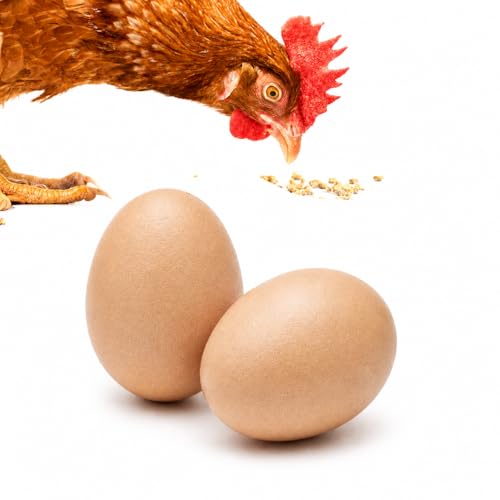
Line your nesting boxes with thick cushions of dry straw to buffer fresh eggs against cold wooden floors. If young hens drop eggs in dirty run corners instead of clean nests, place realistic wooden decoy eggs in the boxes. Spotting a fake brown egg encourages hens to use that safe, designated spot. Wooden eggs also break pecking habits. A hen that pecks a hard wooden dummy egg learns that eggs cannot be eaten, protecting your real harvest.
Should I Let My Flock Rest for the Winter?
Deciding whether to add light comes down to your personal flock goals. A hen is born with a finite supply of eggs in her ovaries. Adding supplemental light does not force her to lay more total eggs across her lifetime; it simply gathers those eggs into fewer years by skipping her natural winter rest.
If steady fresh eggs for your kitchen are your priority, supplying 14 hours of gentle morning light is safe, effective, and keeps production consistent. First-year pullets often lay through their first winter naturally, while mature hens in their second year benefit from lighting if you want to prevent a complete pause.
Allowing your birds a natural winter break also has clear advantages. A break from laying gives their reproductive tracts time to rest after months of daily production. It also lets older heritage breeds conserve energy during the harshest weather. Many keepers choose a balanced approach: let hens rest naturally during their fall molt through November, then turn on mild morning light in December to encourage laying as deep winter sets in.
What Winter Coop Gear Is Worth Buying?
Managing a winter flock is much simpler with a few practical cold-weather supplies. You do not need complicated equipment, but selecting dependable gear prevents frozen drinkers and keeps the coop draft-free. When you head outside to keep warm in winter outdoors, having reliable coop essentials ensures your birds stay safe and productive even during severe storms.
An insulated or heated poultry waterer is the most important winter tool. Look for a durable drinker designed to keep drinking points ice-free without overheating the water. Check that any electrical unit features a heavy-duty, weather-resistant power cord with protective shielding against bird pecking. A domed top is also helpful to keep birds from roosting on the reservoir.
Durable, transparent run tarps are another smart addition. Clear tarps block wind, rain, and snow while letting natural daylight warm the run space. Make sure any cover you choose includes reinforced grommets and sturdy tie cords that resist tearing during winter gales.
Finally, keep wooden decoy eggs and dried nesting herbs on hand. Wooden eggs train young layers to use nesting boxes and deter egg eating, while aromatic nesting herbs keep bedding fresh between deep cleanings.

- BWP Score10.0
BWP Score is a ranking system developed by Bestwinterproducts.com. BWP score has no relationship or impact from any manufacturers or sales agent websites. Learn more
- BrandSanttbloom

- BWP Score10.0
BWP Score is a ranking system developed by Bestwinterproducts.com. BWP score has no relationship or impact from any manufacturers or sales agent websites. Learn more
- BrandMajosta

- BWP Score9.6
BWP Score is a ranking system developed by Bestwinterproducts.com. BWP score has no relationship or impact from any manufacturers or sales agent websites. Learn more
- BrandMajosta

- BWP Score9.4
BWP Score is a ranking system developed by Bestwinterproducts.com. BWP score has no relationship or impact from any manufacturers or sales agent websites. Learn more
- BrandMajosta
- BWP Score9.2
BWP Score is a ranking system developed by Bestwinterproducts.com. BWP score has no relationship or impact from any manufacturers or sales agent websites. Learn more
- BrandSunGrow

- BWP Score9.2
BWP Score is a ranking system developed by Bestwinterproducts.com. BWP score has no relationship or impact from any manufacturers or sales agent websites. Learn more
- BrandOmlet

- BWP Score9.0
BWP Score is a ranking system developed by Bestwinterproducts.com. BWP score has no relationship or impact from any manufacturers or sales agent websites. Learn more
- BrandMAQIHAN

- BWP Score9.0
BWP Score is a ranking system developed by Bestwinterproducts.com. BWP score has no relationship or impact from any manufacturers or sales agent websites. Learn more
- BrandSunGrow

- BWP Score9.0
BWP Score is a ranking system developed by Bestwinterproducts.com. BWP score has no relationship or impact from any manufacturers or sales agent websites. Learn more
- BrandMEWTOGO

- BWP Score6.0
BWP Score is a ranking system developed by Bestwinterproducts.com. BWP score has no relationship or impact from any manufacturers or sales agent websites. Learn more
- BrandGeneric
Last update on 2026-10-02 / Affiliate links / Images, Product Titles, and Product Highlights from Amazon Product Advertising API
FAQs
Do chickens need a heater inside the coop?
Adult chickens rarely need a coop heater. Their bodies run at a high natural temperature of 105°F to 107°F, and their fluffy down feathers trap warm air against their skin like a heavy winter coat. Hanging heat lamps presents severe fire hazards from dry bedding and dust. If sub-zero cold threatens your flock, safe radiant flat panels are a much safer choice because they warm birds on contact without heating the room or creating fire risks.
Can chickens get frostbite inside a draft-free coop?
Yes, chickens can suffer frostbite inside a draft-free coop if ventilation is closed off. Frostbite is caused by trapped moisture rather than dry cold. Chickens release water vapor through breath and droppings all night. When that moisture cannot escape, it settles onto combs and wattles and freezes. Keeping high roof vents open allows humidity to vent outside safely.
What temperature is too cold for chickens to lay?
Cold-hardy breeds can lay eggs in sub-freezing temperatures as long as they receive adequate light and liquid water. Egg production typically drops when temperatures fall below 20°F because birds burn calories for warmth instead of egg formation. If drinking water freezes solid, hens will stop laying almost immediately.
Will adding extra light shorten my hens' lifespans?
Adding light does not shorten a hen's overall life, but it can shorten the number of years she lays eggs. Hens hatch with a set number of potential eggs. Providing 14 hours of daily light keeps them laying during winter, meaning they reach the end of their productive laying years earlier. Providing an annual seasonal rest allows hens to spread their laying years out longer.


Best Warm Winter Scarves 2026 For Cozy Comfort

Best Green Ski Goggles 2026 For Clear Vision On Slopes

12 Best Corner Electric Fireplace 2026: My Ultimate Guide To Pick One

Best Battery Powered Snow Blower 2026 For Effortless Snow Clearing

Best Ski Goggles Under 30 Inches For Crisp Vision And Comfort

Best Cooling Scarf 2026 For Instant Relief And Comfort

Fake Snow for Grass: Create a Realistic Winter Lawn Display

Dimplex Prism Wall Mount Fireplace: Sleek Heat With Modern Flame Style





