
How to Keep Your Dog Warm in Winter?

Many people assume that a full coat of fur shields every dog from freezing weather, but most family pets struggle in the cold just like we do. Keeping them safe comes down to dressing short-coated or smaller breeds in snug outdoor layers, shielding bare paws from ice and road salt, and raising dog beds off drafty floors inside the home. Shortening outdoor potty breaks on subfreezing days prevents rapid heat loss before a chill sets in.
How much protection a dog needs changes with their build and the daily weather. Heavy double-coated northern breeds naturally shrug off snow, while puppies, tiny dogs, and older pets with stiff joints lose body heat very quickly. Biting winds and wet slush also pull warmth away twice as fast as dry, calm cold. Here is how to keep your pet cozy and safe all season long, both out on the sidewalk and resting in the living room.
When Cold Air Becomes Dangerous for Different Breeds
Cold tolerance varies sharply from one dog to the next. A temperature that feels like a brisk morning walk to a Siberian Husky can put an Italian Greyhound at serious risk of chills. Paying attention to your dog's build, coat type, and overall vitality tells you when quick bathroom breaks must replace long neighborhood strolls.
Most healthy, medium to large dogs manage fine when outdoor temperatures sit above 45°F. Once the mercury slips below 35°F, small breeds, dogs with thin frames, and short-haired pets begin to struggle to retain their core body heat. At 20°F and below, freezing conditions become dangerous for almost any dog that does not have a thick double coat. A double coat is a dense layer of woolly underfur beneath tough outer guard hairs that traps warm air against the skin. Breeds with single coats, such as Boxers, French Bulldogs, and Whippets, lack this insulation and lose body warmth almost immediately when exposed to frosty air.
Age and health change how cold weather affects a dog. Puppies have small bodies with little body fat, so their body temperature can drop within minutes of stepping into freezing slush. Senior dogs often suffer from arthritis or stiff joints, and cold pavement makes those joint aches significantly worse. Dogs with heart conditions, kidney issues, or diabetes also struggle to regulate their circulation in winter weather. Whenever you face freezing temperatures, look at the weather conditions beyond the thermometer. Freezing rain, wet snow, and biting wind chill pull heat away from an animal far faster than dry, calm cold. When staying comfortable outside during blustery weather, matching protection to conditions is just as important for pets as it is when learning how to keep warm in winter outdoors.
Five Steps to Dress Your Dog for Freezing Walks
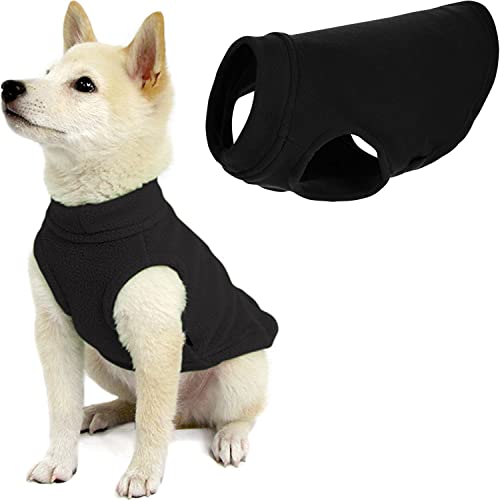
- Slip on a soft fleece base layer for crisp, dry days. A stretchy fleece vest or light pullover sweater holds natural body heat against your dog's chest and belly without restricting their shoulders or legs.
- Add a windproof and water-resistant coat if it is wet, snowing, or gusty. Wet fabric chills a dog faster than no clothing at all, so an insulated outer shell stops moisture from soaking through to their skin.
- Slide a fleece neck warmer over the head to cover exposed ears and the throat. Thin ear flaps lose circulation quickly in the wind, and a snug neck snood prevents bitter gusts from blowing down into the collar of their winter jacket.
- Fasten all belly straps snugly to keep loose fabric away from wet slush. Straps that sag underneath the body pick up road spray, soak the chest, and can cause painful chafing against tender armpits during movement.
- Verify the cut of the garment around the groin before stepping out the door. Winter clothing must end high enough underneath so your dog can relieve themselves cleanly without soaking the rear hem of their jacket in urine.
How to Protect Dog Paws from Ice, Salt, and Freezing Pavement
Dog paws take the brunt of winter hazards every day. Between sub-zero concrete, packed ice shards, and chemical melting salts, paws need daily care before and after every outdoor walk.
- Check between toe pads for ice balls: Long fur between the toes catches melting snow, which quickly refreezes into hard ice pellets that spread the toes apart and tear delicate skin with every step. Trim long foot fur short before winter sets in.
- Apply a thick barrier ointment before stepping outside: Massaging a coat of protective paw wax or thick petroleum jelly onto pad surfaces creates a shield against corrosive rock salt, chemical deicers, and abrasive snow crusts.
- Fasten secure winter dog booties for long walks: Rubber or insulated slip-on dog boots offer the strongest barrier against sub-freezing pavement and chemical burns, keeping paws completely dry and clean.
- Wash feet in lukewarm water as soon as you get home: Dip each paw into a bowl of lukewarm water or wipe them with a damp, warm washcloth immediately after walks. This removes toxic deicing chemicals so your dog does not lick them off and swallow them.
- Dry thoroughly with a clean towel: Moisture trapped between damp toes indoors can lead to raw redness, fungal growth, and painful cracking along pad creases.
Banishing Indoor Drafts and Insulating Cold Dog Beds
Many pet owners assume their dog is warm simply because they are inside the house. But cold air is dense and sinks directly to the floorboards. While humans stand four to six feet above the ground in heated air, dogs spend their entire day resting right where draft currents flow beneath doors and baseboards.
Drafty floors present a constant drain on an animal's body heat, especially for short-haired dogs or senior pets resting on tile, hardwood, or thin linoleum. Just as homeowners seal entryways to master how to keep warm in winter in the house, you should install an under-door draft stopper on exterior doors to keep bitter floor-level breezes from reaching your pet's resting corner. Move your dog's bed away from single-pane windows, sliding glass patio doors, and chilly entryway halls.
Next, raise your pet off the ground. Placing a dog bed on an elevated cot or sliding a thick foam mat underneath their regular cushion stops cold floors from absorbing their body heat. Bolster beds with raised, cushioned rims give your dog a windbreak that blocks floor drafts while allowing them to tuck their nose into their tail. You can also lay down self-warming thermal pet mats. These specialized pads contain an inner heat-reflecting foil layer surrounded by soft fleece that reflects your dog's natural body heat back to them without requiring any electrical cords.
Safe Ways to Add Bed Warmth Without Risky Electric Cords
When the house turns bitterly cold overnight, it can be tempting to lay a human electric heating pad or electric blanket across your dog's sleeping spot. Doing so creates serious household risks. Human heating pads reach surface temperatures that can cause severe thermal skin burns on pets, especially older dogs who cannot stand up quickly to move away from excessive heat. Dogs may also chew through electrical cords, resulting in dangerous electrical shocks or house fires.
- Use an air-activated heat pack tucked under thick bedding: An air-activated heat pack is a pouch that warms up naturally when exposed to air, providing gentle, sustained warmth without wires. Always slide these packs under the bottom cushion or inside a secure zippered pocket so your dog cannot chew or ingest the pouch.
- Warm a heavy fleece blanket in the clothes dryer: Running a thick blanket through the dryer for ten minutes creates an inviting, cozy nest that your pet can burrow into safely at bedtime.
- Use a durable, microwavable warming disc: Heavy-duty pet discs made from chew-resistant plastic can be heated in the microwave and slid beneath a dog bed. Always keep the disc inside its protective fleece sleeve to ensure the surface stays comfortable against your pet's body.
- Provide loose layers for burrowing: Leaving two or three lightweight fleece throws in your dog's bed lets them dig, circle, and shape a custom nest that traps warm pockets of air around their body.
Warning Signs of Hypothermia and How to React
Knowing when a dog has transitioned from feeling slightly chilly to entering physical danger can save their life. Hypothermia is a condition where a dog's core body temperature drops dangerously below normal levels. Frostbite is a freezing injury where cold temperatures damage the skin and deeper tissue, typically striking vulnerable extremities like ear tips, paw pads, and the tail.
Watch for early behavioral clues. If your dog lifts their paws off the snow one by one, stops walking, tucks their tail tightly between their hind legs, or begins to shiver visibly, turn around and bring them inside immediately. Mild shivering is the body's natural way of generating heat, but severe shivering that does not stop after a few minutes indoors is a major warning flag.
As hypothermia deepens, shivering actually stops as the dog's muscles stiffen. The animal may become clumsy, move slowly, seem confused, or act unusually lethargic. Their gums may appear pale or gray instead of a healthy pink. If you inspect their ear tips or tail and notice skin that feels cold to the touch, appears pale, bluish, or hard and waxy, frostbite may have set in.
If you suspect severe chills or low body temperature, take fast, controlled action:
- Bring the dog indoors immediately into a draft-free room. Remove any wet coats, sweaters, or booties right away so damp fabric does not continue to pull heat from their body.
- Dry your dog thoroughly using warm, dry towels. Rub their fur vigorously to encourage blood circulation while absorbing every drop of slush and water from their coat and paws.
- Wrap them in blankets warmed from the dryer. Tuck the warm blankets around their torso and paws, keeping their face uncovered so they can breathe easily.
- Never apply direct boiling water, hair dryers, or human heating pads. Rapid, intense heat burns numb tissue, damages frozen skin cells, and can send a dog's circulatory system into dangerous shock. Rewarm chilly paws using room-temperature or lukewarm water only.
- Contact your veterinarian or local emergency pet clinic immediately. Call ahead so the veterinary staff can prepare heated intravenous fluids and warming equipment while you transport your pet wrapped in dry blankets.
What to Look for in Winter Dog Gear
Choosing the right winter protective gear comes down to balancing weather resistance, freedom of movement, and safe design. When browsing winter coats and sweaters, check the chest and underbelly construction first. A garment with a water-resistant outer shell shields your pet from melting snow, while an inner fleece lining traps essential body warmth. Look for designs that feature stretchy panels or adjustable hook-and-loop straps across the ribs so the coat moves naturally with your dog's stride instead of binding their front legs.
Pay close attention to collar height and leash connections. A jacket with a high collar or a built-in snood prevents wind from whistling down the back of the neck, while a sturdy zipper slit or leash hole lets you attach a leash directly to a harness underneath. If you walk early in the morning or late at night, verify that the garment includes bright reflective piping along the back and sides so drivers can spot your dog clearly across dark winter streets.
- BWP Score9.2
BWP Score is a ranking system developed by Bestwinterproducts.com. BWP score has no relationship or impact from any manufacturers or sales agent websites. Learn more
- BrandGooby

- BWP Score9.2
BWP Score is a ranking system developed by Bestwinterproducts.com. BWP score has no relationship or impact from any manufacturers or sales agent websites. Learn more
- BrandBienbee

- BWP Score9.2
BWP Score is a ranking system developed by Bestwinterproducts.com. BWP score has no relationship or impact from any manufacturers or sales agent websites. Learn more
- Brandcyeollo

- BWP Score9.0
BWP Score is a ranking system developed by Bestwinterproducts.com. BWP score has no relationship or impact from any manufacturers or sales agent websites. Learn more
- BrandKuoser

- BWP Score8.8
BWP Score is a ranking system developed by Bestwinterproducts.com. BWP score has no relationship or impact from any manufacturers or sales agent websites. Learn more
- BrandMiaododo

- BWP Score8.6
BWP Score is a ranking system developed by Bestwinterproducts.com. BWP score has no relationship or impact from any manufacturers or sales agent websites. Learn more
- BrandETOFIXEE

- BWP Score8.4
BWP Score is a ranking system developed by Bestwinterproducts.com. BWP score has no relationship or impact from any manufacturers or sales agent websites. Learn more
- BrandWarmie

- BWP Score8.0
BWP Score is a ranking system developed by Bestwinterproducts.com. BWP score has no relationship or impact from any manufacturers or sales agent websites. Learn more
- BrandMYI
Last update on 2026-10-02 / Affiliate links / Images, Product Titles, and Product Highlights from Amazon Product Advertising API
FAQs
How can I tell if my dog needs a winter coat?
Your dog needs a coat if they have short fur, a lean frame with low body fat, or a single coat that lacks a dense underfur layer. Small breeds, senior dogs, and puppies almost always benefit from a winter jacket when temperatures drop below 40°F. If you notice your dog shivering, hunching their back, or hesitating at the front door, adding a warm layer will make walks much safer and more enjoyable.
Can dogs sleep with sweaters on indoors?
Dogs can wear light, breathable sweaters indoors if your home is drafty or if they are very lean breeds that chill easily. But you must verify that the clothing fits loosely enough around the neck and chest to prevent chafing, overheating, or breathing restrictions. Never leave heavy outdoor snowsuits on an indoor dog, and remove sweaters periodically to brush their fur and check their skin for redness or irritation.
What temperature is too cold to walk a dog outside?
When temperatures sit between 32°F and 45°F, most small, thin, or elderly dogs should keep outdoor time limited to 15 or 20 minutes. Once outdoor conditions drop below 20°F, the risk of frostbite and hypothermia increases dramatically for all breeds, making walks dangerous. In sub-zero weather or severe wind chills, limit all dogs to brief two-minute bathroom breaks before heading straight back into the warmth.
Is it safe to put a human heating pad in my dog's crate?
No, you should never place a human electric heating pad or electric blanket inside a dog's crate or bedding. Human heating pads can easily cause severe thermal skin burns on pets because animals cannot always shift position away from intense heat elements. Chewing on electric cords also introduces a major risk of electrical shock and house fires. Use cordless, pet-safe warming discs or self-warming thermal pads instead.


Best Warm Winter Scarves 2026 For Cozy Comfort

Best Green Ski Goggles 2026 For Clear Vision On Slopes

12 Best Corner Electric Fireplace 2026: My Ultimate Guide To Pick One

Best Battery Powered Snow Blower 2026 For Effortless Snow Clearing

Best Ski Goggles Under 30 Inches For Crisp Vision And Comfort

Best Cooling Scarf 2026 For Instant Relief And Comfort

Fake Snow for Grass: Create a Realistic Winter Lawn Display

Dimplex Prism Wall Mount Fireplace: Sleek Heat With Modern Flame Style





