
How to Keep Ducks Warm in Winter Without Heat Lamps

Healthy adult ducks stay warm in freezing temperatures through their own dense down, so keeping them comfortable requires a dry shelter with deep straw bedding and solid windbreaks rather than artificial heat. That natural defense only breaks down when moisture traps inside the coop or freezing air blows directly across the floor. Damp bedding and trapped humidity rob body heat and freeze delicate foot webbing far faster than dry sub-zero air.
A few key conditions change what birds need to stay safe. Young ducklings lack adult plumage and can't regulate their body heat, so they need a protected indoor pen with dedicated warmth until fully feathered. Mature flocks handle bitter cold with ease, but biting wind chill and stagnant damp air will quickly invite moisture-driven frostbite. Managing ground drafts, refreshing floor straw, and keeping clean drinking water unfrozen keeps outdoor ducks healthy all winter long.
The Short Version
- Adult ducks stay warm through dense down, oily waterproof feathers, and high body heat, so healthy adults rarely need artificial coop heaters.
- Moisture and ground drafts are the primary dangers; keep shelter floors bone-dry with deep straw while leaving high roof vents open for moisture release.
- Never hang glass heat bulbs due to fire risks; use flat radiant panels or heated waterer bases if you need safe freeze protection.
- Feed whole grains right before lockup to fuel overnight digestion and keep your flock warm from the inside out.
Why Ducks Handle Freezing Cold Better Than You Think
Adult ducks tolerate winter weather far better than chickens or humans. Beneath their sleek outer feathers, ducks carry a dense layer of down against their skin. These down feathers trap body warmth in tiny air pockets, creating an insulating blanket. Ducks also spread oil from their preen gland across their outer feathers with their bills. This oil makes their coat water-repellent, shielding their underdown from freezing rain and melting snow.
Their legs and feet use an efficient circulatory trick called counter-current heat exchange. Warm blood traveling down into the legs transfers heat directly to cold blood returning from the feet. This warms the blood before it reaches the heart while allowing foot webbing to stay close to freezing without damage. While humans often research how to keep feet warm during winter, ducks manage cold surfaces naturally through this built-in system.
Cold tolerance depends on age. Feathered adult ducks handle temperatures below zero degrees Fahrenheit if they are dry and sheltered from the wind. Ducklings, however, possess only baby fuzz and lack working oil glands. Ducklings cannot regulate body heat and must stay inside a heated baby duck pen (a brooder) until adult feathers grow in at seven to nine weeks.
Winterizing the Coop: Stop Ground Drafts and Keep High Airflow
Winterizing a duck shelter requires balancing two basic needs: blocking ground wind while letting moist air vent out the top. Ducks release heavy moisture through their breath and droppings. Sealing a shelter airtight traps this humid air, which condenses on cold feathers and leads to illness or frozen skin damage (frostbite).
- Seal low drafts at floor height. Cold wind blowing across the floor robs resting ducks of warmth. Inspect the bottom two feet of your coop walls and cover cracks, knotholes, or seams with wood boards, cardboard, or windproof tarps.
- Protect the outdoor run from wind. Ducks enjoy being outdoors during the day, even in winter. Wrap run walls facing prevailing winter winds with plastic sheeting or tarps, leaving the sunny side open for light and ventilation.
- Keep high roof air flow open. Warm, damp air rises toward the roof peak. Leaving high vents open allows moisture to escape continuously before it can drip back down, keeping the shelter dry without creating floor drafts on your birds.
Floor Bedding: Protecting Duck Feet With Deep Straw
Ducks do not roost on high wooden perches like chickens; they sleep flat on the floor. In freezing weather, bare frozen ground draws heat directly out of their bodies. Providing a thick, dry bedding layer keeps foot webbing protected and warm.
- Use dry straw instead of hay. Clean straw features hollow stalks that trap body heat and repel moisture, acting like tiny insulation tubes. Hay absorbs water from droppings and spills like a sponge. Wet hay molds quickly, rots, and freezes into solid ice blocks that chill resting duck feet.
- Build a deep straw pack. Start winter with a base layer of six to eight inches of clean straw across the coop floor. When soiled, do not clean to bare ground daily. Simply scatter a fresh layer of dry straw over the surface. The bottom layer slowly breaks down, creating mild, natural composting warmth.
- Check bedding dryness daily. Feel the straw where your ducks rested every morning. If the bedding feels damp or clumpy, fork in fresh straw immediately. Dry bedding prevents foot sores and shields webbed feet from cold surfaces.
Winter Water and Evening Feeding: Fueling the Internal Furnace
Ducks require open water daily to swallow food, clean nostrils, and wash their eyes. But loose water inside a sleeping coop creates serious problems in winter. When ducks splash water over indoor bedding, the straw freezes, destroying their warm shelter.
Keep primary waterers out in the sheltered run rather than inside the coop. If severe winter storms force you to provide water inside overnight, place the drinker inside a shallow catch tub covered with wire mesh so spilled water drains away from dry straw.
To keep drinking water from freezing solid, use a heated water bowl, a heated bucket strap, or a heated waterer base. Ducks only need water deep enough to dip their bills and clear their eyes. Avoid swimming tubs during sub-zero cold snaps. While adult ducks tolerate cold water, splash water can freeze into heavy ice on their feathers during bitter winds before they can preen and dry off.
Evening feeding also boosts cold tolerance. A duck's digestive system generates steady internal heat as it processes heavy grains. Offer your flock cracked corn, whole oats, or sunflower seeds roughly half an hour before bedtime. This snack fuels their internal furnace through the coldest overnight hours. While duck keepers learn how to keep warm in winter outdoors with heavy clothing, ducks generate warmth from the inside out through proper nutrition.
Safe Heating Alternatives: Why Heat Bulbs Cause Fires and What Works
Hanging glass heat lamps with infrared bulbs are the leading cause of winter coop fires. Ducks flap their wings, kick up dry straw, and splash water everywhere. A flapping wing can knock down a hanging lamp, and loose straw landing on a hot bulb can ignite within seconds. Heat bulbs also create dangerous dependency. If power fails during a storm, birds that relied on artificial heat can suffer fatal shock from the sudden freeze.
If you encounter extreme, prolonged sub-zero weather, choose safer heating methods:
- Flat-panel radiant heaters: These units provide gentle panel warmth without hot bulbs. They function like a warm wall instead of heating the coop air unnaturally. Quality radiant panels carry zero-clearance ratings, meaning they will not ignite straw or wood shavings even if bedding touches the surface. Ducks can rest nearby to take the edge off severe cold safely.
- Brooder heating plates for ducklings: If you raise young ducklings during cold months, use an adjustable brooder plate instead of a heat lamp. Ducklings huddle under the warm plate just like they would under a mother duck's feathers, staying warm without fire hazards.
Signs of Cold Stress: How to Spot Danger Early
Healthy ducks rarely complain, so keepers must watch posture and movement closely to catch cold stress early:
- Persistent foot tucking: Pulling one foot up into body feathers to rest is normal. But if a duck refuses to stand, limps, or sits flat on its belly for hours with its legs tucked tight, its feet are dangerously cold.
- Shivering and fluffed feathers: Ducks fluff their feathers to trap air, but visible trembling means the bird's metabolism cannot keep pace with heat loss.
- Lethargy and dull eyes: A duck that ignores food, sits isolated in a corner, or keeps its eyes half-shut is suffering from cold stress.
- Chalky or dark foot webbing: Inspect their feet regularly. Pale, waxy white patches or dark spots on the webbing signal frozen skin damage (frostbite).
If you spot these warning signs, bring the duck into a draft-free space immediately. Never place a chilled duck directly against a space heater or use hot water on cold feet, as sudden high heat destroys damaged tissue. Place the bird on dry towels in a warm room. Rewarm cold feet gently using lukewarm water or a damp cloth, and provide fresh water and grain once the bird stands up alertly.
Choosing Safe Winter Gear for Your Duck Flock
Adding winter equipment to your duck setup protects your flock and saves daily labor. The right tools keep drinking water liquid, block biting winds, and supply backup warmth during severe freezes without creating fire hazards.
When selecting winter gear for ducks, choose items designed specifically for wet outdoor barnyard conditions. Heated drinking bowls, submersible de-icers, and heated bucket straps should include heavy-duty, grounded power cords with wire shields to stop curious bills from chewing on electrical wires. Check that heated waterers feature built-in thermostats that turn on only near freezing and turn off automatically as water warms, saving electricity. For supplemental coop heat during record cold spells, pick low-watt flat radiant panels with verified safety marks and zero-clearance ratings rather than glowing glass lamps.

- BWP Score10.0
BWP Score is a ranking system developed by Bestwinterproducts.com. BWP score has no relationship or impact from any manufacturers or sales agent websites. Learn more
- BrandAfarnook

- BWP Score9.2
BWP Score is a ranking system developed by Bestwinterproducts.com. BWP score has no relationship or impact from any manufacturers or sales agent websites. Learn more
- BrandGHWMYD

- BWP Score9.2
BWP Score is a ranking system developed by Bestwinterproducts.com. BWP score has no relationship or impact from any manufacturers or sales agent websites. Learn more
- BrandJoddguu

- BWP Score8.8
BWP Score is a ranking system developed by Bestwinterproducts.com. BWP score has no relationship or impact from any manufacturers or sales agent websites. Learn more
- BrandCozy Products
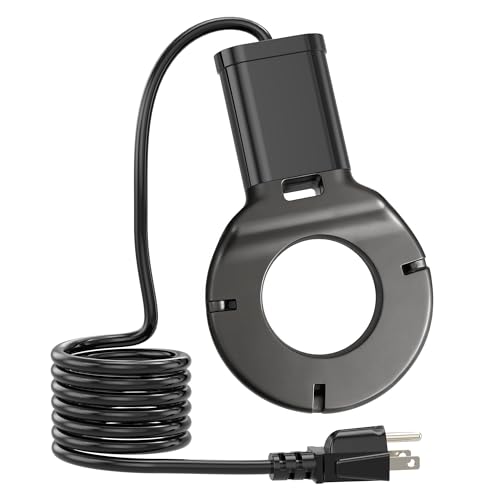
- BWP Score8.8
BWP Score is a ranking system developed by Bestwinterproducts.com. BWP score has no relationship or impact from any manufacturers or sales agent websites. Learn more
- BrandQanskm

- BWP Score8.6
BWP Score is a ranking system developed by Bestwinterproducts.com. BWP score has no relationship or impact from any manufacturers or sales agent websites. Learn more
- BrandSindarhor

- BWP Score8.6
BWP Score is a ranking system developed by Bestwinterproducts.com. BWP score has no relationship or impact from any manufacturers or sales agent websites. Learn more
- BrandRentACoop

- BWP Score8.6
BWP Score is a ranking system developed by Bestwinterproducts.com. BWP score has no relationship or impact from any manufacturers or sales agent websites. Learn more
- BrandZoblise

- BWP Score8.2
BWP Score is a ranking system developed by Bestwinterproducts.com. BWP score has no relationship or impact from any manufacturers or sales agent websites. Learn more
- BrandGanggend

- BWP Score7.2
BWP Score is a ranking system developed by Bestwinterproducts.com. BWP score has no relationship or impact from any manufacturers or sales agent websites. Learn more
- BrandNEWTRY

- BWP Score6.4
BWP Score is a ranking system developed by Bestwinterproducts.com. BWP score has no relationship or impact from any manufacturers or sales agent websites. Learn more
- BrandJELSVOP
Last update on 2026-10-02 / Affiliate links / Images, Product Titles, and Product Highlights from Amazon Product Advertising API
FAQs
Do ducks need a heater or heat lamp in the coop?
Adult ducks do not need a heater or heat lamp in their coop. Their thick down, oily feathers, and high body heat keep them comfortable well below freezing. Hanging heat lamps create severe fire hazards in dusty coops and should never be used. If sub-zero cold lasts for days, a zero-clearance flat radiant panel offers safe supplemental warmth without fire danger.
How cold is too cold for backyard ducks?
Adult ducks handle temperatures down to 20°F easily, and most hardy breeds tolerate conditions below 0°F with dry straw bedding and wind protection. Ducklings under two months old, sick birds, and molting ducks cannot handle freezing weather and need heated indoor pens. When wind chills plunge below zero, provide deep straw so foot webbing stays off frozen ground.
Can ducks swim in freezing winter weather?
Ducks can swim in winter because waterproof plumage keeps their skin dry, but open swimming tubs during sub-zero freezes create hazards. If ducks splash water in bitter wind chills, ice can form on their outer feathers before they dry off. Provide deep pans that allow them to dip their heads and wash their bills instead of large swimming tubs on severe days.
Why is straw better than hay for duck bedding?
Clean straw has hollow stalks that trap air, providing strong insulation while letting moisture drain through. Hay is cut grass that absorbs water from droppings and spills like a sponge. Wet hay packs down, molds quickly, and freezes into icy slabs that pull heat straight out of duck feet. Always choose dry golden straw for winter coop floors.


Best Warm Winter Scarves 2026 For Cozy Comfort

Best Green Ski Goggles 2026 For Clear Vision On Slopes

12 Best Corner Electric Fireplace 2026: My Ultimate Guide To Pick One

Best Battery Powered Snow Blower 2026 For Effortless Snow Clearing

Best Ski Goggles Under 30 Inches For Crisp Vision And Comfort

Best Cooling Scarf 2026 For Instant Relief And Comfort

Fake Snow for Grass: Create a Realistic Winter Lawn Display

Dimplex Prism Wall Mount Fireplace: Sleek Heat With Modern Flame Style





