
How to Keep Ferns Alive in Winter Indoors and Out

Check the nighttime weather forecast right away. Freezing temperatures will quickly damage cold-sensitive plants, so bring tender potted ferns indoors before the first frost. Set them in a spot with soft, indirect sunlight, raise the indoor moisture, and cut back on water so resting roots do not rot in damp soil.
The best winter routine depends on your fern variety and how it is planted. Tough, cold-hardy garden ferns rooted in the ground can stay outside all season under a loose layer of mulch or a breathable cover. Potted porch varieties cannot handle frozen root balls, but they can either stay green near a bright window or rest in a cool basement. Following a few simple steps will protect the roots and stop messy leaf shedding until spring.
Check Your Fern Type Before the First Cold Night
Keeping a fern alive through the winter starts with knowing which kind of plant you have on your hands. Gardeners generally work with two main groups: tender ferns and hardy ferns. Tender ferns, such as the classic Boston fern, Kimberly Queen, maidenhair, and staghorn, are tropical plants. They love warm, humid summer air and cannot tolerate freezing weather. If outdoor temperatures drop to 32 degrees Fahrenheit, their fronds (the leafy green branches of the fern) will turn black, collapse into mush, and the roots may die completely.
Hardy ferns are entirely different creatures. Varieties like the ostrich fern, painted fern, autumn fern, and Christmas fern are freeze-tolerant perennials. These plants naturally survive cold northern winters right in the ground. When freezing weather arrives, hardy garden ferns go into dormancy (a natural winter resting phase). Their top growth may yellow or die back to the soil line, but the underground root system stays alive and waits for spring warmth to push up fresh green coils.
The container makes a massive difference in how cold air affects both groups. A hardy fern planted in deep garden soil is insulated by the earth itself. That same hardy fern planted in a hanging basket or thin plastic pot will suffer because freezing winds chill the root ball from every side. Before you plan your winter routine, inspect each plant. If it is a tropical porch fern, plan to move it inside. If it is a hardy garden fern growing in your landscape, focus on outdoor insulation.
Bring Potted Porch Ferns Inside Before Freezing Temperatures Hit
Do not wait until the night of the first killing frost to rescue your porch baskets. Sudden drops in temperature shock tender ferns, causing them to drop foliage indoors for weeks. The best time to transition potted ferns indoors is when nighttime temperatures consistently settle around 50 degrees Fahrenheit. Follow these steps to prepare your plants for a smooth move inside.
- Check the foliage and pot for hitchhiking bugs. Outdoor ferns often host spiders, aphids, scale insects, or fungus gnats. Inspect the undersides of the fronds and the base of the stems. Give the entire plant a gentle shower with a garden hose nozzle set to a soft spray to knock off dust and hidden insects.
- Trim away damaged and dead growth. Take a clean pair of household scissors or garden shears and snip off brown stems, yellowing fronds, and bare runners right near the soil surface. Thinning out the plant improves airflow and prevents dead leaflets from raining down all over your living room carpet later.
- Drench and flush the potting soil. Soak the container thoroughly with clean water and let all excess moisture drain out of the bottom holes. This flushes out excess salts from summer fertilizers and ensures the root core is evenly moist before entering dry indoor air.
- Choose a clean saucer or drip tray. Place a wide, deep tray under the pot to catch drainage water. Empty this tray twenty minutes after watering so the bottom of the pot never sits submerged in stagnant water.
- Move the plant to an intermediate location if possible. If your schedule allows, place the pot in an enclosed porch, garage with windows, or shaded entryway for three or four days before moving it into the main living quarters. This brief pause helps the fern adjust to lower light levels without dropping a heavy layer of leaves.
Balance Indoor Light, Moisture, and Furnace Heat
Once your fern is indoors, your main challenge shifts from cold weather to indoor furnace heat. Central heating systems blow dry, warm air that quickly zaps moisture from thin fern leaves. At the same time, shorter winter days slow down plant growth, meaning the roots absorb water at a much lower rate. Finding the right balance keeps the plant green until spring.
- Provide bright, indirect sunlight. Set your indoor fern near an east-facing window or a few feet back from a bright south-facing window. Morning sun is gentle and warm, while direct midday sun through a clear windowpane can scorch delicate foliage. If natural light is weak in your home, place a simple full-spectrum grow light a foot or two above the plant for eight hours a day.
- Water by feel rather than by a strict calendar. Overwatering in winter is a fast route to root rot because cold, wet soil suffocates roots. Push your finger about an inch deep into the potting mix. If the soil feels damp and cool, leave it alone. If the top inch feels dry to the touch, water the plant slowly until liquid trickles from the bottom drainage holes, then discard the runoff.
- Boost local humidity around the fronds. Ferns thrive when relative humidity stays above 50 percent, but heated homes often dip below 20 percent. Run a small cool-mist room humidifier near your plants. You can also place the container on a shallow tray filled with river pebbles and water, making sure the pot sits on top of the stones and never touches the water directly. Grouping several houseplants together creates a natural pocket of shared moisture.
- Keep pots far away from heat registers and drafty entry doors. Forced-air vents blow gusts of dry heat that will curl leaflet edges within days. While managing drafty rooms and figuring out how to keep warm in winter in the house, keep your plants placed safely away from direct heating paths, wood stoves, and space heaters.
- Pause all fertilizer applications. Because indoor ferns rest during short winter days, they do not need plant food. Adding fertilizer to dormant or slow-growing roots can burn root tips and cause brown leaf edges. Hold off on feeding until new green fiddleheads begin unfurling in early spring.
Store Dormant Ferns in a Cool Dark Garage or Basement
If your hanging baskets are too massive for your living room, or if you simply do not want to clean up shedding leaflets all winter, you can force tropical Boston ferns into a temporary resting phase. This method allows the plant to sleep in a cool, sheltered space without daily care.
Start by cutting back the entire plant before the first freeze. Use sharp shears to cut all fronds down to about two or three inches above the soil line. Removing the foliage eliminates the need for bright light and stops the plant from losing moisture through its leaves. Move the trimmed container into an unheated basement, attached garage, storage shed, or root cellar. The temperature in this space needs to stay between 40 and 55 degrees Fahrenheit. It must stay cold enough to keep the plant dormant, but warm enough that the soil never freezes solid.
Check the container once a month throughout the winter. Dormant roots still need a tiny sip of water so they do not shrivel into dry dust, but they need very little. Pour about one or two cups of water over the soil surface once every four to six weeks. The root ball should feel barely damp, like a well-wrung sponge, never wet or muddy.
When outdoor night temperatures start staying above 50 degrees Fahrenheit in the spring, bring the pot out into a sheltered, shady porch. Water the soil thoroughly until water drains freely, and place it in filtered daylight. Within a few weeks, tight green fiddleheads will push up through the soil surface and rebuild a full, bushy hanging basket by early summer.
Insulate In-Ground Garden Ferns Against Heavy Freezes
Cold-hardy ferns planted in outdoor garden beds do not need to come indoors, but they benefit from simple protective habits when temperatures plunge. In nature, falling autumn leaves blanket the woodland floor, protecting wild fern crowns (the central growing point at the base of the plant) from harsh winds and soil upheavals.
- Leave existing fronds attached through late winter. Resist the urge to tidy up dead or brown fronds in late autumn. As the foliage falls flat over the crown, it acts as a natural umbrella and insulation layer against frost and biting winds. Trim away this old dead foliage in late winter just before new spring growth emerges.
- Spread a loose layer of organic mulch. Apply three to four inches of shredded fall leaves, clean straw, or bark mulch around the base of each fern. Keep the mulch light and fluffy so air can circulate, which prevents soggy mold from forming around the plant crown.
- Water garden beds well before hard freezes. Dry soil freezes faster and deeper than moist soil. If autumn has been dry and your local weather forecast calls for an extended deep freeze, give your garden ferns a deep soaking a day or two before the freeze arrives. Moist soil holds thermal mass better, keeping underground root systems slightly warmer.
- Protect patio pots left outside. If you grow hardy perennial ferns in large outdoor planters that cannot be moved, slide the pots against a sheltered, south-facing house wall. Elevate the pots slightly on bricks or pot feet so drainage holes do not freeze shut against cold concrete.
Choose the Right Outdoor Covers and Wraps for Extra Cold Protection
When unexpected winter storms bring freezing rain, heavy snow, or single-digit temperatures, adding protective covers shields outdoor ferns and patio containers from sudden shock. Having the right cold-weather gear ready lets you respond quickly before temperatures plunge.
Breathable fabric frost blankets and drawstring plant covers are the most practical choice for shielding foliage and crowns. These covers, made from lightweight non-woven fabrics, trap rising ground warmth while allowing air, light, and natural moisture to pass through. Breathability is essential because standard plastic tarps trap moisture against the plant, which can freeze and burn the leaves. Look for plant covers with built-in bottom drawstrings or zippers so you can secure them tightly against winter gusts.
For outdoor containers and patio planters, thermal pot wraps provide critical protection. Container soil freezes quickly from the sides because the pot walls are exposed to freezing winds. Double-sided foil insulation wraps and padded pot jackets fasten around the exterior of the container with hook-and-loop strips, locking in soil warmth and shielding delicate root tips. If you maintain multiple potted ferns or a small raised garden area, pop-up plant protection tents equipped with flexible fiberglass frames and ground stakes create a sturdy, wind-resistant shelter that keeps heavy snow from crushing crowns.
Before purchasing cold-protection covers, measure the height and diameter of your outdoor containers and garden plantings to ensure a relaxed fit that will not bend tender stems. Check that any cover you select offers reliable tie-down points or stakes so winter winds do not blow your plant protection across the yard.

- BWP Score10.0
BWP Score is a ranking system developed by Bestwinterproducts.com. BWP score has no relationship or impact from any manufacturers or sales agent websites. Learn more
- BrandN/A

- BWP Score9.0
BWP Score is a ranking system developed by Bestwinterproducts.com. BWP score has no relationship or impact from any manufacturers or sales agent websites. Learn more
- BrandGardzen
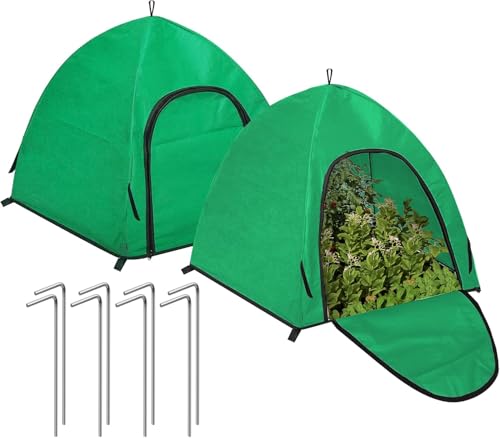
- BWP Score8.6
BWP Score is a ranking system developed by Bestwinterproducts.com. BWP score has no relationship or impact from any manufacturers or sales agent websites. Learn more
- BrandGeneric

- BWP Score8.4
BWP Score is a ranking system developed by Bestwinterproducts.com. BWP score has no relationship or impact from any manufacturers or sales agent websites. Learn more
- BrandANPHSIN

- BWP Score8.4
BWP Score is a ranking system developed by Bestwinterproducts.com. BWP score has no relationship or impact from any manufacturers or sales agent websites. Learn more
- BrandPerthlin

- BWP Score8.2
BWP Score is a ranking system developed by Bestwinterproducts.com. BWP score has no relationship or impact from any manufacturers or sales agent websites. Learn more
- BrandHzloyat
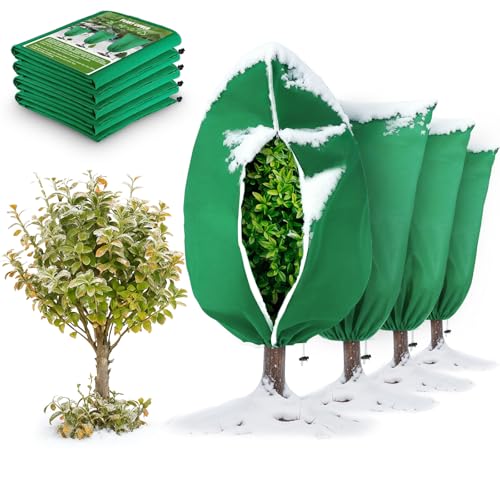
- BWP Score8.0
BWP Score is a ranking system developed by Bestwinterproducts.com. BWP score has no relationship or impact from any manufacturers or sales agent websites. Learn more
- BrandClebay

- BWP Score8.0
BWP Score is a ranking system developed by Bestwinterproducts.com. BWP score has no relationship or impact from any manufacturers or sales agent websites. Learn more
- BrandMajosta

- BWP Score6.8
BWP Score is a ranking system developed by Bestwinterproducts.com. BWP score has no relationship or impact from any manufacturers or sales agent websites. Learn more
- BrandCOZYDIG

- BWP Score-
BWP Score is a ranking system developed by Bestwinterproducts.com. BWP score has no relationship or impact from any manufacturers or sales agent websites. Learn more
- BrandOFFSCH
Last update on 2026-10-02 / Affiliate links / Images, Product Titles, and Product Highlights from Amazon Product Advertising API
FAQs
When should I bring my hanging ferns inside?
Bring hanging ferns indoors when nighttime temperatures consistently drop to around 50 degrees Fahrenheit. Moving them inside before the first hard freeze prevents cold shock and keeps the fronds from turning brown. Watching the local forecast in early autumn ensures you have enough time to inspect the soil for garden bugs and rinse the foliage before bringing pots indoors.
How often do ferns need water during winter?
Most indoor ferns need water about once a week, but you should always check the soil moisture with your finger before pouring. Water only when the top inch of potting mix feels dry to the touch, and never let the container sit in standing runoff water. Dormant ferns stored in a cool basement or garage need much less, typically requiring only a light cup of water once every four to six weeks.
Why is my fern turning brown and shedding leaves indoors?
Indoor ferns shed tiny brown leaflets mainly because indoor heated air is too dry or the soil has dried out completely. Central heating creates low humidity, which dries out the frond tips and causes them to drop leaves across your floor. You can stop shedding by moving the plant away from direct heating vents, running a room humidifier, and keeping the potting soil evenly damp.
Can I store a fern in a dark basement or garage all winter?
Yes, you can overwinter tropical Boston ferns in a dark basement, garage, or shed by cutting the foliage back to the soil line and letting the roots go dormant. The storage space must stay between 40 and 55 degrees Fahrenheit so the plant stays asleep without freezing solid. Check the pot monthly and add just enough water to keep the root ball from drying out into hard dust.


Best Warm Winter Scarves 2026 For Cozy Comfort

Best Green Ski Goggles 2026 For Clear Vision On Slopes

12 Best Corner Electric Fireplace 2026: My Ultimate Guide To Pick One

Best Battery Powered Snow Blower 2026 For Effortless Snow Clearing

Best Ski Goggles Under 30 Inches For Crisp Vision And Comfort

Best Cooling Scarf 2026 For Instant Relief And Comfort

Fake Snow for Grass: Create a Realistic Winter Lawn Display

Dimplex Prism Wall Mount Fireplace: Sleek Heat With Modern Flame Style





