
How to Keep Ferns Alive Over the Winter

Saving porch ferns from upcoming winter cold is far easier than it seems, so there is no reason to panic. Cold-sensitive ferns in containers simply need to come indoors before freezing temperatures arrive, while frost-tolerant garden varieties in the yard just need a clean blanket of mulch. Once indoors, leafy hanging baskets can either grow near a sunny window or rest quietly in cool storage until spring.
The right routine depends on the plant variety, its container, and the air inside the house. Soil in an exposed pot freezes much faster than dirt in a garden bed, leaving outdoor roots vulnerable. Meanwhile, indoor heaters create dry air that can quickly scatter brown leaves across the floor. Choosing between bright living room light and dark basement sleep lets any grower avoid that mess. The following steps show how to protect both garden beds and potted greenery through the cold season.
Figure Out Whether Your Fern Is Frost-Tolerant or Tropical
Before you lift a single pot or grab a pair of pruning shears, you need to know which type of fern is sitting on your porch or growing in your yard. Ferns split into two basic groups for winter care: frost-tolerant hardy ferns and cold-sensitive tropical ferns. Treating a tender tropical plant like an outdoor native will kill it during the first hard frost, while bringing a hardy woodland fern into a heated living room often interrupts the winter rest it actually requires.
Tender tropical ferns are the lush, cascading varieties commonly sold in hanging baskets at garden centers each spring. Boston ferns, Kimberly Queen ferns, Macho ferns, bird's nest ferns, and tropical maidenhair ferns fall into this category. These plants originated in warm, humid rainforest environments and cannot survive freezing conditions. If temperatures dip below 32 degrees Fahrenheit, the fluid inside their cell walls freezes, bursts the tissue, and turns the fronds (the arching fern branches or leaves) into a black, soggy mess within hours.
Frost-tolerant hardy ferns, by contrast, are perennial landscape plants bred or native to northern climates. Common examples include ostrich ferns, autumn ferns, cinnamon ferns, and Christmas ferns. When planted directly in garden soil, these varieties handle freezing weather, heavy snow, and winter ice with ease. Their fronds usually turn bronze and wither away in late autumn, but the underground crown and root system stay alive beneath the dirt until new fiddleheads emerge in the spring.
The danger zone arises when a hardy fern lives in an above-ground container rather than in the garden bed. Soil in the ground holds warmth from the earth, which shields roots from deep freezes. A container, however, is exposed to freezing wind from every angle. The root ball (the dense soil and root clump inside the pot) can freeze solid, killing even a cold-tolerant variety unless you step in with proper insulation or ground burial.
Bring Tender Tropical Ferns Inside Before the First Night of Frost
If you have tropical porch ferns that you want to keep green and active all winter, timing is critical. Do not wait until the local weather forecast warns of an imminent freeze. Tropical ferns begin to suffer stress when nighttime temperatures consistently drop below 50 degrees Fahrenheit. If a surprise cold snap pushes temperatures down near 40 degrees Fahrenheit, the plant will react by dropping leaflets by the thousands as soon as you move it indoors.
- Wash down the foliage: Before bringing any plant into your living space, set the pot in a sheltered outdoor spot and spray it down with a gentle stream from the garden hose. Thoroughly rinse both the tops and the undersides of the fronds. This dislodges dust, aphids, spider mites, and small spiders hiding in the dense foliage, keeping outdoor pests out of your home.
- Trim off dead growth: Reach into the center of the plant with clean shears and prune out any dry, brown fronds down to the soil line. Removing old stems opens up airflow and reduces the debris that will inevitably drop onto your indoor floors.
- Soak the root clump: Give the pot a thorough drink of water and let all excess moisture drain freely through the bottom holes. If the potting mix is dry and pulling away from the sides of the container, water will simply run down the interior edges without wetting the center. Let it soak completely so the roots enter your house fully hydrated.
- Position in bright, indirect light: Set the fern in an area that receives plenty of natural daylight without sitting in direct, intense sun. An east-facing window is ideal because it provides soft morning light. A spot set back three to four feet from a south-facing or west-facing window also works well. Direct midday sunlight passing through window glass will scorch tender leaves and turn them crispy.
Expect a brief period of shedding during the first two weeks inside. Even with perfect placement, the lower light levels and lower humidity inside a home trigger a minor shedding response. Setting the container on a wide plastic saucer or hard-surface floor makes sweeping up these shed leaflets simple during the initial transition period.
Store Large Ferns in a Cool Space for a Low-Maintenance Winter Sleep
Not everyone has the floor space or the patience to house three or four gigantic Boston ferns in their living room all season. If you want to save your hanging baskets without sweeping up dropped foliage every day, you can force the plants into winter dormancy (a cold winter sleep where growth halts completely). In this resting state, the fern needs almost no light and very little moisture to survive until spring.
To use this storage method, you need an unheated space that stays cool but never drops below the freezing point of 32 degrees Fahrenheit. An attached garage, an unfinished basement corner, or a cool crawl space that stays between 45 and 55 degrees Fahrenheit provides the ideal environment. If the storage location freezes, the roots will die. If the room stays warmer than 60 degrees Fahrenheit, the plant will attempt to grow weak, pale shoots in the dark and waste its stored energy.
- Cut back the foliage: Use hedge shears or sharp pruners to shear the entire plant back. You can cut the fronds down to about two or three inches above the edge of the pot. While cutting back a healthy green fern feels drastic, it solves two problems at once: it eliminates leaf drop mess completely and prevents the plant from losing moisture through its leaves in dark storage.
- Moisten the root clump: Add just enough water to make the potting soil barely damp throughout. The soil should feel like a wrung-out sponge, never soggy or soaked. Excess moisture sitting in a cold, dark container leads directly to root rot.
- Store away from drafts: Place the cut-back containers on a shelf, wooden pallet, or piece of cardboard rather than directly on cold concrete floors. You do not need grow lights; ambient, dim light or even total darkness is fine while the plant sleeps.
- Check the soil once a month: Set a recurring reminder on your calendar to check the pots every three to four weeks. Stick your finger two inches into the soil. If the mix feels completely powdery and bone-dry, pour one to two cups of water across the surface to keep the root ball alive. Do not feed the plant with fertilizer during this winter rest period.
Insulate Outdoor Pots to Prevent the Root Clump from Freezing Solid
Leaving cold-hardy ferns in decorative patio pots all winter requires deliberate root protection. When landscape plants sit directly in garden beds, the massive volume of surrounding earth acts as a thermal blanket. In contrast, the root clump inside an above-ground planter experiences the full brunt of arctic air chills through the thin pot walls. While you bundle up to keep warm in winter outdoors, take an extra thirty minutes to insulate your planters before the ground freezes solid.
- Cluster containers together: Pull freestanding pots away from exposed patio railings and open deck corners. Group your containers tightly together against a south-facing or east-facing exterior foundation wall of the house. The building radiates a small amount of heat, and grouping the pots shields their side walls from biting winter winds.
- Elevate pots off bare concrete: Cold concrete acts as a heat sink that pulls warmth out of container bases. Place small wooden shims, cedar blocks, or rubber pot feet under the drainage edges to break direct contact with paved surfaces and allow melting snow to drain away.
- Wrap the pot sides with thermal layers: Wrap the vertical walls of the container with dedicated insulated pot jackets, double-sided foil barriers, or multiple wraps of heavy bubble wrap secured with twine. This insulation slows down temperature swings and stops the soil from cycling rapidly between freezing and thawing, which tears delicate root hairs apart.
- Top-dress with loose mulch: Spread a two-inch layer of clean straw, pine straw, or shredded dry leaves across the top of the potting soil. This layer acts like a roof over the root system, keeping moisture levels steady and moderating soil temperatures.
- Heel pots into the garden bed: If you have an empty vegetable garden or soft planting bed, you can use the traditional nursery trick called heeling in. Dig a shallow trench, sink the entire pot into the earth up to its top rim, and pack loose soil around the outer edges. The ground automatically insulates the pot sides, and you can simply pull the container out of the dirt once spring arrives.
Stop Leaf Drop by Boosting Humidity and Cutting Back on Water
When tropical ferns stay indoors as live houseplants, two common winter problems cause rapid decline: arid air from heating systems and root rot from overwatering. In natural habitats, ferns thrive in air with 50 to 70 percent humidity. Modern residential heating systems often pull indoor humidity down below 25 percent, which dries out fragile foliage faster than roots can drink.
Many homeowners search for ways to keep warm in winter in the house without creating a stifling, bone-dry indoor climate, and your houseplants appreciate that same balance. Never place an indoor fern within four feet of a forced-air heat register, baseboard heater, wood stove, or working fireplace. The warm, moving air strips moisture straight from the delicate pinnae (the tiny leaf segments along each frond), causing brown tips and brittle edges.
Misting a fern with a hand sprayer does very little to fix this issue, because fine water droplets evaporate within ten minutes. Instead, place an ultrasonic room humidifier nearby to maintain an indoor humidity level between 45 and 55 percent. Alternatively, fill a wide, shallow tray with decorative pebbles, pour water halfway up the rocks, and set the potted fern directly on the stones. The bottom of the pot must remain above the waterline so the soil does not suck up water from below. As water evaporates from the tray, it creates a gentle, humid pocket of air directly around the foliage.
Watering habits must change dramatically between summer and winter. Because indoor winter days are short and sunlight is weak, ferns grow very slowly and consume far less moisture. Keeping the soil constantly soaked suffocates root tissues and invites fungal root rot. Always probe the potting mix with your finger before picking up the watering can. Water only when the top inch of soil feels dry to the touch. When you do water, pour slowly until moisture trickles out of the bottom drainage holes, let it drain completely for fifteen minutes, and empty the catch saucer underneath so the pot never sits in standing water.
Wake Sleeping Ferns Gradually When Warm Spring Weather Returns
Bringing ferns out of winter dormancy or moving indoor houseplants back to the porch requires a slow, step-by-step transition. Rushing a tender plant outdoors on the first warm April afternoon can cause severe shock if a late frost hits or if strong midday sun scorches delicate indoor foliage.
- Watch local frost dates: Check your local county extension calendar for the average date of the final spring freeze. Keep tropical ferns indoors or sheltered until nighttime temperatures reliably hold above 50 degrees Fahrenheit.
- Start dormant pots indoors early: If you stored ferns in a dark garage or basement, bring them into an area with natural light and room temperatures (around 65 to 70 degrees Fahrenheit) about four weeks before your area's last expected frost.
- Resume regular watering and feeding: Give the waking root clump a thorough watering until moisture drains freely. Within two to three weeks, bright green, curled fiddleheads will push up through the soil surface. Once you see active green growth, feed the plant using a balanced, water-soluble houseplant fertilizer mixed at half the standard label strength.
- Harden off the plants outside: Do not move ferns straight into their final outdoor hanging spots. Place them in deep, full outdoor shade for the first four to five days, shielded from stiff breezes. Gradually introduce them to their regular porch light levels over a ten-day period. This hardening-off process thickens the plant's outer cell walls and prevents sunscald on new foliage.
Choose Insulated Pot Wraps and Breathable Covers for Cold Climates
When selecting protective winter gear for your outdoor potted ferns, prioritize products that insulate container walls and protect delicate foliage from sudden temperature drops. For outdoor containers staying on a patio, look for wrap-around pot covers featuring multiple insulation layers. The most effective designs use double-sided thermal foil or thick, non-woven fabric that traps trapped air around the pot exterior, slowing down soil freezing.
Check the closure design before buying container insulation. Wraps with hook-and-loop fasteners, full-length side zippers, and adjustable top and bottom drawstrings make wrapping fast and prevent high winter winds from ripping the material away from the container. Always measure your planter height and outer circumference before ordering to ensure the insulation covers the entire sidewall down to the ground level.
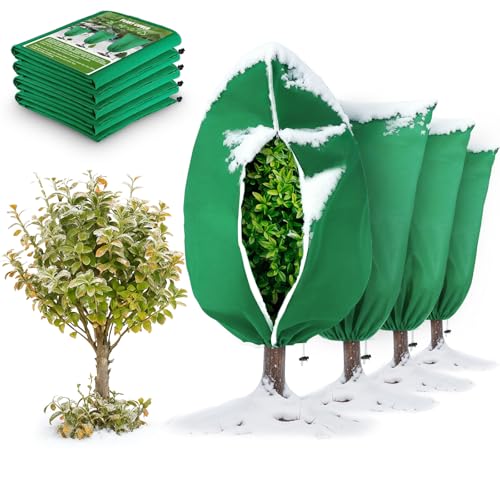
For top growth protection against sudden freezing spells or heavy snow, choose breathable frost cloths or fabric blankets made from spun-bond polypropylene fabric. Avoid using standard clear polyethylene plastic sheets directly over plant foliage; non-breathable plastic collects condensation on the inside, which can freeze directly against leaf tissue and cause severe cold damage. Breathable covers allow moisture and air exchange while boosting ambient air temperatures inside the shelter by several crucial degrees during extreme overnight chills.
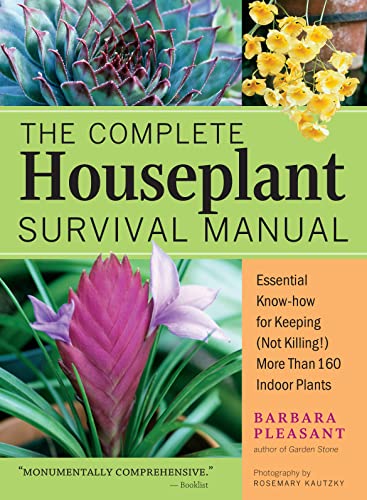
- BWP Score9.4
BWP Score is a ranking system developed by Bestwinterproducts.com. BWP score has no relationship or impact from any manufacturers or sales agent websites. Learn more
- BrandStorey Publishing

- BWP Score9.4
BWP Score is a ranking system developed by Bestwinterproducts.com. BWP score has no relationship or impact from any manufacturers or sales agent websites. Learn more
- BrandYVVZHOU PANN

- BWP Score9.0
BWP Score is a ranking system developed by Bestwinterproducts.com. BWP score has no relationship or impact from any manufacturers or sales agent websites. Learn more
- BrandGardzen

- BWP Score8.8
BWP Score is a ranking system developed by Bestwinterproducts.com. BWP score has no relationship or impact from any manufacturers or sales agent websites. Learn more
- BrandCoolSub

- BWP Score8.4
BWP Score is a ranking system developed by Bestwinterproducts.com. BWP score has no relationship or impact from any manufacturers or sales agent websites. Learn more
- BrandPerthlin

- BWP Score8.4
BWP Score is a ranking system developed by Bestwinterproducts.com. BWP score has no relationship or impact from any manufacturers or sales agent websites. Learn more
- BrandRooTrimmer

- BWP Score8.2
BWP Score is a ranking system developed by Bestwinterproducts.com. BWP score has no relationship or impact from any manufacturers or sales agent websites. Learn more
- BrandHzloyat

- BWP Score8.0
BWP Score is a ranking system developed by Bestwinterproducts.com. BWP score has no relationship or impact from any manufacturers or sales agent websites. Learn more
- BrandYATHO
- BWP Score8.0
BWP Score is a ranking system developed by Bestwinterproducts.com. BWP score has no relationship or impact from any manufacturers or sales agent websites. Learn more
- BrandClebay

- BWP Score8.0
BWP Score is a ranking system developed by Bestwinterproducts.com. BWP score has no relationship or impact from any manufacturers or sales agent websites. Learn more
- BrandMajosta

- BWP Score6.8
BWP Score is a ranking system developed by Bestwinterproducts.com. BWP score has no relationship or impact from any manufacturers or sales agent websites. Learn more
- BrandCOZYDIG

- BWP Score-
BWP Score is a ranking system developed by Bestwinterproducts.com. BWP score has no relationship or impact from any manufacturers or sales agent websites. Learn more
- BrandOFFSCH
Last update on 2026-10-02 / Affiliate links / Images, Product Titles, and Product Highlights from Amazon Product Advertising API
FAQs
Can I leave a hanging fern outside on my porch all winter?
You can only leave a fern outside through the winter if it is a cold-hardy perennial variety suited to your local climate zone. Tropical hanging ferns, including Boston and Kimberly Queen ferns, cannot survive freezing temperatures and will die when the first hard frost hits. If you live where winters freeze, you must bring tropical porch ferns indoors or insulate hardy container varieties properly against a sheltered wall.
When is the exact cutoff date to bring ferns inside?
The safest time to bring outdoor ferns inside is when autumn nighttime temperatures regularly dip to 50 degrees Fahrenheit, well before the first expected freeze. Exposing tropical ferns to temperatures near 40 degrees causes severe cold stress that results in heavy leaf drop once they enter your home. Check your local ten-day weather forecast starting in early autumn to catch sudden cold snaps before they arrive.
How often should I water a fern stored in a dark basement?
A dormant fern stored in a cool basement or garage needs water only once every three to four weeks. Because the fronds have been cut back and the plant is resting in the dark, it uses very little moisture. Check the soil with your finger once a month and add just enough water to keep the root ball from drying out into hard, dusty dirt.
Why are the leaves on my indoor fern turning brown and falling off?
Indoor ferns drop dried leaflets primarily due to low indoor humidity, hot air blowing from nearby heating vents, or overly wet potting soil. Heated indoor winter air is exceptionally dry, which desiccates the fine leaflet segments. Move the plant away from radiators and furnace vents, use a pebble tray or room humidifier to raise moisture levels, and water only when the top inch of soil feels dry.


Best Warm Winter Scarves 2026 For Cozy Comfort

Best Green Ski Goggles 2026 For Clear Vision On Slopes

12 Best Corner Electric Fireplace 2026: My Ultimate Guide To Pick One

Best Battery Powered Snow Blower 2026 For Effortless Snow Clearing

Best Ski Goggles Under 30 Inches For Crisp Vision And Comfort

Best Cooling Scarf 2026 For Instant Relief And Comfort

Fake Snow for Grass: Create a Realistic Winter Lawn Display

Dimplex Prism Wall Mount Fireplace: Sleek Heat With Modern Flame Style





