
How to Keep Geranium Plants Alive Over Winter

Bring them inside before the first freeze. Freezing temperatures turn healthy garden geranium stems into black mush overnight. You can keep them as sunny houseplants on a warm windowsill, or store them bare-root in a cool, dark spot where they rest until spring. Both ways save your favorite patio flowers so you do not have to buy fresh starts next season.
The right choice depends on the space you have available and the kind of plant you grow. Common patio geraniums cannot handle real winter cold, but hardy garden cranesbills stay in the ground year-round. If you have bright windows, keeping them green indoors feels effortless. If floor space is tight, tucking dormant roots into a cool basement closet works just as well. Here is how to protect your plants and help them thrive again once spring returns.
Bring Geraniums Indoors Before the First Freeze Hits
Timing makes the difference between saving geraniums and losing them to winter chill. Common garden geraniums, botanically known as Pelargoniums, are tender perennials that cannot survive freezing temperatures. While hardy perennial cranesbills like Geranium Rozanne can survive winter outside in garden soil, your colorful patio geraniums, ivy geraniums, and scented varieties will die if left in freezing air. A hard frost, which happens when outdoor air drops below 32 degrees Fahrenheit, freezes water inside plant tissues and turns green stems into black, watery mush.
Move plants indoors before overnight temperatures consistently fall below 45 degrees Fahrenheit. Once nighttime air dips into the low 40s, growth halts and roots struggle to take up moisture. Waiting until the night of the first freeze leads to broken stems or frost damage in low garden pockets. Moving plants while autumn days are still calm avoids cold shock and keeps stems firm.
If you are outside digging up bedding plants during late autumn chills, knowing how to keep warm in winter outdoors makes the job much easier. Always inspect plants before bringing them inside. Healthy, firm green stems will survive winter storage, while sick or waterlogged plants quickly rot. If light frost has already nipped the top leaves, trim away the soft, damaged growth down to firm green wood before bringing the pots inside.
Grow Potted Geraniums on a Sunny Window Sill
Growing geraniums as houseplants is the simplest way to enjoy green foliage through cold months. This method works well in south-facing or west-facing rooms that receive plenty of natural sunlight. Follow these steps to keep potted plants healthy:
- Inspect and clean the foliage: Check leaf undersides and stem joints for pests like aphids, spider mites, or whiteflies. Spray the foliage with a gentle stream of water to wash away dirt and dislodge insects. Let the leaves dry completely outdoors before moving the pot inside.
- Prune stems back: Pruning, or trimming back stems with clean shears, keeps plants compact in lower indoor light. Cut each main stem back by one-third to one-half, making your cuts just above a leaf node (the small bump where new leaves grow). Remove yellowing leaves, dead flower stalks, and soft green tips.
- Repot garden bed plants: If your geraniums grew in garden soil, dig them up carefully with a hand trowel. Place each plant into a container with drainage holes at the bottom, using fresh indoor potting soil. Do not bring heavy garden soil inside, as it packs down tightly in pots and suffocates roots.
- Provide direct sunlight: Place pots on your sunniest window sill, aiming for four to six hours of direct sunlight daily. Without enough light, stems stretch, pale out, and drop foliage. Turn the pot a quarter turn every week so the plant grows evenly on all sides.
- Water sparingly without fertilizer: Geraniums drink slowly in winter. Push your finger two inches into the soil. Only add water when the top two inches feel dry, and always dump standing water from the saucer beneath the pot. Skip fertilizer until spring, since forcing growth in dim winter light creates weak shoots.
Store Dormant Bare-Root Plants in a Dark Basement
Bare-root storage is ideal if you lack sunny window sills or have dozens of outdoor geraniums. Storing plants dormant, which means resting without active growth or leaves, takes advantage of the moisture held within their thick, woody stems. A cool, dark basement or closet provides the right setting.
- Dig up plants before frost: Lift your geraniums carefully with a garden trowel before freezing weather arrives. Gently shake the root ball until the roots are completely free of garden dirt. This gives you a bare-root plant ready for storage.
- Dry the roots: Lay plants flat on dry newspaper in an airy garage or covered porch for two days. Drying the root surface prevents mold and rot once plants are stored in the dark.
- Pack into paper bags or boxes: Place one or two plants upside down into a brown paper grocery bag, or lay them inside a cardboard box lined with newspaper. Fold the bag top loosely. Always use breathable materials like paper or cardboard. Never use plastic bags, as trapped condensation turns roots and stems into gray mush.
- Store in a cool, dark room: Keep bags in an unheated space between 45°F and 50°F, such as an unheated basement or cool storage closet. If temperatures rise above 55°F, plants break dormancy too early and sprout weak, pale shoots in the dark.
- Inspect and soak roots monthly: Check plants every four weeks. Leaves will dry up and fall off, which is completely normal. Gently squeeze the main stems. If they feel firm, return the plant to storage. If stems feel shriveled, soak only the roots in two inches of lukewarm water for one hour. Let the roots air-dry on cardboard for an hour before returning them to the bag.
Maintain Proper Moisture and Cool Temperatures During Winter
Keeping overwintered geraniums alive requires protecting them from indoor heat and excess dampness. Whether plants sit on a sunny window sill or rest dormant in paper bags, use this checklist to prevent common winter problems in 2026:
- Avoid soggy soil: Wet potting soil combined with cool winter air rots roots quickly. Always let soil dry out thoroughly between waterings. If you are unsure whether the plant needs water, wait two or three days.
- Keep plants away from heating vents: Position containers well away from radiators, heat registers, and wood stoves. Hot, dry indoor air scorches leaves and attracts pests. When managing your home heating, knowing how to keep warm in winter in the house helps you balance indoor comfort without exposing window plants to drying heat blasts.
- Protect foliage from freezing window glass: Indoor window plants prefer daytime temperatures around 65°F to 70°F and nights between 55°F to 60°F. Pull leaves an inch or two away from cold glass panes so nighttime window chills do not burn leaf edges.
- Scout weekly for indoor pests: Check leaf undersides for aphids, whiteflies, and spider mites. If you notice sticky sap or fine webs, wipe leaves with a damp cloth soaked in mild soapy water.
- Remove fallen leaves promptly: Clear dead leaves off the soil and out of storage bags every week. Decaying leaves trap moisture against the crown and invite gray mold.
Pot Up and Wake Plants in Early Spring
Wake your dormant geraniums six to eight weeks before your area's expected last spring freeze. Starting them indoors early allows roots to establish and new leaves to form before patio planting season arrives.
Begin with a quick scratch check to verify stem health. Scrape a tiny sliver of outer bark off a main stem with your thumbnail. If the tissue underneath is moist and bright green, the branch is alive. If it snaps brittle and shows brown wood inside, prune it back to healthy green tissue. Trim away shriveled roots and dead side branches to create a compact, sturdy shape.
If you stored bare-root plants in bags, soak their roots in a bowl of room-temperature water for two hours. Pot each plant in fresh potting soil with drainage holes, setting the crown at the same depth it grew previously, and water thoroughly. For potted houseplants, cut leggy stems back by half, refresh the top inch of soil, and water deeply.
Place pots in your brightest window sill. Small green buds will sprout along the stems within two to three weeks. Once green growth appears, feed plants every two weeks with a diluted liquid plant food. Do not move plants outside permanently until night temperatures stay reliably above 50 degrees Fahrenheit.
Harden off your plants over seven to ten days before leaving them outdoors full time. Move pots outside into partial shade for two hours on the first day, gradually exposing them to more outdoor air and morning sun. This step strengthens tender indoor leaves against outdoor winds and prevents sunburn.
Choose Breathable Covers to Delay Early Autumn Freezes
Early autumn frosts often arrive as a single freezing night followed by several weeks of mild, sunny weather. Dragging heavy planters inside for just one cold evening takes hard effort. Using temporary frost protection lets you safely leave geraniums outdoors so they continue blooming until true winter sets in.
Lightweight frost covers and pop-up garden tents trap ground warmth around plant foliage, keeping temperatures several degrees warmer than the surrounding air. When selecting protective plant covers, look for these practical features:
- Breathable fabric: Choose covers made from non-woven garden fabric rather than clear plastic. Breathable materials let sunlight and fresh air through while venting humidity. Plastic traps moisture against leaves and transfers freezing cold wherever it touches the plant.
- Drawstrings and anchors: Cold fronts bring gusty autumn winds that easily dislodge loose blankets. Select covers equipped with bottom drawstrings, zipper closures, or ground stakes that secure tightly around your containers.
- Roomy dimensions: Check the height and diameter of your planters before buying. A proper cover should slide over foliage easily without bending or snapping brittle geranium branches.
- Collapsible design: Pop-up enclosures and foldable fabric bags pack down flat for easy storage once hard winter freezes arrive and plants move indoors.

- BWP Score9.2
BWP Score is a ranking system developed by Bestwinterproducts.com. BWP score has no relationship or impact from any manufacturers or sales agent websites. Learn more
- BrandWinter Greenhouse

Amaryllis, Paperwhites and Poinsettias: Growing, Propagating and Reblooming Your Holiday
View on Amazon- BWP Score9.0
BWP Score is a ranking system developed by Bestwinterproducts.com. BWP score has no relationship or impact from any manufacturers or sales agent websites. Learn more
- BrandCardigan River LLC

- BWP Score9.0
BWP Score is a ranking system developed by Bestwinterproducts.com. BWP score has no relationship or impact from any manufacturers or sales agent websites. Learn more
- BrandPURPLE STAR 1N

- BWP Score8.6
BWP Score is a ranking system developed by Bestwinterproducts.com. BWP score has no relationship or impact from any manufacturers or sales agent websites. Learn more
- BrandTriStar Plants

- BWP Score8.4
BWP Score is a ranking system developed by Bestwinterproducts.com. BWP score has no relationship or impact from any manufacturers or sales agent websites. Learn more
- BrandGreen Promise Farms

- BWP Score8.2
BWP Score is a ranking system developed by Bestwinterproducts.com. BWP score has no relationship or impact from any manufacturers or sales agent websites. Learn more
- BrandWesnoy
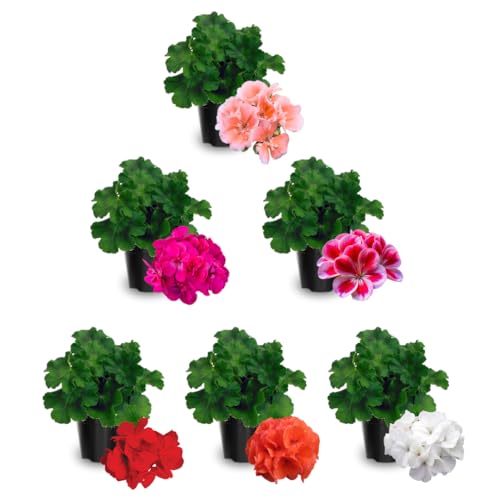
- BWP Score7.8
BWP Score is a ranking system developed by Bestwinterproducts.com. BWP score has no relationship or impact from any manufacturers or sales agent websites. Learn more
- BrandGeneric

- BWP Score7.6
BWP Score is a ranking system developed by Bestwinterproducts.com. BWP score has no relationship or impact from any manufacturers or sales agent websites. Learn more
- BrandOutsidepride

Pelargonium citrosum, Citronella Geranium Plant, Citrosa Geranium, Mosquito Plant, Live
View on Amazon- BWP Score6.8
BWP Score is a ranking system developed by Bestwinterproducts.com. BWP score has no relationship or impact from any manufacturers or sales agent websites. Learn more
- BrandWinter Greenhouse

- BWP Score6.8
BWP Score is a ranking system developed by Bestwinterproducts.com. BWP score has no relationship or impact from any manufacturers or sales agent websites. Learn more
- BrandGeneric

- BWP Score6.6
BWP Score is a ranking system developed by Bestwinterproducts.com. BWP score has no relationship or impact from any manufacturers or sales agent websites. Learn more
- BrandGeneric

- BWP Score6.2
BWP Score is a ranking system developed by Bestwinterproducts.com. BWP score has no relationship or impact from any manufacturers or sales agent websites. Learn more
- BrandUIOTER
Last update on 2026-10-02 / Affiliate links / Images, Product Titles, and Product Highlights from Amazon Product Advertising API


Best Warm Winter Scarves 2026 For Cozy Comfort

Best Green Ski Goggles 2026 For Clear Vision On Slopes

12 Best Corner Electric Fireplace 2026: My Ultimate Guide To Pick One

Best Battery Powered Snow Blower 2026 For Effortless Snow Clearing

Best Ski Goggles Under 30 Inches For Crisp Vision And Comfort

Best Cooling Scarf 2026 For Instant Relief And Comfort

Fake Snow for Grass: Create a Realistic Winter Lawn Display

Dimplex Prism Wall Mount Fireplace: Sleek Heat With Modern Flame Style





