
How to Keep Your Hibiscus Alive Indoors All Winter

Move the pot inside before night temperatures drop below 50 degrees Fahrenheit. Chilly autumn air shocks tropical roots, so bringing the container indoors early prevents sudden damage. Once the plant is settled near your sunniest window, water only when the top soil feels dry and pause all fertilizer until spring sunshine returns.
The exact care routine depends on your hibiscus variety and your room setup. Garden-hardy varieties can survive freezing winters outdoors, but tropical types need indoor warmth to stay alive. Dry air from heating vents can parch the leaves, while weak winter light often triggers yellowing or nudges the bush into a quiet resting phase. Taking a few simple steps now protects the roots from rot and keeps the stems healthy until next summer.
Tropical Versus Hardy Hibiscus: Deciding If Your Plant Belongs Indoors
The first step is checking whether your plant is a hardy hibiscus or a tropical hibiscus. These two types look similar in midsummer, but their winter needs are completely opposite.
Hardy hibiscus plants are tough perennials built to survive freezing outside in garden beds, handling deep frost and snow. In autumn, cold weather signals the plant to shut down. Leaves turn brown, stems dry out, and growth naturally dies back to the ground. Underground roots stay dormant until spring warmth triggers fresh shoots. Bringing a hardy hibiscus indoors disrupts its natural winter resting phase (a period when plant growth slows down and rests). Warm indoor air keeps it awake when it needs rest, leaving it weak and spindly.
Tropical hibiscus plants are completely different. A tropical hibiscus dies in frost and needs winter warmth. When night temperatures drop below 50 degrees Fahrenheit, growth stops. Frost turns the leaves black and mushy, and freezing soil quickly kills the roots. This tropical variety must come indoors before autumn frost arrives.
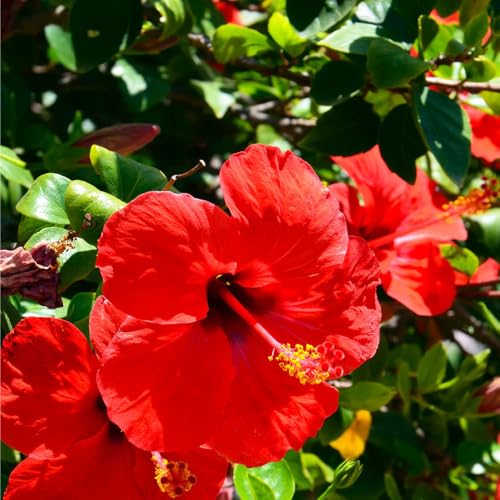
Foliage and blooms reveal the difference. Tropical varieties have deep green, glossy leaves that feel smooth and slightly waxy. Their flowers show vibrant shades of yellow, orange, peach, pink, or red. Hardy types have dull, papery leaves with serrated edges, and their flat, dinner-plate blooms appear in white, pink, or crimson. If your potted plant has shiny, waxy leaves, it belongs inside.
Washing and Pruning Before Move-In Day
Timing your move is critical. Bring your tropical hibiscus inside when night temperatures consistently fall toward 50 to 55 degrees Fahrenheit. Nights in the 40s shock the root system, making it harder for leaves to adjust to indoor air later.
Pruning before move-in day helps the plant adjust. Outdoors in summer, a hibiscus builds a wide canopy to catch bright sunlight. Indoors, natural light drops dramatically. Without trimming, the roots cannot support that massive canopy, and the plant will drop dozens of yellow leaves. Cutting branches back by roughly one-third keeps the plant compact, reduces moisture demand, and fits through doorways. Use clean pruners to cut stems just above an outward-facing leaf joint.
Outdoor plants also carry pests that thrive inside. Aphids, whiteflies, and spider mites (tiny sap-sucking bugs that make webs) live on outdoor foliage without doing major damage because garden predators keep them in check. Indoors, dry heating air creates ideal breeding conditions with no predators around. Giving your plant a thorough washdown before move-in day prevents an indoor infestation.
Run through this quick move-in checklist before carrying the pot inside:
- Check leaf undersides and joints for sticky sap, white specks, or fine webs.
- Spray the plant thoroughly with a hose nozzle to dislodge insects and rinse off dirt.
- Wash stems and foliage with a mild insecticidal soap spray, coating both sides of leaves.
- Scrub the pot sides and rim with a brush to remove garden soil and slug eggs.
- Clear the drainage holes at the base so water flows freely and no pests hide underneath.
If you spend time pruning on the patio as autumn winds pick up, dressing warmly to keep warm in winter outdoors helps, but get your pots inside before night chills the soil.
Indoor Placement: Sunlight, Warmth, and Managing Dry Air
Indoor location determines whether your hibiscus stays healthy or drops its leaves. Outside, your plant soaked up intense, unfiltered sunlight. Inside your home, window glass filters out natural light energy, making bright placement essential.
Place your potted hibiscus in your sunniest window. A south-facing window provides the longest direct winter light. An unobstructed west-facing window is the second-best choice. East-facing windows offer gentle morning sun, but lower light may cause partial leaf shedding. If you only have north-facing windows, place a daylight plant bulb above the branches for ten to twelve hours a day. Turn the container a quarter turn every two weeks so all sides receive balanced light.
Room temperature and airflow also matter. Tropical hibiscus plants do best between 65 and 75 degrees Fahrenheit. Keep the container away from cold window glass, drafty exterior doors, and unheated basements. At the same time, keep the pot away from active heating vents and radiators. Forced-air registers blast hot, moisture-free air directly onto foliage, scorching leaf margins. While you review ways to keep warm in winter in the house, verify that your plant sits safely away from blowing furnace heat.
Dry indoor air presents another hurdle. Heating systems dry indoor air, whereas tropical hibiscus prefers moderate humidity. Dry air triggers brown leaf tips and encourages spider mites. You can raise local humidity by placing the pot on a shallow tray filled with gravel and water. Ensure the water level stays below the top of the stones so the container base never touches standing water.
Winter Watering and Feeding Rules to Prevent Root Rot
The most common mistake indoor gardeners make is overwatering. During hot summer months, a blooming hibiscus drinks heavily, often requiring daily watering. During winter, plant metabolism slows significantly. The plant enters a winter resting phase where it stops pushing out rapid flushes of flowers and shoots. Because growth slows and indoor light is lower, water consumption drops sharply.
When soil remains constantly wet during winter, air cannot reach the root system. Roots suffocate and begin decaying, which causes root rot (roots decaying in wet soil). The plant cannot draw water or nutrients up into the stems, causing leaves to wilt even though the soil is soaking wet.
Never water a winter hibiscus on a rigid calendar schedule. Always check soil moisture with your finger first. Push your finger two inches down into the potting mix. If the soil feels cool or moist, do not add water. Water only when the top two inches feel dry to the touch. Pour room-temperature water slowly over the soil until a little runs out through the drainage holes. Empty the saucer after fifteen minutes so the pot never sits in standing water.
Fertilizing rules during winter are simple: do not feed your plant at all. Because your hibiscus is resting, it cannot process extra nutrients. If you apply fertilizer to resting roots, unused mineral salts accumulate in the soil, burning root tips and turning leaf edges crispy brown. Keep plant food stored away until late winter or early spring, when longer days trigger fresh green shoots and active growth returns.
Troubleshooting Yellow Leaves, Bare Branches, and Pests
Do not panic if your hibiscus sheds leaves during its first few weeks indoors. Moving from outdoor sunshine indoors is a major environmental shift. The plant naturally drops older leaves it can no longer support under lower light. As long as the wood remains alive, shedding foliage is a normal adjustment.
To confirm whether a bare branch is alive, perform a scratch check. Use a fingernail or coin to scrape away a speck of outer bark on a main branch. If the tissue underneath is moist and bright green, the branch is healthy. If the tissue looks brown and snaps when bent, that branch has died back and can be trimmed off.
If your plant shows signs of distress during winter, follow these troubleshooting steps:
- Respond to yellow, dropping leaves: If leaves turn yellow across the canopy while stems stay firm, the plant needs more sunlight. Move the container to your brightest south window or position a daylight bulb directly overhead.
- Fix brown, crispy edges: Brown edges mean the air is too dry or a heat vent is blowing on the leaves. Shift the pot away from heating registers and set up a pebble humidity tray underneath.
- Address wilting with wet soil: If foliage wilts while the potting soil feels wet, root rot (roots decaying in wet soil) has begun. Stop watering immediately, clear drainage holes, and allow the potting soil to dry out deeply before adding any more water.
- Clear out spider mites: If you spot fine webs between leaf joints or tiny yellow speckles on leaf surfaces, spider mites (tiny sap-sucking bugs that make webs) are present. Wipe the leaves with a soft damp cloth, or spray thoroughly with an insecticidal soap once a week until clear.
Helpful Winter Supplies for Keeping Hibiscus Healthy Indoors
While a consistent care routine does the heavy lifting, a few simple winter supplies make protecting your plant much easier.
Clear tabletop plant covers and mini humidity domes work well for smaller plants and fresh cuttings. Indoor heat dries out delicate foliage, and a clear cover traps moisture without blocking light. Look for transparent materials that let sunlight through, lightweight frames that fit tables, and adjustable vents that allow fresh air exchange so humidity does not stagnate.
A dedicated tropical plant food is useful for late winter revival. While you must avoid feeding during resting months, having a balanced fertilizer ready for spring supports new shoots as daylight increases. Look for formulas crafted for tropical flowering plants with balanced nutrients and trace iron to keep spring foliage deep green.
Small propagation jars and clear vases are another practical aid. Taking autumn stem cuttings before bringing a large pot inside provides an insurance policy. Look for shatterproof, clear containers with wide bases and supportive lids that hold stems upright in water while roots form.

- BWP Score9.6
BWP Score is a ranking system developed by Bestwinterproducts.com. BWP score has no relationship or impact from any manufacturers or sales agent websites. Learn more
- BrandCz Garden Supply

- BWP Score9.4
BWP Score is a ranking system developed by Bestwinterproducts.com. BWP score has no relationship or impact from any manufacturers or sales agent websites. Learn more
- BrandGeneric

- BWP Score9.2
BWP Score is a ranking system developed by Bestwinterproducts.com. BWP score has no relationship or impact from any manufacturers or sales agent websites. Learn more
- BrandTPS NUTRIENTS

- BWP Score9.0
BWP Score is a ranking system developed by Bestwinterproducts.com. BWP score has no relationship or impact from any manufacturers or sales agent websites. Learn more
- BrandHiThrive

- BWP Score8.2
BWP Score is a ranking system developed by Bestwinterproducts.com. BWP score has no relationship or impact from any manufacturers or sales agent websites. Learn more
- BrandSUMGROW

- BWP Score8.2
BWP Score is a ranking system developed by Bestwinterproducts.com. BWP score has no relationship or impact from any manufacturers or sales agent websites. Learn more
- BrandGeneric

- BWP Score8.0
BWP Score is a ranking system developed by Bestwinterproducts.com. BWP score has no relationship or impact from any manufacturers or sales agent websites. Learn more
- BrandGeneric

- BWP Score8.0
BWP Score is a ranking system developed by Bestwinterproducts.com. BWP score has no relationship or impact from any manufacturers or sales agent websites. Learn more
- BrandGeneric
- BWP Score7.0
BWP Score is a ranking system developed by Bestwinterproducts.com. BWP score has no relationship or impact from any manufacturers or sales agent websites. Learn more
- BrandMixrug

- BWP Score6.4
BWP Score is a ranking system developed by Bestwinterproducts.com. BWP score has no relationship or impact from any manufacturers or sales agent websites. Learn more
- BrandCZ Grain
Last update on 2026-10-02 / Affiliate links / Images, Product Titles, and Product Highlights from Amazon Product Advertising API
FAQs
Can a tropical hibiscus keep blooming indoors during the winter?
A tropical hibiscus can produce occasional blooms indoors if it sits in a sunny south-facing window. However, flowering slows down as winter days grow shorter and cooler. Do not worry if your plant pauses blooming until brighter spring days return.
When can I safely move my hibiscus back outside in spring?
Wait until night temperatures stay reliably at 55 degrees Fahrenheit or warmer before moving your pot outside. Moving it out too early exposes foliage to cold shock and spring frost. Acclimate the plant gradually over a week by placing it in shade first, then slowly moving it into brighter sun.
Should I repot my hibiscus into a bigger container during winter?
Avoid repotting your hibiscus during dark winter months. Disturbing roots while the plant rests causes stress, and extra unrooted potting mix holds excess water that increases the risk of root rot. Wait until early spring when you see active new green growth to repot.
.jpg)

Best Warm Winter Scarves 2026 For Cozy Comfort

Best Green Ski Goggles 2026 For Clear Vision On Slopes

12 Best Corner Electric Fireplace 2026: My Ultimate Guide To Pick One

Best Battery Powered Snow Blower 2026 For Effortless Snow Clearing

Best Ski Goggles Under 30 Inches For Crisp Vision And Comfort

Best Cooling Scarf 2026 For Instant Relief And Comfort

Fake Snow for Grass: Create a Realistic Winter Lawn Display

Dimplex Prism Wall Mount Fireplace: Sleek Heat With Modern Flame Style





