
How to Keep Mice Out of Your House in Winter

Block every tiny opening around the house. Mice can slip through holes the width of a pencil to escape freezing winds. The most reliable fix is to pack exterior gaps with steel wool and seal them tight, while storing pantry food in hard containers. Denying pests warmth and an easy meal stops them before they chew electrical wiring or soil attic insulation.
The right approach depends on whether rodents are already living inside or just probing from the yard. Scratching sounds behind drywall mean you should set indoor traps before blocking exits, while cracked foundations and open pipe vents demand sturdy chew-proof patches outside. Leaving pet kibble out or birdseed in the garage also invites trouble. Here is how to track down hidden openings, shut them down, and keep your home protected all winter.
Why Cold Weather Drives Mice Indoors
When late autumn brings freezing nights, mice face a severe food and shelter shortage outdoors. Seeds, dried berries, and insects disappear under frost and snow. Cold winds also pull body heat from small animals very quickly. Because mice do not hibernate, they must find warmth and calories every day to survive the season.
Your house acts like a heated shelter. Warm indoor air rises and naturally escapes through tiny gaps around windows, roof eaves, and foundation lines. To a shivering field mouse, escaping warm air acts like a beacon. Mice follow their sharp sense of smell and temperature sensitivity straight toward the draft. When working on keeping your house warm in winter without waste, you often seal the exact air leaks that attract rodents in the first place.
Once inside, mice look for warm nesting space, water, and food. Wall cavities, fiberglass insulation, and suspended ceilings provide cozy shelter away from winter predators like owls and foxes. The danger to your home is substantial. Mice must constantly gnaw on hard surfaces to file down their fast-growing teeth. They chew electrical wire coatings, creating hidden fire risks inside dry wall cavities. They also shred pipe insulation, ruin pantry staples, and track bacteria across kitchen counters.
Where Mice Sneak In: Winter Inspection Checklist
A common house mouse can squeeze through an opening measuring just one-quarter of an inch across. That is roughly the width of a standard wooden pencil or a dime. If a pencil slides into a gap, a mouse can flatten its flexible ribs, pull its skull through, and enter your living space. Before you can stop them, you need to find every potential opening along your exterior perimeter.
Grab a bright flashlight and walk slowly around your exterior foundation. Check these specific areas:
- Foundation sill plates and mortar lines: Check where the wood frame rests on top of the concrete or stone foundation. House settling often opens narrow gaps along this joint.
- Utility penetrations (pipe and cable wall openings): Look where electrical conduits, plumbing pipes, air conditioning lines, and gas pipes enter through the siding. Installers often cut holes much larger than the lines themselves.
- Dryer vents and exhaust hoods: Examine outdoor vent flappers. Plastic louvers warp or freeze open in winter, creating an open doorway for pests.
- Basement windows and crawlspace vents: Rotted wood frames, rusted screens, and loose covers are common pathways into the subfloor.
- Attached garage door corners: Bottom rubber weatherstripping hardens in freezing weather, tearing away at the corners where mice slip inside.
- Rooflines and soffits: Mice easily scale brick, textured siding, or low tree branches to reach unsealed gaps where gutters meet fascia boards.
How to Seal Entry Holes with Chew-Proof Materials
Standard caulk, wood putty, and plain plastic expanding foam cannot stop mice. Rodents easily chew through wood, drywall, and soft plastic within a single night. Sealing entry holes, known in pest management as exclusion, requires chew-proof metals paired with airtight weather seals.
Follow these steps to seal your home against winter mice:
- Probe every seam with a wooden pencil. Reason: This check reveals any gap larger than a quarter inch, which is enough room for a small mouse to slip inside.
- Scrape away dirt, rotted wood, and peeling paint around the gap. Reason: A clean, dry surface ensures sealants and adhesive foams form a tight bond that will not loosen in freezing temperatures.
- Pack coarse stainless steel wool or metal mesh tightly into the opening. Reason: Rodents cannot bite through sharp metal fibers without cutting their mouths, forcing them to abandon the hole.
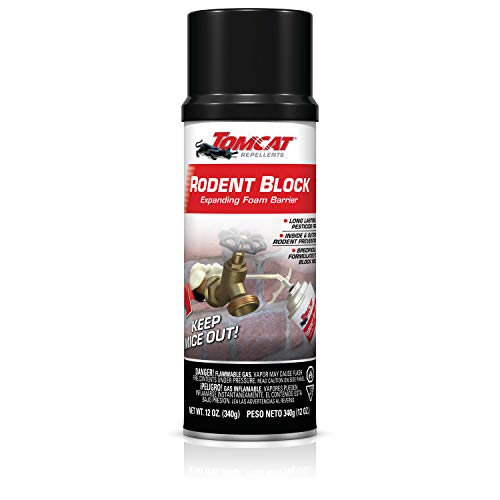
- Apply expanding rodent barrier foam directly over the metal mesh. Reason: The foam blocks warm air drafts that attract rodent noses and locks the steel wool firmly in place.
- Smooth exterior-grade polyurethane caulk over small foundation cracks. Reason: Exterior caulk creates a water-tight seal over hairline gaps, preventing moisture penetration and stopping freeze-thaw damage.
- Install heavy-duty metal door sweeps on all exterior entrances. Reason: Metal sweeps eliminate floor-level thresholds where mice frequently gnaw through flexible rubber seals on cold nights.
- Fasten wire hardware cloth over crawlspace vents and exhaust pipes. Reason: Quarter-inch galvanized mesh preserves airflow while physically blocking rodents from squeezing through.
How to Cut Off Food and Nesting Materials
Sealing exterior gaps keeps new pests outside, but you must also remove indoor lures. A mouse will not stay where food and nesting supplies are unavailable. During winter, rodents actively search living spaces for calories and soft materials to build a warm nesting space.
Take these steps to eliminate food and nesting supplies:
- Transfer pantry items to chew-proof containers: Mice chew easily through cardboard boxes, paper sacks, and thin plastic bags. Store cereal, grains, flour, sugar, and baking mixes in airtight glass jars, metal tins, or heavy-duty plastic tubs with latching lids.
- Pick up pet dishes between meals: Never leave bowls of dry pet food sitting out on the floor overnight. Mice are nocturnal scavengers that treat open food bowls as reliable buffets. Keep bulk pet kibble and birdseed in heavy metal cans with tight lids.
- Clear cardboard clutter from basements and attics: Cardboard boxes, old newspapers, paper towels, and spare blankets make ideal nesting fibers. Switch seasonal storage to plastic bins with locking lids to deny rodents bedding materials.
- Clean crumb zones daily: Crumbs beneath toasters, grease behind stoves, and spills under refrigerators feed hungry mice. Sweep beneath appliances and wipe down countertops before deep winter sets in.
- Fix plumbing leaks and drain moisture: Mice need daily moisture to survive dry indoor heating. Repair dripping pipe valves under sinks, empty dehumidifier basins, and keep basement sump pits covered.
Using Scent Deterrents and Traps Safely
After sealing holes and locking away food, you can use repellent scents and traps to manage lingering mice. Using these tools properly saves time and prevents safety mistakes inside your living spaces.
Natural repellents rely on concentrated botanical oils, especially peppermint oil. Mice have a powerful sense of smell that they use to find food, navigate in the dark, and avoid danger. Concentrated peppermint oil overpowers their sensitive nasal passages, making treated rooms unpleasant for them. Place botanical repellent pouches, scent balls, or spray diluted oil in quiet areas like attics, crawlspaces, pantries, and under vehicle hoods. These botanical solutions discourage rodents without spreading toxic fumes through living areas.
However, scent deterrents are an extra defense layer, not a standalone fix. If mice have an established nest inside a warm wall, peppermint scent alone will not drive them out into freezing weather. Pair scent tools with mechanical snap traps placed along baseboards where rodents run.
Avoid using chemical mouse poison, also known as rodenticide, inside your home. Poisoned mice usually crawl deep inside wall cavities, under floors, or into heating ducts to die. The carcass creates a foul odor that lasts for weeks and attracts flies. Chemical baits also present severe poisoning risks to household dogs, cats, and toddlers. Use clean snap traps set perpendicular to walls, baited with a pea-sized dab of peanut butter.
Signs You Need Professional Help
Many early winter mouse issues can be handled with steel wool, caulk, and snap traps. However, some infestations spread quickly or reach places you cannot access safely. Knowing when to call a professional protects your home and family.
Watch and listen for these warning signs:
- Scratching across multiple rooms: Scampering or gnawing sounds inside bedroom ceilings and walls at night mean mice have built extensive runways inside your framing.
- Strong musky odors: A heavy ammonia smell near baseboards or heating vents signals a large nesting colony rather than a single mouse.
- Chewed wires or tripped breakers: If circuit breakers trip or you find gnawed appliance cords, turn off the affected breaker immediately. Chewed wiring is a major cause of winter house fires.
- Soiled attic insulation: Droppings and urine in fiberglass insulation contaminate air that circulates through your heating system.
A licensed pest management professional has the ladders, protective gear, and training to reach steep rooflines, inspect tight crawlspaces, and eliminate hidden colonies. They also sanitize contaminated areas safely.
What to Look For in Winter Mouse Prevention Gear
Protecting your home through freezing weather requires tough physical barriers and dependable deterrents. Choosing the right supplies upfront keeps you from redoing repairs in midwinter.
For sealing openings, select coarse, rust-resistant stainless steel or copper mesh instead of plain steel wool. Plain steel wool rusts and degrades quickly when exposed to rain, snow, and exterior humidity. Combine metal mesh with expanding barrier foam formulated with bittering agents that deter chewing. Make sure any exterior sealant remains flexible in freezing temperatures so it does not crack as your house settles.
For scent deterrents, look for botanical products made with concentrated natural peppermint oil in breathable pouches or durable balls. Confirm the packaging states the formula is safe around children and pets when used as directed. If treating unheated garages or large attics, check the rated coverage area and active scent lifespan so you know when to replace them before spring.

- BWP Score10.0
BWP Score is a ranking system developed by Bestwinterproducts.com. BWP score has no relationship or impact from any manufacturers or sales agent websites. Learn more
- BrandGRLEP

- BWP Score9.6
BWP Score is a ranking system developed by Bestwinterproducts.com. BWP score has no relationship or impact from any manufacturers or sales agent websites. Learn more
- Brandhersohis

- BWP Score9.2
BWP Score is a ranking system developed by Bestwinterproducts.com. BWP score has no relationship or impact from any manufacturers or sales agent websites. Learn more
- BrandAlabrocon

- BWP Score9.2
BWP Score is a ranking system developed by Bestwinterproducts.com. BWP score has no relationship or impact from any manufacturers or sales agent websites. Learn more
- BrandAtindirey

- BWP Score9.0
BWP Score is a ranking system developed by Bestwinterproducts.com. BWP score has no relationship or impact from any manufacturers or sales agent websites. Learn more
- BrandXcluder

- BWP Score8.8
BWP Score is a ranking system developed by Bestwinterproducts.com. BWP score has no relationship or impact from any manufacturers or sales agent websites. Learn more
- BrandSAHETO
- BWP Score8.6
BWP Score is a ranking system developed by Bestwinterproducts.com. BWP score has no relationship or impact from any manufacturers or sales agent websites. Learn more
- BrandTomcat

- BWP Score8.6
BWP Score is a ranking system developed by Bestwinterproducts.com. BWP score has no relationship or impact from any manufacturers or sales agent websites. Learn more
- BrandNihasker

- BWP Score8.6
BWP Score is a ranking system developed by Bestwinterproducts.com. BWP score has no relationship or impact from any manufacturers or sales agent websites. Learn more
- BrandLKXDOV

- BWP Score8.4
BWP Score is a ranking system developed by Bestwinterproducts.com. BWP score has no relationship or impact from any manufacturers or sales agent websites. Learn more
- BrandMighty Mint

- BWP Score8.2
BWP Score is a ranking system developed by Bestwinterproducts.com. BWP score has no relationship or impact from any manufacturers or sales agent websites. Learn more
- BrandGrandpa Gus's
Last update on 2026-10-02 / Affiliate links / Images, Product Titles, and Product Highlights from Amazon Product Advertising API
Frequently Asked Questions
How small of a hole can a mouse squeeze through?
An adult mouse can squeeze through an opening measuring one-quarter of an inch wide, which is about the size of a standard pencil or a dime. Their flexible skulls and rib cages allow them to compress their bodies through tiny cracks around foundations and siding.
Can mice chew through regular spray foam?
Yes, mice chew through regular spray foam in minutes. Standard expanding foam is soft and light, which makes it easy for rodents to tear apart for nesting material. Always pack gaps with stainless steel wool or wire mesh before sealing over them with foam.
Does peppermint oil get rid of an existing mouse nest?
Peppermint oil works well to deter mice from entering clean spaces, but it rarely forces a mother mouse to leave a warm nest with her young. When mice are already living inside walls, you must trap them and seal exterior holes rather than relying only on scent.
Why do I hear scratching in the walls only at night?
Mice are nocturnal creatures that avoid light and movement to stay safe from predators. When the house grows dark and quiet, they leave their insulated nesting spots to search for food along wall studs and ceiling joists.
Is it safe to place snap traps in the attic during winter?
Yes, snap traps are safe and effective in attics, provided you inspect them daily. Cold attic temperatures slow down odor, but checking traps every morning ensures you remove caught rodents quickly and keep traps set for any remaining pests.


Best Warm Winter Scarves 2026 For Cozy Comfort

Best Green Ski Goggles 2026 For Clear Vision On Slopes

12 Best Corner Electric Fireplace 2026: My Ultimate Guide To Pick One

Best Battery Powered Snow Blower 2026 For Effortless Snow Clearing

Best Ski Goggles Under 30 Inches For Crisp Vision And Comfort

Best Cooling Scarf 2026 For Instant Relief And Comfort

Fake Snow for Grass: Create a Realistic Winter Lawn Display

Dimplex Prism Wall Mount Fireplace: Sleek Heat With Modern Flame Style





