
How to Keep Mice Out of an RV in Winter

Keeping mice out of a camper comes down to blocking every tiny opening with steel mesh and sealant before freezing weather arrives. That protection only works if every scrap of food is stripped out first, because cold rodents will chew aggressively if they smell a meal. Mice need a hole no wider than a pencil to sneak inside and cause massive damage to wiring and water lines.
The overall effort depends mostly on the parking spot and how the rig was built. Storing over tall grass or dirt invites far more pests than clean concrete. Campers with exposed pipes also require extra sealing compared to rigs with an enclosed underbelly (the protective sheeting beneath the frame). How often an owner can check the trailer during the off-season matters as well. Simple preparation now ensures the camper stays clean, safe, and rodent-free until spring.
The Short Version
- Clear out food and nesting material: Remove every pantry item, wipe up crumbs, and take out paper towels, tissues, and loose blankets that rodents use for nesting.
- Block ground climbing paths: Mice cannot jump into an RV, so put smooth metal guards around tires, keep jacks retracted when possible, and pack away power cords.
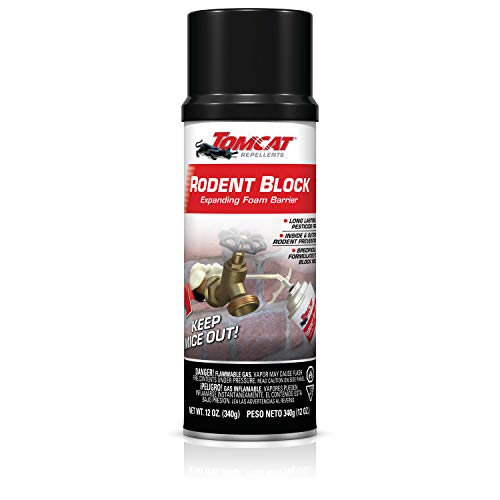
- Seal every underbelly opening: Crawl beneath the rig and plug every hole where wires or pipes pass through the floor using metal mesh and rodent-blocking foam.
- Add plant-based scent pouches: Place natural peppermint and botanical oil deterrents inside closed cabinets and exterior storage bays as an extra layer of defense.
Clearing Out Food, Paper Goods, and Nesting Materials
Before locking your camper for winter, strip the interior down to bare surfaces. Mice invade campers in search of food and warm shelter to survive freezing weather. Even stray crumbs or an unopened box of crackers can draw them from across a storage lot.
Start with a complete kitchen clear-out. Remove every food item, including canned goods, spices, coffee, and cooking oils. Never leave dry pantry staples in cardboard boxes or thin plastic bags. Mice easily chew through cardboard boxes of pasta, cereal, pet food, and rice. Take everything home so the camper holds zero food aromas.
Next, take out all soft paper products and loose fabrics. These items do not feed rodents, but they provide ideal nesting material. Use this quick checklist to clear the cabin:
- Paper products: Remove toilet paper rolls, paper towels, tissues, napkins, and paper plates.
- Reading materials: Take out magazines, paperback books, maps, and paper manuals stored in drawers.
- Linens and bedding: Strip mattress pads, bed sheets, pillows, and blankets. If you leave cushions inside, stand them on edge so air circulates freely and mice cannot nest underneath.
- Toiletries and cleaning supplies: Remove bar soap, scented candles, and dish sponges. Mice chew bar soap and wax for animal fats, and they shred sponges for bedding.
Finish by vacuuming inside every drawer, under dinette seats, and behind the lower access panels of the stove and refrigerator. Wipe down countertops with household cleaner to eliminate grease traces.
Blocking Ground Access Points: Tires, Jacks, and Cords
Mice cannot jump straight from the ground into an RV doorway. To get inside, they must climb something that connects the ground to the camper chassis. Every point of contact acts as an open ramp for cold rodents.
Tires are the most common climbing route. The textured rubber tread offers plenty of grip for tiny claws. Wrapping tires with smooth aluminum barriers stops mice before they reach the wheel wells and frame. Because mice cannot climb slick vertical metal, a wraparound metal shield forces them back down.
Stabilizer jacks and tongue jacks offer another direct path. Metal jack legs collect road grime, which gives rodents enough traction to scurry upward. If your storage plan allows, keep manual stabilizer jacks retracted so only the wheels carry weight. If jacks must stay down, keep the surrounding ground clear of sticks, weeds, or boards that mice could use as bridges.
Electrical cords and safety chains also create climbing paths. Never leave an unplugged shore power cord coiled on the ground leading into an open hatch. Stow the cord inside a sealed bin and latch the hatch tightly. Keep safety chains hung high on the trailer tongue so links do not touch the ground.
Your parking surface also impacts rodent activity. Storing a camper in tall grass or weeds invites pests because dense growth hides mice from hawks and owls while offering easy access to the frame. Park on clean concrete, packed gravel, or asphalt. Clear away fallen leaves and brush within ten feet of the rig. If you spend time outside prepping the trailer in chilly air, dressing in warm layers helps you keep warm in winter outdoors with ease so you do not rush the job.
Finding and Sealing Underbelly Gaps and Frame Openings
Physical exclusion is your most reliable defense against rodent damage. Scent repellents help, but if there is an open hole in your floor, a freezing mouse will eventually squeeze through. Follow these steps to find and seal every underbelly opening before winter sets in.
- Inspect the underbelly cover: The underbelly is the protective plastic or fabric sheeting covering the bottom of the trailer frame. Take a bright flashlight, crawl underneath the camper, and scan the entire surface. Check for loose screws, dropped seams, puncture tears, or sagging panels near the wheel wells. Even a small gap along a seam gives mice an entryway into the insulation above.
- Locate every floor penetration: A penetration is a gap where a pipe, wire, or hose passes through the floor. RV builders often cut oversized holes to route lines, leaving wide gaps around tiny pipes. Check where low-point water drains exit, where freshwater lines enter, where holding tank pipes drop down, and where the main wiring harness penetrates the frame.
- Pack gaps with metal mesh and expanding foam: Never rely on basic silicone caulk or standard foam alone. Mice chew through soft foam in minutes. First, tightly pack the opening with coarse stainless steel mesh or copper mesh cloth. Then fill the void with rodent-blocking expanding foam. The foam creates an airtight seal while the metal mesh stops teeth from chewing through.
- Check slide-outs and hatch seals: A slide-out is a movable room section that pushes outward to create extra living space. Keep all slide-outs fully retracted during winter storage. Inspect the rubber wiper seals and corner foam blocks around the slide-out frame. Replace cracked or torn rubber seals so they press firmly against the wall, and latch all exterior compartment doors tightly.
Using Plant-Based Scent Repellents in Storage Bays and Living Areas
Once you seal the exterior, botanical scent repellents provide an extra layer of defense. Mice possess a sharp sense of smell that they use to locate food and detect danger. Strong plant essential oils overwhelm their sensory receptors, making treated spaces uncomfortable for nesting.
Look for plant-based formulas that blend concentrated essential oils such as peppermint, cinnamon, cedarwood, and fir extracts. These natural scents smell fresh to people, but rodents avoid them. Scent pouches, repellent balls, and essential oil sprays work best in dark, enclosed spaces where air movement is minimal.
Place scent packets in areas where mice tend to explore if they breach the exterior:
- Inside low kitchen cabinets, especially under the sink around water lines.
- Inside the bathroom vanity and behind the toilet base.
- Under dinette bench seats and beneath bedroom mattress platforms.
- Inside exterior pass-through storage bays and utility compartments.
- Near the engine bay and battery box in motorized RVs.
Avoid using chemical mothballs or laundry dryer sheets. Mothballs contain harsh chemicals that create toxic fumes, leaving a foul odor in camper fabrics that lingers for months. Dryer sheets lose their fragrance quickly, and mice often shred them to build nests. Natural plant oils deliver better deterrence without leaving chemical residues.
Why Indoor Poison Bait Backfires and How to Run Mid-Winter Checks
Placing poison bait blocks inside an RV seems simple, but it frequently leads to severe problems. Poison does not kill rodents instantly. After eating bait, a mouse crawls into the deepest, darkest hiding spot it can find to die, such as inside heating ducts, beneath the shower pan, or behind wall panels.
During winter, the carcass may freeze, but the first warm spring thaw causes it to decay. The resulting stench is unbearable and difficult to eliminate without tearing out wall panels or ductwork. Poison bait also risks secondary poisoning if a pet or wild bird catches the dying rodent.
Snap traps are equally problematic if left unattended for months. A mouse caught in a snap trap will decay and cause foul stains and odors. Only use snap traps if you store the camper at home and can check them every couple of days.
Instead of poison, schedule a quick inspection visit every three to four weeks. During each visit, take these simple actions:
- Step inside and sniff the air. A musty or ammonia-like smell often indicates rodent activity before you spot physical damage.
- Shine a flashlight into cabinets, under sinks, and along floor corners to check for small black droppings that resemble rice grains.
- Check your expanding foam seals underneath to ensure rodents have not started gnawing at outer edges.
- Check scent pouches and replace any whose fragrance has faded. Pouches typically remain potent for thirty to sixty days in cold weather.
Just as you check window seals to keep warm in winter in the house without waste, periodic camper checks catch minor problems before they cause costly damage.
Choosing Winter Rodent Barriers and Deterrents
Protecting an RV from winter rodents requires practical supplies that hold up to cold weather. When picking products to protect your camper, look for options built to form durable physical barriers or provide steady scent deterrence.
For sealing gaps under the camper, choose expanding spray foam formulated specifically for rodent blocking. These specialty foams contain bittering agents and dense fillers that mice cannot easily chew through. Verify that the foam creates an airtight, water-resistant bond that sticks securely to wood, metal, and plastic underbelly covers.
For ground access points, look for rigid aluminum tire guards that wrap around camper wheels. Choose smooth metal panels standing at least eight to ten inches tall so rodents cannot climb or jump over them. Look for models with sturdy hook-and-loop closures or locking tabs that secure tightly against the tire rubber.
For interior spaces, select natural botanical repellent pouches that contain concentrated plant essential oils like peppermint, cinnamon, and cedar. Pick breathable fabric pouches that release scent steadily over several weeks without leaking oily residue onto your cabinet shelves.

- BWP Score10.0
BWP Score is a ranking system developed by Bestwinterproducts.com. BWP score has no relationship or impact from any manufacturers or sales agent websites. Learn more
- BrandLousye

- BWP Score10.0
BWP Score is a ranking system developed by Bestwinterproducts.com. BWP score has no relationship or impact from any manufacturers or sales agent websites. Learn more
- BrandMouse D-Fence

- BWP Score9.6
BWP Score is a ranking system developed by Bestwinterproducts.com. BWP score has no relationship or impact from any manufacturers or sales agent websites. Learn more
- Brandhersohis

- BWP Score9.6
BWP Score is a ranking system developed by Bestwinterproducts.com. BWP score has no relationship or impact from any manufacturers or sales agent websites. Learn more
- BrandCACUTUSGO

- BWP Score8.8
BWP Score is a ranking system developed by Bestwinterproducts.com. BWP score has no relationship or impact from any manufacturers or sales agent websites. Learn more
- BrandSAHETO
- BWP Score8.6
BWP Score is a ranking system developed by Bestwinterproducts.com. BWP score has no relationship or impact from any manufacturers or sales agent websites. Learn more
- BrandTomcat

- BWP Score8.6
BWP Score is a ranking system developed by Bestwinterproducts.com. BWP score has no relationship or impact from any manufacturers or sales agent websites. Learn more
- BrandNihasker

- BWP Score8.6
BWP Score is a ranking system developed by Bestwinterproducts.com. BWP score has no relationship or impact from any manufacturers or sales agent websites. Learn more
- BrandDark Master

- BWP Score8.4
BWP Score is a ranking system developed by Bestwinterproducts.com. BWP score has no relationship or impact from any manufacturers or sales agent websites. Learn more
- BrandMighty Mint

- BWP Score8.2
BWP Score is a ranking system developed by Bestwinterproducts.com. BWP score has no relationship or impact from any manufacturers or sales agent websites. Learn more
- BrandGrandpa Gus's

- BWP Score8.2
BWP Score is a ranking system developed by Bestwinterproducts.com. BWP score has no relationship or impact from any manufacturers or sales agent websites. Learn more
- BrandMighty Mint

- BWP Score6.0
BWP Score is a ranking system developed by Bestwinterproducts.com. BWP score has no relationship or impact from any manufacturers or sales agent websites. Learn more
- BrandSoFyre
Last update on 2026-10-02 / Affiliate links / Images, Product Titles, and Product Highlights from Amazon Product Advertising API
FAQs
How small of a hole can a mouse squeeze through into an RV?
A mouse can squeeze through a gap as small as a dime or a pencil eraser. Mice have flexible rib cages and collapsible skeletons, allowing them to pass through any gap their skull fits through. This is why you must seal every tiny opening around pipes, wires, and underbelly seams rather than just large holes.
Do ultrasonic pest repellers work inside an RV during winter storage?
Ultrasonic repellers provide very little protection inside a stored camper. High-frequency sound waves cannot penetrate solid cabinet doors, cushions, or interior walls where mice nest. They also drain your house battery quickly unless the camper stays connected to active shore power all winter.
Can mice chew through RV slide-out rubber seals?
Yes, mice can chew through soft rubber wiper seals if they find a loose edge or gap. Rubber seals block rain and wind, but they do not stop determined rodents. Keeping slide-outs fully retracted in storage and blocking tire climbing paths prevents mice from reaching these pliable rubber parts.
What should I do if I find mouse droppings during a winter inspection?
Never sweep or dry vacuum mouse droppings, which stirs up airborne dust and bacteria in an enclosed camper. Spray droppings with household disinfectant or diluted bleach, let it sit for five minutes, and wipe it up using disposable paper towels. Throw the towels away in an outdoor trash bin and inspect nearby cabinets to find and seal the entry hole.


Best Warm Winter Scarves 2026 For Cozy Comfort

Best Green Ski Goggles 2026 For Clear Vision On Slopes

12 Best Corner Electric Fireplace 2026: My Ultimate Guide To Pick One

Best Battery Powered Snow Blower 2026 For Effortless Snow Clearing

Best Ski Goggles Under 30 Inches For Crisp Vision And Comfort

Best Cooling Scarf 2026 For Instant Relief And Comfort

Fake Snow for Grass: Create a Realistic Winter Lawn Display

Dimplex Prism Wall Mount Fireplace: Sleek Heat With Modern Flame Style





