
How to Keep Pigs Warm in Winter Without Fire Risks

Healthy pigs handle freezing weather surprisingly well, so sub-zero nights do not have to cause panic. The most reliable solution is packing their shelter with a deep nest of dry straw where they can bury completely, blocking ground drafts, and increasing daily feed. For young piglets or severe freezes, rigid floor heat mats add gentle warmth without the deadly fire hazards of hanging heat lamps.
Exact cold protection depends on who is in the pen and how dry the air stays. Newborns and lean animals lack fat reserves, while full-grown hogs generate strong shared heat sleeping side by side. Airflow plays a big role too: sealing a shed airtight traps humid breath, creating damp bedding that robs body heat faster than crisp, cold air. Keeping straw clean and draft-free makes all the difference. Here is how to build a warm, safe setup step by step.
Watch for Shivering and Huddling Before Frostbite Sets In
Pigs handle cold weather differently than most livestock. Sheep grow thick wool, and horses grow heavy winter coats, but pigs only carry sparse, coarse hair. Their main defense is skin and subcutaneous fat. Mature hogs carry enough body mass to withstand chilly days, but feeder pigs, miniature pet pigs, and piglets lose heat quickly when temperatures drop.
Every pig has a thermoneutral zone (the normal comfort temperature range where its body does not burn extra calories to stay warm). For adult hogs, this range starts around 50°F to 60°F. For newborn piglets, that zone sits between 85°F and 90°F. Below these thresholds, pigs must burn feed energy or adjust their behavior to preserve warmth.
Look for early warning signs of cold stress during morning chores. Chilled pigs stand with arched backs, tuck their legs tightly under their bellies, and shiver visibly. Their hair bristles stand upright like goosebumps. A warm pig steps out to eat, while a cold pig hesitates to leave the bedding.
Watch how they sleep. Healthy pigs lie side by side to share warmth. But if they pile on top of each other in a dense heap, the pen is dangerously cold. Piling risks crushing and suffocating smaller pigs on the bottom.
Severe cold can cause hypothermia (a dangerous full-body chill). Hypothermic pigs become sluggish, with stiff, pale ears and cold skin. Prolonged damp chill also brings on respiratory distress (heavy coughing or lung sickness), which can turn into pneumonia. Call a livestock veterinarian if a pig refuses food, breathes with a raspy rattle, or cannot stand.
Build a Deep Straw Nest That Covers Their Backs
Deep bedding is the safest, most natural way to insulate pigs against freezing temperatures. Pigs naturally burrow to trap body warmth like a sleeping bag, provided they have clean material piled deep enough.
Always bed winter pig pens with clean, dry straw instead of hay. Straw stalks are hollow, trapping air pockets that insulate against the cold and shed moisture. Hay is cut dried grass that acts like a sponge. It absorbs water, mats into a soggy mess, molds rapidly, and freezes into an ice block that draws heat straight out of your pigs.
Provide ample depth. A light dusting of straw on cold ground provides almost no warmth. Spread clean straw at least 12 to 18 inches deep in their sleeping area. Pigs should be able to bury themselves completely so only their snouts show.
If your shelter sits on concrete or frozen dirt, break thermal contact before adding straw. Concrete siphons heat away from a pig's belly. Place thick rubber livestock stall mats or spread three inches of dry wood shavings over the floor first, then heap the straw on top.
Keep the nest dry. Pigs usually relieve themselves in one designated outdoor area, but during howling blizzards, they may soil their bed. Wet straw loses all insulating power. Check the nest daily, fork out any damp spots, and throw in fresh, dry straw.
Seal Floor Drafts While Leaving the Roof Ridge Open
Pigs tolerate still, cold air well, but low drafts quickly steal their body heat. However, completely sealing an animal shelter traps humidity. Pigs exhale large amounts of moisture. Trapping moist breath creates damp bedding and dripping walls, chilling pigs and causing respiratory distress.
The goal is stopping floor drafts while venting humid air out the roof. Use this checklist to prep your shelter:
- Block lower walls: Cover gaps, cracks, and open siding on the bottom four feet of the shelter with exterior plywood or windbreak fabric so wind cannot blow across the sleeping area.
- Hang doorway flaps: Fasten overlapping strips of heavy vinyl or rubber across the door opening. These stop blowing wind and snow, but pigs can push through them easily.
- Keep ridge vents open: Leave two to four inches of open ventilation along the roof ridge or upper gables so warm, humid air rises and escapes before it condenses.
- Face three-sided shelters away from wind: Position open-front sheds to the south or east, sheltering pigs from cold north and west winter winds.
- Add an entrance sill: Place a sturdy wood timber across the bottom of the doorway to hold deep straw inside and block melting snow runoff from entering.
Draft-free floors and open roof vents keep bedding dry and lungs clear. While working on outdoor outbuildings, dress warmly. Knowing how to keep warm in winter outdoors ensures you complete your chores comfortably before sunset.
Increase Feed Rations and Keep Drinking Water Flowing
Digestion functions like an internal furnace for pigs, generating steady body heat as gut microbes break down feed. Feeding the same ration in January as in July causes pigs to burn fat reserves rapidly.
Use these steps to support your herd's nutritional needs in winter:
- Increase daily feed by 20 to 30 percent: Feed more grain or complete pellets when temperatures drop below freezing. Extra calories maintain core body heat and prevent weight loss. This extra energy is critical for pregnant sows heading toward late-winter farrowing (giving birth to piglets).
- Split meals into morning and evening feedings: Giving half their ration in the morning and half before sunset keeps digestion active overnight, producing warmth during the coldest early-morning hours.
- Keep drinking water liquid and clean: Pigs stop eating if they cannot drink, and dehydration causes serious winter stress. Install a submersible tank de-icer with a chew-resistant cord guard, or use a pet-safe heated water bowl so water never freezes.
- Offer warm water during chores: Hauling water across frozen ground is hard work on your feet, so knowing how to keep feet warm during winter helps you handle outdoor chores safely. Bringing out buckets of warm water encourages pigs to drink deeply instead of avoiding freezing troughs.
- Provide an afternoon fiber snack: A small scoop of beet pulp pellets or a flake of alfalfa hay between meals gives the digestive tract extra fiber to ferment, releasing steady internal heat for hours.
Ditch Hanging Heat Lamps for Rigid Floor Heat Mats
When temperatures plunge below zero, small pigs and nursing litters often need supplemental heat. Many farm owners hang clamp-style infrared heat lamps over pens, but these lamps cause disastrous barn fires every winter.
Pigs are strong, curious, and active. They root in bedding, throw straw around, and scratch against walls and posts. A pig rubbing a support post can easily knock down a clamp lamp into dry straw, igniting a flash fire within seconds. Water droplets splashing on hot glass bulbs can also cause them to burst, showering bedding with glowing fragments.
Rigid livestock heat mats provide a much safer alternative. These heavy-duty pads lie flat on the floor rather than hanging above dry bedding. Built from thick, fire-retardant fiberglass or heavy molded plastic, they withstand animal weight without cracking.
Instead of drying out pig skin with intense radiant light, heat mats supply direct warmth to the pig's belly. Quality livestock mats deliver a uniform warm surface around 30° to 35° F above air temperature, keeping animals warm without overheating or creating fire hazards.
Position the mat in a protected corner, such as a partitioned creep area where piglets can rest away from large sows. Secure it firmly to the subfloor with screws through the mounting holes. Make sure the electrical cord has a continuous stainless steel or chew-proof spring guard, and plug it directly into an outdoor-rated GFCI outlet.
Choose Heavy-Duty Floor Mats Built for Rough Livestock Use
Bypass consumer heating blankets and soft pet warming pads when setting up pig housing. Soft indoor pads cannot withstand hooves or teeth, and pigs will quickly tear and ingest the fabric. Look for heavy-duty livestock warming mats engineered specifically for farrowing pens and outdoor shelters.
Check the outer shell construction. Choose a rigid panel made from reinforced fiberglass or heavy composite resin with a textured, non-slip surface. The housing must be completely waterproof to keep melting snow, wash water, and waste away from electrical parts.
Look for an insulated bottom. A mat with an insulated base stops heat from bleeding into the frozen dirt or concrete underneath, directing all warmth upward toward the pigs.
Cord protection is essential. Pigs chew on everything within reach. Select a unit with a thick stainless steel spring sheath protecting the power cord all the way from the mat base up to the wall outlet.
Finally, confirm agricultural safety listings and thermostatic controls. A dependable livestock mat produces uniform, gentle heat that keeps young animals thriving through extreme cold without risking fire.

- BWP Score10.0
BWP Score is a ranking system developed by Bestwinterproducts.com. BWP score has no relationship or impact from any manufacturers or sales agent websites. Learn more
- BrandGeneric

- BWP Score10.0
BWP Score is a ranking system developed by Bestwinterproducts.com. BWP score has no relationship or impact from any manufacturers or sales agent websites. Learn more
- BrandGeneric

- BWP Score10.0
BWP Score is a ranking system developed by Bestwinterproducts.com. BWP score has no relationship or impact from any manufacturers or sales agent websites. Learn more
- BrandGeneric

- BWP Score9.4
BWP Score is a ranking system developed by Bestwinterproducts.com. BWP score has no relationship or impact from any manufacturers or sales agent websites. Learn more
- BrandHomimp
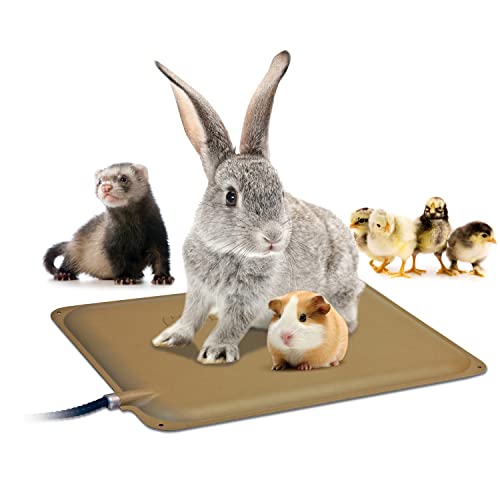
- BWP Score9.2
BWP Score is a ranking system developed by Bestwinterproducts.com. BWP score has no relationship or impact from any manufacturers or sales agent websites. Learn more
- BrandK&H Pet Products

- BWP Score8.6
BWP Score is a ranking system developed by Bestwinterproducts.com. BWP score has no relationship or impact from any manufacturers or sales agent websites. Learn more
- BrandChtoocy

- BWP Score8.6
BWP Score is a ranking system developed by Bestwinterproducts.com. BWP score has no relationship or impact from any manufacturers or sales agent websites. Learn more
- BrandLittledropet

- BWP Score7.4
BWP Score is a ranking system developed by Bestwinterproducts.com. BWP score has no relationship or impact from any manufacturers or sales agent websites. Learn more
- BrandBiJiBiBog

- BWP Score-
BWP Score is a ranking system developed by Bestwinterproducts.com. BWP score has no relationship or impact from any manufacturers or sales agent websites. Learn more
- BrandGeneric

- BWP Score-
BWP Score is a ranking system developed by Bestwinterproducts.com. BWP score has no relationship or impact from any manufacturers or sales agent websites. Learn more
- BrandGeneric

- BWP Score-
BWP Score is a ranking system developed by Bestwinterproducts.com. BWP score has no relationship or impact from any manufacturers or sales agent websites. Learn more
- BrandBESPORTBLE
Last update on 2026-10-02 / Affiliate links / Images, Product Titles, and Product Highlights from Amazon Product Advertising API
FAQs
What temperature is too cold for outdoor pigs?
Healthy adult market hogs can tolerate outdoor temperatures down to 20°F or lower if they have dry straw nests and draft-free housing. However, young piglets, thin feeder pigs, and nursing sows farrowing (giving birth to piglets) struggle when temperatures drop below 50°F. When wind chills plunge below 0°F, even large adult hogs require extra feed, deep bedding, and solid wind protection to avoid dangerous full-body chills.
Can I use hay instead of straw for pig bedding?
No, never use hay as your main bedding material for pigs during winter. Clean straw has hollow stalks that trap pockets of warm air and naturally shed moisture, keeping pigs dry and warm. Hay absorbs dampness like a sponge, compacts into a soggy mat, molds rapidly, and freezes into a rock-hard block that pulls heat away from sleeping pigs.
How do I know if my pig has frostbite?
Check the tips of your pig's ears, tail, and teats, which are the most vulnerable spots on its body. Early frostbite causes the skin to turn pale white, bright red, or dull gray, and the tissue feels cold and leathery to the touch. If you suspect frostbite, never rub the area or expose it to hot water, but move the pig into a dry, draft-free pen with deep straw and call a livestock veterinarian.
Do pigs need warm water to drink in winter?
While drinking water does not need to be hot, offering lukewarm water encourages pigs to stay properly hydrated in cold weather. Pigs often refuse to drink freezing water, which leads to reduced feed intake, poor digestion, and dangerous winter weight loss. Using a heated water bowl or stock tank de-icer keeps water flowing smoothly and makes it easy for your herd to drink their fill.


Best Warm Winter Scarves 2026 For Cozy Comfort

Best Green Ski Goggles 2026 For Clear Vision On Slopes

12 Best Corner Electric Fireplace 2026: My Ultimate Guide To Pick One

Best Battery Powered Snow Blower 2026 For Effortless Snow Clearing

Best Ski Goggles Under 30 Inches For Crisp Vision And Comfort

Best Cooling Scarf 2026 For Instant Relief And Comfort

Fake Snow for Grass: Create a Realistic Winter Lawn Display

Dimplex Prism Wall Mount Fireplace: Sleek Heat With Modern Flame Style





